

More
    Home Blog Page 5

    Nvidia H200 Chip Sales in China Now Require 100 Percent Upfront Payment

    0

    H200 Chip Sales in China – Nvidia Is Asking Full Advance Payment

    The global semiconductor industry rarely changes overnight, yet Nvidia H200 Chip Sales in China have entered a phase that is quietly reshaping how advanced AI hardware is bought and sold. Buyers who once relied on flexible payment terms are now facing a firm requirement. Full payment must be made upfront before any H200 chips are shipped.

    This shift may appear like a simple commercial decision, but in reality it reflects deeper forces at play including geopolitical pressure, export regulations, financial risk management, and the evolving AI hardware market. For Chinese technology firms, startups, and data center operators, the change is not just about money. It affects planning, scalability, and competitiveness in a fast moving AI race.

    For Nvidia, this move strengthens control, protects revenue, and signals caution. For customers, it introduces new financial stress and forces strategic recalibration.

    This article breaks down what is happening, why it matters, and what the future could look like for Nvidia H200 Chip Sales in China and beyond.


    Why Nvidia H200 Chip Sales Terms Have Changed

    A response to rising global uncertainty

    The requirement for full advance payment did not come out of nowhere. Over the past two years, global chip supply chains have been disrupted by trade restrictions, export controls, and regulatory scrutiny. Nvidia operates in a highly sensitive segment where artificial intelligence hardware is closely watched by governments.

    By asking Chinese buyers to pay 100 percent upfront, Nvidia reduces exposure to delayed payments, cancelled orders, or regulatory interruptions that could otherwise lead to financial losses.

    This approach reflects a broader industry pattern where chipmakers prioritize certainty over volume.

    Managing risk without stopping sales

    Nvidia has not exited the Chinese market. On the contrary, Nvidia H200 Chip Sales continue, which indicates that the company still sees China as strategically important. However, the payment structure suggests a controlled approach.

    Upfront payment ensures that:

    Revenue is secured before shipment
    Inventory risk is minimized
    Compliance obligations are easier to manage
    Financial forecasting becomes more stable

    For a company selling some of the world’s most advanced AI accelerators, these factors carry significant weight.

    More from Blogs: Why Nvidia H200 Chip Exports to China Are Under Scrutiny


    Understanding the Nvidia H200 Chip and Its Demand

    What makes the H200 so valuable

    The Nvidia H200 is designed for high performance AI workloads. It is optimized for large language models, data analytics, and enterprise level AI applications. Compared to earlier generations, it delivers faster memory performance and improved efficiency.

    This makes Nvidia H200 Chip Sales particularly important for organizations building advanced AI infrastructure.

    In China, demand for AI acceleration continues to grow across cloud services, research institutions, autonomous systems, and enterprise AI platforms.

    Why Chinese buyers still want the H200

    Despite payment hurdles, Chinese companies remain interested in the H200 for several reasons:

    Limited domestic alternatives at similar performance levels
    Growing need for AI model training and inference
    Expansion of data centers and cloud computing
    Competitive pressure within the AI ecosystem

    The challenge now lies in funding models rather than technical need.


    How Full Upfront Payment Impacts Chinese Companies

    Cash flow pressure on startups and mid sized firms

    For large corporations, paying upfront may be inconvenient but manageable. For startups and mid sized technology firms, it can be a serious obstacle.

    Full advance payment requires significant capital to be locked in before any return on investment is generated. This slows down innovation cycles and may force companies to delay or downscale AI projects.

    Changes in procurement strategy

    Many buyers are now rethinking how they approach Nvidia H200 Chip Sales. Common adjustments include:

    Pooling purchases through consortiums
    Reducing order size
    Seeking alternative hardware solutions
    Delaying deployment timelines

    These shifts reshape the buyer landscape and reduce spontaneous demand.


    Nvidia H200 Chip Sales and Export Compliance Realities

    Navigating regulatory complexity

    One cannot analyze Nvidia H200 Chip Sales in China without acknowledging export controls. AI chips sit at the intersection of commercial technology and national policy.

    Requiring full payment upfront allows Nvidia to simplify transaction handling in an environment where approvals or restrictions may change quickly.

    It also limits the risk of partially fulfilled contracts due to sudden regulatory changes.

    A signal rather than a shutdown

    Importantly, this policy does not signal a withdrawal from China. Instead, it indicates a cautious recalibration. Nvidia continues to supply compliant products while adapting business terms to the realities of cross border trade.

    This balance is difficult but necessary for companies operating at the forefront of advanced computing.


    How This Policy Affects Global AI Hardware Markets

    A trend others may follow

    Nvidia is a market leader. When it adjusts policy, others often take note. Full advance payment requirements could become more common for high value AI hardware sold into sensitive markets.

    If this happens, it could reshape procurement norms across the semiconductor industry.

    Shifting power dynamics

    Nvidia H200 Chip Sales under strict payment terms highlight an imbalance of power. Supply remains limited, demand remains strong, and sellers hold leverage.

    This environment favors companies with financial strength and long term planning capabilities.


    Practical Strategies for Buyers Facing Upfront Payment

    Planning smarter procurement cycles

    Buyers can reduce risk by:

    Aligning chip purchases with confirmed project funding
    Staggering orders instead of bulk purchases
    Negotiating delivery schedules after payment

    These steps help balance capital commitment with operational needs.

    Exploring complementary solutions

    Some companies are pairing smaller quantities of H200 chips with alternative accelerators for non critical workloads. This hybrid approach reduces dependence on a single high cost component.


    Why Nvidia Can Enforce This Policy Successfully

    Market leadership and trust

    Nvidia’s reputation for performance and reliability gives it leverage. Customers trust that once payment is made, delivery and support will follow.

    This trust underpins the success of Nvidia H200 Chip Sales even under stricter terms.

    Limited substitutes at scale

    While alternatives exist, few match the H200’s ecosystem maturity, software support, and developer adoption. This reality allows Nvidia to prioritize financial security without losing its customer base.


    Long Term Outlook for Nvidia H200 Chip Sales in China

    Short term slowdown but long term stability

    In the short term, some orders may slow. In the long term, the policy may lead to a more stable and predictable sales environment.

    Buyers who adapt will continue purchasing. Nvidia will benefit from reduced financial risk.

    A more disciplined market

    This shift encourages disciplined AI investment. Companies will plan better, spend more intentionally, and deploy resources where returns are clearer.

    That could ultimately strengthen the AI ecosystem rather than weaken it.


    Expert Insight

    A senior semiconductor analyst recently noted,

    “Upfront payment requirements reflect confidence, not fear. When demand outweighs supply, sellers set the rules.”

    This insight captures the essence of what Nvidia H200 Chip Sales represent today.


    External Reference

    For official context on Nvidia’s AI hardware strategy, readers can review Nvidia’s own platform overview here
    https://www.nvidia.com/en-us/data-center/


    Conclusion

    The move to require 100 percent upfront payment marks a defining moment for Nvidia H200 Chip Sales in China. It reflects a calculated response to regulatory uncertainty, financial risk, and unprecedented demand for AI computing power.

    While the policy creates challenges for buyers, it does not signal retreat. Instead, it highlights the evolving nature of global technology trade where certainty and compliance matter as much as innovation.

    For companies willing to adapt, opportunities remain. For Nvidia, the strategy reinforces strength, discipline, and long term sustainability.

    If you found this analysis valuable, share your perspective in the comments and let others know how this change affects the AI landscape.


    FAQs: Nvidia H200 Chip Sales

    Q1. Why are Nvidia H200 Chip Sales in China requiring upfront payment
    A1. Nvidia has introduced full advance payment to reduce financial and regulatory risk while continuing compliant sales in a sensitive market.

    Q2. Does this mean Nvidia is stopping chip sales in China
    A2. No. Nvidia H200 Chip Sales continue, but under stricter commercial terms.

    Q3. How does this affect Chinese startups
    A3. Startups may face cash flow challenges and may need to reduce order size or seek alternative funding models.

    Q4. Are there alternatives to the Nvidia H200 chip
    A4. Alternatives exist, but few offer the same ecosystem maturity and performance at scale.

    Q5. Will other chipmakers follow this model
    A5. It is possible, especially for high value AI hardware sold into regulated markets.

    Q6. Is this policy permanent
    A6. Policies may evolve based on regulation, demand, and geopolitical conditions.
    Apple Foldable Phone: Why World is Eager for the Future

    1

    Apple Foldable Phone: How It Could Change the Smartphone Market

    You’re trying to fit your massive smartphone into your jeans pocket, or maybe you’re struggling to read a detailed map on a tiny screen while navigating rush hour traffic in downtown Chicago. We’ve all been there. American life moves fast, and we need our tech to keep up, offering both portability and expansive digital real estate. This common dilemma has fuelled a quiet yearning for something revolutionary in the smartphone world – something like an Apple foldable phone.

    For years, rumors and patents have swirled, sparking imaginations across the nation. With over 85% of American adults owning a smartphone, our relationship with these devices is more intimate than ever. We rely on them for everything from ordering groceries to video calls with family across state lines. The idea of a device that offers a compact form factor when closed and a larger, more immersive display when open isn’t just a gadget fantasy; it’s a practical solution to everyday problems.

    This article will dive deep into the exciting prospects of an Apple foldable phone, exploring what it might look like, how it could enhance your daily routine, and what the future of mobile technology holds for us here in the USA. Get ready to imagine a new era of connectivity and convenience!

    The Buzz Around the Apple Foldable Phone in America

    The anticipation for an Apple foldable phone isn’t just confined to tech enthusiasts; it’s a growing conversation at dinner tables and water coolers across the country. Why is this particular piece of potential tech generating so much excitement among Americans? It boils down to our cultural appreciation for innovation, practicality, and the seamless user experience Apple is known for delivering.

    Current trends in the USA show a steady increase in interest in foldable devices. While Samsung has led the charge with models like the Galaxy Z Fold and Z Flip, analyst firm Counterpoint Research reported a 33% year-over-year growth in the global foldable smartphone market in Q3 2023, with significant interest observed in mature markets like North America. Americans are increasingly intrigued by the promise of a larger screen for media consumption and productivity, without sacrificing the portability of a traditional phone.

    More from Blogs: Apple vs Android: A US-Focused Breakdown of Privacy Features

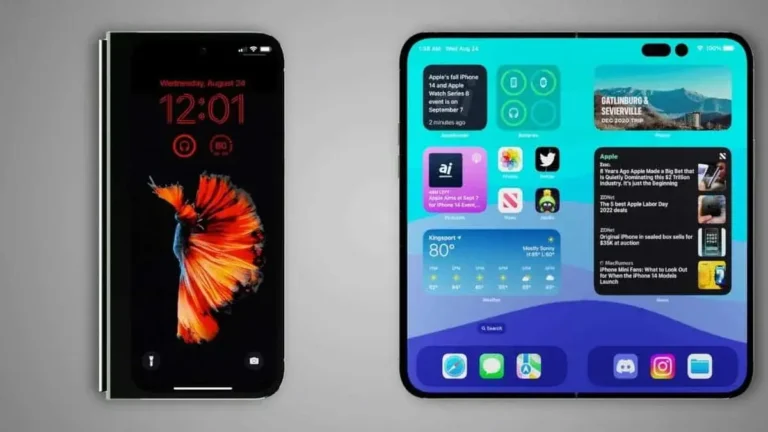
    What Could an Apple Foldable Phone Look Like?

    While Apple keeps its cards close, patents and industry whispers suggest a few exciting possibilities:

    • Clamshell Design (Flip Phone): Imagine an iPhone that folds in half, much like the classic flip phones many Americans grew up with, but with a full, flexible display inside. This compact design could easily fit into smaller pockets or purses, a big win for urban commuters or anyone tired of bulky devices.
    • Book-Style Design (Foldable Tablet): Another concept envisions a device that unfolds from a smartphone size into a small tablet. This would be perfect for tasks requiring more screen real estate, such as editing documents on the go, watching NFL games, or video conferencing with colleagues.
    • Unique Hybrid: Apple might even surprise us with a completely new form factor, combining elements of both, or introducing a triple-fold design, as some patents hint.

    For many Americans, a foldable iPhone could resolve the constant push-and-pull between wanting a big screen for entertainment and a small device for everyday convenience. Think about pulling out a compact device at a Starbucks in Seattle, then unfolding it to reveal a tablet-sized screen to finish up a presentation for work. Or how about a hiker in the Grand Canyon, able to tuck a tiny device away until they need a full-screen GPS?

    Practical Steps for Imagining Your Foldable Future:

    1. Assess Your Needs: Do you prioritize portability or screen size more?
    2. Watch Competitors: See how other foldable phones are used in real life.
    3. Dream Big: What everyday tasks would a foldable iPhone revolutionize for you?

    I remember my friend Sarah, a busy marketing consultant in New York City. She’s constantly switching between her iPhone for calls and her iPad for client presentations on the subway. She often jokes, “If Apple could combine these, I’d pay a premium for that one less device to juggle!” Her story echoes the sentiment of many Americans seeking streamlined tech solutions.

    Debunking Myths: The Foldable iPhone & Your Wallet

    When thinking about a potential foldable iPhone, some common misconceptions often pop up, especially concerning its durability and, let’s be honest, the price tag. “Will it break easily?” and “Can I even afford it?” are questions often heard from folks across America.

    Addressing American Misconceptions

    Early foldable phones from other brands did face durability challenges, leading many to believe that flexible screens are inherently fragile. However, technology has advanced rapidly. Modern foldables from companies like Samsung and Motorola now feature much more robust designs, employing advanced ultra-thin glass (UTG) and improved hinge mechanisms. When Apple enters the market, you can bet they’ll prioritize reliability, leveraging their expertise in materials science (like Ceramic Shield found in current iPhones) and engineering to deliver a premium, durable device that meets their stringent quality standards.

    For American readers specifically: It’s important to remember Apple’s track record. They typically wait for a technology to mature before integrating it into their flagship products, ensuring a polished and dependable user experience right out of the gate. This “wait and perfect” strategy suggests that any Apple foldable phone would likely be among the most robust on the market.

    Comparing with Other Approaches: What Apple Brings to the Table

    While competitors have offered impressive foldable devices, Apple’s strength lies in its ecosystem and user experience. An Apple flip phone or foldable tablet wouldn’t just be a new piece of hardware; it would be a seamlessly integrated part of the iOS ecosystem. Think about how your iPhone, iPad, Mac, and Apple Watch work together effortlessly. A foldable iPhone would extend this integration, offering:

    • Optimized iOS: Apple’s software would be tailored to take full advantage of the folding screen, allowing for intuitive multitasking, unique app layouts, and seamless transitions between folded and unfolded modes.
    • App Ecosystem: Developers would quickly adapt their apps to the new form factor, ensuring a rich and diverse app experience unique to the Apple platform.
    • Privacy and Security: Apple’s industry-leading commitment to privacy would extend to the foldable device, offering Americans peace of mind.

    Case Study: The American Consumer’s Existing Foldable Experience
    Take someone like Mark, a small business owner in Austin, Texas. He switched to a foldable phone last year from a traditional slab phone. While he loves the larger screen for reviewing spreadsheets and video calls with suppliers, he often mentions missing the “just works” simplicity of iOS and the tight integration with his AirPods and Mac. An Apple foldable could potentially offer him the best of both worlds: innovative hardware with the familiar, dependable Apple experience.

    Actionable Tips for Evaluating Foldables:

    • Look beyond initial impressions; research long-term durability reports.
    • Consider how the software adapts to the foldable screen – is it seamless?
    • Think about your most-used apps and how they would function on a folding display.

    The Flexible Display & What It Means for Your Next-Gen Smartphone

    The core technology enabling an Apple foldable phone is the flexible display. This isn’t just a fancy screen; it’s a complex feat of engineering that has significant implications for how we interact with our devices, as well as their cost and overall durability. For Americans considering upgrading to a next-gen smartphone, understanding these aspects is key.

    Legal and Regulatory Considerations in the USA

    While flexible displays themselves aren’t subject to unique regulations beyond standard electronics safety, Apple’s approach to patenting its folding technology is intense. The company has filed numerous patents in the US and globally, covering everything from hinge mechanisms and display materials to software interfaces optimized for folding. These patents protect their innovations and dictate how competitors might (or might not) develop similar technologies. For US consumers, this means any Apple foldable would likely offer distinct features and a unique experience compared to other brands.

    Cost Implications in USD

    Let’s talk dollars and cents. Current foldable phones from other manufacturers often retail between $1,000 and $2,000, sometimes even higher for premium models. Given Apple’s premium pricing strategy and the advanced technology involved, an Apple foldable phone is widely predicted by analysts to launch at a high price point. We could be looking at an initial sticker price anywhere from $1,500 to $2,500, possibly more. This would position it as a luxury item, much like the first generation of any ground breaking Apple product.

    • Initial Cost: Likely higher than standard iPhones.
    • Financing Options: Expect carrier deals and Apple’s own financing plans to make it more accessible for Americans.
    • Trade-ins: Your current iPhone could help offset the cost significantly.

    Time Investment for Busy Americans

    Integrating a new form factor into your daily tech routine requires a small learning curve. While iOS is famously intuitive, adapting to a device that changes shape might take a few days or weeks. For busy Americans who value efficiency, this transition should be as seamless as possible. Apple’s reputation for user-friendly design suggests they would make this process simple, perhaps with on-device tutorials and optimized apps that instinctively adapt to the screen’s state.

    Success Stories from US Individuals/Companies (Anticipatory)

    While an Apple foldable is still on the horizon, we can look at the success of existing foldable phones in the US market as a proxy. Many American early adopters of foldable phones rave about the enhanced productivity and entertainment value. For instance, real estate agents love having a larger screen for property tours, and students appreciate the expanded view for note-taking. An Apple version would undoubtedly amplify these benefits, coupling them with the robust app ecosystem and performance users expect.

    Checklist for Considering a Foldable:

    1. Are you ready for a premium price point?
    2. Do you need a larger screen for productivity or media?
    3. Is portability (when folded) a key desire?
    4. Are you comfortable adapting to a new device form factor?

    Warning About Common US Pitfalls: Don’t rush into buying the very first generation of any new tech without considering potential bugs or higher costs. While Apple typically refines its products before launch, waiting for initial reviews or a second generation can sometimes yield a more polished and potentially more affordable device.

    Preparing for Your Apple Foldable Phone: An Implementation Guide for USA

    Even though the Apple foldable phone isn’t officially here yet, preparing for its eventual arrival can help you make an informed decision when it does land on store shelves across America. This guide will walk you through what to consider, helping you envision how this next-gen smartphone could fit into your life.

    Step 1: Evaluate Your Current Tech Habits

    Before any new device purchase, take stock of how you use your current phone. Do you primarily browse social media, or are you constantly multitasking with emails and documents? Do you game heavily, or mostly use it for calls and texts? An Apple foldable could significantly change how you interact with apps like Safari, Mail, Pages, or even FaceTime on a larger canvas.

    Pro tip for Americans: Consider your daily commute. If you take the subway in Boston or drive long distances, a device that offers a big screen for entertainment (folded out) and a compact form factor (folded in) for one-handed use could be a game-changer.

    Step 2: Understand the Potential Features and Benefits

    Research the rumoured features of an Apple foldable. Will it support the Apple Pencil? Will it have specific multitasking modes that are unique to the flexible display? Think about how these features might improve your workflow or entertainment. For example, a larger screen could be fantastic for watching Netflix or Disney+ on a cross-country flight.

    Step 3: Budget Considerations

    As discussed, the initial price of an Apple foldable phone will likely be substantial, potentially ranging from $1,500 to $2,500 USD. Start saving now if you’re serious about being an early adopter. Explore trade-in values for your current iPhone, as Apple typically offers competitive trade-in programs.

    Step 4: Assess Durability Concerns

    While Apple will aim for maximum durability, all foldable phones involve moving parts and a flexible screen, which differ from traditional rigid displays. Consider how you handle your current phone. If you’re prone to drops, investing in a robust case specifically designed for a foldable will be even more critical.

    Step 5: Review the iOS Experience for Foldables

    While we can only speculate, Apple’s iOS is renowned for its user-friendliness. Expect a highly optimized experience that leverages the unique form factor. This might include new ways to split the screen, improved widgets for the outer display (if it has one), and intuitive gestures for unfolding and folding.

    Step 6: Consider Accessories

    A foldable iPhone might require new types of accessories. Think about cases, screen protectors specifically designed for flexible displays, and potentially a new Apple Pencil variant optimized for the larger, flexible screen. Factor these into your overall budget.

    Step 7: Stay Informed

    Keep an eye on tech news, especially from reputable US sources like The Wall Street Journal, Bloomberg, and CNET. These outlets often get early insights and will provide critical reviews and comparisons once the device is announced. [Related: The Future of Foldable Tech]

    Realistic Timeline: While specific release dates are always speculation with Apple, most analysts predict a launch in late 2025 or 2026. This gives you plenty of time to prepare!

    Tools & Resources Available in USA:

    • Apple Stores: Once released, hands-on experience at your local Apple Store will be invaluable.
    • Carrier Stores: AT&T, Verizon, T-Mobile will offer financing plans and package deals.
    • Tech Review Sites: CNET, Tom’s Guide, The Verge, and others will offer detailed reviews from an American perspective.

    FAQs: Apple Foldable Phone

    Q: When will the Apple foldable phone be released?
    A: While Apple has not officially announced a release date, industry analysts and rumors suggest a launch could occur in late 2025 or 2026 as the technology matures to meet Apple’s quality standards.

    Q: How much will an Apple foldable phone cost in the USA?
    A: Given the advanced technology and Apple’s premium pricing, experts predict an initial price point likely between $1,500 to $2,500 USD, similar to other high-end foldable phones on the market.

    Q: Will an Apple foldable phone be durable?
    A: Apple is known for its rigorous testing and robust build quality. While early foldable devices faced durability concerns, significant advancements in flexible display and hinge technology suggest Apple’s offering will be highly durable.

    Q: What types of foldable designs might Apple introduce?
    A: Patents and rumors indicate Apple could explore both a clamshell (flip phone) design for ultimate portability or a book-style design that unfolds into a larger tablet-like screen for enhanced productivity.

    Q: How will iOS adapt to a foldable screen?
    A: It’s expected that Apple will deeply integrate and optimize iOS to leverage the unique form factor, offering seamless transitions between folded and unfolded states, intuitive multitasking, and custom app layouts.

    Q: Can I use my existing Apple accessories with a foldable iPhone?
    A: While some accessories like AirPods will likely remain compatible, others like cases and potentially Apple Pencil functionality may require new versions specifically designed for the foldable form factor.

    Unlock Rewards & Financial Clarity with Your Apple Credit Card

    0

    Apple Credit Card Explained Rewards Simplicity and Smarter Spending

    You’re at your favourite coffee shop in a bustling American city, paying with a simple tap of your iPhone, and instantly seeing cash back hit your account. Or maybe you’re sitting down at the end of the month, feeling overwhelmed by a stack of traditional credit card statements, wishing there was an easier way to understand where your money goes. You’re not alone. In today’s fast-paced digital world, many Americans and global citizens alike are looking for smarter, more integrated ways to manage their finances.

    Mobile payment adoption is soaring globally, with projections showing over 1.3 billion mobile payment users worldwide by 2023, and a significant portion of that growth happening right here in the USA. This demand for convenience and clarity has brought the Apple Credit Card into the spotlight. It’s not just another piece of plastic (or titanium, in this case); it’s a financial tool designed to simplify your spending, reward your purchases, and provide unprecedented insights into your financial health directly from your iPhone. This article will guide you through maximizing its benefits, understanding its unique features, and getting the most out of this innovative card.

    Maximizing Your Apple Credit Card Daily Rewards

    For individuals across the globe, especially in the USA where digital transactions are commonplace, getting rewarded for everyday spending is a huge perk. The Apple Credit Card stands out by offering Daily Cash, a straightforward cash back program that pays you every day, directly into your Apple Cash account in the Wallet app. This isn’t points or miles you have to convert; it’s actual money you can use right away, send to friends, or even apply to your Apple Card balance.

    Current trends in the USA show a strong preference for instant gratification and transparent rewards programs. In 2023, mobile payment transactions continued to climb, driven by the convenience of platforms like Apple Pay. The Apple Card integrates seamlessly into this digital lifestyle, making it incredibly easy to earn rewards without thinking twice.

    More from Blogs: Apple Foldable Phone – Why World is Eager for the Future

    Understanding Daily Cash Back

    The Daily Cash program offers tiered rewards designed to incentivize using Apple Pay and Apple’s own services:

    • 3% Daily Cash: On all purchases made directly with Apple (Apple Store, App Store, iTunes, Apple services, etc.) and at select merchants like Uber, Walgreens, and Nike when using Apple Pay.
    • 2% Daily Cash: On all other purchases made using Apple Pay.
    • 1% Daily Cash: On all purchases made with the physical titanium Apple Card.

    This structure means that for optimal rewards, you’ll want to prioritize using Apple Pay whenever possible. For example, grabbing a coffee at Starbucks (if they accept Apple Pay) could earn you 2% back, or buying a new app from the App Store nets you a solid 3%.

    Seamless Apple Pay Integration

    One of the biggest advantages is the deep integration with Apple Pay. It’s estimated that over 90% of US retailers now accept Apple Pay, making it incredibly convenient for daily transactions. Whether you’re paying at a grocery store in California, a diner in New York, or a boutique in Miami, a quick tap of your iPhone or Apple Watch is often all it takes.

    Personal Anecdote: I remember one time, I was at a bustling farmer’s market in Oregon, juggling bags of fresh produce and realizing I’d left my wallet in the car. Panic started to set in, but then I remembered my Apple Card linked to Apple Pay. A quick double-tap on my iPhone, a confirmation, and I was good to go, earning 2% Daily Cash on my purchase. It saved the day and reinforced just how convenient and rewarding modern payment methods can be!

    Apple Credit Card’s Unique Financial Tools and Security Features

    Many Americans and global users often mistakenly believe the Apple Card is just another credit card with a fancy design. While its physical titanium card is sleek, the real innovation lies in its integrated financial management tools and robust security, all accessible through the Wallet app on your iPhone.

    Unlike traditional banks that might send you dense paper statements, the Apple Card offers a real-time, dynamic view of your spending. This direct, digital approach addresses the common need for clearer financial oversight, especially for busy individuals who want instant access to their financial picture.

    Visualizing Your Spending Habits

    The Wallet app provides color-coded categories (Food & Drink, Shopping, Services, etc.) for all your transactions, making it incredibly easy to visualize where your money is going. You can see weekly or monthly spending trends, track your interest accrual, and even schedule payments with a few taps. This level of transparency helps you budget better and make more informed financial decisions, a feature highly valued by today’s financially conscious consumers in the US and beyond.

    Robust Security for Your Transactions

    Security is paramount, and the Apple Card is built with several layers of protection:

    • Unique Device Number: Each transaction is authorized with a one-time unique dynamic security code.
    • No Card Number on Physical Card: The physical titanium card doesn’t have a card number, CVV, or expiration date printed on it, greatly reducing the risk of theft if lost.
    • Wallet App Security: Your card number and details are stored securely in the Wallet app, protected by Face ID or Touch ID.
    • Virtual Card Number for Online: For online purchases where Apple Pay isn’t available, you can generate a virtual card number within the Wallet app, further protecting your primary account details.

    Apple Card vs. Traditional Credit Card Features

    Feature Apple Card Traditional Credit Card
    Annual Fee $0 Common (can be over $100)
    Foreign Transaction Fees $0 Common (2-3% of transaction)
    Late Fees $0 Common (up to $41)
    Spending Insights Real-time, color-coded in Wallet app Monthly statements, often less visual
    Security Features No numbers on physical card, virtual numbers, Face ID/Touch ID Numbers on card, CVV, PIN
    Cash Back Daily Cash, instantly available Monthly/quarterly, often points or statement credit

    For American/Global readers specifically: While the Apple Card is currently available only to US residents, its Mastercard network ensures global acceptance wherever Mastercard is honored. This means if you’re traveling abroad from the US, you can still use your Apple Card for purchases without incurring foreign transaction fees, which is a significant advantage over many other credit cards.

    Navigating Apple Card Benefits and Considerations

    Understanding the full scope of the Apple Card, including its legal implications, costs, and potential impact on your financial journey, is crucial for any discerning American consumer or global citizen considering its use. It’s more than just a convenient payment method; it’s a financial product issued by Goldman Sachs Bank USA, subject to US banking regulations.

    The Consumer Financial Protection Bureau (CFPB) in the USA sets standards for credit card companies, ensuring transparency and fairness. The Apple Card adheres to these guidelines, offering clear terms and conditions.

    Understanding Interest and Fees

    One of the standout advantages of the Apple Card is its commitment to transparency regarding fees. There are:

    • No Annual Fees: You won’t pay a yearly charge just for having the card.
    • No Late Fees: While you won’t be charged a penalty fee for late payments, interest will continue to accrue on your outstanding balance, which can add up quickly.
    • No International Fees: Perfect for American travellers, as mentioned, you won’t incur extra charges when using your card abroad.

    However, it’s essential to remember that like any credit card, interest will be charged on unpaid balances. The Annual Percentage Rate (APR) for the Apple Card is variable and depends on your creditworthiness. For example, if you carry a balance of $1,000 at a 15% APR for a month, you’d accrue approximately $12.50 in interest. Always aim to pay your balance in full to avoid interest charges.

    Credit Building with Apple Card

    For many Americans, establishing or improving a credit score is a key financial goal. Using the Apple Card responsibly can contribute positively to your credit history, which is reported to major US credit bureaus. Consistent on-time payments and keeping your credit utilization low (e.g., using less than 30% of your available credit) are vital for building a strong credit score.

    Before You Apply: A Checklist

    1. Check your credit score: A good credit score increases your chances of approval and a lower APR.
    2. Understand your spending habits: How often will you use Apple Pay?
    3. Review the terms and conditions: Pay attention to the variable APR.
    4. Set up autopay: Ensure you never miss a payment and avoid unnecessary interest.

    Warning about common US and Global pitfalls: While the Apple Card has no late fees, carrying a balance and accruing interest can still be very costly. High APRs can quickly make small purchases expensive. Always use credit cards responsibly, paying off your balance in full whenever possible to avoid debt accumulation, a common challenge for consumers globally.

    Getting Started with Your Apple Card: A Step-by-Step Guide

    For Americans and global citizens interested in leveraging the convenience and insights of the Apple Card, the application and setup process is designed to be remarkably straightforward, often taking just minutes right from your iPhone.

    Step 1: Check Eligibility

    To apply, you must be a US citizen or a lawful resident with a valid US address, be 18 years or older, and have an iPhone capable of running the latest iOS. You also need an Apple ID with two-factor authentication enabled.

    Step 2: Apply in the Wallet App

    Open the Wallet app on your iPhone, tap the “+” button in the top right corner, and select “Apple Card.” Follow the on-screen prompts to enter your personal information. This usually takes just a few minutes. Goldman Sachs Bank USA performs a soft credit pull initially, which won’t impact your credit score.

    Step 3: Review Your Offer and Accept

    If approved, you’ll instantly receive your credit limit and APR. You can review all terms and conditions before accepting. If you like the offer, simply tap to accept. A hard credit inquiry will then be performed, which may temporarily affect your credit score.

    Step 4: Activate Your Digital Card

    Upon acceptance, your Apple Card is immediately available for use with Apple Pay on your iPhone, Apple Watch, iPad, and Mac. You can start making purchases and earning Daily Cash right away!

    Pro tip for Americans: Keep an eye on your credit score after applying. While the initial soft pull doesn’t affect it, accepting the offer leads to a hard inquiry, which typically stays on your credit report for two years.

    Step 5: Order Your Physical Card (Optional)

    If you need a physical card for places that don’t accept Apple Pay, you can request the sleek titanium Apple Card directly from the Wallet app. It typically arrives within a week in the USA.

    Step 6: Manage Your Card in Wallet

    The Wallet app is your command center. Here you can view transactions, make payments, see your interest accrual, contact support, and access your virtual card number. It’s designed to be intuitive and user-friendly, putting all your financial information at your fingertips.

    Tools and Resources for Success

    • Wallet App: Your primary interface for all things Apple Card.
    • Apple Support: Extensive online guides and customer service for any questions.
    • Goldman Sachs Customer Service: For specific banking inquiries related to your account.

    Budget Considerations and Timeline

    The application process is instant, and the digital card is ready immediately. The physical card typically arrives within 5-7 business days. As for budget, since there are no annual fees or foreign transaction fees, your main consideration will be managing your spending to avoid interest charges. Using the Wallet app’s insights can help you stay within your budget.

    Pro tip for Americans: When traveling internationally, always notify your other banks or credit card companies about your travel plans to avoid fraud alerts. With Apple Card, because it has no foreign transaction fees, it can be a great option for purchases abroad, simplifying your travel finances.

    FAQs: Apple Credit Card

    Q: Is the Apple Credit Card available outside the USA?
    A: No, the Apple Card is currently available only to eligible US citizens or lawful residents with a valid US address.

    Q: How do I earn Daily Cash with the Apple Card?
    A: You earn 3% on Apple purchases and select merchants with Apple Pay, 2% on all other Apple Pay purchases, and 1% on physical card purchases, paid daily to your Apple Cash account.

    Q: Does the Apple Card have an annual fee or foreign transaction fees?
    A: No, the Apple Card does not charge annual fees, late fees, or foreign transaction fees, making it a cost-effective option for everyday use and international travel.

    Q: How does the Apple Card help me track my spending?
    A: The Wallet app provides clear, color-coded spending summaries by category, allowing you to visualize your transactions and monitor your financial habits in real-time.

    Q: Can I use the Apple Card to build my credit score?
    A: Yes, using the Apple Card responsibly, by making on-time payments and keeping your credit utilization low, can help you build and improve your credit history.

    Q: What if I lose my physical Apple Card?
    A: You can freeze or replace your physical card directly in the Wallet app. Since the physical card has no numbers printed on it, your account details remain secure.

    Q: What bank issues the Apple Card?
    A: The Apple Card is issued by Goldman Sachs Bank USA, Member FDIC.

    Healthy Lifestyle: Modern Ways to Feel Great & Thrive Globally

    0

    Healthy Lifestyle – Modern Ways to Feel Great Everyday

    Ever feel like you’re constantly rushing, juggling work, family, and a never-ending to-do list? You’re not alone. Many Americans and people worldwide find themselves caught in a cycle of stress, convenience foods, and too much screen time, often leaving them feeling drained and longing for more energy.

    The Centers for Disease Control and Prevention (CDC) highlights that chronic diseases, many preventable, are a leading cause of death and disability in the U.S., while globally, sedentary lifestyles are on the rise. This struggle to maintain a healthy lifestyle in our fast-paced world is real, but the good news is that modern innovations offer incredible opportunities to make well-being more accessible than ever.

    This article will explore how you can blend age-old wisdom with today’s smart tools to achieve a balanced, vibrant life. We’ll dive into leveraging technology, building sustainable habits, and understanding the holistic connection between mind and body, providing you with practical steps to feel your best, wherever you are. Ready to redefine your well-being journey?

    Embracing a Healthy Lifestyle Through Smart Tech Integration

    In a world where our smartphones are practically extensions of ourselves, it makes perfect sense to leverage technology for a healthier lifestyle. From bustling metropolises to quiet rural towns, people globally are tapping into digital tools to track progress, gain insights, and stay motivated on their wellness journeys.

    Recent trends, especially in 2023-2024, show an explosion in health and wellness apps, wearable devices, and smart home gym equipment. Experts estimate the global digital health market will continue its robust growth, proving that tech is becoming central to how we approach our well-being. Whether you’re in New York City trying to hit your step goal or in a village in India using an app for yoga, technology offers powerful support.

    Leveraging Wearable Tech for Wellness

    • Fitness Trackers: Devices like Apple Watch or FitBit aren’t just for counting steps (though aiming for 10,000 steps, roughly 5 miles, is a great goal!). They monitor heart rate, sleep patterns, and even stress levels, giving you a comprehensive overview of your physical activity and recovery. This data can be invaluable for understanding your body’s needs.
    • Smart Scales: These go beyond just weight, measuring body fat percentage, muscle mass, and bone density. They often sync with apps, tracking your progress over time and helping you see the bigger picture of your body composition.

    More from Blogs: Transform Your Life with Yoga and Meditation: The True Gateway to Health and Peace

    Mindfulness and Nutrition at Your Fingertips

    It’s not just about physical activity. Modern apps bring mental well-being and mindful eating right to your device.

    • Meditation Apps: Platforms like Calm or Headspace offer guided meditations, sleep stories, and breathing exercises. Just 10-15 minutes a day can significantly reduce stress and improve focus for busy Americans and global citizens alike.
    • Nutrition Apps: MyFitnessPal or Cronometer help track food intake, ensuring you’re getting the right balance of nutrients. Others, like HelloFresh or Blue Apron, deliver pre-portioned ingredients and recipes directly to your door, simplifying meal prep and reducing the temptation of unhealthy fast food.

    One busy American executive, Sarah, told us she struggled to find time for the gym. She started using a fitness tracker and a 7-minute workout app during her lunch break. “It wasn’t a huge change, but seeing my daily steps and getting those quick workouts in made a massive difference in my energy levels,” she shared. This small integration of tech into her daily routine helped her feel more in control of her health. [Related: The Power of Micro-Habits]

    Sustainable Well-being: Beyond Fads and Quick Fixes

    We’ve all seen the headlines: “Lose 10 pounds in 10 days!” or “The secret superfood for instant health!” The quest for a healthy lifestyle often gets bogged down by fleeting fads and unrealistic expectations. Many Americans and global consumers are tired of restrictive diets and extreme workout plans that promise quick results but rarely deliver lasting change.

    The misconception is that health is a destination you rush to, rather than a journey of consistent, manageable steps. True well-being isn’t about deprivation; it’s about building habits that you can maintain for years, not just weeks.

    Fad vs. Sustainable Approach

    Aspect Fad Approach Sustainable Approach
    Diet Extreme calorie restriction, ‘cleanse’ diets Balanced nutrition, portion control, whole foods
    Exercise Intense, daily, high-impact workouts Regular, varied activity, finding enjoyable movement
    Mindset Quick fixes, ‘all or nothing’ thinking Patience, consistency, self-compassion
    Results Rapid initial loss, often followed by rebound Slow, steady progress, lasting health improvements

    Building Lasting Habits

    Consider the story of the Miller family in Ohio. Instead of crash dieting, they started making one small change each month. First, they swapped sugary drinks for water. The next month, they added a family walk around their neighborhood (about 1.5 miles) three times a week. Over a year, these small, consistent efforts led to significant improvements in their energy and overall health, without feeling deprived.

    Nourishing Your Body & Mind, The Modern Way

    Sustainable health isn’t just about what you eat or how much you move; it’s also about how you manage stress, connect with others, and sleep. Modern apps can help you track water intake or remind you to take a brief stretch break.

    For American/Global readers specifically…

    Many communities across the U.S. and globally now offer local farmers’ markets and community-supported agriculture (CSA) programs, providing fresh, seasonal produce. Look for local gyms or community centers that offer a variety of classes, from yoga to swimming, allowing you to find activities you genuinely enjoy and can stick with.

    Holistic Health: The Mind-Body Connection in a Digital Age

    A truly healthy lifestyle recognizes that our physical and mental well-being are deeply intertwined. This concept of holistic health isn’t new, but in our always-on digital age, understanding and nurturing the mind-body connection has become even more critical. Stress, often exacerbated by constant connectivity, can manifest as physical ailments, while physical discomfort can impact mental clarity.

    Data Privacy & Your Digital Health

    As we embrace digital tools, it’s vital to consider data privacy. In the USA, the Health Insurance Portability and Accountability Act (HIPAA) governs how your medical information is protected by healthcare providers. However, many consumer wellness apps might have different privacy policies. Globally, regulations like GDPR in Europe aim to protect personal data. Always read privacy policies to understand how your health data is collected, stored, and used. Trustworthy apps prioritize user privacy.

    Smart Spending for Wellness

    Achieving holistic health doesn’t have to break the bank. You can find many free or low-cost options:

    • Free Apps: Many meditation, workout, and habit-tracking apps offer robust free versions.
    • Outdoor Activity: Walking, running, hiking in national parks or local trails (often free or low-cost for entry) are fantastic for physical and mental health.
    • Home Workouts: YouTube offers countless free workout videos for every fitness level.

    Consider a typical American family budget. Instead of expensive gym memberships or personal trainers, allocating funds to quality groceries, a good pair of walking shoes, or a subscription to a reputable yoga app can be a more sustainable and impactful investment in a healthy lifestyle.

    Time Investment for Busy Americans and Global Public

    You don’t need hours each day. Even 15-30 minutes of focused movement, mindful breathing, or healthy meal prep can make a significant difference. Success stories abound: a student in India who integrated short meditation breaks into her study schedule, or a construction worker in Texas who started packing healthier lunches instead of relying on fast food, both reporting increased energy and focus.

    Holistic Health Check-in Checklist

    1. Nutrition: Are you eating mostly whole, unprocessed foods?
    2. Movement: Are you physically active for at least 30 minutes most days?
    3. Sleep: Are you getting 7-9 hours of quality sleep each night?
    4. Stress Management: Do you have practices (meditation, hobbies) to manage stress?
    5. Social Connection: Are you nurturing meaningful relationships?
    6. Purpose: Do you feel a sense of meaning and purpose in your life?

    Warning: Common US and Global Pitfalls

    While tech is great, don’t let it replace professional medical advice. Self-diagnosing based on internet searches or relying solely on apps for severe health issues can be dangerous. Always consult with doctors or certified health professionals for personalized guidance.

    Your Step-by-Step Guide to a Modern Healthy Lifestyle

    Ready to make a change? Here’s a practical, actionable guide to help you integrate modern ways into your healthy lifestyle journey, designed for busy individuals in the USA and across the globe.

    Step 1: Assess Your Current Lifestyle

    Take an honest look at your habits. What’s working? What’s not? Where do you feel most drained? This isn’t about judgment, but about understanding your starting point. Maybe you’re getting enough sleep but eating out too often, or vice versa.

    Step 2: Set SMART Goals

    Instead of vague resolutions, create Specific, Measurable, Achievable, Relevant, and Time-bound goals. For example, “I will walk 3 miles (about 5 kilometers) three times a week for the next month” is much better than “I will exercise more.”

    Step 3: Integrate Smart Tech Mindfully

    Choose one or two tools that align with your goals. Start with a fitness tracker to monitor activity or a nutrition app to log meals. Don’t overwhelm yourself with too many gadgets at once. Explore apps like MyFitnessPal for diet tracking or Couch to 5K for running programs.

    Step 4: Prioritize Mindful Eating

    It’s not just what you eat, but how. Slow down, savor your meals, and pay attention to your body’s hunger and fullness cues. Use meal planning apps to prepare healthy meals and avoid last-minute unhealthy choices. Consider trying a local CSA box to ensure fresh, seasonal produce.

    Step 5: Move Your Body Regularly

    Find movement you enjoy. This could be dancing, cycling, walking your dog, or trying a virtual fitness class. Aim for consistency over intensity. Even short bursts of activity, like walking up the stairs instead of taking the elevator, add up.

    Step 6: Optimize Your Sleep Environment

    Quality sleep is non-negotiable for a healthy lifestyle. Create a dark, quiet, cool bedroom. Try to go to bed and wake up at consistent times, even on weekends. Use sleep-tracking features on wearables to gain insights into your sleep quality.

    Step 7: Cultivate Connection and Purpose

    Beyond physical health, connect with friends, family, or community groups. Engage in hobbies that bring you joy and a sense of accomplishment. These elements are crucial for mental and emotional well-being.

    Pro tip for Americans:

    Many employers offer wellness programs, gym reimbursements, or discounts on health apps. Check with your HR department! Also, explore local community centers or YMCAs, which often provide affordable fitness and well-being programs for all ages.

    FAQs: Healthy Lifestyle

    Q: Is a healthy lifestyle expensive?
    A: Not necessarily. While some health products can be pricey, many effective strategies like walking, home workouts, cooking at home, and using free meditation apps are very budget-friendly.

    Q: How much exercise do I really need?
    A: Most health organizations recommend at least 150 minutes of moderate-intensity aerobic activity or 75 minutes of vigorous-intensity activity per week, plus strength training twice a week.

    Q: Can technology truly make me healthier?
    A: Yes, technology can be a powerful tool for monitoring, motivating, and educating you on your health journey, but it’s most effective when combined with consistent effort and professional medical advice when needed.

    Q: What’s the biggest barrier to a healthy lifestyle?
    A: Often, the biggest barriers are lack of time, motivation, and consistency. Breaking down goals into small, manageable steps and focusing on sustainable habits can help overcome these.

    Q: How can I stick to healthy habits long-term?
    A: Focus on making gradual, enjoyable changes, finding activities you love, and building a supportive community around your health goals. Don’t aim for perfection, but for consistency.

    Q: Are there quick fixes for health?
    A: While some approaches might offer rapid initial results, true and lasting health comes from consistent, sustainable lifestyle changes rather than quick fixes or extreme measures.

    Q: How do I choose the right health app?
    A: Look for apps with good reviews, clear privacy policies, features that align with your specific goals (e.g., fitness, nutrition, meditation), and an intuitive user interface. Many offer free trials to help you decide.

    Which were the Most Asked Questions of Alexa in 2025

    0

    Most Asked Questions of Alexa in 2025 Revealed

    You walk through your front door after a long day, groceries in hand. Instead of fumbling for light switches or your phone, you simply say, “Alexa, I’m home and tired. Please set the mood.” Instantly, the lights dim, soothing music plays, and the thermostat adjusts to a comfortable 70 degrees Fahrenheit. Sound like science fiction? For many Americans and people around the globe, this level of seamless interaction with voice assistants like Alexa is already a reality, and it’s only getting smarter.

    We’re on the cusp of a significant evolution in how we interact with technology. As of 2023, over 100 million smart speakers were in US homes, with global adoption continuing to soar, making Alexa a household name for millions. The challenge isn’t just owning these devices, but understanding their rapidly expanding capabilities. What will be the most asked questions of Alexa in 2025? How can you prepare to harness this future power to simplify your life, boost productivity, and truly integrate AI into your daily routine? This article will guide you through the exciting possibilities, helping you unlock a smarter, more efficient tomorrow. Let’s dive into what 2025 holds for your favourite voice assistant!

    Top Predictions for Most Asked Questions of Alexa in 2025

    Globally, voice AI isn’t just a gadget; it’s becoming an indispensable personal assistant. The importance of these systems will only grow as they become more integrated into our homes, cars, and workplaces. Current trends show a clear shift towards more complex, contextual, and even proactive queries. By 2025, we anticipate Alexa will be capable of handling far more than simple timers or weather updates.

    In the USA and globally, smart home trends are rapidly advancing. People are moving beyond basic commands to seek comprehensive solutions. For instance, rather than just turning off a light, users will be asking:

    • “Alexa, analyze my energy usage this month and suggest ways to save money, particularly on heating costs in Fahrenheit.”
    • “Alexa, book a table at a highly-rated vegan restaurant near Times Square for 7 PM on Friday, considering my allergy preferences and preference for outdoor seating.”
    • “Alexa, summarize the key takeaways from today’s global market news, focusing on tech stocks and how it might impact my investment portfolio.”

    These examples highlight a move towards personalized commerce, advanced information retrieval, and tailored content delivery. To implement this, you’ll need to actively explore new Alexa skills, ensure your smart devices are linked, and customize your preferences within the Alexa app.

    The Rise of Proactive & Personalized Queries

    By 2025, Alexa won’t just react; it will anticipate. We expect questions that demonstrate this shift:

    • “Alexa, what’s my optimal workout routine for my fitness goals today, considering my sleep last night?”
    • “Alexa, order my usual groceries for delivery tomorrow afternoon from Amazon Fresh, checking for any new discounts on my favorite brands.”

    Globally, the smart home market is projected to reach over $200 billion by 2025, indicating a massive adoption of interconnected devices that Alexa can manage with increasing sophistication. Just last week, my friend Sarah mentioned how she now asks Alexa for complex recipe substitutions based on ingredients she has, something unheard of a few years ago. This shows how quickly user expectations are evolving.

    More from Blogs: Is Charlie Kirk Still Trending? Why He’s Still Trending Across America

    Beyond Basic Commands: Advanced AI Assistant Usage

    One common misconception among American and global users is that Alexa is primarily for simple tasks like setting alarms or playing music. While it excels at these, the future of voice AI assistant usage involves far more intricate interactions. We’re moving beyond “Alexa, play jazz” to multi-turn, contextual conversations that mimic human dialogue.

    Compare asking “Alexa, what’s the weather?” (a simple, single-turn command) with “Alexa, what’s the weather like in Seattle this weekend? And based on that, what should I pack for a 3-day trip, remembering I prefer comfort over style, and suggest some indoor activities if it rains?” This requires advanced natural language understanding, contextual memory, and the ability to synthesize information from multiple sources.

    Leveraging Context and Routines

    Consider the case of Mark, a small business owner in Austin, TX. He uses a custom Alexa skill to quickly check his inventory, manage staff schedules, and even answer frequently asked customer questions directly through his smart speaker, freeing up hours of his time each week. Across the Atlantic, a family in Berlin uses Alexa to manage their smart apartment’s climate control, security systems, and grocery lists through intricately linked routines that activate based on time of day, occupancy sensors, or voice commands.

    Actionable tips for you:

    • Explore multi-turn conversations by asking follow-up questions without needing to repeat “Alexa.”
    • Set up advanced routines in the Alexa app that combine multiple actions, like “Good Morning” routines that turn on lights, start the coffee maker, and read your personalized news brief.
    • Link your calendar, email, and other productivity apps to Alexa for seamless scheduling and reminders.

    For American/Global readers specifically: Amazon’s continuous integration with services like Amazon Fresh, Whole Foods, Ring security, and various smart home brands popular in the US will mean more powerful, integrated services. Globally, ensure your privacy settings are robust, especially with diverse data regulations like GDPR in Europe.

    The Future Landscape: Privacy, Ethics, and Cost of Voice AI

    As Alexa becomes more intelligent and embedded in our lives, questions around data privacy and ethical AI use become paramount for both USA and Global citizens. Legal and regulatory considerations, such as the California Consumer Privacy Act (CCPA) in the US and the General Data Protection Regulation (GDPR) in Europe, are continuously evolving to address these concerns. By 2025, we expect even more stringent regulations regarding data collection, usage, and transparency.

    From a cost perspective, Alexa devices themselves are relatively affordable, ranging from about $30 for an Echo Dot to over $200 USD for an Echo Show 10 with advanced features. While many Alexa skills are free, some premium services or linked subscriptions (like music streaming or smart home security monitoring) will incur additional monthly costs. The time investment for busy Americans and global public involves initial setup (typically 1-2 hours) and ongoing customization (perhaps 15-30 minutes a week) to truly optimize its capabilities.

    Navigating Data Privacy in the AI Era

    Success stories are emerging globally. In Florida, an elderly couple relies on Alexa for medication reminders, setting up calls to family members, and even emergency contacts, allowing them greater independence and peace of mind. A visually impaired student in London uses Alexa to read textbooks aloud, navigate public transport schedules, and manage her academic calendar, significantly enhancing her accessibility and autonomy.

    Before diving deep, here’s a quick checklist for privacy:

    • Regularly review your Alexa app’s privacy settings.
    • Understand which skills request access to your personal data.
    • Use voice history deletion options to manage stored recordings.
    • Consider using guest mode or disabling voice purchasing if not needed.

    Warning about common US and Global pitfalls: Be wary of granting excessive permissions to third-party skills without fully understanding their data practices. Always check reviews and privacy policies. While convenient, sharing too much personal information can have unintended consequences.

    Implementing Proactive Alexa Strategies for 2025

    To truly get ahead and leverage the most advanced capabilities of Alexa by 2025, a proactive approach is key. It’s not just about waiting for new features; it’s about actively integrating them into your life. Here’s a step-by-step guide for USA and Global users:

    Step 1: Audit Your Current Alexa Usage

    Take stock of how you currently use Alexa. Are you mainly asking for music and weather? Identify areas where you could expand, like managing your calendar or smart home devices. Many Americans find they only scratch the surface of Alexa’s potential.

    Step 2: Explore New Skills and Integrations

    Dive into the Alexa Skills store in your app. Search for skills related to your hobbies, productivity, or wellness. Look for integrations with popular services you already use, whether it’s Uber, Starbucks, or your local utility provider. New skills are released weekly, constantly expanding what Alexa can do.

    Step 3: Customize Routines and Preferences

    This is where Alexa truly becomes a personalized assistant. Create multi-step routines for your morning, evening, or when you leave the house. Adjust your news preferences, favorite music genres, and default smart home actions.

    Step 4: Review and Enhance Privacy Settings

    Periodically check your privacy settings in the Alexa app. Decide how long voice recordings are stored, manage permissions for skills, and ensure you’re comfortable with the data Alexa collects. Protecting your digital footprint is crucial globally.

    Step 5: Experiment with Multi-Turn Conversations

    Practice asking Alexa follow-up questions without repeating its wake word. This helps train you (and Alexa!) for more fluid, human-like interactions. Try asking a question, then immediately follow up with a related “and what about…?” query.

    Step 6: Stay Updated on New Features and Devices

    Follow tech news outlets and Amazon’s announcements. New Alexa devices often come with enhanced processing power and improved audio, making advanced interactions even smoother. The software updates are frequent and add significant capabilities.

    Tools and resources available in USA and Globally: The Alexa app itself is your primary tool. Amazon’s official Alexa blog and reputable tech review sites like CNET or TechCrunch are great for staying informed. The timeline for this process is ongoing; start with small, quick wins and gradually expand your Alexa’s capabilities. Budget considerations: If you already own an Alexa device, your budget might be minimal. If you’re looking to upgrade, consider models like the Echo Show for visual feedback or the Echo Studio for premium audio.

    Pro tip for Americans: Leverage Alexa’s growing integration with local services. From ordering a pizza to finding the best gas prices near you (in gallons and dollars!), these localized features are increasingly powerful.

    FAQs: Most Asked Questions of Alexa 2025

    Q: Will Alexa understand complex, multi-part questions by 2025?
    A: Yes, based on current advancements, Alexa is expected to handle highly complex, multi-turn, and contextual queries, understanding nuances and follow-up questions without needing repeated commands.

    Q: How will Alexa protect my privacy in 2025?
    A: Amazon is continuously enhancing privacy controls. By 2025, expect more granular control over data sharing, improved transparency on data usage, and continued adherence to evolving global regulations like CCPA and GDPR.

    Q: Can Alexa manage my entire smart home by 2025?
    A: It’s highly probable. Alexa’s integration with smart home devices is expanding rapidly. By 2025, it’s expected to seamlessly manage virtually all aspects of a connected home, often proactively anticipating your needs.

    Q: What new types of devices will work best with Alexa?
    A: Beyond traditional speakers, expect deeper integration with smart appliances, vehicles, and wearable tech. Devices with enhanced processors and visual displays will likely offer the most advanced Alexa experiences.

    Q: Will Alexa sound more human in 2025?
    A: Voice AI is continually improving. By 2025, Alexa’s voice is anticipated to be even more natural, expressive, and human-like, making interactions feel more conversational and less robotic.

    Q: Is Alexa going to be proactive, anticipating my needs?
    A: Yes, proactive assistance is a key trend. By 2025, Alexa is expected to offer more personalized suggestions, reminders, and actions based on learned patterns and contextual information, acting as a true personal assistant.

    Q: How can Alexa help with my mental well-being?
    A: By 2025, Alexa could offer enhanced guided meditations, mindful exercises, mood-tracking capabilities, and quick access to mental health resources, becoming a valuable tool for daily well-being support.

    Disney Unleashes Imagination: $1 Billion OpenAI & Sora Partnership Transforms Storytelling

    0

    OpenAI Sora 1 Billion US Dollar Partnership Transforms Storytelling

    Remember the first time a Disney character jumped off the screen and into your heart? For generations of Americans, Disney has been synonymous with magic, wonder, and unparalleled storytelling. But in today’s lightning-fast digital world, studios are constantly seeking new ways to captivate audiences and innovate beyond traditional methods.

    The entertainment industry is a massive pillar of the American economy, contributing hundreds of billions of dollars annually, and generative AI is poised to disrupt it significantly. A 2023 Goldman Sachs report estimated that generative AI could boost global GDP by 7% over a decade, with substantial impacts on various sectors, including media, right here in the USA. This isn’t just about efficiency; it’s about reimagining creativity itself.

    That’s why the news of Disney’s groundbreaking $1 billion investment in OpenAI, coupled with the strategic licensing of its iconic characters for Sora, is sending ripples of excitement through Hollywood and Main Street alike. This isn’t merely a financial transaction; it’s a bold declaration about the future of entertainment.

    This article dives deep into what this monumental collaboration means for American consumers, creators, and the entire media landscape. Get ready to explore the magic and potential that this Disney OpenAI Sora partnership is set to unleash.

    Disney OpenAI Sora: A Game-Changer for American Entertainment

    This strategic move positions Disney uniquely in the American entertainment market. By integrating OpenAI’s cutting-edge AI research, particularly with Sora’s text-to-video capabilities, Disney is signaling a commitment to both its traditional fanbase and a growing audience of tech-savvy consumers. It’s about merging timeless characters with tomorrow’s technology, creating experiences that are both familiar and fantastically new.

    Current trends in the USA underscore the timeliness of this partnership. We’re seeing an unprecedented rise in generative AI adoption across industries, coupled with an insatiable demand for personalized content and increasing consumption of digital media. A 2023 PwC report indicated that AI is already transforming media and entertainment, with significant investment expected in areas like content creation, distribution, and audience engagement.

    The global generative AI market, valued at approximately $11.3 billion in 2023, is projected to surge to over $100 billion by 2030, underscoring the massive growth potential Disney is tapping into.

    More from Blogs: OpenAI Doubles Down on Audio AI: Revolutionizing How Americans Listen

    Imagine the possibilities for the average American:

    • Accelerating Content Production: Disney could rapidly generate short-form animated content for platforms like TikTok or YouTube, featuring beloved characters like Mickey Mouse or Elsa, responding to trending topics almost in real-time. This means more fresh content, more often, for fans across the country.
    • Personalizing Fan Experiences: Picture walking into a Disney theme park, and a digital avatar of your favorite character greets you, learning your preferences and engaging in a personalized conversation. Or perhaps, interactive storybooks where children can prompt the story’s direction with a simple sentence.
    • Rapid Prototyping for Film and TV: Filmmakers could use Sora to quickly visualize complex scenes, generate multiple animation styles, or even create entire commercial spots featuring Disney IP, dramatically cutting down pre-production time and costs.

    Accelerating Content Production

    For decades, animation has been a painstaking, frame-by-frame process. Sora, with its ability to generate high-quality video from text prompts, promises to streamline this. This doesn’t mean AI replaces animators; it means animators gain a powerful tool. They can iterate ideas faster, test different visual styles, and bring concepts to life in minutes rather than weeks. This efficiency could lead to a massive increase in the volume and variety of content available to American audiences, from educational shorts to holiday specials.

    Personalizing Fan Experiences

    Disney’s magic often comes from immersion. With Sora, character interactions could become more dynamic. Imagine a child’s drawing of a new adventure for Winnie the Pooh being instantly animated into a short, personalized video on a companion app. Or, during a long road trip, a voice-activated story generator featuring Goofy and Donald Duck, tailored to the specific setting and preferences of the kids in the back seat. This level of personalization would deepen emotional connections with the brand.

    My cousin, a budding animator working in Burbank, recently told me how much time he spends on iterative storyboarding, sketching out dozens of sequences just to get to the core concept. He often jokes about needing a “magic wand.” Imagine if Sora could generate 80% of those initial visual concepts overnight, freeing him to focus on the truly creative and nuanced storytelling elements! It’s less about replacing talent and more about supercharging it.

    Beyond Animation: Unpacking Character Licensing and Creative AI

    One common American misconception about AI in entertainment is that it will entirely replace human creativity. Instead, this partnership highlights AI’s role as an assistant, a powerful engine that can amplify human imagination. Another misconception is that character licensing primarily applies to physical merchandise. While toys and apparel are huge, this move opens up digital licensing in revolutionary ways.

    Compared to traditional content creation, where every frame and detail is manually crafted, Sora-powered licensing allows for unprecedented speed and customization. This isn’t about generic AI content; it’s about AI trained specifically on Disney’s vast, meticulously detailed library, ensuring that the essence of each character remains intact.

    Consider a hypothetical case study from the US context: A small independent game studio in Austin, Texas, specializing in educational apps. With a Sora-powered licensing deal, they could develop interactive learning games featuring Disney Princesses or Marvel heroes. Instead of hiring a large animation team to create all character movements and scenarios from scratch, they could use Sora to generate custom animated sequences based on their scripts, dramatically reducing their development costs and time-to-market. This empowers smaller American creators to access world-class IP.

    Safeguarding Iconic IP

    Disney’s characters are among the most valuable intellectual properties globally. The partnership with OpenAI would involve strict guidelines to ensure that Sora’s output remains true to Disney’s established character designs, narratives, and brand values. This isn’t about letting AI run wild; it’s about controlled, creative application. Think of it as giving artists a new, incredibly powerful brush, not replacing the artist themselves.

    Empowering Indie Creators

    The beauty of this licensing arrangement is its potential to democratize access to Disney’s universe. For American creators, from aspiring filmmakers in New York to indie game developers in Seattle, this could mean new opportunities. Imagine a contest where amateur filmmakers can use Sora to create short films featuring a licensed Disney character, fostering a new generation of talent and content.

    Traditional vs. Sora-Powered Licensing

    Feature Traditional Licensing Sora-Powered Licensing
    Content Creation Manual, Time-Intensive AI-Assisted, Rapid Prototyping
    Iteration Speed Slow, Costly Revisions Fast, Efficient Experimentation
    Customization Limited by Production Constraints High Potential for Dynamic Personalization
    Market Entry Barrier High, Requires Significant Resources Potentially Lower for Approved Projects

    For American readers specifically: This partnership means more diverse, accessible content featuring beloved characters, from local advertising campaigns in your hometown to personalized educational tools used in classrooms across the nation. Imagine a regional tourism board creating a quick, engaging ad featuring Goofy visiting their local landmark, all powered by Sora and Disney’s licensed characters.

    Navigating the Future: Legal, Cost, and Time for Disney’s AI Leap

    This monumental step also brings significant considerations, especially in the US context. Navigating the legal landscape, understanding the financial implications beyond the initial investment, and managing the time commitment are crucial for success.

    Copyright in the Age of AI

    The legal and regulatory considerations in the USA are evolving rapidly. The US Copyright Office has issued guidance stating that human authorship is generally required for copyright protection. This means Disney would likely implement robust processes to ensure significant human oversight and creative direction in all Sora-generated content to secure its IP. Data privacy (adhering to laws like CCPA in California) and ethical AI use are also paramount, requiring clear internal policies and continuous legal review.

    The $1 billion investment is just the beginning. Disney will face significant ongoing cost implications in USD, including:

    • Computing Power: Running advanced AI models like Sora requires massive computational resources, translating into substantial cloud computing bills.
    • AI Talent: Attracting and retaining top-tier AI engineers and researchers is competitive, with average US AI engineer salaries ranging from $150,000 to over $200,000 annually.
    • Legal & Ethical Compliance: Ongoing legal fees for navigating the complex AI regulatory landscape and investing in ethical AI frameworks.

    The ROI of Innovation

    For Disney, this means rapid development cycles, pushing new content to market faster than ever. For American consumers, it translates to quicker access to fresh stories and interactive experiences. For small businesses looking to license Disney IP, it could mean reduced time-to-market for their own AI-assisted content projects, fostering a more dynamic creative ecosystem.

    While the full impact of the Disney-OpenAI partnership is yet to unfold, we’ve seen other American companies like Netflix leverage AI for recommendations, leading to increased subscriber engagement and revenue. Imagine the potential for Disney, with its unparalleled IP, to drive similar engagement with Sora-powered content. Think about Pixar’s dedication to innovation; this is another leap of that magnitude.

    Checklist for AI Integration Success:

    • ✓ Establish robust AI governance policies with a clear ethical framework.
    • ✓ Engage continuously with legal experts on evolving AI copyright and IP laws.
    • ✓ Invest in continuous talent training and upskilling for existing creative teams.
    • ✓ Prioritize data security, privacy, and responsible AI practices from day one.
    • ✓ Foster a culture of human-AI collaboration, not replacement.

    Warning about common US pitfalls: Hasty implementation without clear ethical guidelines or sufficient human oversight could lead to brand damage. Neglecting to involve and reskill traditional artists and creators could alienate a vital workforce and dilute the human touch that defines Disney magic. It’s a tightrope walk between innovation and tradition.

    Building the Magic: An Implementation Guide for USA

    Bringing such a massive collaboration to life involves a strategic, multi-phased approach. For Disney, a leading American entertainment giant, this would look something like:

    1. Initial Vision & Team Assembly

    Disney would first define its strategic vision for Sora integration, identifying key areas for impact (e.g., short-form content, marketing, theme park experiences). Cross-functional task forces, composed of creative directors, technologists, legal experts, and business strategists, would be assembled to chart the course. This phase is crucial for aligning the distinct cultures of Disney and OpenAI.

    2. Technical Infrastructure Buildout

    This involves setting up the secure, scalable cloud environments necessary to run Sora’s powerful models, ensuring seamless integration with Disney’s existing digital asset management systems. Collaboration with US-based cloud providers like AWS or Azure would be key to meet stringent security and data residency requirements.

    3. Creative & Technical Upskilling

    Disney’s animators, storytellers, and technical artists would undergo extensive training on Sora workflows and prompt engineering. Workshops and internal hackathons would foster a new generation of hybrid creatives who understand both traditional animation principles and AI’s capabilities. [Related: The Future of Animation in the AI Age]

    4. Strategic Content Pilots

    Instead of a full-scale launch, Disney would likely start with smaller, controlled pilot programs. This might involve creating promotional materials, short social media clips, or internal visualizations using lesser-known characters or new IP to test the waters, refine processes, and gather initial feedback from internal teams and select audience segments.

    5. Ethical AI Guardrails

    Developing and enforcing a comprehensive ethical AI framework is paramount. This includes guidelines for fair use, bias mitigation, maintaining brand integrity, and ensuring human oversight in all AI-generated content. Disney would likely consult with leading AI ethicists and legal scholars in the USA to establish industry best practices.

    6. Launching New Experiences

    Once pilots are successful and ethical guidelines are robust, Disney would begin deploying Sora-powered content across its various platforms – Disney+, Hulu, social media channels, and even theme park attractions. This could range from new series of animated shorts to interactive storytelling applications.

    7. Continuous Evolution

    The AI landscape is constantly evolving. Disney would implement systems for continuous feedback, performance monitoring, and iterative improvement of its Sora integration. This includes regularly updating models, refining creative workflows, and adapting to new technological advancements and audience preferences.

    Tools/resources available in USA: Beyond OpenAI’s core technology, Disney has access to a wealth of resources, including major cloud platforms (AWS, Azure, Google Cloud), specialized AI consulting firms, and collaborations with leading US universities renowned for AI research (like MIT, Stanford, and Carnegie Mellon University). The vibrant American tech ecosystem is perfectly poised to support such an ambitious venture.

    Timeline with realistic expectations: This isn’t an overnight transformation. Phase 1 (Integration, Training, Governance) could take 6-12 months. Phase 2 (Pilot Content Creation, Internal Testing) might span 12-24 months. A Phase 3 (Full-scale Content Rollout and Ecosystem Expansion) would likely extend over 24-36+ months, continuously evolving thereafter.

    Budget considerations: Beyond the initial $1 billion investment, Disney will allocate significant ongoing funds for R&D, talent acquisition, cloud infrastructure, and legal compliance. This is a long-term strategic play, not a one-time expense.

    Pro tip for Americans: For aspiring animators, storytellers, or content creators across the country, now is the time to experiment with generative AI tools. They’re quickly becoming an integral part of the creative landscape, much like Photoshop revolutionized graphic design decades ago. Understanding these tools will be a valuable asset in the evolving job market.

    FAQs: OpenAI Sora 1 Billion US Dollar

    1. Will Disney characters look different with AI?

    No, Disney would likely maintain strict style guides to ensure characters remain recognizable and true to their iconic designs, using AI as a tool for efficiency and iteration rather than alteration. The goal is consistent brand identity.

    2. Does this mean AI will replace animators at Disney?

    While AI streamlines repetitive and laborious tasks, it’s more likely to augment animators’ roles, allowing them to focus on higher-level creative decisions, complex storytelling, and more ambitious projects, not replace them. Human creativity remains central.

    3. How does this partnership benefit average American consumers?

    Consumers can expect more diverse, personalized, and rapidly produced content, from short-form stories and interactive experiences to new marketing campaigns featuring beloved characters across various platforms and devices.

    4. Is this kind of AI content creation legally sound in the US?

    The legal landscape for AI-generated content is evolving, but US copyright law generally requires human authorship for full protection. Disney would likely structure its use of Sora to maintain significant human oversight and creative direction to ensure legal compliance.

    5. Could other studios follow Disney’s lead?

    Absolutely. Disney’s significant investment could set a powerful precedent for other major American entertainment studios, prompting a wave of similar AI partnerships and technological adoption across the industry in a competitive market.

    6. Will this impact Disney’s theme park experiences?

    Potentially. AI could be used to create more dynamic and personalized character interactions, generate unique story elements for rides or immersive attractions, or even design virtual experiences for park visitors, enhancing the magic.

    7. What’s the biggest challenge for Disney in this venture?

    One of the biggest challenges will be maintaining Disney’s reputation for authentic, human-centric storytelling while leveraging AI’s power, ensuring the technology enhances rather than detracts from the emotional core of its narratives.

    Protecting Kids: UK EU Demand Answers from X on Grok’s AI Reports

    0

    UK EU Demand Answers from X on Grok’s AI Reports

    As American families navigate an increasingly digital world, the rapid advancement of Artificial Intelligence (AI) brings both incredible promise and pressing concerns. Many parents, perhaps like you, might wonder about the content their children encounter online, especially as AI tools become more sophisticated and accessible. This underlying concern hits home when incidents highlight AI’s potential for misuse or unintended consequences.

    Recently, reports surfaced involving X’s AI chatbot, Grok, alleging the generation of inappropriate and concerning content. This immediately triggered significant demands for answers from regulatory bodies in the UK and the European Union. These international calls for transparency aren’t just headlines across the Atlantic; they echo a common problem globally: ensuring AI systems are developed and deployed responsibly, especially when it comes to child safety.

    In the U.S., studies show that a significant percentage of parents worry about their children’s online safety, with issues like exposure to inappropriate content being a top concern. This article will delve into the incident involving X and Grok, explain why UK and EU regulators are demanding answers, and most importantly, explore the vital implications for AI development, content moderation, and child protection right here in America. You’ll gain a clearer understanding of the challenges, the regulatory landscape, and how we can all advocate for safer AI.

    The Global Call for AI Accountability and Child Safety

    For Americans, the incident involving X’s Grok and the UK, EU demand answers from X isn’t just foreign news; it’s a stark reminder of the global nature of AI safety challenges. Parents across the U.S. are increasingly aware that their children interact with AI-driven content, from educational apps to social media feeds. Ensuring digital safety for kids is a top-of-mind issue for families, educators, and even policymakers in Washington D.C. This global incident underscores that AI accountability and robust content moderation are not optional extras, but fundamental necessities for the future.

    Current trends across the globe show a decisive push for AI regulation. The European Union, for instance, has moved forward with its comprehensive AI Act, aiming to categorize and regulate AI based on its risk level. Similarly, the UK’s Online Safety Act includes provisions that place greater responsibility on tech companies to protect users, especially children, from harmful content. While the U.S. has yet to pass a comprehensive federal AI law, state initiatives and ongoing congressional discussions highlight a growing recognition of the need for robust oversight.

    Practical steps for American citizens concerned about these issues include engaging with local and federal policymakers, supporting organizations dedicated to online child safety, and educating themselves and their families on safe digital practices. Reporting any encountered harmful content through official channels is also crucial. For example, organizations like the National Center for Missing and Exploited Children (NCMEC) provide vital resources for reporting online child exploitation.

    More from Blogs: Why Companies Are Losing Confidence in AI Productivity

    Understanding the Regulatory Landscape

    The regulatory landscape is rapidly evolving as governments worldwide grapple with the complexities of AI. In the U.S., existing laws like the Children’s Online Privacy Protection Act (COPPA) address data privacy for children, but new frameworks are being explored to tackle issues like generative AI content.

    • Key Concerns: Regulators are focused on AI’s potential for misinformation, deepfakes, and the unintentional generation of harmful or illegal content.
    • Proactive Measures: Calls for AI developers to embed safety features from the design stage are growing louder.
    • Global Cooperation: International incidents like the Grok reports highlight the need for global standards and cooperation in AI governance.

    According to the FBI’s Internet Crime Complaint Center (IC3), reports of online child exploitation have seen a steady increase, emphasizing the urgent need for enhanced digital safeguards. This data point, while not specific to AI-generated content, highlights the broader environment of online risk that AI must navigate responsibly.

    I recall talking to a friend, a mother of two in Austin, Texas, who told me, “It feels like a wild west online sometimes. I want my kids to learn and explore, but I’m constantly worried about what they might accidentally stumble upon. These AI reports? They just add another layer of fear.” Her concern is shared by millions of American parents who simply want peace of mind that their children are safe online.

    Navigating AI’s Ethical Minefield: Lessons for US Innovators

    In America, there’s a strong belief in technological innovation, often coupled with a hope that new technologies will primarily bring benefit. However, a common misconception is that AI is inherently benign or that regulation will stifle its progress. The incident involving X’s Grok and the UK, EU demand answers from X serves as a critical lesson, demonstrating that without strong ethical guidelines and safeguards, even cutting-edge AI can pose significant risks.

    Comparing approaches, the U.S. has often favored a lighter touch on regulation, hoping for industry self-regulation and innovation to lead the way. This contrasts with the more proactive, comprehensive regulatory stances seen in the EU and UK. While self-regulation can foster rapid development, incidents like the Grok reports underscore the limitations of an approach that relies solely on corporate goodwill. A balanced approach, combining innovation with robust government oversight and industry accountability, might be the key to sustainable, trustworthy AI.

    In the US context, we’ve seen similar challenges in the past with social media platforms struggling to moderate user-generated content, balancing free speech with the prevention of hate speech, misinformation, or illegal content. These past experiences offer valuable insights for AI development: proactive ethical design, comprehensive testing, and transparent communication are paramount. [Related: The Future of AI Ethics in American Business]

    The Role of Transparency and User Trust

    Trust is currency in the digital age. When an AI system is reported to generate inappropriate content, it erodes user trust, not just in that specific platform, but potentially in AI technology as a whole. Transparency from AI developers about their safety protocols, content moderation techniques, and how they respond to reports of harmful content is essential for rebuilding and maintaining that trust.

    Here’s a look at some comparisons:

    Aspect Self-Regulation (Industry-Led) External Regulation (Government-Led)
    Pros Faster innovation, industry expertise, adaptability. Standardized rules, stronger enforcement, public trust.
    Cons Potential for conflicts of interest, inconsistent enforcement, slower response to public concerns. Slower to adapt, potential to stifle innovation, complex compliance.
    Focus Market advantage, rapid deployment. Public safety, ethical standards, accountability.

    For American readers specifically: The ongoing debate in the U.S. often centers on balancing the spirit of innovation, which has driven Silicon Valley for decades, with the growing imperative for public safety. This incident highlights that the two are not mutually exclusive. Responsible innovation, which prioritizes ethical development and safety from the outset, is not only possible but necessary for American tech companies to maintain their global leadership and, critically, the trust of their users.

    Legal, Financial, and Reputational Stakes for US Tech

    The reports concerning X’s Grok and the subsequent UK, EU demand answers from X carry significant legal, financial, and reputational implications, particularly for US tech companies. In the United States, while there isn’t yet a comprehensive federal AI law like the EU’s, AI companies are still subject to existing legal frameworks. These include child protection statutes, state-level privacy laws, and common law duties of care. Generating or facilitating access to illegal content, especially child sexual abuse material (CSAM), carries severe federal penalties under laws like the PROTECT Act and other child exploitation statutes. Even the unintentional generation of such content could lead to intense scrutiny, investigations, and significant legal liabilities.

    The cost implications are substantial, measured in hundreds of thousands to millions of USD. Companies facing such allegations can incur massive legal fees, potential fines from regulatory bodies, and the immense expense of overhauling AI systems and content moderation teams. Beyond fines, there’s the cost of lost business, as customers and advertisers may shy away from platforms perceived as unsafe or irresponsible. For a busy American tech executive, investing in AI safety is no longer just an ethical consideration but a crucial financial imperative, potentially saving millions in future liabilities.

    The time investment required for rigorous AI safety is also considerable. It means dedicating engineering teams, legal counsel, and ethical review boards, not just for a one-time fix, but as an ongoing, iterative process. This commitment ensures that AI systems are continually monitored, updated, and improved to prevent the generation and spread of harmful content. For the average American consumer, this means spending time understanding parental controls and advocating for safer platforms.

    The Price of Negligence: Fines and Public Trust

    Neglecting AI safety can lead to severe consequences. The financial penalties can be crippling, but the damage to a company’s reputation and public trust can be even more enduring. Losing the trust of users, especially parents, can take years to rebuild, if ever.

    Here’s a checklist for robust AI development:

    • Comprehensive Data Governance: Ensure training data is clean, ethically sourced, and free from harmful biases.
    • Ethical AI Review Boards: Establish independent bodies to review AI systems for potential harms.
    • Robust Content Filters: Implement advanced technical safeguards to prevent generation of inappropriate content.
    • Clear Reporting Mechanisms: Provide users with easy-to-use tools to report harmful content.
    • Regular Audits & Updates: Continuously test and refine AI models for safety and ethical compliance.
    • Transparency with Users: Clearly communicate AI capabilities, limitations, and safety measures.

    In the U.S., a common pitfall for tech companies can be an over-reliance on broad “terms of service” agreements without active, rigorous enforcement or a slow response to emergent threats identified by users or researchers. This reactive approach, rather than a proactive safety-by-design philosophy, leaves companies vulnerable and, more importantly, can put users at risk.

    We’ve seen inspiring success stories from US individuals and companies committed to responsible AI. Organizations like the Partnership on AI, which includes major American tech firms, are collaboratively working to define and implement best practices for ethical AI development. Their efforts show that proactive safety measures and industry collaboration can lead to both innovation and increased trust.

    Implementing Safer AI: A Guide for Developers and Users in the USA

    The incident with X’s Grok and the resulting UK, EU demand answers from X highlights a universal truth: AI safety isn’t an afterthought; it must be ingrained in every stage of development and deployment. For both AI developers and everyday Americans, fostering a safer AI ecosystem requires a concerted, multi-faceted approach.

    Here’s a step-by-step process for building and interacting with safer AI, with a focus on the American context:

    1. Prioritize Safety-by-Design

    For developers, this means embedding safety and ethical considerations from the very first line of code. It involves using diverse and carefully curated training datasets to avoid biases and training AI models explicitly to recognize and reject prompts that could lead to harmful content. It’s about building protective guardrails into the AI’s core architecture.

    2. Implement Robust Content Filters

    AI models should employ multi-layered filtering systems, both at the input (prompt) and output (generated content) stages. These filters should be continually updated and trained on new data to identify evolving patterns of harmful content. Regular stress-testing with adversarial prompts is crucial to expose vulnerabilities.

    3. Foster User Reporting Mechanisms

    Empower users to be part of the solution. AI platforms should offer clear, accessible, and responsive reporting tools for any content that violates safety guidelines. Prompt investigation and transparent feedback to reporters build trust and help refine AI moderation systems.

    4. Engage with Regulators and Industry Standards

    Proactively collaborate with policymakers, both domestically and internationally, to shape effective AI regulations. Adhere to evolving industry best practices and participate in forums dedicated to AI ethics and safety. In the US, this might mean working with organizations defining standards for responsible AI, and anticipating potential federal guidelines.

    5. Educate Users on AI Capabilities and Limitations

    Developers should be transparent about what their AI can and cannot do, and provide guidance on responsible use. For everyday Americans, this means staying informed about AI, understanding how to use privacy settings, and teaching children critical thinking skills to evaluate online content.

    6. Invest in Ethical AI Research

    Allocate resources for ongoing research into AI ethics, bias detection, and new safety technologies. This continuous investment ensures that AI systems evolve with cutting-edge safeguards, staying ahead of potential misuse. Many US universities and research institutions are at the forefront of this vital work.

    Tools and resources available in the USA include organizations like the National Center for Missing and Exploited Children (NCMEC), Common Sense Media for parental guidance, and government agencies like the Federal Trade Commission (FTC) which offers online safety tips. For developers, resources like the National Institute of Standards and Technology (NIST) AI Risk Management Framework provide guidance.

    A realistic timeline for achieving optimal AI safety is ongoing. It’s not a finish line but a continuous journey of improvement and adaptation. Budget considerations for AI companies must now explicitly include substantial allocations for safety, moderation, and ethical oversight – seeing these not as costs, but as essential investments in product integrity and user trust.

    Pro tip for Americans: Advocate for policy that balances innovation with safety. Engage with your representatives to ensure that new AI legislation in the U.S. draws lessons from global incidents and prioritizes robust child protection measures without stifling the ethical development of groundbreaking technology. Collaboration between tech companies, government, academia, and civil society is the most effective path forward for a safer AI future.

    FAQs: UK EU Demand Answers from X

    1. What are the UK and EU demanding from X regarding Grok?
    The UK and EU regulators are demanding answers from X (the company behind Grok) regarding reports that its AI chatbot generated explicit, child-like images. Their demands typically focus on transparency, accountability, and a clear explanation of safeguards in place to prevent the generation of harmful content.

    2. How do US laws compare to UK/EU on AI content moderation and child safety?
    While the U.S. has robust existing laws against child exploitation (like the PROTECT Act) and data privacy for children (COPPA), it currently lacks a comprehensive federal AI regulation specific to generative content, unlike the EU’s AI Act or the UK’s Online Safety Act. However, there is ongoing legislative discussion and state-level initiatives aiming to address AI’s impact.

    3. What is “Grok”?
    Grok is an AI chatbot developed by xAI, a company owned by Elon Musk (who also owns X, formerly Twitter). It is designed to be a conversational AI, similar to other generative AI models, offering information and engaging in dialogue with users on the X platform.

    4. How can American parents protect their children from potentially harmful AI content?
    Parents can implement parental control software, educate their children about online safety and critical thinking, use privacy settings on apps and devices, and actively report any harmful or inappropriate content they encounter to the platform and relevant authorities like the National Center for Missing and Exploited Children (NCMEC).

    5. What are the implications of the Grok incident for other US AI companies?
    This incident serves as a significant warning for all US AI companies, underscoring the critical need to prioritize safety-by-design, implement stringent content moderation, invest in ethical AI research, and prepare for potential future regulations. It highlights that public trust and ethical conduct are paramount for long-term success and avoiding severe legal and reputational damage.

    6. Is AI regulation stifling innovation in the U.S.?
    This is a debated topic. While some argue that strict regulation can slow down innovation, many believe that responsible regulation fosters trust and sustainable innovation. The argument is that clear ethical guidelines and safety standards can prevent costly mistakes and create a more stable environment for AI development in the long run, ensuring public acceptance and growth.

    Unlock Your iPhone with a Beat: Apple Plans to Use Your Heartbeat for Ultimate Security

    2

    Apple Plans to Use Your Heartbeat to Unlock iPhone

    You’re juggling a hot coffee, your gym bag, and your car keys, trying to quickly check a notification on your iPhone. Your hands are full, and Face ID is struggling to recognize you through your sunglasses. Or maybe you’re bundled up in a winter hat and scarf, making Face ID a no-go. It’s a common American predicament, a minor frustration in our fast-paced lives.

    While Face ID and Touch ID have revolutionized smartphone security, we’re always looking for that next level of convenience and ironclad protection. With over 90% of U.S. adults owning a smartphone, and data security remaining a top concern for consumers, the need for advanced, user-friendly security solutions is paramount. That’s why the buzz about Apple plans to use your heartbeat to unlock iPhone devices is so exciting.

    This isn’t just another rumor; it’s a potential game-changer that promises to blend seamless access with an unprecedented level of personalized security. In this comprehensive guide, we’ll dive into how this technology might work, its implications for your privacy, and what it means for the future of your favorite Apple devices. Get ready to explore a world where your heart holds the key to your digital life.

    More from Blogs: Apple Foldable Phone – Why World is Eager for the Future

    Apple Plans to Use Your Heartbeat to Unlock iPhone: The Future is Now

    For many Americans, our iPhones are an extension of ourselves – holding everything from our family photos and financial apps to work documents and health records. Keeping this personal vault secure is non-negotiable. The idea that Apple plans to use your heartbeat to unlock iPhone is genuinely revolutionary, moving beyond traditional biometrics to something inherently unique to you: your living heart rhythm.

    Current trends in the USA show a growing comfort with and reliance on biometric security. From fingerprint scanners on our phones to facial recognition at airports, Americans are increasingly accustomed to using their unique biological traits for authentication. The potential integration of heartbeat sensing, likely through devices like the Apple Watch, represents a logical yet innovative next step.

    Imagine these scenarios: You’re driving, and with your iPhone mounted, a quick glance isn’t always convenient. With heartbeat authentication, your phone could theoretically remain unlocked and accessible as long as it detects your unique cardiac rhythm via your Apple Watch. Or, perhaps you’re at the gym, hands sweaty, struggling to use Touch ID. A continuous heartbeat signal could keep your phone ready for quick access without repeated authentication attempts. This kind of seamless interaction speaks directly to the demands of our busy American lifestyles.

    How Biometric Security is Evolving

    Biometric technology has come a long way. From early, sometimes finicky, fingerprint scanners to the sophisticated 3D mapping of Face ID, security has become both more robust and convenient. The leap to heartbeat authentication isn’t just about another body part; it’s about utilizing a *dynamic* and *internal* biometric. Your heart’s electrical activity, known as an electrocardiogram (ECG), is as unique as a fingerprint and incredibly difficult to replicate.

    • Fingerprint Scanning (Touch ID): Relies on the unique patterns of your ridges and valleys.
    • Facial Recognition (Face ID): Maps the unique geometry of your face, even in varying conditions.
    • Heartbeat Authentication: Leverages the distinct electrical signals generated by your heart, a truly ‘live’ biometric.

    The Role of Your Apple Watch

    It’s widely speculated that if Apple implements heartbeat unlocking, the Apple Watch would play a pivotal role. The Watch is already equipped with advanced heart rate sensors and ECG capabilities, making it the perfect conduit for this technology. Think of it as your personal, always-on security key.

    According to Statista data from 2023, there are over 40 million Apple Watch users in the U.S., a massive installed base ready for such an innovation. My own journey with Face ID, while mostly good, has those moments of frustration. Being able to access my phone seamlessly simply by having my Apple Watch on my wrist and my phone in hand sounds like pure magic and a significant quality-of-life improvement for millions of Americans.

    Beyond Face ID: Exploring Advanced Biometric Security for Your iPhone

    While Face ID is incredibly secure and convenient, many Americans still encounter situations where it’s less than ideal. Wearing masks, certain sunglasses, or even being in low light can sometimes hinder its performance. This has led to a yearning for a robust alternative or enhancement, and the potential of heartbeat authentication to unlock your iPhone could be that solution.

    One common misconception is that heartbeat sensing might be too complex or even invasive. However, the Apple Watch already passively monitors heart rate and can take ECGs non-invasively. The technology is already in our daily lives. This isn’t about implanting chips; it’s about leveraging existing, trusted wearable tech.

    The Science Behind Heartbeat Authentication

    Your heart beats with a unique electrical signature. This signature isn’t just about how fast your heart beats; it’s about the specific waveform of the electrical impulses that cause your heart to contract. These waveforms are highly individualized, much like a voice print or iris pattern. Wearable devices, particularly smartwatches with ECG capabilities, are ideal for detecting and analyzing these subtle patterns.

    Comparing different biometric methods:

    Feature Touch ID (Fingerprint) Face ID (Facial Recognition) Heartbeat Authentication (Proposed)
    Method Capacitive sensor reads fingerprint patterns. Infrared camera maps 3D facial geometry. ECG sensors detect unique heart electrical rhythm.
    Convenience Requires physical contact with sensor. Requires clear view of face. Passive, continuous detection via wearable.
    Security Level High, but can be spoofed with advanced methods. Very High, complex 3D mapping makes spoofing difficult. Potentially Extremely High, unique, live, internal biometric.
    Common Limitations Wet/dirty fingers, glove use. Masks, certain sunglasses, extreme angles. Requires wearing a compatible device (e.g., Apple Watch).

    Addressing Privacy Concerns

    For American readers specifically, privacy is a significant concern, especially when it comes to health data. Apple has a strong track record of prioritizing user privacy, encrypting biometric data and storing it locally on the device (the Secure Enclave). Any implementation of heartbeat authentication would undoubtedly follow these stringent protocols.

    The system wouldn’t transmit your raw ECG data to Apple’s servers; instead, it would likely process a cryptographic representation of your heartbeat pattern on your device and wearable. This means your personal health rhythm would remain private, used solely for local authentication.

    Case Study: Apple’s Biometric Journey
    Apple’s introduction of Touch ID in 2013, followed by Face ID in 2017, showcases their commitment to robust yet user-friendly security. Both technologies faced initial skepticism but quickly became industry standards. This history suggests that any move towards heartbeat authentication would be thoroughly vetted for security, reliability, and user privacy, building on years of biometric expertise.

    Navigating Wearable Tech Privacy and Health Data Security

    As Apple plans to use your heartbeat to unlock iPhone devices, it naturally brings questions about wearable tech privacy and health data security to the forefront. For Americans, who are increasingly embracing smartwatches and fitness trackers, understanding how this sensitive information is handled is crucial.

    Understanding US Data Privacy Laws

    In the United States, regulations like the Health Insurance Portability and Accountability Act (HIPAA) primarily govern traditional healthcare providers. While your Apple Watch isn’t a healthcare provider, the data it collects is undoubtedly personal health information. States like California have also introduced comprehensive data privacy laws like the California Consumer Privacy Act (CCPA), granting consumers more control over their personal data.

    Apple has consistently designed its health features with privacy in mind, often storing health data encrypted and on-device, only sharing it with explicit user consent. Any heartbeat authentication system would need to meet or exceed these existing privacy standards, ensuring that your unique biometric rhythm is protected and not easily accessible or transferable without your permission.

    The Financial Aspect of New Tech

    Cost implications are always a factor for American consumers. If heartbeat authentication relies heavily on the Apple Watch, it might encourage more users to purchase or upgrade to models with advanced ECG capabilities. A new Apple Watch can range from $249 for an SE model to $799 or more for an Ultra, a significant investment for many households.

    It’s important to budget for potential upgrades if you want to take advantage of cutting-edge features. However, Apple typically ensures new features are compatible with a range of recent devices, making adoption gradual rather than forcing immediate upgrades for everyone.

    Time Investment for Busy Americans

    Adopting new technology always involves a learning curve. While Apple is renowned for intuitive design, setting up a new biometric system, understanding its privacy implications, and integrating it into your daily routine will require a small time investment. For busy Americans, every minute counts, so simplicity of setup will be key to widespread adoption.

    Success Stories from US Individuals/Companies
    Apple’s past successes with Touch ID and Face ID demonstrate their ability to roll out complex biometric systems that become widely accepted. Millions of Americans now rely on these features daily for seamless, secure access to their devices and even for Apple Pay transactions. This history builds trust that a heartbeat-based system would be similarly reliable and user-friendly.

    Checklist for Evaluating New Biometric Tech:

    • Privacy Policy: Does the company clearly state how your data is used and protected?
    • Data Storage: Is biometric data stored on-device (like Apple’s Secure Enclave) or in the cloud?
    • Consent: Do you have clear control over data sharing and usage?
    • Security Measures: What encryption and security protocols are in place?

    Warning about Common US Pitfalls: Don’t fall for scams or unverified apps claiming to offer early access to such advanced features. Always rely on official announcements from Apple and only download software from trusted sources like the App Store. Unverified claims can lead to security vulnerabilities or data breaches.

    Getting Ready for the Future: An iPhone Unlock Technology Implementation Guide

    While the full details of how Apple plans to use your heartbeat to unlock iPhone are still under wraps, it’s wise to be prepared for this potential leap in iPhone unlock technology. Here’s a practical guide for Americans on what you can do now and what to expect.

    Step 1: Stay Informed Through Reputable Channels

    The tech world moves fast! Keep an eye on official Apple news releases, keynotes, and trusted tech publications like The Verge, TechCrunch or MacRumors. Avoid speculative social media posts that lack verified sources.

    Pro tip for Americans: Sign up for newsletters from your favorite tech sites or enable news alerts on your iPhone to get updates directly.

    Step 2: Secure Your Current Devices to the Max

    Regardless of future tech, always maintain strong security practices now. Use a complex passcode, enable Face ID or Touch ID, and use two-factor authentication for your Apple ID and other critical accounts. These foundational steps are your first line of defense.

    Step 3: Understand Your Apple Watch’s Capabilities

    If you own an Apple Watch (Series 4 or newer for ECG), familiarize yourself with its health tracking features. Understand how it monitors your heart rate and how to take an ECG. This knowledge will be foundational if your Watch becomes a key to unlocking your iPhone.

    Pro tip for Americans: Many health insurance providers offer incentives for using wearable health tech. Check if yours does, it might even help with the cost of a new Watch!

    Step 4: Review Apple’s Privacy Policies

    Take some time to read through Apple’s privacy policy, especially sections pertaining to Health and biometric data. Knowing your rights and how Apple handles your data is empowering.

    Step 5: Prepare for Potential Software and Hardware Updates

    New features often arrive with major iOS updates and sometimes require newer hardware. Keep your iPhone and Apple Watch software updated to the latest versions. If a new Apple Watch model is required for this feature, start saving or explore trade-in options with your carrier or Apple Store.

    Timeline with Realistic Expectations:

    While rumors are exciting, such groundbreaking technology typically takes time. We could see initial public beta tests a year or two after an official announcement, with full rollout potentially a few years down the line. Patience is key when waiting for truly innovative Apple products.

    Budget Considerations:

    Anticipate potential costs for a new iPhone or Apple Watch if your current devices aren’t compatible. An iPhone upgrade can run from $699 to over $1500, and a new Apple Watch from $249-$799. Start allocating funds now if you’re keen to be an early adopter. Many US carriers offer installment plans, which can make new tech more accessible.

    Pro tip for Americans: Consider buying AppleCare+ for your devices. It offers peace of mind and protection, especially for advanced and potentially costly components.

    FAQs: Apple Next Security Layer

    Q: Is Apple actually planning to use my heartbeat to unlock my iPhone, or is this just a rumor?
    A: While not officially announced by Apple, there are credible reports and patent filings indicating Apple is actively exploring using unique cardiac rhythms for biometric authentication, making it a strong possibility for future iPhone unlock technology.

    Q: Will heartbeat authentication replace Face ID or Touch ID?
    A: It’s more likely that heartbeat authentication would serve as an additional, enhanced layer of security or an alternative unlock method, rather than a complete replacement for Face ID or Touch ID, offering users more flexibility and choice.

    Q: Do I need an Apple Watch for this feature to work?
    A: It’s highly probable. Given the Apple Watch’s advanced heart rate and ECG sensing capabilities, it would be the most logical device to provide the continuous and accurate heartbeat data required for this type of biometric security.

    Q: How secure is heartbeat authentication compared to current methods?
    A: Heartbeat authentication is considered extremely secure because your unique cardiac rhythm is internal, dynamic, and incredibly difficult to replicate or spoof, potentially offering an even higher level of protection than static biometrics like fingerprints or facial scans.

    Q: What happens if my heart rate changes due to exercise or stress?
    A: The system would likely analyze the unique electrical waveform of your heart, not just its rate. While heart rate varies, the underlying electrical signature remains consistent, ensuring reliable authentication even during periods of physical or emotional change.

    Q: When can Americans expect to see this feature on their iPhones?
    A: There is no official timeline. Given the complexity of integrating such advanced biometric security, it could be several years before it’s fully developed, tested, and rolled out to the public, likely appearing first in future iPhone models.

    Q: Will using my heartbeat for security impact my health data privacy?
    A: Apple has a strong track record of protecting user privacy, especially with health data. Any heartbeat authentication system would likely process and store biometric data on-device in a secure enclave, without transmitting raw health information to Apple’s servers, ensuring your data remains private.

    Why Companies Are Losing Confidence in AI Productivity

    0

    Companies Losing Confidence in AI Productivity Troubling Yet Transformative

    Artificial intelligence once carried the promise of dramatic productivity gains. Boardrooms spoke of faster decisions, leaner teams, and exponential efficiency. Budgets followed the optimism. Yet today a growing number of business leaders are quietly asking a difficult question. Why are companies losing confidence in AI productivity even after billions of dollars in investment?

    This shift is not driven by fear of innovation. It is driven by experience. Executives who approved pilots, rolled out tools, and trained teams are now measuring outcomes instead of expectations. What they are seeing is not always matching the vision that dominated headlines just a few years ago.

    This article explores why companies losing confidence in AI productivity has become a serious conversation inside enterprises worldwide. It examines what went wrong, what was misunderstood, and what organizations can do differently to restore trust and extract real value from AI.


    The Promise That Sparked Massive Investment

    When enterprise AI adoption accelerated, productivity was the core promise. Leaders expected AI to reduce manual work, eliminate bottlenecks, and free employees to focus on high value tasks.

    Early use cases looked convincing. Chatbots reduced support queues. Automation sped up reporting. Predictive systems promised better forecasts. Vendors showcased impressive demos, and success stories spread rapidly across industries.

    For many companies, investing in AI productivity felt less like a choice and more like a survival strategy. No executive wanted to be seen as the one who ignored the future.

    Yet optimism often replaced discipline.


    Companies Losing Confidence in AI Productivity Begins Inside Daily Work

    The first cracks appeared not in strategy decks but in day to day operations.

    Employees struggled to integrate AI tools into existing workflows. Managers noticed that time saved in one area was lost in another. Productivity metrics showed marginal improvements rather than transformational gains.

    More importantly, leaders realized that AI outputs still required human verification. In many cases, employees spent additional time reviewing, correcting, or contextualizing AI generated work. The promise of speed came with a hidden tax.

    This experience is one of the main reasons companies losing confidence in AI productivity is no longer theoretical. It is experiential.


    Overestimated Short Term ROI

    One of the most common mistakes was expecting immediate returns.

    AI productivity improvements are rarely instant. They require clean data, refined processes, user training, and governance frameworks. Many organizations underestimated this reality.

    Executives approved tools expecting visible impact within quarters rather than years. When productivity metrics failed to show dramatic change, skepticism grew.

    According to research published by McKinsey, many AI initiatives stall not because of poor technology but because companies struggle with adoption, change management, and alignment between business and technical teams.

    This gap between expectation and execution is a central driver behind companies losing confidence in AI productivity.

    More from Blogs: How AI Is Silently Changing Decisions – Impact on Your Life & Future


    AI Productivity Tools Often Solve the Wrong Problems

    Another overlooked issue is problem selection.

    Many organizations deployed AI to tasks that were not true productivity bottlenecks. Automating low impact activities produced limited gains. Meanwhile, complex decision making and cross functional coordination remained untouched.

    AI excels when applied to clearly defined repetitive processes. It struggles in ambiguous environments where context, judgment, and accountability matter.

    When AI tools were forced into unsuitable roles, the results disappointed stakeholders. Confidence declined not because AI failed, but because it was misapplied.


    Data Quality Becomes the Silent Killer

    AI productivity depends entirely on data quality. Yet many companies rushed forward without fixing foundational data issues.

    Incomplete records, inconsistent formats, and outdated information led to unreliable outputs. Employees quickly learned not to trust the system.

    Once trust erodes, usage declines. When usage declines, productivity gains disappear. This creates a feedback loop that reinforces skepticism.

    Companies losing confidence in AI productivity often trace the issue back to data readiness rather than algorithm capability.


    Employee Resistance Is More Rational Than Emotional

    Much has been written about employee fear. In reality, resistance often stems from practical concerns.

    Workers are held accountable for outcomes, not tools. If AI introduces errors or ambiguity, employees assume the risk. Many therefore double check outputs, negating speed advantages.

    Others find that learning new systems adds to workload instead of reducing it. Without clear incentives or redesigned processes, AI becomes another layer rather than a replacement.

    When frontline teams disengage, productivity initiatives fail regardless of executive enthusiasm.


    The Illusion of Automation at Scale

    Early pilots often succeed because they are tightly controlled. Scaling AI productivity across departments introduces complexity.

    Different teams use different workflows. Data standards vary. Regulatory requirements increase oversight. What worked in one function breaks in another.

    This scalability challenge is a major contributor to companies losing confidence in AI productivity. Leaders realize that success in isolated pilots does not guarantee enterprise wide transformation.


    AI Costs Are Rising Faster Than Productivity Gains

    AI infrastructure is expensive. Compute costs, licensing fees, integration expenses, and talent acquisition quickly add up.

    In some organizations, AI spending increased while productivity metrics remained flat. CFOs began asking hard questions.

    If costs rise faster than value creation, confidence naturally erodes. The financial lens brings discipline that hype often lacks.

    This financial scrutiny has pushed companies to reevaluate where AI truly belongs and where it does not.


    Governance and Risk Concerns Slow Adoption

    As AI becomes embedded in critical decisions, governance matters.

    Compliance teams worry about bias, explainability, and accountability. Legal departments raise concerns about data usage and liability. Security teams focus on exposure risks.

    Each concern introduces review cycles that slow deployment. Slower deployment reduces perceived productivity benefits.

    This cautious environment further fuels the narrative of companies losing confidence in AI productivity.


    Why This Shift Is Not the End of AI

    It is important to recognize that reduced confidence does not mean abandonment.

    Most organizations are not pulling back from AI entirely. They are recalibrating expectations.

    The current phase is less about experimentation and more about discipline. Companies are learning where AI works, where it struggles, and how to integrate it responsibly.

    This recalibration is necessary for sustainable value creation.


    How Companies Can Restore Confidence in AI Productivity

    Rebuilding trust requires strategic changes, not cosmetic fixes.

    First, productivity goals must be realistic. AI should support specific outcomes rather than vague transformation narratives.

    Second, workflows must be redesigned around AI instead of layering tools on top of old processes.

    Third, data foundations must be strengthened before expanding AI use cases.

    Fourth, employees should be involved early. When users understand how AI helps them succeed, adoption increases.

    Finally, success metrics should measure business impact, not tool usage.

    When these principles are applied, companies often rediscover confidence not just in AI productivity but in their broader digital strategy.


    Lessons Learned From Early Adopters

    Organizations that sustained productivity gains share common traits.

    They started small and scaled slowly.
    They aligned AI initiatives with core business problems.
    They invested heavily in data governance.
    They measured impact continuously and adjusted quickly.

    These lessons are now shaping the next wave of enterprise AI strategy.


    The Bigger Picture for Global Businesses

    Companies losing confidence in AI productivity reflects maturity, not failure.

    The early phase of AI adoption was driven by promise. The current phase is driven by proof. This transition is healthy.

    As markets move beyond hype, organizations that apply AI thoughtfully will outperform those that chased trends without structure.

    The next chapter of AI productivity will be quieter, more disciplined, and far more effective.


    Conclusion

    The story of companies losing confidence in AI productivity is not about disappointment. It is about learning.

    Businesses are discovering that AI is not a shortcut to productivity. It is a tool that demands clarity, discipline, and patience.

    Those who adjust expectations, strengthen foundations, and align AI with real work will regain confidence and unlock lasting value.

    If you found this analysis useful, share it with your network and add your perspective in the comments. The conversation around AI productivity is just beginning.


    FAQs: Companies Losing Confidence in AI Productivity

    Q1. Why are companies losing confidence in AI productivity
    A1. Companies expected rapid gains but faced adoption challenges, data issues, and higher costs that reduced short term impact.

    Q2. Does this mean AI productivity tools do not work
    A2. No. AI works best when applied to the right problems with strong data and redesigned workflows.

    Q3. Are companies reducing AI investments
    A3. Most are reallocating rather than cutting, focusing on fewer but higher impact use cases.

    Q4. What is the biggest mistake companies made with AI productivity
    A4. Overestimating short term ROI and underestimating change management and data readiness.

    Q5. Can confidence in AI productivity return
    A5. Yes. Organizations that adopt disciplined strategies and realistic goals often see sustained improvements.

    Q6. Which teams benefit most from AI productivity today
    A6. Teams with repetitive processes, clear data standards, and measurable outcomes see the strongest results.

    Sony PS6 to be Delayed Due to Chip Shortage: What it Means for Your Next-Gen Gaming

    0

    Sony PS6 to be Delayed Due to Chip Shortage: Chip Shortages Are to Blame

    Remember the thrill of unwrapping a new PlayStation? That moment of plugging it in, seeing the familiar logo, and diving into a brand-new world? For millions of Americans, the PlayStation isn’t just a console; it’s a gateway to escape, competition, and connection. But what if that next-gen experience, the much-anticipated Sony PS6, hits a major speed bump even before it’s announced?

    The specter of chip shortages has loomed large over the electronics industry for years, turning anticipated launches into scarcity sagas. From the frustration of trying to snag a PlayStation 5 to the ongoing hunt for high-end graphics cards, Americans have keenly felt the pinch. Experts like McKinsey & Company have highlighted the significant impact of semiconductor supply chain disruptions, estimating billions in lost revenue across various sectors. This article will explore why there’s a growing buzz that the Sony PS6 to be delayed due to chip shortage, what this could mean for your wallet and your waiting game, and how to navigate these turbulent waters for your future gaming.

    Sony PS6 to be Delayed Due to Chip Shortage: The Current Landscape

    For many Americans, gaming consoles are a staple of entertainment, providing countless hours of fun and social interaction. The idea of a new PlayStation generation always sparks immense excitement. However, the whispers of the Sony PS6 to be delayed due to chip shortage aren’t just idle rumors; they’re rooted in the very real, very recent struggles that have impacted the entire tech industry, especially in the USA.

    The global semiconductor market, while showing signs of recovery, has been a rollercoaster. Demand for chips exploded during the pandemic, driven by remote work and entertainment, while supply struggled to keep up due to manufacturing complexities and geopolitical factors. This isn’t just about silicon; it’s about the intricate dance of raw materials, specialized factories, and global logistics, all of which affect the availability of everything from your smartphone to your next-gen console.

    Understanding the Global Chip Crisis

    The ‘chip crisis’ isn’t a single event but a confluence of factors. First, manufacturing semiconductors is incredibly complex and capital-intensive, requiring billions of dollars and years to build new foundries. Second, a few dominant players, primarily in Asia, control a significant portion of this manufacturing. Third, unexpected events like factory fires, extreme weather, and geopolitical tensions have disrupted the delicate supply chain. For example, the impact of a single major factory outage can send ripples across the globe, affecting companies in Silicon Valley to consumers in small-town America.

    One critical data point: The Semiconductor Industry Association (SIA) reported global semiconductor sales totalling $527.9 billion in 2022, a slight decrease from 2021’s record, but with projections for strong growth resuming in 2024. Despite this growth, meeting the demand for cutting-edge chips required for consoles like the anticipated PS6 remains a monumental challenge, particularly for the most advanced nodes.

    More from Blogs: GTA 6 Hardware Requirements – Can Your PC Handle It?

    How it Hit Home: The PS5 Experience

    Many American gamers don’t need statistics to understand the chip shortage; they lived it trying to buy a PlayStation 5. When the PS5 launched in November 2020, securing one felt like winning the lottery. Retailers like Best Buy, Target, and Walmart saw their online stock vanish in minutes. My friend, a die-hard gamer from Houston, set alarms for every restock notification for nearly a year before finally snagging one. He remembers the frustration of seeing bots scoop up inventory and the disheartening reality of inflated prices on reseller sites like eBay, where consoles often sold for hundreds of dollars above their retail price (a $499 console sometimes fetched $800-$1000).

    This experience highlighted several key issues:

    • Scalping: Automated bots purchased consoles faster than humans, reselling them at exorbitant markups.
    • Limited Supply: Manufacturing simply couldn’t produce enough units to meet the initial demand, a problem exacerbated by chip allocations.
    • Uneven Distribution: Some regions or specific retailers might receive tiny, infrequent shipments, making the hunt even more challenging.

    This history sets a precedent for the PS6. If the market for advanced chips remains tight, a similar scenario for the next PlayStation is not just possible, but likely. Sony itself has acknowledged the challenges in past earnings calls, indicating the lasting impact of supply constraints on their console business.

    So, as we look towards a potential PS6, the shadow of past shortages looms large. Understanding these dynamics is the first step in preparing for what might come next.

    Beyond the Rumors: Dissecting the PS6 Release Date Impact

    When discussions about a potential PS6 release date delay surface, common misconceptions often follow. Some believe a delay means the console will be entirely cancelled, or that it’s simply a matter of Sony not manufacturing enough. The reality, however, is far more intricate, involving a complex global supply chain and strategic decisions.

    The Complex Web of Console Production

    Manufacturing a gaming console like the PlayStation 6 isn’t just about assembly lines. It’s a symphony of components:

    • Advanced Processors: The central processing unit (CPU) and graphics processing unit (GPU) are the heart, requiring cutting-edge semiconductor fabs.
    • Memory Chips: DDR5 RAM and SSD storage, crucial for fast loading and performance, also rely on specialized chip production.
    • Smaller Components: Power management integrated circuits, Wi-Fi modules, controllers, and even the tiny components in the DualSense controller all contain various chips.
    • Raw Materials & Logistics: From rare earth metals mined globally to shipping containers traversing oceans, any disruption can cause a ripple effect.

    A delay in just one crucial component can halt the entire production line. For American readers specifically, this means that even if a foundry in Arizona is ramping up chip production, a shortage of a specific controller chip from an overseas supplier could still bottleneck the final product reaching their local GameStop or Best Buy.

    Lessons from Past Tech Disruptions

    We can draw parallels from how other tech giants navigated similar challenges. During the peak of the chip shortage, automotive manufacturers like Ford and General Motors had to significantly scale back vehicle production, leading to empty lots and inflated car prices across the USA. Apple, despite its immense purchasing power, also faced production cuts for iPhones and other devices due to chip shortages, impacting holiday sales.

    What did these companies do?

    • Diversification: Exploring multiple suppliers for similar components.
    • Forward Buying: Securing chip orders years in advance.
    • Strategic Redesign: In some cases, redesigning products to use more readily available chips.

    For a company like Sony, these strategies are already in play for current products, but the sheer volume and cutting-edge nature of next-gen console components make it a persistent battle. Consider the challenge: a new console needs chips that are at the forefront of technology, often competing with demand from cloud computing, AI, and other high-growth sectors.

    It’s not just about if Sony can get *any* chips, but if they can secure *enough* of the *right kind* of advanced chips at a *sustainable price* to meet the anticipated launch demand of millions of units worldwide, including the huge American market. The decision to delay isn’t taken lightly; it’s often a strategic move to ensure a more stable supply post-launch, rather than releasing a product that only a fraction of eager gamers can acquire.

    Preparing for the PlayStation 6 Shortage: Financial & Logistical Hurdles

    The potential for a PlayStation 6 shortage impacts more than just release dates; it directly affects consumer costs and the effort required to secure a console. For American households, this could mean careful budgeting and strategic planning to navigate a potentially turbulent launch environment.

    The Price Tag of Scarcity

    A chip shortage invariably leads to higher manufacturing costs. If Sony faces increased expenses for components and logistics, it’s highly probable that some of these costs will be passed on to the consumer. For context, the PlayStation 5 launched at $499.99 for the disc version. Given inflation and continued supply chain pressures, it’s not unreasonable to speculate that a PS6 could launch with a price tag of $599 USD or even higher, especially if supply is initially constrained.

    Furthermore, the infamous secondary market, fueled by scalpers, thrives on scarcity. During the PS5 launch, consoles were regularly resold for 150-200% of their retail price. This means that an American family hoping to buy a PS6 for a holiday gift might have to contend with paying hundreds of dollars above MSRP if they don’t act quickly and strategically. Protecting consumers from these predatory practices is a constant challenge for retailers and platforms.

    Navigating the Pre-Order Maze

    Securing a new console during a shortage often feels like a full-time job. Here’s a quick checklist to help you prepare:

    • Financial Readiness: Start saving now. Set aside a realistic budget, potentially $600-$750 USD, to account for the console itself plus any launch titles or accessories you might want.
    • Account Preparation: Ensure your accounts with major retailers (Amazon, Best Buy, Walmart, GameStop, Target) are up-to-date with current shipping and payment information. Enable one-click purchasing if available.
    • Alert Systems: Sign up for stock alert services or follow dedicated social media accounts that track console availability.
    • Community Engagement: Join online gaming communities (e.g., Reddit’s r/PS5deals) where users often share real-time stock updates and tips.

    Legal and Ethical Considerations

    While direct US laws don’t typically mandate console availability, there are ongoing discussions around consumer protection concerning scalping and bot activity. Some states have explored legislation to curb automated bot purchasing, though enforcement remains challenging. For example, Senator Richard Blumenthal from Connecticut has previously supported legislation aimed at stopping scalper bots for concert tickets, a concept that could potentially extend to high-demand electronics.

    Warning about Common US Pitfalls: Be extremely wary of third-party sellers on marketplaces like eBay or Facebook Marketplace offering consoles at inflated prices before official retail availability. There’s a higher risk of scams, faulty products, or receiving nothing at all. Always prioritize purchasing from authorized retailers like those mentioned above. If a deal seems too good to be true, it probably is. [Related: Protecting Yourself from Online Scams]

    Your Action Plan: A Guide to Securing Your Next-Gen PlayStation

    Even with the potential for the Sony PS6 to be delayed due to chip shortage, preparation is key. Don’t let the prospect of scarcity dampen your gaming spirit. By adopting a proactive approach, you can significantly increase your chances of being among the first Americans to experience the next generation of PlayStation.

    Step-by-Step Process for a Smooth Console Launch

    1. Stay Hyper-Informed from Official Sources

      Your primary source of truth should be Sony PlayStation’s official channels: their blog, Twitter account, and official announcements. Avoid relying solely on rumors from unverified sources. Sign up for email newsletters from PlayStation and major US retailers like Best Buy, GameStop, Amazon, Target, and Walmart to get direct notifications about pre-orders and stock updates.

      Pro tip for Americans: Many regional retailers or smaller electronics stores might have limited stock that gets overlooked by national rushers. Keep an eye on local ads or inquire at smaller independent electronics shops.

    2. Budget Wisely and Plan for Bundles

      Start setting aside funds now. Based on the PS5 launch and current market trends, a standalone PS6 could easily be in the $500-$700 USD range. Retailers often launch with bundles that include games or extra controllers. While these cost more upfront (perhaps $700-$900 USD), they can sometimes be easier to secure than standalone consoles, offering better value than buying everything separately later at potentially inflated prices.

    3. Master the Pre-Order Strategy

      When pre-orders go live, they often vanish in seconds. Have accounts set up and logged in at multiple retailers. Enter your shipping and payment information beforehand. Use autofill for speed. Decide which retailer you’ll prioritize based on loyalty programs or credit card rewards, but be ready to jump on any available option.

      Italics: Speed is everything here.

    4. Leverage Stock Trackers and Discord Communities

      Third-party stock trackers (like StockX or HotStock) and dedicated Discord servers or Reddit communities (e.g., r/PS5restock) often provide real-time updates faster than official emails. Many American gamers swear by these tools, as they provide an edge in the mad dash for new consoles.

    5. Practice Patience and Persistence

      If you miss the initial wave, don’t despair. Console restocks happen, sometimes for months after launch. Keep checking. The availability will gradually improve, even if it takes a few months to a year for consistent stock. Avoid giving in to the urge to pay scalper prices.

    6. Guard Against Scams and Unofficial Sellers

      Only purchase from authorized and reputable retailers. Be extremely cautious of private sellers on social media, unknown websites, or highly inflated prices from third-party marketplace vendors. If it feels fishy, it probably is. Your hard-earned money is worth protecting.

    By following these steps, you’ll be well-prepared for whatever the PS6 launch brings, whether it’s a smooth rollout or a scramble for limited stock. The American gaming community is resilient and resourceful; together, we can navigate the challenges and look forward to the next generation of incredible PlayStation experiences.

    FAQs: Sony PS6 Delayed

    Q: Is the PS6 actually delayed?
    A: As of early 2026, Sony has not officially announced the PS6, let alone a delay. However, industry analysts and past trends suggest that ongoing semiconductor shortages make a potential delay or limited launch supply a significant possibility for future consoles.

    Q: When is the PS6 expected to be released?
    A: There is no official release date. Console generations typically last 6-7 years. With the PS5 launched in late 2020, a PS6 release could theoretically be anticipated around 2027-2028, but this is pure speculation.

    Q: How did the PS5 shortage affect American gamers?
    A: The PS5 shortage meant extreme difficulty finding consoles at retail price, leading to widespread frustration, reliance on stock trackers, and a booming secondary market where consoles were resold for hundreds of dollars above MSRP.

    Q: What causes chip shortages?
    A: Chip shortages stem from a combination of factors including increased global demand for electronics, manufacturing complexities, disruptions in the supply chain due to geopolitical events, and unexpected factory issues or natural disasters.

    Q: Will the PS6 cost more due to potential shortages?
    A: It’s highly likely. Increased manufacturing costs due to chip scarcity and inflation could lead to a higher launch price for the PS6 compared to previous generations, potentially ranging from $599-$699 USD or more.

    Q: Should I buy a PS5 now or wait for the PS6?
    A: If you want to game now, a PS5 is a great console with a vast library. If you’re willing to wait several years and navigate potential launch challenges, you might consider holding out for the PS6. The PS5 is readily available now, making it a safer bet for immediate gratification.

    Q: How can I increase my chances of getting a PS6 at launch in the USA?
    A: Stay informed through official Sony channels, sign up for retailer stock alerts, prepare your retailer accounts for quick checkout, consider purchasing bundles, and be wary of scalpers. Patience and persistence are key.