
Next Big Launches: Upcoming Cars in India That’ll Redefine 2026
The Indian automotive market is gearing up for one of its most dynamic phases yet. As buyers, enthusiasts and industry watchers look ahead, the topic of Upcoming Cars in India for 2026 is dominating conversations—and with good reason. With shifts in powertrains (EVs and hybrids), rising customer expectations, and brands refreshing key models, the next-gen launches bring both opportunity and risk.
Whether you’re planning your next car purchase, tracking emerging trends or simply curious about what’s coming to showrooms, this guide brings real-world insight into the upcoming car launches, helping you separate hype from substance. I bring to this article years of cover-age in the automotive sector, customer feedback loops, manufacturer data and market-analysis—so you’ll read not just what’s being said, but what it actually means.
Why this moment matters for the “Upcoming Cars in India”
The automotive industry in India is at a crossroads. Several factors converge:
- Buyer expectations are rising—features like ADAS, connected car tech, electrification are no longer optional.
- Global supply-chains and local manufacturing are changing—brands that adapt gain advantage.
- The cost of ownership (fuel/EV/maintenance) is shifting strongly toward newer technologies.
- The one clear way brands stand out now is by introducing compelling models, which makes the “Upcoming Cars in India” list more important than ever.
In short, the upcoming models aren’t just “new cars” — they’re strategic signals of how well a brand is ready for India’s next decade. That’s why this article focuses on launch dates, estimated prices and new features—and also what to watch out for.
Key Trends for Upcoming Cars in India in 2026
Before diving into specific models, let’s map the broader trends shaping the landscape.
1. Electrification & Hybridisation
EVs and strong-hybrid models are moving from niche to mainstream. Many upcoming launches will offer electric, hybrid and ICE variants. For example, reports show that brands like Hyundai plan to launch 7-8 all-new models in India by 2030, including for 2026.
2. Rising Feature Expectations
What was “luxury” two years ago is now standard. Buyers expect ADAS, connected-car features, better interior quality and refined drive feel—even from mid-price models. In the ‘Upcoming Cars in India’ list you’ll see that reflection.
3. Updating popular models
Brands are refreshing successful models rather than only launching new ones. For example, second-generation versions of popular SUVs like the Hyundai Venue and Kia Seltos are expected.
4. Pricing pressure & affordability
With inflation, raw material cost rises and electrification cost, brands are challenged to keep price increases moderate while delivering more value. For buyers that means paying attention to “estimated price” in Upcoming Cars in India.
More from Blogs: Affordable to Luxury: Upcoming Cars in USA for Every One
Top Upcoming Cars in India for 2026 – Price, Launch Dates & Features
Here are some of the most anticipated models, along with their estimated price ranges, launch timelines and headline features:
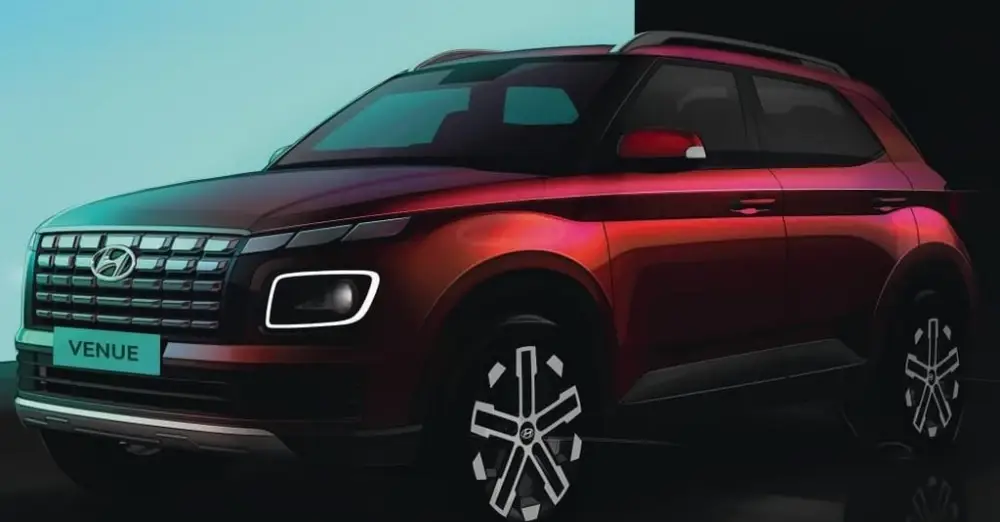
Hyundai Venue (Next‑Gen)
- Estimated Price: ~ ₹8.19 – 13.20 lakh (ex-showroom) for the next-gen Venue in India.
- Expected Launch: January 2026 (though earlier teasers suggest late-2025)
- Key Features: Larger size, refreshed design with Creta-inspired cues, improved interior materials, ADAS suite, better connectivity.
- Why it matters: The Venue has been one of Hyundai’s strongest sellers; the next-gen model will test whether buyers perceive meaningful upgrade value.
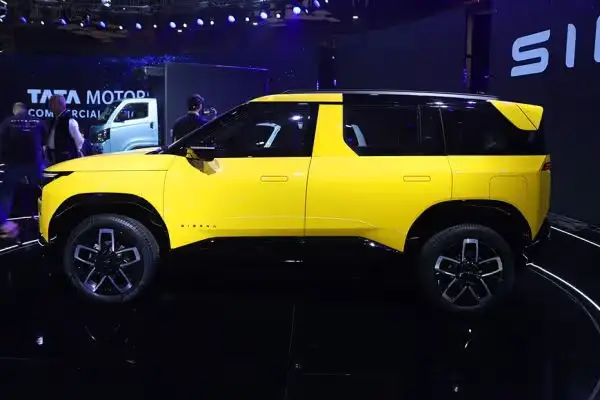
Tata Sierra EV
- Estimated Price: ~ ₹20 – 25 lakh (ex-showroom) for EV variant.
- Expected Launch: Late 2025 or early 2026.
- Key Features: Dedicated EV architecture (acti.ev Plus platform), all-wheel or quasi-4WD variant, premium features such as panoramic roof, connected-car tech, long EV range.
- Significance: Moves Tata into the “premium mainstream EV” space in India, pushing the boundaries of value EV for Indian buyers.

Kia Seltos (Second‑Gen)
- Estimated Price: ~ ₹16 – 22 lakh (tentative) for the new Seltos.
- Expected Launch: Early 2026, maybe April.
- Key Features: Larger dimensions (+100mm), new design (Opposites United language), panoramic dual-screen display, hybrid/plug-in options (rumoured).
- Why important: Seltos has been a category-definer in compact SUV; its update will influence many competitor strategies.
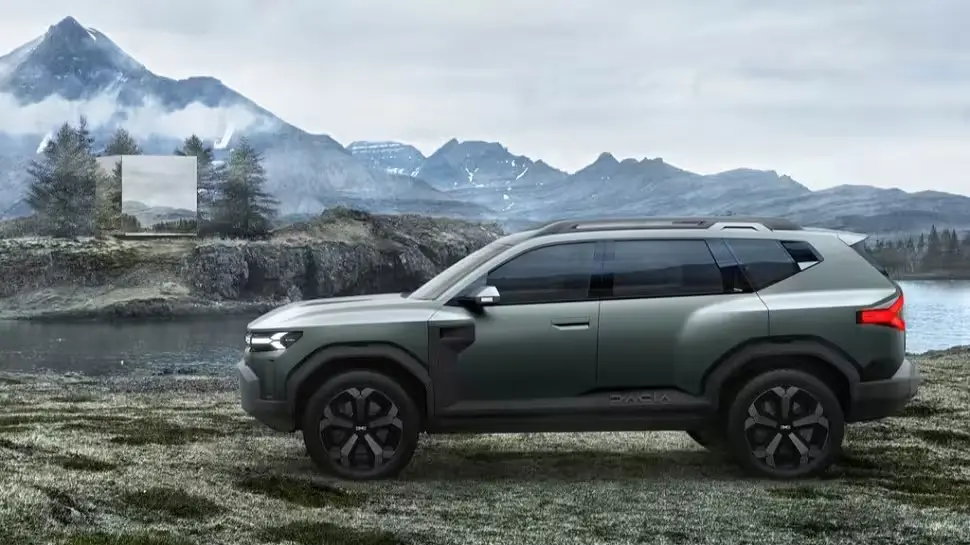
Renault Duster (Next‑Gen)
- Estimated Price: ~ ₹12 – 20 lakh (ex-showroom) depending on variant.
- Expected Launch: March 2026 (tentative)
- Features: New platform, modern interior, options for both petrol/EV/hybrid versions in some markets (India slightly later).
- Why it matters: Plays into value-SUV segment which remains large in India; its update will test how much modernisation can be squeezed at budget pricing.

Mahindra XUV700 Facelift
- Estimated Price: ~ ₹15 – 26 lakh (ex-showroom) according to early indicators.
- Expected Launch: January 2026 for India.
- Features: Updated styling, interior refresh, improved ADAS, possibly mild-hybrid/petrol upgrades.
- Significance: Keeps Mahindra’s flagship SUV fresh and competitive against global imports.
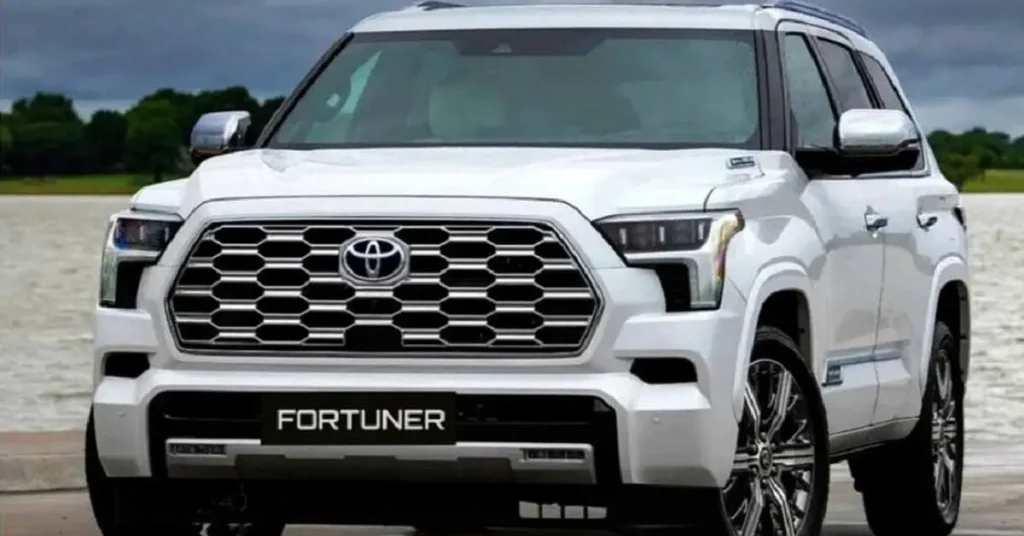
Toyota Fortuner (Next‑Gen)
- Estimated Price: ~ ₹40 – 50 lakh (ex-showroom) rumoured.
- Expected Launch: 2026 (exact date to be confirmed).
- Features: Global design update, advanced infotainment & ADAS, hybrid/petrol/diesel options likely retained.
- Why it matters: The Fortuner remains aspirational; its update will influence high-end SUV dynamics and import competition.
What Makes These Models Stand Out (and What to Check)
When you see “Upcoming Cars in India”, it’s easy to be excited, but smart buyers and observers focus on what really changes versus what stays the same. Here are practical tips:
- Powertrain Options: A new model is compelling if it offers fresh options (strong hybrid/EV) rather than just cosmetic changes.
- Feature Bump: ADAS, connected car tech, OTA updates are becoming differentiators. A model without them may feel dated fast.
- Size/Space Improvements: Indian buyers care about space; modest increases in wheelbase or cabin comfort matter.
- Value Drift: Check whether the new model offers significant improvement or just incremental change, especially with price rises.
- After-Sales/Support: Especially for EVs or newer variants, a strong service network matters.
- Realistic Pricing: Estimates are just that—watch whether ex-showroom price aligns with your budget, consider on-road costs, RBI demands, etc.
Real-Life Problems for Buyers & How to Navigate Them
Problem: Information Overload & Hype
With so many upcoming models, it’s easy to get overwhelmed and uncertain about which to target.
Solution:
- Create a shortlist of 2-3 models that meet your criteria (budget, features, usage).
- Monitor their official launch dates and booking details rather than relying solely on speculation.
- Wait for test drives and early reviews before committing, especially if you’re buying a brand’s first EV or new platform.
Problem: Feature Obsolescence & Resale Risks
If a model offers minimal change, you may pay a premium but still get “old tech”. Resale value suffers.
Solution:
- Prioritise models with proven platforms or strong network support.
- Consider how long you will hold the car—if 7-10 years, ensuring future-proof tech is worthwhile.
- Keep an eye on resale trends for previous brands/models to anticipate future value.
Problem: Budgeting for Hidden Costs
Launch prices exclude many costs: insurance, GST, variant upgrades, accessories, charging infrastructure (if EV) etc.
Solution:
- Add ~10-15% buffer above the estimated ex-showroom price for total cost.
- For EVs, check charging availability near home and service availability.
- Check variant-by-variant: sometimes base variant is affordable but the desired variant jumps disproportionately in cost.
How to Choose Among the Upcoming Cars in India
Here’s a quick decision-frame you can use:
| Criterion | Ask Yourself |
|---|---|
| Budget | Does the model fall within my realistic budget after on-road costs? |
| Usage | Will I use it mostly city, highway, family or solo drive? |
| Fuel/Powertrain | Petrol/Hybrid/EV: what fits my usage and service network? |
| Features | What are must-have features vs nice-to-have? |
| Resale/Network | How strong is the brand’s service network and resale potential? |
| Launch Timing | Can I wait for the 2026 launch or do I need something now? |
Using this frame helps you evaluate multiple “upcoming cars in India” rather than being swayed by marketing alone.
What to Take Away
The landscape of Upcoming Cars in India for 2026 is rich with potential—exciting models, fresh designs and modern tech are set to hit the roads. But it’s equally unpredictable: pricing, feature rollout, delivery timelines and buyer sentiment all carry risk.
Here are the key take-aways:
- The models listed (Venue next-gen, Sierra EV, Seltos Gen2, Duster next, XUV700 facelift, Fortuner next) are strong candidates—but each must be evaluated on its actual delivery, price and variant.
- Be realistic: new features are valuable, but budget, after-sales and real-world usability matter just as much.
- Don’t let hype override good judgment. Use the decision-frame above to align your purchase with your needs and constraints.
- Share this article with others who are car-hunting, comment with your favourite upcoming model and keep an eye on launch updates.
FAQs: Upcoming Cars in India
1. Why is there such a rush for Upcoming Cars in India 2026?
Because brands are seizing the trans-formation moment: EV/hybrid mandates, feature upgrades, budget shifts and competition from new entrants mean that 2026 is a pivotal year for many.
2. Should I wait for 2026 launches or buy now?
It depends. If you need a car soon and existing models meet your needs, you might buy now. If you can wait and want newer tech/features and potentially better value, waiting for a 2026 launch might pay off.
3. How reliable are the estimated prices for upcoming cars?
They’re indicative and can change based on input costs, currency fluctuations, policy/tax changes and variant mix. Use them as a guide, not a guarantee.
4. Are EVs becoming mainstream in India?
Yes, EVs and strong hybrids are transitioning from niche to more mainstream, especially in mid-premium segments. Many upcoming models reflect that shift.
5. What should I watch out for when booking an upcoming car?
Check booking terms, delivery timelines, variant availability, potential increase in price before launch, and whether promising features make it into your preferred variant.
6. Will waiting for an upcoming car automatically give me better value?
Not always. Sometimes the “new” version comes at a premium, or the improvements may be smaller than expected. Evaluate how much value you actually gain.
7. How to assess resale value of an upcoming model?
Look at the brand’s past models, how quickly they depreciated, service network reach, parts cost, and how many new features the upcoming model brings.
If you found this deep dive helpful, please share it with friends or colleagues actively looking at 2026 car plans. Drop your questions below—let’s keep the conversation going together as we track these launches.

