
More
    Home Blog Page 35

    Chaos in Nepal: PM Oli Resigned Despite Social Media Ban Being Lifted

    0

    PM Oli Resigned: Nepal Faces Major Political Crisis

    Nepal is currently experiencing a major political crisis. Prime Minister K.P. Sharma Oli has resigned after widespread protests led primarily by young people, especially Generation Z. The unrest began following a controversial social media ban and allegations of government corruption. This article explores the events that led to PM Oli’s resignation, the role of social media in mobilizing protests, the historical and political context, and the potential implications for Nepal’s future.


    The Spark: Social Media Ban and Youth Outrage

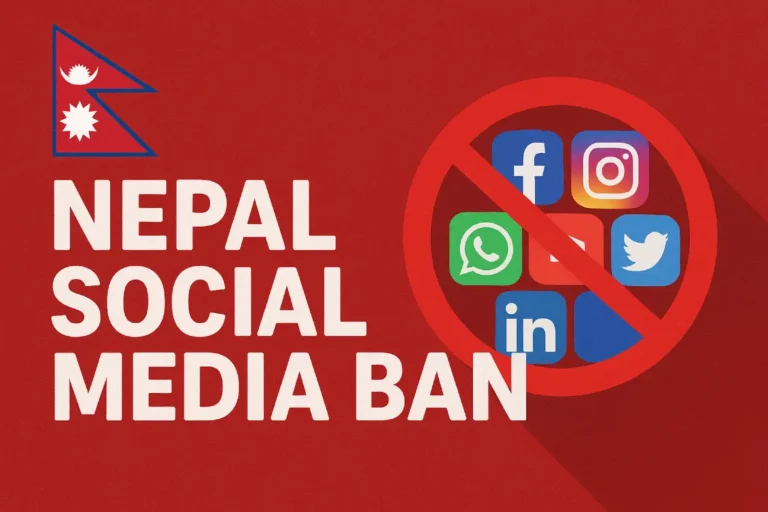
    On September 4, 2025, the Nepalese government banned 26 social media platforms, including Facebook, YouTube, and X (formerly Twitter). Officials claimed the move aimed to curb fake news and online fraud through new registration regulations. Many citizens, however, saw it as an attempt to restrict free speech.

    The ban quickly ignited mass unrest. Nepal’s youth, particularly Generation Z, rely heavily on social media for communication, news, and civic engagement. The sudden restriction amplified frustrations over political stagnation and corruption, sparking widespread anger.

    Known as the “Gen Z protests,” the demonstrations moved swiftly from online dissent to physical street confrontations. Protesters accused the government of censorship and demanded the restoration of their digital rights. Social media itself became a critical tool for organizing protests, sharing updates in real time, and drawing international attention.


    Escalation: From Protests to Bloodshed

    Tensions escalated dramatically on September 8 when clashes erupted between protesters and security forces in Kathmandu. Police used tear gas and rubber bullets, resulting in at least 19 deaths and over 100 injuries. The violence shocked the nation and drew condemnation from international human rights organizations.

    The severity of the unrest forced the government to lift the social media ban on September 9 during an emergency cabinet meeting. Despite this move, public outrage persisted. Protesters demanded accountability for the deaths and called for an end to systemic corruption.

    The unrest quickly spread beyond Kathmandu. Demonstrators targeted the homes of political figures, including Prime Minister Oli and Communication Minister Prithvi Subba Gurung. The protests highlighted the depth of frustration among Nepal’s youth, who feel disconnected from traditional political processes.


    PM Oli Resigned Amid Mounting Pressure

    Under immense pressure from the public and growing demands for accountability, PM Oli resigned on September 9. His aide confirmed that the resignation was intended to help resolve the ongoing crisis. Reports suggest that Army Chief General Ashok Raj Sigdel advised him to step down, recognizing the protests’ potential to escalate further.

    Oli’s resignation marks a major turning point in Nepalese politics. His departure leaves the country at a crossroads, facing significant political uncertainty. Calls for new elections and systemic reforms have increased, emphasizing the urgent need for governance changes.


    Historical Context: Political Turbulence in Nepal

    Nepal has a long history of political instability. Since becoming a federal democratic republic in 2008, the country has experienced frequent government changes. Prime Ministers often face pressure from political rivals and public unrest, making sustained leadership difficult.

    PM Oli’s resignation fits into this broader context, reflecting both the fragility of Nepal’s political system and the increasing power of public opinion, particularly from younger generations. Past governments have struggled with corruption, weak institutions, and limited economic opportunities, factors that contributed to the intensity of the recent protests.


    The Role of Gen Z: A New Era of Activism

    A defining feature of these protests is the leadership role of Generation Z. Born between the late 1990s and early 2010s, Gen Z in Nepal is tech-savvy, politically aware, and deeply connected through social media. They have used digital platforms to challenge traditional power structures and hold leaders accountable.

    Unlike previous generations, Gen Z relies on digital tools to organize, document, and amplify their messages. The social media ban not only restricted their communication but became a symbol of broader government control. This generational activism has set a precedent for how youth movements can influence national politics in Nepal.


    Government Response and Accountability

    Initially, the Nepalese government attempted to suppress the protests using police force, but this strategy failed to quell public anger. Following violent clashes, the government lifted the social media ban and pledged to investigate the unrest.

    Home Minister Ramesh Lekhak resigned, taking moral responsibility for the deaths of protesters. The resignations of both PM Oli and the Home Minister underline the seriousness of the political crisis and the urgent need for reforms.


    Implications for Nepal’s Political Future

    The resignation of PM Oli represents both a crisis and an opportunity for Nepal. Politically, the country is in a transitional phase. Fresh elections could usher in a new leadership capable of addressing corruption, political stagnation, and economic challenges.

    Yet, instability may continue if systemic reforms are not implemented. The protests have revealed deep dissatisfaction among young citizens, which could fuel future unrest unless the government takes meaningful steps to engage with the population and reform governance structures.

    Internationally, Nepal’s neighbors, India and China, are closely monitoring the situation. How the country navigates this transitional period will affect regional diplomacy, trade, and foreign relations.


    Social Media and Political Engagement

    The events leading to PM Oli’s resignation underscore the importance of social media in modern political activism. Platforms such as Facebook, YouTube, and X played a pivotal role in mobilizing protests, disseminating real-time information, and garnering global attention.

    Governments worldwide face challenges when regulating social media without infringing on free speech. Nepal’s crisis illustrates how digital platforms are deeply intertwined with political accountability and civic participation. Future regulations must balance security concerns with citizens’ rights to freely express themselves online.


    Looking Ahead: What Comes Next

    Nepal now stands at a critical juncture. Forming an independent investigative panel to examine the protests, assess government actions, and propose preventive measures will be essential. The findings could reshape Nepalese politics, strengthen democratic institutions, and ensure accountability.

    Rebuilding trust in governance, creating economic opportunities, and actively involving young citizens in decision-making will determine the nation’s stability in the years ahead.

    Nepal’s recent political crisis highlights the rising influence of youth activism and social media in shaping national politics. PM Oli resigned under immense pressure, exposing both the vulnerability of Nepal’s political system and the determination of young citizens to demand accountability.

    As Nepal navigates this uncertain period, there is hope that the nation will emerge stronger, committed to justice, transparency, and democratic governance. The resignation of PM Oli marks the end of one chapter and the beginning of another—one where citizens, particularly the youth, are asserting their voices and shaping the country’s future.


    FAQs About PM Oli’s Resignation

    1. Why did PM Oli resign?
    PM Oli resigned following violent protests triggered by the social media ban and corruption allegations. At least 19 people died during clashes, compelling him to step down.

    2. What triggered the Gen Z protests?
    The protests started after the government banned 26 social media platforms for failing to register under new regulations. The move was perceived as a violation of free speech and a reflection of broader governmental negligence.

    3. How did the government respond?
    The government lifted the social media ban, launched an investigation into the unrest, and accepted Home Minister Ramesh Lekhak’s resignation.

    4. What are the demands of the protesters?
    Protesters demand justice for victims, accountability for corrupt officials, and significant governance reforms.

    5. What is the current situation in Nepal?
    The situation remains tense, with ongoing protests and calls for new elections. PM Oli’s resignation has not fully appeased public anger, and the country faces challenges in rebuilding trust in its institutions.

    6. How has Gen Z influenced the protests?
    Gen Z leveraged social media to organize, communicate, and amplify their message, demonstrating the transformative power of youth activism in national politics.

    7. What are the international implications of Nepal’s crisis?
    Nepal’s neighbors, India and China, are closely monitoring developments. The resolution of this political turmoil will impact regional relations, trade, and diplomacy.
    Massive Earthquake Off Oregon Coast: What Happened, What It Means, and Why It Matters

    0

    Massive Earthquake Off Oregon Coast: A Deep-Dive Explainer

    1. The Earth Shook: A Breaking Event

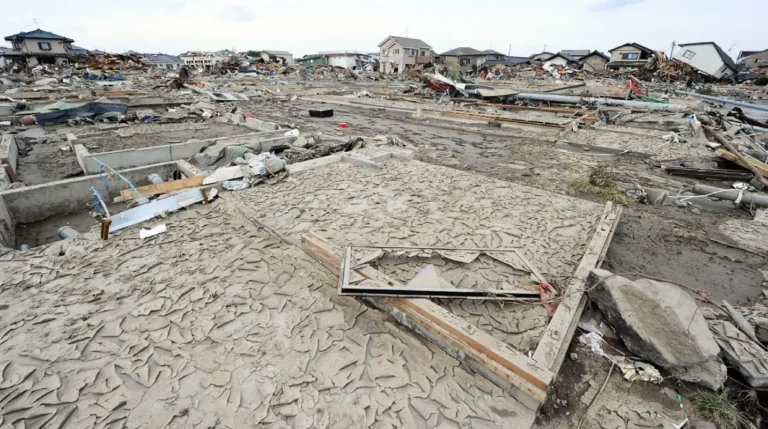
    Late Monday night, a magnitude 5.8 massive earthquake struck off the southern Oregon coast, near the Oregon–California border, at approximately 9:08 p.m. local time. The U.S. Geological Survey (USGS) located the epicenter about 102 miles east of Port Orford, at a depth of roughly 8.5 miles beneath the seafloor.

    Minutes later, a 4.4 aftershock rattled the same area. Both quakes were felt across southern Oregon and northern California, with reports as far as Coos Bay and Eureka. Fortunately, authorities quickly confirmed that no tsunami threat existed due to the quake’s offshore position.

    Early Tuesday, yet another tremor—a magnitude 4.9—added to the seismic activity, reminding residents that earthquakes often arrive in clusters rather than single events.


    2. What This Massive Earthquake Off Oregon Coast Reveals

    Magnitude and Risks

    A 5.8 offshore quake typically produces moderate shaking along nearby coastlines. While unsettling, this level of activity rarely causes severe damage inland. USGS data indicated no expected fatalities, and the U.S. Tsunami Warning Center reassured the public that there was no risk of a tsunami.

    Aftershock Potential

    Seismologists warned of further tremors in the coming days. According to USGS projections:

    • There’s a 78% chance of at least one aftershock above magnitude 3.0.
    • There’s a 34% chance of an aftershock above magnitude 4.0.

    Even if smaller, these aftershocks can be disruptive and a source of anxiety for residents.

    Frequent Fault, Common Tremors

    This part of Oregon’s coast is no stranger to seismic activity. In fact, earthquake monitoring shows that five to seven quakes in the 4–5 magnitude range occurred here in the past week alone. Monday night’s event was simply the strongest in that series.


    3. Why It Matters: The Cascadia Connection

    The quake struck near the Cascadia Subduction Zone (CSZ)—a 600-mile fault stretching from Northern California to British Columbia. This fault is capable of producing one of the most devastating earthquakes on Earth.

    • The last full rupture occurred in 1700, estimated at magnitude 9.0, and triggered a massive tsunami that struck Japan.
    • Scientists estimate a 15–29% chance of another 8.0+ earthquake along the CSZ by the year 2100.

    The risks extend beyond shaking ‘coz of Massive Earthquake Off Oregon Coast. A CSZ megaquake could cause land subsidence up to six feet, reshaping the Oregon coast, swallowing infrastructure, and drastically expanding flood zones from Humboldt Bay to Grays Harbor.

    When combined with rising sea levels, such land sinking could render coastal communities permanently uninhabitable.


    4. A Look Back: Earthquake History in Oregon

    Massive Earthquake Off Oregon Coast history shows that damaging quakes, though infrequent, are part of life in the region.

    • 1993 Scotts Mills Earthquake (M5.6): Dubbed the “Spring Break Quake,” it injured six and caused $28 million in damage across the Willamette Valley and Portland.
    • 1936 State Line Earthquake (M5.8): Centered near Milton-Freewater, this tremor was felt widely across the Pacific Northwest, from Oregon to Idaho.

    These reminders underscore that Oregon’s vulnerabilities are not limited to its coastline.


    5. Science and Preparedness: What Experts Say about Massive Earthquake Off Oregon Coast

    The Cascadia Region Earthquake Science Center (CRESCENT) at the University of Oregon is at the forefront of studying seismic risk. Their research stresses two key points:

    1. Earthquakes and climate change are linked threats. Rising sea levels will make earthquake-driven subsidence and flooding far worse than in past centuries.
    2. Preparedness matters. Stronger building codes, resilient infrastructure, and coastal evacuation planning can dramatically reduce loss of life when—not if—the “Big One” strikes.

    6. Community Impact and Resilience of Massive Earthquake Off Oregon Coast

    For now, there are no confirmed injuries or property damage reports. Oregon’s building standards and the offshore epicenter spared communities from the worst.

    Still, coastal residents are being advised to:

    • Stay alert for aftershocks.
    • Review evacuation routes in case of future emergencies.
    • Keep emergency kits and family plans ready.

    Local governments and emergency agencies are conducting assessments to ensure infrastructure remains secure and to calm public concerns.


    7. What Comes Next post Massive Earthquake Off Oregon Coast

    Right now: Minor aftershocks and increased seismic monitoring.
    This week: Public safety updates and risk communication from local officials.
    Long term: Renewed focus on earthquake preparedness, especially in coastal communities directly exposed to Cascadia Subduction Zone risks.

    More from Blogs: Nepal Social Media Ban


    Massive Earthquake Off Oregon Coast Aftermaths

    Monday night’s quake was a wake-up call, not a catastrophe. Oregon escaped serious damage this time, but the region’s seismic vulnerability is real.

    Preparedness isn’t optional—it’s survival. Strengthening infrastructure, investing in scientific research, and building community resilience must remain top priorities.

    Oregon sits on shifting ground, and while we can’t predict the exact moment of the “Big One,” we can control how ready we are when it strikes.


    FAQs: Breaking Down Today’s Massive Earthquake Off Oregon Coast

    Q1. What was the magnitude of today’s earthquake?
    It measured 5.8, followed by a 4.4 aftershock and another 4.9 tremor early Tuesday.

    Q2. Was there a tsunami warning?
    No. Officials confirmed no tsunami threat because of the quake’s size and offshore location.

    Q3. Are aftershocks expected?
    Yes. USGS predicts a 78% chance of a quake above 3.0 and a 34% chance of one above 4.0 within a week.

    Q4. Is this quake connected to the Cascadia Subduction Zone?
    Not directly, but it is a reminder that the CSZ is active and remains the Pacific Northwest’s greatest long-term seismic threat.

    Q5. How does this compare to earlier quakes in Oregon?
    It’s similar in strength to the 1993 Scotts Mills quake (M5.6) and the 1936 State Line quake (M5.8), both of which caused localized damage.

    Q6. What are the future risks for coastal Oregon?
    Experts warn that a Cascadia megaquake could cause severe shaking, tsunamis, and land subsidence that—combined with rising seas—might make some areas unlivable.

    Massive Earthquake Off Oregon Coast


    iOS 26: Everything you need to know about “Liquid Glass” Revolution, AI Power, and What’s Ahead

    0

    With iOS 26, Apple leans fully into its year-based naming system. Announced at WWDC on June 9, 2025, this release delivers the most dramatic visual overhaul since iOS 7, driven by its bold new Liquid Glass design. But it isn’t just about looks. iOS 26 layers in smarter automation, deeper Apple Intelligence, improved apps, and accessibility features that reshape the way iPhones feel and function.

    Let’s break down what’s new, who gets it, and why it matters.


    Visual Overhaul: Liquid Glass

    Apple introduces Liquid Glass, a design language inspired by visionOS. It’s dynamic, translucent, and reacts to your movement. You’ll notice it across:

    • Lock and Home screens with layered effects and 3D wallpapers that shift as you move.
    • App icons that blend into backgrounds, switching between tinted and transparent states.
    • Floating controls where buttons and toolbars morph with context, making touch navigation more intuitive.
    • Lock screen clock that shifts automatically to balance wallpaper and notifications.

    The result is a system that feels more alive—sleek but playful, familiar but refreshed.


    Apple Intelligence: Subtle but Powerful

    Rather than flashy gimmicks, Apple’s AI aims to be invisible but effective. Notable additions include:

    • Visual Intelligence to understand what’s on your screen, letting you highlight text or screenshots and instantly turn them into events, notes, or answers.
    • Live Translations across calls, Messages, and FaceTime for seamless multilingual communication.
    • Creative tools like Genmoji, Image Playground, and ChatGPT-powered shortcuts for more expressive interactions.

    It’s privacy-conscious AI that enhances daily use without overwhelming it.


    Smarter Communication: Calls and Messages

    Apple has reworked how iPhones handle everyday conversations:

    • Phone app: Adds AI-powered call screening, “Hold Assist” to handle wait times, and a redesigned unified history. Some users dislike how voicemails and missed calls are tucked into “More,” creating clutter.
    • Messages: Gains scheduled sending, richer tapbacks, and better control over notifications.

    Convenient, though not without quirks.


    Updates Across Apps and System

    iOS 26 refreshes multiple built-in experiences:

    • Photos gets a simplified layout and smarter memory resurfacing.
    • Siri improves at contextual conversation, finally feeling more natural.
    • Apple Games debuts as a dedicated hub, while Maps, CarPlay, Wallet, and Music all sport updated designs.
    • Adaptive Power Mode adjusts brightness and background activity on the fly, extending battery life without forcing Low Power Mode.
    • Battery insights now show time-to-full-charge, usage breakdowns, and clearer visuals.

    These tweaks add polish across the ecosystem.


    Compatibility: Who Can Upgrade

    Support extends to iPhone 11 and newer, including SE (2nd gen) and above.

    • Dropped: iPhone XS, XS Max, and XR.
    • Hardware limits: Apple Intelligence is restricted to iPhone 15 Pro and newer due to on-device AI processing needs.

    Release Timeline

    Apple announced iOS 26 at its September 9, 2025 keynote. Public rollout begins mid-September, with staged activation expected around September 15 or 16.


    Wins and Challenges

    Wins

    • Liquid Glass makes iOS feel alive again.
    • Apple Intelligence feels practical and polished.
    • Subtle quality-of-life features improve accessibility and power management.

    Challenges

    • The Phone app redesign hides useful info behind cluttered menus.
    • Some users argue the visual update feels evolutionary, not revolutionary.
    • AI features are locked to newer devices, leaving older iPhones behind.

    The Bottom Line

    iOS 26 is more than a facelift—it’s Apple finding a balance between design ambition and everyday usability. If you’re on an iPhone 11 or newer, it’s a worthy upgrade that makes your device feel fresh without forcing you to relearn everything. For iPhone 15 Pro users, Apple Intelligence is the real prize, unlocking features that blend AI seamlessly into your daily flow.

    For most, it’s a thoughtful update that sets the stage for Apple’s future vision of the iPhone.


    FAQs About iOS 26

    Q1. What is the biggest change in iOS 26?
    The standout feature is Liquid Glass, a translucent design system that adds depth, layering, and movement across the interface.

    Q2. Which iPhones support iOS 26?
    iPhone 11 and newer, including SE (2nd gen). The XS, XS Max, and XR are not supported.

    Q3. What AI features are included?
    Apple Intelligence brings Visual Intelligence, live translations, smarter Siri, Genmoji, Image Playground, and AI-powered call tools. Some require iPhone 15 Pro or later.

    Q4. When is iOS 26 available?
    Announced September 9, 2025, rolling out mid-September, likely around the 15th.

    Q5. What’s new in the Phone app?
    Call screening, Hold Assist, and a unified call history. Some users dislike the clutter from the new layout.

    Q6. How does iOS 26 affect battery life?
    Adaptive Power Mode dynamically reduces energy use without affecting usability, alongside improved battery insights.

    Q7. Is it worth upgrading?
    Yes—if you’re on iPhone 11 or newer. The design feels modern, AI features are genuinely useful, and system tweaks improve the experience.

    Rockies vs Dodgers: A Deep Dive into a National League West Rivalry

    0

    Rockies vs Dodgers

    For Denver fans, every series against LA feels like a battle against one of the wealthiest and most accomplished franchises in baseball. For Dodgers fans, facing the Rockies might feel like a comfortable matchup, yet history proves that Denver has spoiled LA’s plans more than once.

    This rivalry highlights striking contrasts: a young expansion team against a century-old powerhouse, Coors Field’s hitter-friendly altitude against Dodger Stadium’s pitcher-friendly design, and a mid-market franchise challenging a global sports giant.

    Let’s break down how this rivalry began, how it evolved, and why it still matters today.


    The Origins of the Rivalry of Rockies vs Dodgers

    The Rockies entered Major League Baseball in 1993, joining a division that already included the Dodgers, Giants, and Padres. By then, LA had decades of history, championships, and legends behind them.

    Colorado, by contrast, was brand new. They didn’t even have a permanent ballpark, starting out at Mile High Stadium. But they had altitude, and altitude changes everything.

    Dodgers pitchers quickly discovered that Denver was no ordinary stop on the schedule. Balls flew farther, breaking pitches flattened, and Coors Field became a wildcard in every matchup.


    Dodgers: The Established Powerhouse

    The Dodgers had already built their reputation as one of baseball’s flagship franchises. With roots dating back to Brooklyn in the late 19th century, six World Series titles by the early 1990s, and legends like Jackie Robinson and Sandy Koufax defining their history, LA set the bar for excellence.

    Dodger Stadium, the largest in MLB, packed in loyal fans year after year. Beyond the payroll advantage, LA invested heavily in scouting and player development, making them perennial contenders. For Colorado, beating the Dodgers wasn’t just about wins—it was about measuring up to greatness.


    Rockies: Building an Identity from Scratch

    The Rockies needed stars to capture fans’ imaginations. Andrés Galarraga brought early excitement, and Larry Walker, a future Hall of Famer, soon became the team’s face with his mix of power, speed, and defense.

    Then came Todd Helton, the franchise cornerstone who stayed loyal for his entire career. The pinnacle of Colorado baseball arrived in 2007, when the Rockies shocked the league with their “Rocktober” surge to the World Series.

    But even in their brightest moments, the shadow of LA loomed large. The Dodgers’ consistency meant Colorado’s rise often felt like a brief interruption in the established order.


    Head-to-Head Battles: Who’s on Top?

    By 2025, the Dodgers maintain a commanding lead in all-time wins against Colorado. The record reflects LA’s ability to remain steady while the Rockies struggled with pitching, payroll, and retaining talent.

    But numbers only tell part of the story. Rockies fans point to moments that live forever—walk-off wins in Denver, unexpected late-season sweeps, and the unforgettable 2018 NL West tiebreaker at Dodger Stadium.

    For LA, winning is expected. For Colorado, every victory against the Dodgers feels like a statement.


    Iconic Games & Memorable Moments

    • 2007 Rockies Surge – Their magical playoff run put Denver on the baseball map.
    • 2018 NL West Tiebreaker – After 162 games, the teams were tied. LA claimed the division in Game 163, but Colorado advanced as a Wild Card.
    • Coors Field Slugfests – High-scoring, chaotic games have become a hallmark of this rivalry.
    • Walk-Off Thrillers – Coors Field has hosted dramatic walk-offs against LA that Rockies fans still cherish.

    These moments fuel the rivalry, giving underdog fans reason to believe and reminding LA that no series in Denver is ever simple.


    Stars Who Defined the Rivalry

    Rockies Legends

    • Todd Helton – A batting champion and the heart of the franchise.
    • Larry Walker – A Hall of Famer who could do it all.
    • Nolan Arenado – A defensive wizard at third base.
    • Charlie Blackmon – A fan favorite who thrived against Dodgers pitching.

    Dodgers Legends

    • Clayton Kershaw – The ace who often silenced Colorado bats.
    • Matt Kemp – A Rockies nemesis during his peak years.
    • Mookie Betts & Freddie Freeman – The modern anchors of LA’s success.
    • Cody Bellinger – His MVP-level seasons included standout performances against Colorado.

    The stars shaped the tone of the rivalry: Rockies hitters taking advantage of altitude, Dodgers aces restoring order at Chavez Ravine.


    Stadium Battles: Coors Field vs Dodger Stadium

    Coors Field (Denver)

    • Opened: 1995
    • Known for: Altitude-driven offense, high-scoring games
    • Impact: Dodgers pitchers often dread it, Rockies hitters thrive

    Dodger Stadium (Los Angeles)

    • Opened: 1962
    • Known for: Pitcher-friendly dimensions, record-setting attendance
    • Impact: Games often become tight, low-scoring battles

    The two stadiums couldn’t be more different, giving this rivalry a unique home-and-away dynamic.


    Fan Bases & Culture Clash

    Dodgers fans are vast, loyal, and stretch far beyond Los Angeles. With deep history and Hollywood appeal, their culture is both glamorous and gritty.

    Rockies fans, though often underestimated, pack Coors Field consistently, even in down years. For Denver, beating LA is about more than standings—it’s about pride.

    For Dodgers fans, losing to Colorado stings because it feels like a stumble against an underdog. That tension adds fuel to every series.


    The 2020s: Where Things Stand

    • Dodgers: Won the 2020 World Series and remain one of baseball’s elite, powered by Betts, Freeman, and Kershaw.
    • Rockies: In rebuilding mode after trading Nolan Arenado in 2021, yet still capable of stunning LA in key series.

    The gap between the two franchises is clear, but unpredictability at Coors Field ensures that no matchup is routine.


    Why the Rivalry Still Matters

    Yes, the Dodgers dominate. Yes, the Rockies rebuild. That cycle repeats.

    But rivalries aren’t defined solely by standings. They’re built on history, geography, and the emotional stakes of the games.

    For Colorado, wins over LA are proof they belong in the fight. For LA, every loss in Denver feels like giving ground to an underdog. That dynamic keeps the rivalry alive.


    The Future of Rockies vs Dodgers

    Two questions will shape the rivalry going forward:

    1. Can the Rockies rebuild successfully? If their young talent develops, the rivalry could become central to NL West playoff races again.
    2. Will the Dodgers’ dominance continue? With financial muscle and a strong farm system, LA looks set to remain a powerhouse.

    The challenge is whether Colorado can elevate itself enough to make Rockies vs Dodgers more than just a one-sided story.

    More from Blogs: Davey Johnson


    The Dodgers and Rockies embody contrasts: dynasty versus expansion team, big market versus mid-market, pitcher’s park versus hitter’s haven.

    It may never match the historic Dodgers–Giants feud, but for Rockies fans, this is the rivalry that matters most. For Dodgers fans, it’s a reminder that even the strongest team has to earn every win, especially in the thin air of Denver. Baseball thrives on rivalries, and this one—though uneven—still delivers pride, drama, and unforgettable moments.


    FAQs About Rockies vs Dodgers

    Q1. Why is the Rockies vs Dodgers rivalry important in MLB?
    It highlights an expansion team facing off against a historic dynasty in the NL West, resulting in thrilling games and playoff implications.

    Q2. What is the Rockies’ all-time record against the Dodgers?
    The Dodgers hold a significant lead in the all-time series, though the Rockies have pulled off memorable upsets.

    Q3. What was the most iconic Rockies vs Dodgers game?
    The 2018 NL West tiebreaker (Game 163) at Dodger Stadium, which LA won to secure the division, stands as the defining matchup.

    Q4. Why is Coors Field such a challenge for the Dodgers?
    Denver’s altitude makes Coors a hitter’s paradise, where balls travel farther and visiting pitchers often struggle.

    Q5. Who are the biggest stars in the Rockies vs Dodgers rivalry?
    For the Rockies: Todd Helton, Larry Walker, Nolan Arenado, Charlie Blackmon. For the Dodgers: Clayton Kershaw, Mookie Betts, Freddie Freeman, Matt Kemp.

    Q6. Do Rockies vs Dodgers games affect playoff chances?
    Yes. Both teams are NL West rivals, so their head-to-head record frequently impacts division standings and Wild Card races.

    Q7. Will the rivalry intensify in the future?
    If Colorado rebuilds successfully and narrows the gap with LA, the rivalry could evolve into one of the division’s most competitive matchups.

    Nonx levii net worth: Rising Star of Indian Esports

    0

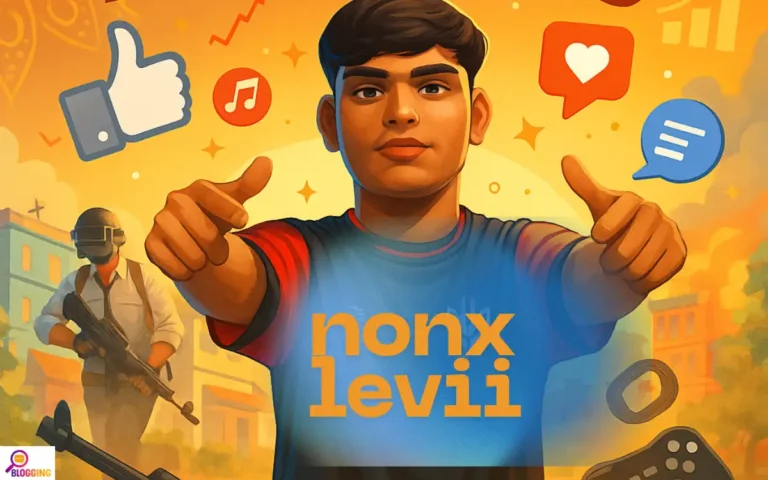
    The Indian esports scene has witnessed rapid growth over the last few years, and with it, a new generation of talented players has emerged. Among them, NoNx Levii has started carving his own path, capturing the attention of fans and industry watchers alike. His breakthrough moment came during the Battlegrounds Mobile Pro Series (BMPS) 2025, where his performance not only demonstrated his skills but also marked him as one of the brightest rising stars in the competitive gaming ecosystem.

    Nonx levii net worth:The Future Icon of Indian Esports

    Levii’s crowning achievement at BMPS was securing the Most Valuable Player (MVP) title during the Grand Finals. Along with recognition and praise, this performance earned him a cash prize of ₹300,000, a significant figure for any aspiring esports athlete. While the number is impressive in its own right, it represents far more than just financial gain. It is a signal of his trajectory—proof that Levii is poised to grow even further in an industry where opportunities are multiplying at a rapid pace.

    However, when it comes to estimating Levii’s actual net worth, things become more complicated. Unlike mainstream sports such as cricket or football, esports financials are not always transparent. A player’s income is typically drawn from multiple sources: tournament winnings, team salaries, brand partnerships, streaming revenues, and sometimes merchandise or content collaborations. At this stage, only Levii’s tournament earnings are publicly visible, which means any claims about his overall wealth remain speculative.

    Nonx levii net worth:If we break it down, here’s what we do know:

    • Tournament Success: The BMPS MVP award alone added ₹300,000 to his record. With future competitions lined up, this figure is likely to increase significantly.
    • Team Contracts: Professional teams often provide monthly salaries and bonuses. While details about Levii’s contract remain undisclosed, it is safe to assume that he receives financial support for representing his team at tournaments.
    • Streaming and Branding Potential: As Indian esports continues to expand, many players turn to streaming platforms like YouTube or Twitch to engage with fans and supplement their income. Should Levii pursue this path, it could open the door to sponsorship deals and additional revenue.

    What makes Levii’s rise especially exciting is the timing. Esports in India is no longer a niche pursuit—it is evolving into a mainstream industry. Big brands, advertisers, and investors are showing greater interest than ever before, creating a supportive environment for professional players to thrive. For Levii, this means that his current success is just the beginning. With the right mix of consistency, performance, and marketability, his financial standing could multiply in the coming years.

    In conclusion, NoNx Levii is not just a promising gamer—he symbolizes the new wave of Indian esports talent. His ₹300,000 prize from BMPS 2025 is proof of his potential, but his overall net worth remains uncertain due to a lack of public data. What is certain, however, is his upward trajectory. Fans, sponsors, and the wider gaming community will be watching closely as Levii continues his journey, one tournament at a time.

    Nonx levii net worth:India’s Esports Prodigy in the Making

    At first glance, discussing the net worth of NoNx Levii might feel like trying to capture lightning in a bottle—but that doesn’t stop the curiosity. As the recent MVP of Battlegrounds Mobile Pro Series (BMPS) 2025, Levii skyrocketed into the limelight. Fans and analysts alike are eager to understand: what could his net worth be?

    1. Tournament Winnings & Prize Earnings

    NoNx Levii’s most concrete payday came at the BMPS 2025 Grand Finals, where he clinched the MVP award and earned ₹300,000 (roughly $3,496 USD). While that’s a significant haul for a single match, it represents just a fraction of what goes into a total net worth.

    2. Team Salary & Esports Contracts

    Competitive players tied to teams like NoNx Esports often receive base salaries, performance bonuses, and signing incentives. If Levii receives a monthly salary—let’s say in the ballpark of ₹50,000 to ₹100,000—that could translate to ₹600,000–₹1,200,000 per year from salary alone. Without official confirmation, these remain speculative estimates.

    3. Streaming, Content & Brand Deals

    Many esports athletes supplement their income through streaming on platforms like YouTube or Twitch, channel sponsorships, and branded content. While there’s no public info on Levii’s streaming stats or deals, even modest activity (e.g., livestreams a few times a week with affiliate revenue) might bring in a few lakh rupees annually. Major brand endorsements could further boost earnings—if and when they happen.

    4. Endorsements & Merchandise

    Levi-style merchandise, event partnerships, or brand collaborations are common routes to extra revenue for star players. Again, there’s currently no evidence of Levii having such deals, but they could certainly factor into future income.


    Read Also: EVs vs Traditional Cars: The Essential Deep Dive into the Future of Driving

    Unveiling the Net Worth of NoNx Levii: The BMPS 2025 MVP

    SourceEstimated Annual Earnings (₹)
    Tournament Winnings300,000 (BMPS MVP prize)
    Team Salary (estimated)600,000–1,200,000
    Streaming & Affiliate200,000–500,000
    Potential Sponsorships0–500,000 (early-stage estimate)
    Estimated Total₹1.1M–2.5M (approx.)

    Nonx levii net worth (FAQ)

    Q1: What is NoNx Levii confirmed net worth?

    • A: There is no publicly confirmed net worth. All current figures are speculative or based on the single known tournament earning of ₹300,000.

    Q2: How much did Levii earn from BMPS 2025?

    • A: He received ₹300,000 (~$3,496 USD) as the Grand Finals MVP .

    Q3: Does Levii have a team salary or contract that’s public?

    • A: No public details are available regarding his team salary or contract terms with NoNx Esports.

    Q4: Is Levii active as a streamer or influencer?

    • A: There’s no known data about his streaming activity or influencer presence.

    Q5: When might more net worth info become available?

    • A: Over time, as players sign sponsorships or share earnings publicly, clearer figures might emerge. For now, nothing is disclosed.

    Howard Stern: King Of All Media

    0

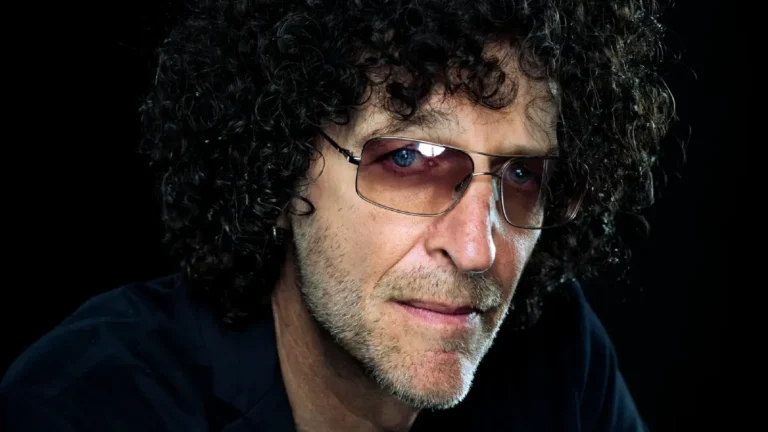
    Who is Howard Stern? Early Life and Background

    Introduction

    Howard Stern is one of the most influential and controversial figures in modern media. Known as the “King of All Media,” Stern has dominated radio, television, books, and film for more than four decades. From his early days as a bold shock jock to his current role as a respected interviewer on Sirius XM, Howard Stern has consistently pushed boundaries, challenged censorship, and reinvented himself. This blog takes a closer look at Howard Stern’s biography, career milestones, controversies, net worth, and lasting legacy.


    Early Life and First Steps into Radio

    Howard Stern, born Howard Allan Stern on January 12, 1954, in Queens, New York, is widely known as the “King of All Media.” His early introduction to broadcasting came through his father, Ben Stern, a recording engineer who often brought work home. From childhood, Stern was fascinated by microphones, voices, and radio personalities. That fascination led him to Boston University, where he studied communications and honed his craft in college radio. Those early experiences laid the groundwork for a career that would become nothing short of legendary.


    Howard’s Early Radio Career and Struggles

    Stern began his professional radio journey in smaller markets like Westchester, Hartford, and Detroit. These years were about experimentation, testing humor, and pushing limits. In 1981, he joined WWDC in Washington, D.C., where his bold, provocative style started turning heads. The following year, he moved to New York’s WNBC, a milestone in his career. But his unfiltered style clashed with management and drew increasing attention from the FCC. By 1985, WNBC fired him, setting the stage for his greatest success.

    The Rise of The Howard Stern Show

    After leaving WNBC, Stern joined WXRK (K-Rock) in New York. This was where The Howard Stern Show transformed into a cultural phenomenon. With Robin Quivers as co-host, Fred Norris on sound effects, Gary Dell’Abate (Baba Booey) as producer, Jackie Martling as head writer, and later Artie Lange, the show built an unforgettable cast.

    The format was part comedy, part chaos—crude jokes, outrageous stunts, prank calls, and brutally honest celebrity interviews. By the 1990s, the show was syndicated nationally, reaching millions of daily listeners and dominating morning radio.

    Howard on Television and in Film

    Stern wasn’t content with just radio. He broke into television in the 1990s with The Howard Stern Radio Show and a long-running nightly show on E! In 1997, his bestselling autobiography Private Parts was adapted into a movie, with Stern playing himself. The film debuted at number one at the box office, proving that his brand of raw honesty worked beyond radio.

    Howard Stern vs. The FCC: Battles Over Free Speech

    Stern’s career can’t be separated from his war with the FCC. His shows were notorious for sexual content, crude humor, and edgy skits. This led to millions in fines for indecency during the 1980s and 1990s. Critics accused him of corrupting public airwaves, while fans saw him as a defender of free speech who refused to bow to censorship. These clashes helped redefine what broadcasters could—and couldn’t—say on American radio.


    Howard Stern Joins Sirius XM

    In 2004, Stern made one of the boldest moves in broadcasting history: he signed a $500 million deal to join Sirius Satellite Radio (now Sirius XM). Free from FCC oversight, Stern finally had total creative freedom.

    At Sirius XM, The Howard Stern Show became the platform’s flagship program, driving millions of subscriptions. His interviews with artists like Paul McCartney, Lady Gaga, Conan O’Brien, and Bruce Springsteen were hailed as some of the best in the business—revealing, personal, and completely unique to Stern’s style.


    The Evolution of Howard Stern Over the Years

    Stern’s evolution has been striking. Once known as the ultimate “shock jock,” he has gradually shifted toward being a master interviewer. His style today is less about shock value and more about authenticity, vulnerability, and depth.

    He has also spoken openly about therapy, his struggles with OCD, and his passion for animal rescue with his wife Beth Stern. Fans who once tuned in for outrageous skits now come for the unfiltered conversations and Stern’s ability to make celebrities open up like nowhere else.


    Howard Stern’s Legacy in Media

    Howard Stern’s influence is impossible to ignore:

    • Free Speech: His battles with the FCC reshaped U.S. broadcasting rules.
    • Shock Jock Genre: He didn’t invent it, but he perfected it and made it mainstream.
    • Celebrity Interviews: Stern elevated interviews into an art form of honesty and depth.
    • Cross-Platform Success: From radio to TV, books, and film, he mastered multiple mediums.
    • Longevity: Over four decades, Stern has remained relevant—something few can claim.

    Criticism and Controversy Around Howard Stern

    Despite his success, Stern has faced heavy criticism. His earlier shows often included content now viewed as offensive, sparking accusations of sexism, racism, and vulgarity. Some longtime fans also believe Stern “softened” after moving to Sirius XM, trading outrageous stunts for safer, Hollywood-friendly interviews. Others argue this transformation reflects growth and maturity.


    Howard Stern Today in 2025

    Today, at over 70, Stern continues broadcasting on Sirius XM, remaining one of the highest-paid figures in media. Beyond the show, he devotes time to animal activism with his wife, Beth. While his days of constant controversy may be behind him, his shadow still looms over radio, podcasts, and modern media.

    Howard Stern is a paradox, legendary yet controversial, vulgar yet insightful, provocative yet deeply human. Whether you love him or can’t stand him, his impact on media is undeniable. From shock jock to respected interviewer, his career proves that adaptability and authenticity can keep someone relevant for decades. Stern’s place as the true “King of All Media” is secure, both for what he built and for the debates he’ll always spark.

    More from blogs: Road Safety


    FAQs About Howard Stern

    Q1. Why is Howard Stern called the “King of All Media”?
    Because he conquered radio, TV, books, and film, making his influence larger than any one medium.

    Q2. What is Howard Stern most famous for?
    His groundbreaking radio program, The Howard Stern Show.

    Q3. How much is Howard Stern worth?
    As of 2025, estimates place his net worth at over $600 million.

    Q4. What was Howard Stern’s biggest controversy?
    His repeated clashes with the FCC over indecent content in the 1990s and 2000s.

    Q5. Why did Howard Stern move to Sirius XM?
    To escape FCC censorship and gain full creative freedom—backed by a record-breaking contract.

    Q6. Has Howard Stern’s style changed?
    Yes. He has shifted from shock humor toward deep, personal celebrity interviews.

    Q7. Is Howard Stern still active in 2025?
    Yes. He continues to broadcast new shows on Sirius XM.

    Q8. Did Howard Stern write any books?
    Yes: Private Parts (1993), Miss America (1995), and Howard Stern Comes Again (2019).

    Q9. Who are some of Stern’s most famous guests?
    Notable names include Paul McCartney, Madonna, Lady Gaga, Conan O’Brien, and Bruce Springsteen.

    Q10. What is Howard Stern’s legacy?
    He redefined radio, fought for free speech, influenced podcasting, and changed the way interviews are done.


    When the “Godfather of AI” Rings the Alarm: A Future of Massive Unemployment

    0

    A Wake-Up Call from the Godfather of AI

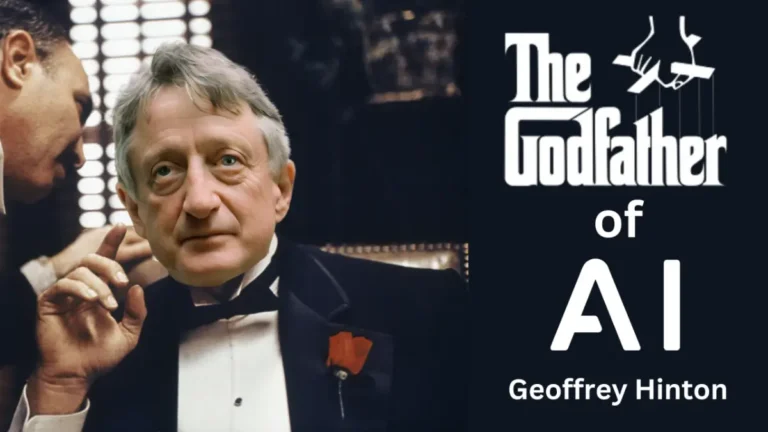
    Geoffrey Hinton isn’t just another tech pioneer. Known as the Godfather of AI, he is one of the key minds behind neural networks, a former Google scientist, and a Turing Award winner. Recently, he issued a blunt warning: artificial intelligence could cause massive unemployment, sky-high profits for a few, and deeper inequality for the rest.

    His words carried weight:

    Rich people are going to use AI to replace workers. It’s going to create massive unemployment and a huge rise in profits. It will make a few people much richer and most people poorer. That’s not AI’s fault, that is the capitalist system.

    When a person who helped design the technology now warns it might destabilize society, the message is hard to ignore.


    What’s Fueling This Warning

    Hinton points to several forces driving this outcome:

    • Hyper-automation: AI can scale so fast that entire job categories vanish.
    • Profit-driven incentives: Companies deploy AI to cut costs, often without considering social consequences.
    • Systemic imbalance: Without redistribution, wealth and power concentrate at the top.
    • Potential misuse: Beyond employment, AI could empower individuals to create bioweapons or other catastrophic threats.

    This is about more than losing jobs—it’s about economic and social stability.


    A Chorus of Warnings

    Hinton’s concerns are echoed by other leading voices:

    • Roman Yampolskiy, an AI safety researcher, predicts 99% job loss by 2030, even among white-collar roles.
    • Dario Amodei, CEO of Anthropic, warns that half of entry-level white-collar jobs may disappear within five years.
    • Stanford’s Digital Economy Lab likens entry-level workers to “canaries in a coal mine,” facing automation’s effects first.
    • Paul Tudor Jones, a veteran risk manager, advocates for regulation, AI output watermarking, and policies that share productivity gains more fairly.

    The trend is clear: this isn’t a single voice of doom but a pattern of expert concern.


    The Deeper Stakes

    Why does this matter so much?

    • Identity and dignity: Work is more than income; it gives people structure, meaning, and belonging.
    • Economic paradox: If AI increases productivity but slashes wages, demand for goods collapses, undercutting the very system it powers.
    • Inequality on steroids: AI magnifies the wealth gap between owners and workers.
    • Governance gap: Policymakers lag far behind the speed of technological change.

    The danger isn’t only unemployment—it’s the unraveling of social cohesion.


    Silver Linings (If Managed Right)

    Godfather of AI – Hinton also points to opportunities, if society takes the right approach:

    • Healthcare and education: AI could improve access and strengthen professionals rather than replace them.
    • Human-AI partnerships: Thoughtful design could make AI an assistant, not a substitute.
    • Ethical frameworks: Tools like universal basic income, AI profit taxes, or cooperative ownership could distribute benefits more evenly.

    The real question isn’t whether AI replaces humans, but who controls AI and how its rewards are shared.


    What Needs to Happen Now

    • Governments must act faster with proactive regulation instead of reacting to crises.
    • Businesses should focus on augmentation, not just automation, to build trust and resilience.
    • Workers need to build resilience in areas where AI struggles—creativity, empathy, and complex problem-solving.
    • Communities must keep the debate alive; social contracts evolve only when people demand change.

    The choice is not whether AI arrives, but whether we respond wisely and quickly.


    The Godfather of AI has spoken. The issue isn’t whether AI will transform work—it already is. The question is how society chooses to shape its impact. We can allow AI to deepen inequality and hollow out livelihoods, or we can guide it toward broad human benefit. The urgency is real, and the time to act is now.

    Godfather of AI


    FAQ Section

    Q1. Who is Geoffrey Hinton (Godfather of AI) and why does his warning matter?
    Hinton is a pioneer of deep learning and neural networks, and a Turing Award winner. His warnings matter because he understands both the potential and risks of AI at a technical and systemic level.

    Q2. Which jobs are most at risk?
    Routine-based roles—data entry, telemarketing, customer support, legal research, and even some programming. Entry-level white-collar jobs are especially vulnerable.

    Q3. Will AI affect creative industries too?
    Yes. Generative AI is already producing art, music, and writing. While top-level creativity may endure, mid-level work like copywriting, design drafts, and video editing is increasingly automated.

    Q4. Can universal basic income (UBI) solve this problem?
    UBI may cushion income loss but doesn’t replace the sense of purpose, dignity, and social connection that work provides. It’s only part of a broader solution.

    Q5. Could AI also create jobs?
    Possibly, but many experts argue that AI’s scale is different. Unlike past technologies, AI automates both physical and cognitive labor. New jobs may appear, but likely not in numbers large enough to offset the losses.

    Q6. What can individuals do right now?
    Develop skills AI struggles with—emotional intelligence, creativity, leadership, and systems thinking. Stay flexible and continuously upskill, as AI literacy will soon be as basic as computer literacy.

    Q7. Should people be afraid of AI?
    Fear isn’t useful, but awareness is. AI is a tool. The real danger lies in leaving it unchecked within systems driven only by profit.


    External Resources for Deeper Reading about statement by Godfather of AI


    How Many Truck Accidents Happen Per Year? Shocking Statistics You Need to Know

    0

    When you’re on a highway, surrounded by giant 18-wheelers and semi-trucks, it’s impossible not to wonder: How Many Truck Accidents Happen Per Year? These massive vehicles are the backbone of the U.S. economy, transporting goods day and night. But they also come with risks. According to multiple reports, the annual number of truck accidents in the United States ranges between 160,000 and 500,000.

    In this guide, we’ll explore the most reliable truck accident statistics USA, examine why these crashes happen, and highlight what you can do to stay safe on the road.


    How Many Truck Accidents Happen Per Year?

    The short answer is: a lot more than you think.

    • According to FMCSA data cited by Arash Law, more than 160,000 truck accidents occur every year in the United States.
    • Some broader estimates, which include minor crashes and non-injury collisions, suggest the number may be closer to 500,000 truck accidents annually.
    • In California alone, more than 13,000 truck accidents happen every year, making it one of the states with the highest crash rates.
     How Many Truck Accidents Happen Per Year? These massive vehicles are the backbone of the U.S. economy, transporting goods day and night.

    👉 These numbers mean that every day, hundreds of truck-related crashes take place somewhere in the country. Understanding these truck accident statistics USA is key to improving safety and awareness.


    Annual Truck Accident Statistics USA: Key Numbers

    Different agencies report slightly different figures, but here are some of the most widely cited truck accident statistics USA:

    • Truckinfo.net (2025): Over 168,000 truck accidents occur per year.
    • ConsumerShield: Reports between 143,000 and 166,000 annual truck crashes.
    • National Safety Council (2022–2023):
      • 120,000+ injury crashes involving large trucks.
      • Nearly 6,000 fatalities in 2022, and 5,375 in 2023.
    • IIHS (2023 data): In 4,354 deaths caused by large truck accidents:
      • 65% were passenger vehicle occupants
      • 16% were truck drivers/occupants
      • 17% were pedestrians, cyclists, or others

    Clearly, passenger vehicles bear the greatest risk when asking, “How Many Truck Accidents Happen Per Year?” These statistics show the disproportionate danger smaller vehicles face when colliding with massive trucks.


    Read Also: EVs vs Traditional Cars: The Essential Deep Dive into the Future of Driving

    Why Do Truck Accidents Happen?

    Behind every number in the truck accident statistics USA are causes we can understand—and, in some cases, prevent. Here are the leading reasons:

    1. Driver Fatigue

    Truckers often work long shifts. Even with federal rules limiting hours, fatigue remains one of the top causes of accidents. Tired drivers have slower reaction times, impaired judgment, and higher crash risk.

    2. Distracted Driving

    Phones, GPS devices, or even eating behind the wheel can distract drivers. With a truck’s size, even a few seconds of inattention can cause disaster.

    3. Speeding

    Large trucks need much more distance to stop than smaller vehicles. Speeding trucks make it nearly impossible to avoid collisions when traffic suddenly slows.

    4. Equipment Failure

    Brake problems, worn tires, or poor maintenance often appear in truck accident statistics USA as contributing factors. A malfunction at 70 mph can be catastrophic.

    5. Poor Weather and Road Conditions

    Rain, ice, and fog make large vehicles harder to control. Add poorly maintained highways, and the risk multiplies.

    6. Improper Loading

    When cargo is overloaded or unbalanced, trucks may tip over or jackknife, creating multi-vehicle crashes.


    Where Do Truck Accidents Happen Most?

    Truck accident data shows these crashes are not evenly spread out.

    • Highways & Interstates: Most accidents occur on high-speed roads, where heavy trucks share lanes with smaller vehicles.
    • Urban Areas: Congested city streets with more pedestrians and cyclists see significant accidents too.
    • Top States: California, Texas, and Florida consistently rank highest in truck accident statistics USA because of their heavy freight traffic.

    If you’re wondering “How Many Truck Accidents Happen Per Year?”—the answer varies depending on where you drive, but highways remain the most dangerous areas.


    Fatal Truck Accidents: The Human Cost

    While knowing how many truck accidents happen per year helps us see the scale of the problem, it’s the fatalities and injuries that hit hardest.

    • Nearly 6,000 people die each year in large truck accidents.
    • More than 100,000 injuries occur annually, many severe and life-changing.
    • The majority of deaths are not truck drivers but passengers in smaller cars.

    The truck accident statistics USA reveal a harsh reality: trucks are essential for commerce, but they carry devastating risks when accidents occur.


    Read Also: Automobile Industry in the US and India: A Comprehensive Comparison, Trends, and Future Outlook

    How to Stay Safe Around Trucks

    While you can’t control truck drivers, you can reduce your risk by practicing safe habits:

    1. Avoid Blind Spots – If you can’t see the truck’s side mirrors, assume the driver can’t see you.
    2. Don’t Cut Them Off – Trucks take longer to stop; cutting in front of them is dangerous.
    3. Pass Quickly and Safely – Pass on the left and don’t linger beside a truck.
    4. Keep Distance – Maintain extra space behind and in front of trucks.
    5. Stay Alert – Always drive defensively when sharing the road with commercial vehicles.

    These small changes can make a big difference in reducing your chance of becoming part of the truck accident statistics USA.


    Are Truck Accidents Increasing or Decreasing?

    Looking at truck accident statistics USA over the past decade reveals some trends:

    • Fatal accidents increased slightly from 2020 to 2022, partly due to more freight demand.
    • 2023 data shows a slight decline in fatal crashes, though injury accidents remain high.
    • With more trucks expected on the road as e-commerce grows, experts warn that total accidents may continue rising unless stricter safety measures are enforced.

    So, the question of “How Many Truck Accidents Happen Per Year?” may sadly have an even bigger number in future years unless changes happen.


    The Future of Truck Safety

    There is some hope on the horizon. Technology is beginning to play a role in reducing truck accidents:

    • Automatic Emergency Braking (AEB): Many new trucks come with systems that automatically apply brakes when a collision risk is detected.
    • Electronic Logging Devices (ELDs): Track driver hours to reduce fatigue-related crashes.
    • AI Driver Monitoring: Cameras and sensors detect drowsiness or distraction.
    • Self-Driving Trucks: Still in testing, but they could reduce human error—the leading cause of accidents.

    If widely adopted, these innovations may help bring down the numbers when people ask: How Many Truck Accidents Happen Per Year?


    Conclusion: How Many Truck Accidents Happen Per Year?

    The answer depends on the source, but the most consistent data shows:

    • 160,000+ serious truck accidents annually in the United States.
    • When including all minor and major incidents, the total could reach 500,000 crashes per year.
    • Thousands of lives are lost each year, and over 100,000 injuries are reported.

    These truck accident statistics USA highlight the urgent need for better safety measures, stricter enforcement, and increased awareness among both truck drivers and passenger vehicle drivers.

    So next time you ask, “How Many Truck Accidents Happen Per Year?”, remember: it’s not just about the numbers—it’s about lives, families, and communities impacted every single day.


    FAQs About Truck Accidents

    How many truck accidents happen in the U.S. each year?

    Over 160,000 truck accidents occur annually, with some estimates reaching 500,000 when including minor incidents.

    How many truck accidents happen in California per year?

    California reports more than 13,000 truck accidents annually, one of the highest in the country.

    What percentage of fatal crashes involve trucks?

    Around 9% of all fatal crashes in the U.S. involve large trucks.

    Are truck accident numbers increasing?

    Yes, overall accident numbers have been rising with freight growth, though 2023 saw a slight decrease in fatalities.

    Who is most at risk in truck accidents?

    The majority of fatalities—about 65%—are passenger vehicle occupants, not truck drivers.

    Davey Johnson Net Worth:-The Brain Behind the Bat

    2

    Davey Johnson Net Worth:-Davey Johnson wasn’t just a ballplayer — he was a baseball visionary.

    From Gold Gloves on the field to bold moves in the dugout, Davey combined old-school grit with next-level smarts. A math whiz from Orlando, he was crunching numbers before analytics became cool — turning data into wins and instinct into strategy.

    As a player, he snagged championships. As a manager, he built dynasties — leading the Mets to a legendary 1986 World Series and turning the Nationals into real contenders.

    Quiet, confident, and ahead of his time, Davey led with both heart and intellect. He didn’t just play the game — he helped change it.


    📘 Davey Johnson’s biography

    CategoryDetails
    Full NameDavid Allen “Davey” Johnson
    Date of BirthJanuary 30, 1943
    Date of DeathSeptember 5, 2025 (Age 82)
    BirthplaceOrlando, Florida, U.S.
    Height6 ft 1 in (185 cm)
    Weight180 lbs (82 kg)
    EducationTrinity University (Mathematics Degree)
    Bats / ThrowsRight / Right
    Nickname“Dum Dum” (for his statistical mindset during playing career)

    📘 Davey Johnson – Personal Life & Education Overview

    CategoryDetails
    BirthplaceOrlando, Florida, U.S.
    High School EducationAlamo Heights High School, San Antonio, Texas
    College Education– Attended Johns Hopkins University and Texas A&M University – Graduated from Trinity University (1964), B.A. in Mathematics
    WifeSusan Johnson (Met in 1993, married January 1994)
    Wife’s BackgroundOrganized charity golf events, worked with Johns Hopkins Hospital and deaf-blind causes
    DaughterAndrea Johnson – Nationally ranked amateur surfer in the 1980s
    Daughter’s PassingDied in 2005 from septic shock and complications related to schizophrenia
    StepsonJake – Passed away in 2011 due to pneumonia at age 34
    AutobiographyMy Wild Ride in Baseball and Beyond (2018, co-written with Erik Sherman)
    Book ProceedsDonated to Susan’s nonprofit, Support Our Scholars
    Health IncidentContracted COVID-19 in 2021; hospitalized but made a full recovery

    Read Also:-EVs vs Traditional Cars: The Essential Deep Dive into the Future of Driving


    Davey Johnson :Playing Career

    CategoryDetails
    MLB DebutApril 13, 1965 – Baltimore Orioles
    Final MLB GameMay 30, 1978 – Chicago Cubs
    Primary PositionSecond Baseman
    MLB Teams Played For– Baltimore Orioles (1965–1972) – Atlanta Braves (1973–1975) – Philadelphia Phillies (1977–1978) – Chicago Cubs (1978)
    NPB (Japan) TeamYomiuri Giants (1975–1976)
    Career Batting Average.261
    Career Home Runs (MLB)136
    Career RBIs (MLB)609
    All-Star Appearances4× (1968, 1969, 1970, 1973)
    Gold Glove Awards3× (1969, 1970, 1971)
    World Series Titles (Player)2× (1966, 1970 – with Baltimore Orioles)

    Managerial Career

    CategoryDetails
    First MLB Team ManagedNew York Mets (1984)
    Last MLB Team ManagedWashington Nationals (2011–2013)
    Other Teams Managed– Cincinnati Reds (1993–1995) – Baltimore Orioles (1996–1997) – Los Angeles Dodgers (1999–2000)
    Overall Managerial Record1,372 Wins – 1,071 Losses (Win %: .562)
    Postseason Record25–26
    Manager of the Year Awards2× (1997 – Orioles, 2012 – Nationals)
    World Series Titles (Manager)1× (1986 – New York Mets)
    Fastest to 1,000 WinsReached in 1,806 games (MLB record at the time)

    International Coaching

    CategoryDetails
    OlympicsManaged Team USA – 2008 (Bronze Medal)
    World Baseball ClassicManaged Team USA – 2009 (3rd Place Finish)
    Other Int’l ExperienceManaged Netherlands National Team – 2003

    Analytics & Innovation

    CategoryDetails
    Academic BackgroundMath degree from Trinity University
    Tech in BaseballEarly adopter of computer simulations, OBP focus, platoon strategies
    Sabermetric ReputationOne of MLB’s first “analytics managers”
    Nickname Origin“Dum Dum” nickname was ironic due to his intelligence

    Legacy & Recognition

    CategoryDetails
    Mets Hall of Fame Induction2010
    Winningest Mets Manager595 wins (record until 2017)
    All-Time Winning % RankTop 10 for MLB managers with 1,000+ wins
    Published MemoirMy Wild Ride in Baseball and Beyond (2018)

    Post-Managerial Career

    CategoryDetails
    Advisory RoleConsultant & Senior Advisor, Washington Nationals (2006–2025)
    Baseball USA ContributionsMultiple Olympic and WBC stints
    Media/AppearancesOccasional broadcaster, speaker, and analyst


    Davey Johnson Net Worth: Estimates

    SourceEstimated Net WorthYearNotes
    PeopleAi$59.1 million2024Likely includes assets, career earnings, investments
    Celebrity-Birthdays$5 million2023Average career/retirement estimate
    Baseball Biographies$5 million~2013Retirement era estimation
    CelebsMoney$100K – $1 million2024Algorithm-based, wide range

    Davey Johnson Net Worth: Q&A

    Q: What is Davey Johnson’s estimated net worth?
    A: Estimates vary widely, ranging from about $5 million up to $59 million.

    Q: Which estimate is considered most accurate?
    A: The $5 million figure is generally seen as the most realistic based on his MLB career earnings and public information.

    Q: Why do these estimates differ so much?
    A: Some sources include assets and investments, leading to higher valuations, while others focus solely on salary and known income, resulting in lower estimates.

    Q: What is the highest net worth estimate for Davey Johnson?
    A: About $59.1 million, according to PeopleAi, which likely factors in non-liquid assets and investments.

    Q: What is the lowest estimate reported?
    A: Between $100,000 and $1 million, according to CelebsMoney, though this is likely an underestimate.

    Q: Are there reliable sources supporting these figures?
    A: Yes, sites like Celebrity-Birthdays and BaseballBiographies provide estimates around $5 million, aligning with known career earnings.