

More
    Home Blog Page 28

    This Guy Is Trying to Kill Me”: The Mark Sanchez Stabbing Case and What It Reveals About Battery with Injury Legal Consequences

    0

    Mark Sanchez Incident: How a Parking Dispute Turned Into a Battery with Injury Case

    Introduction: When Tempers Turn Criminal

    What began as a minor argument over parking spiraled into a serious criminal case highlighting battery with injury legal consequences and self-defense laws in Indiana.

    Mark Sanchez — a former NFL quarterback turned Fox Sports analyst — now finds himself facing misdemeanor charges after an altercation with a 69-year-old man that led to a stabbing in downtown Indianapolis.

    As police documents and witness statements reveal, this isn’t merely about a celebrity headline — it’s about how battery with injury legal consequences can apply when heated arguments become physical.

    Timeline of Events: From Disagreement to Disaster

    Early Morning of October 4, 2025

    Around 12:30 a.m., Indianapolis police were called to an alley near Loughmiller’s Pub & Eatery — just steps from the Westin and Marriott Downtown hotels. Mark Sanchez had been stabbed in the upper torso and was bleeding heavily when officers arrived. He was rushed to Eskenazi Hospital in critical condition and later stabilized.

    Court filings allege the incident began when Sanchez argued with a 69-year-old man who parked his work box truck near a loading dock while collecting used cooking oil.

    That seemingly minor dispute soon exploded into a fight that would test the limits of self-defense — and bring Sanchez face-to-face with the legal consequences of battery with injury under Indiana law.

    Understanding the Charge: What Is Battery with Injury?

    Definition in Plain Terms

    Under Indiana law, battery with injury occurs when someone “knowingly or intentionally touches another person in a rude, insolent, or angry manner, resulting in bodily injury.”

    Even minor harm — bruises, cuts, abrasions — can count as “bodily injury.”

    When this happens, prosecutors can file a Class A misdemeanor, punishable by:

    • Up to one year in jail,
    • Fines of up to $5,000,
    • And possible probation, counseling, or community service.

    If serious bodily injury occurs, the offense can rise to a felony, bringing harsher battery with injury legal consequences, including potential prison time.

    How the Sanchez Case Fits the Law

    Police say Sanchez confronted the truck driver after midnight, accusing him of blocking the alley. Surveillance video from the Marriott allegedly shows Sanchez opening the truck door and engaging in an argument.

    Because he reached into or opened another person’s vehicle without permission, Sanchez was charged with unlawful entry of a motor vehicle — but the crucial charge is battery resulting in injury.

    Witnesses saw Sanchez allegedly grab, push, and throw the man toward a wall before tackling him near a dumpster. The older man suffered a cheek laceration — the injury that triggered the “battery with injury” element.

    Video and Witness Testimony

    According to a probable cause affidavit, hotel surveillance video captured portions of the incident. It shows Sanchez — described as a “larger man” standing 6’2″ — chasing the truck driver and throwing him toward the wall.

    A bystander told detectives he thought they were “friends joking around” until he saw both men recording on their phones. The argument escalated quickly; within seconds, the older man fell, Sanchez hovered over him, and then chaos erupted.

    The 69-year-old reportedly tried to de-escalate, but when Sanchez wiped away his pepper spray and advanced again, he feared for his life. “This guy is trying to kill me,” he told police — before pulling a knife and striking Sanchez multiple times.

    Medical Aftermath and HospitalizationSanchez suffered stab wounds to the upper torso — consistent with defensive knife use. The older man had a cut on his cheek, treated at Methodist Hospital.

    Police said both parties were intoxicated, and Sanchez was charged with public intoxication, adding another layer to the battery with injury legal consequences conversation: alcohol often escalates conflicts into criminal territory.

    Read More:-Behind Closed Doors: The Real Story of U.S. Government Shutdowns

    Charges Filed Against Mark Sanchez

    1. Battery Resulting in Injury (Class A Misdemeanor)
    2. Public Intoxication (Class B Misdemeanor)
    3. Unlawful Entry of a Motor Vehicle (Class B Misdemeanor)

    An initial hearing hasn’t been scheduled, as Sanchez remained hospitalized when charges were filed. Prosecutors confirmed they’ll “follow the facts and the law wherever they lead.”

    Battery with Injury Legal Consequences: The Broader Picture

    The battery with injury legal consequences in this case may appear minor next to felonies, but they can devastate reputations, careers, and finances — especially for public figures.

    Key consequences include:

    • Permanent criminal record: A misdemeanor conviction still appears on background checks.
    • Employment and broadcasting risks: Fox Sports could suspend or terminate Sanchez pending outcome.
    • Civil liability: The 69-year-old could sue for medical costs, emotional distress, or damages.
    • Travel and licensing limits: Convictions affect professional licenses and visa eligibility.
    • Public relations fallout: Sponsors and media partners often distance themselves from criminal allegations.

    For celebrities, these battery with injury legal consequences are amplified by constant media scrutiny and loss of endorsement deals.

    Self-Defense and the Knife: A Legal Turning Point

    The older man’s defense hinges on Indiana’s self-defense statute, which allows force if a person “reasonably believes it is necessary to prevent serious bodily injury.”

    Here, he used pepper spray first — a nonlethal option. When that failed and Sanchez allegedly advanced again, he escalated to his knife.

    That progression could support a valid self-defense claim and shift the case’s direction.

    In contrast, Sanchez’s battery with injury legal consequences stem from being the initial aggressor — a critical factor under Indiana’s laws, where self-defense typically fails if the defendant provoked the violence.

    Prosecutor’s Statement: “This Should Never Have Happened”

    Marion County Prosecutor Ryan Mears emphasized that the dispute was “avoidable.” He called it “a preventable act of violence resulting from a simple disagreement.”

    His office confirmed Sanchez’s battery with injury legal consequences would be pursued “based on evidence, not emotion.”

    Such statements suggest prosecutors view the incident as serious but not necessarily felony-level — yet enough to warrant accountability.

    What Happens Next: The Legal Process

    1. Initial Hearing & Arraignment
      Sanchez will formally hear his charges and enter a plea.
    2. Evidence Discovery
      Defense attorneys will review surveillance footage and witness statements.
    3. Negotiations
      Plea deals are likely in battery with injury legal consequence cases, often trading jail for probation.
    4. Possible Trial
      If Sanchez pleads not guilty, a bench or jury trial could follow.
    5. Sentencing or Dismissal
      Depending on verdict, he could face jail, fines, or case dismissal if evidence fails.

    Penalties for Battery with Injury in Indiana

    LevelClassificationMaximum Jail TimeMaximum FineNotes
    Simple BatteryClass B Misdemeanor180 days$1,000No injury required
    Battery with InjuryClass A Misdemeanor1 year$5,000Injury must be proven
    Serious Bodily InjuryLevel 5 Felony6 years$10,000Major trauma or weapon use

    If Sanchez’s case remains at misdemeanor level, jail time could be avoided through plea bargaining. Still, the battery with injury legal consequences — record, reputation, cost — will endure.

    Public Reaction and NFL Community Response

    The sports world reacted swiftly. Fellow analysts described Sanchez as “one of the kindest men you’ll ever meet.” Fans expressed shock that a respected media figure could face battery with injury legal consequences so serious.

    Fox Sports issued a statement acknowledging the incident, promising to “cooperate fully with law enforcement.”

    In the court of public opinion, sympathy is split: some cite the stabbing as excessive force; others see it as justified self-defense against an intoxicated aggressor.

    Lessons from the Case: Why Battery with Injury Legal Consequences Matter

    The Sanchez case is a textbook study in how battery with injury legal consequences can arise from ordinary disagreements.

    • A simple confrontation became physical.
    • The physical contact led to injury.
    • Injury triggered a misdemeanor battery charge.
    • Combined with intoxication and unlawful entry, the incident turned into a full criminal case.

    This is why prosecutors emphasize de-escalation and why defense attorneys warn clients never to touch another person in anger — even minor contact can cross the legal threshold into “battery with injury.”

    Possible Defense Strategies for Sanchez

    If Sanchez contests the charge, his legal team might argue:

    1. Mutual combat: Both engaged willingly, negating the “non-consensual” element of battery.
    2. Lack of intent: His actions were defensive or reflexive, not intentional harm.
    3. Intoxication impairment: Alcohol clouded his intent, possibly mitigating sentencing (but not guilt).
    4. Injury dispute: The other man’s cheek cut was self-inflicted or incidental.
    5. Character and reputation: No prior violent record, thus deserving leniency.

    Yet even with mitigating factors, battery with injury legal consequences seldom disappear entirely — most end in fines, probation, or suspended sentences.

    Potential Outcomes

    ScenarioLikelihoodConsequence
    Plea deal to lesser chargeHighProbation + fine
    Deferred judgmentModerateCase dismissed after probation
    Trial acquittalModerateNo conviction but high cost
    ConvictionPossibleJail up to 1 year, criminal record
    Civil lawsuitLikelyDamages sought for injuries

    Broader Implications for Legal Education and Public Awareness

    This case has become a teachable example for law students, journalists, and ordinary citizens.

    It underscores how battery with injury legal consequences aren’t reserved for hardened criminals — they can hit anyone, from athletes to analysts, if emotions run high.

    Legal experts note:

    • Intent and injury matter most. A shove that leaves a bruise qualifies.
    • Alcohol worsens everything. Intoxication removes judgment and adds charges.
    • Video evidence dominates modern trials. Surveillance and smartphones shape verdicts.
    • Reputation doesn’t protect against arrest. Fame amplifies scrutiny but doesn’t soften the law.

    Public Statement from Authorities on Battery with Injury Legal Consequences

    Detective Christopher Edwards said Sanchez, when questioned at the hospital, recalled “grabbing for a window” but had no memory of who stabbed him or how.

    This memory gap could complicate his defense — or bolster claims of intoxication, which in turn magnify battery with injury legal consequences by undermining self-control arguments.

    Key Takeaways

    • Battery with injury legal consequences apply whenever physical harm results from intentional contact.
    • The Sanchez case shows how minor disputes can create major legal exposure.
    • Self-defense, video evidence, and public image all play decisive roles.
    • For public figures, reputational loss can exceed legal punishment.

    FAQs About Battery with Injury Legal Consequences

    Q1: What exactly qualifies as battery with injury under Indiana law?
    It means any intentional, angry, or rude physical contact that causes bodily harm — from scratches to serious wounds.

    Q2: What are the battery with injury legal consequences for a first-time offender?
    Up to one year in jail, a $5,000 fine, probation, and a permanent record, though many receive suspended sentences.

    Q3: Can intoxication be a defense to battery with injury?
    Not usually. Voluntary intoxication doesn’t excuse the act; it can sometimes reduce intent severity but not erase liability.

    Q4: Can a victim also face charges?
    Yes. If both parties attack each other, prosecutors can charge both — though one may claim self-defense.

    Q5: How long does a battery with injury case take to resolve?
    Typically 2–6 months, depending on evidence and plea negotiations.

    Q6: Will Mark Sanchez lose his broadcasting career over this?
    If convicted, the battery with injury legal consequences could harm his media credibility, though employers often await full resolution.

    Q7: Could this become a felony?
    Only if prosecutors find evidence of “serious bodily injury” or a deadly weapon — unlikely here.

    Q8: Can such charges be expunged later?
    Yes, in Indiana, misdemeanor battery can sometimes be expunged after 5 years of clean record.
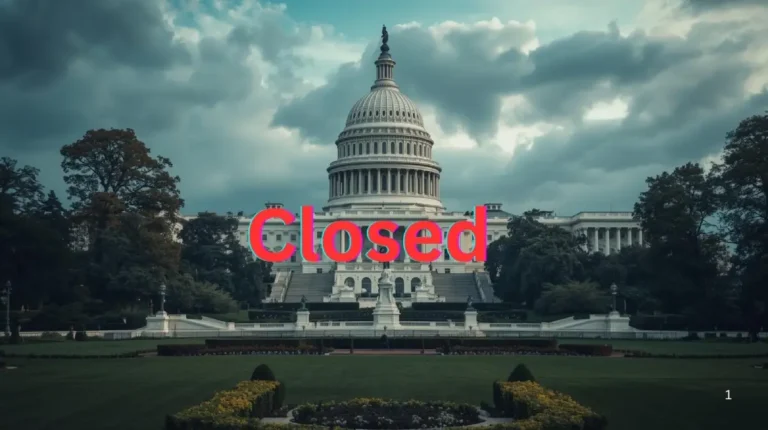
    Behind Closed Doors: The Real Story of U.S. Government Shutdowns

    0

    When Congress fails to pass a budget or a stopgap spending bill, the U.S. federal government can partially grind to a halt. That’s the reality of U.S. government shutdowns — a clash of politics, budgets, and public pain. Some see them as a test of endurance; others as a breakdown of governance. In this post, we’ll peel back the layers: what really happens behind closed doors, who pays the price, and how ordinary citizens can cope and respond.


    A Stark Introduction: The Silence After Midnight

    Imagine this: it’s 12:01 a.m. on October 1 of a crucial fiscal year. The clock strikes, and Congress hasn’t passed the funding bills. Agencies lock doors. Employees go home, unpaid. Services you assumed would run — processing loans, managing parks, approving permits — freeze or slow.

    This is not drama. It’s U.S. government shutdowns in practice. And behind closed doors, there’s a scramble of legal memos, internal plans, and political brinkmanship. The public feels the ripple effect — sometimes weeks later. The really damaging part is that the shutdown seldom resolves policy debates. It usually ends because pain becomes too widespread.

    What this means is: shutdowns are more than political standoffs. They are disruptions of life, planning, and public trust.


    The Legal and Historical Framework

    Why Shutdowns Happen

    A government shutdown happens when Congress can’t pass appropriations (funding bills) or a continuing resolution before the fiscal year deadline. Without legal authority to spend money, most non-essential government operations must stop. Wikipedia

    This requirement traces back to a 1980 legal opinion by Attorney General Benjamin Civiletti, interpreting the Antideficiency Act (1884). He insisted that agencies can’t obligate funds in a funding gap. From that moment on, many lapses in funding turned into actual shutdowns. Before 1980, such lapses often didn’t lead to full stops.

    Because of this legal grounding, shutdowns are not optional theater — they’re the legal consequence of gridlock.

    A Brief History

    Since 1976, the U.S. has had dozens of funding gaps; in modern practice, these have led to 10 to 11 shutdowns where non-essential federal employees are furloughed. Some shutdowns lasted only days; others, weeks.

    • The 35-day shutdown spanning December 2018 to January 2019 remains the longest in U.S. history.
    • The 1995-96 shutdown, over two episodes, lasted roughly 21–22 days in total over disputes between President Clinton and a Republican Congress.
    • In 2013, a 16-day shutdown erupted over funding of the Affordable Care Act.

    Shutdowns are now expected theater, though that doesn’t make them less harmful.

    More from Blogs: Elon Musk Net Worth Exposed


    What Actually Stops — and What Doesn’t

    Essential vs Non‐Essential: A Fuzzy Line

    Agencies classify employees as “essential” (or “excepted”) — those whose work protects life or property — and “non-essential” (or “non-excepted”) — who get furloughed. Essential services may continue (e.g. air traffic control, military, postal operations) — in many cases, without pay until the shutdown ends.

    Non-essential programs, however, get shut down or severely curtailed: park services, research programs, loan approvals, etc.

    Which services survive often depends on internal agency shutdown plans filed in advance. These plans determine who stays on and who’s furloughed.

    A recent shutdown (2025) has furloughed an estimated 750,000 federal employees.

    Immediate Effects: Disruptions We See

    Here’s what closes or slows, in no particular order:

    • National parks & monuments: Many close or operate with skeleton staff.
    • Permits, inspections, approvals: Building permits, environmental reviews, construction approvals — many go on hold.
    • Small business support / loans: The SBA halts new loan approvals.
    • Immigration courts & services: Processing delays, closures of non-detained court operations. American Immigration Council
    • Travel & air traffic: TSA, air traffic controllers, and related operations often continue but without pay; delays or understaffing may occur.
    • Student aid / grants / federal loans: FAFSA and loan servicing may face delays.
    • Social welfare: Programs like SNAP may continue, but new enrolments or benefits changes might pause.
    • Contractors & non-federal staff: They often see no pay at all — they’re not covered by federal back-pay laws.

    In short: the parts of government that are visible to everyday citizens—permits, loans, parks, inspections—often stall.


    The Damage: Economic, Social, Psychological

    Economic Fallout

    Shutdowns are disastrous in monetary terms. The Congressional Budget Office estimated the 2018–2019 shutdown cost the U.S. economy at least $11 billion — with some $3 billion in output lost forever. Some analysts warn current shutdowns could cost $7 billion to $15 billion per week in GDP loss.

    Lost wages, stalled spending by federal workers, and freezing of loan/contract activity ripple into the private sector. Local economies dependent on tourism (e.g. near national parks) take hits.

    Social & Public Trust Costs

    When public services vanish abruptly, trust erodes. People feel hostage to political games. Delayed public health, environmental, or safety work has invisible consequences.

    Workers — federal employees and contractors — live with anxiety about lost pay, missed bills, and career uncertainty. Some even quit government jobs entirely after being furloughed.

    Psychological Strain & Human Stories

    Behind every news item is a person: a park ranger missing a paycheck, a contractor scrambling to feed their family, a small business waiting for SBA approval.

    Families of military or social service workers feel emotional pressure. The fear of a recurring shutdown saps morale across public institutions.


    Why Shutdowns Keep Happening (and What That Reveals)

    Political Theater Over Governance

    Shutdowns are often political leverage — using disruption as pressure. The expectation is: one side blinks first. But this gambit rarely strengthens institutions; it weakens them.

    Dysfunction in Budget Process

    The U.S. has 12 appropriation bills that must pass each year. When they don’t, Congress resorts to short-term funding patches (continuing resolutions). If those expire without agreement, you get shutdowns.

    Increasing polarization and stalling tactics make consensus harder. So shutdowns become more likely.

    External Shocks & Crises

    Sometimes budget assumptions clash with real needs: disasters, pandemics, war. When unexpected spending is high (for defense, emergencies), that stresses the negotiation.

    Institutional Weakness & Risk Tolerance

    Because the law mandates shutdowns in funding gaps, gridlock leads to immediate consequences. Unlike countries where governments continue operating until a new budget passes, the U.S. system forces a stop.


    Recent Case Study: 2025 Shutdown

    The government entered shutdown at 12:01 a.m. EDT on October 1, 2025 — the 21st funding gap and 11th actual shutdown under modern rules.Key developments:

    • An estimated 750,000 non-essential federal employees were furloughed.
    • Agencies saw internal memos criticizing the other party — even changing out-of-office replies to blame Democrats.
    • The SBA ceased approving new business loans, delaying financial support for small enterprises.
    • Passport offices and immigration courts began delays.

    This shutdown underscores how routine it is becoming — and how much damage it inflicts quietly.


    Practical Solutions (For Citizens, Institutions, and Policymakers)

    What Citizens Can Do

    • Stay informed — know your agency’s shutdown plan and status.
    • Plan safety nets — if you’re a federal employee, have savings to buffer two months.
    • Advocate & contact — call or write your representatives. Public pressure matters.
    • Expect delays — for services, loans, permits — adjust timelines.
    • Support impacted workers — through local support groups or federal worker assistance funds.

    What Agencies Can Improve

    • Better contingency planning — clearer criteria for essential/non-essential roles.
    • Hybrid funding models — certain services (parks, museums) might use independent trust funds.
    • Automated ceilings — requiring that essential services continue even in a lapse.
    • Transparent communication — informing public early, offering guidance on what works and what doesn’t.

    What Policymakers Must Reconsider

    • Structural reform: Move away from fragmented annual appropriations toward multiyear budgets or automatic fallback funding
    • Shutdown-protection of critical services: Carve out minimum funding so essential services never pause
    • Change incentives: Penalize repeated use of shutdowns as leverage
    • Bipartisan budget commissions: Set parameters before crisis moments

    The thing is: a functioning government should not turn off when it can’t compromise.


    What This Really Tells Us

    U.S. government shutdowns reveal the risk of governance built on brinkmanship. They show how political impasses can halt daily life — not just in Washington, but in every community reliant on public services.

    Here’s what we must take away:

    • Shutdowns are legally mandated outcomes, not drama.
    • The costs — economic, social, emotional — are real and long-lasting.
    • Stability demands structural change, not occasional fixes.

    FAQs: Understanding U.S. Government Shutdowns

    Q1: What exactly triggers a U.S. government shutdown?
    A: Failure by Congress to pass appropriations or a continuing resolution before the fiscal year deadline causes a lapse in funding. In that gap, agencies must shut down non-essential operations.

    Q2: Do shutdowns delay Social Security or Medicare payments?
    A: Generally, no. Programs funded by mandatory spending (like Social Security, Medicare) continue, but staffing or customer service may suffer.

    Q3: Will I lose my job permanently if I’m furloughed?
    A: Usually not — federal employees are often rehired and receive back pay, though contractors may not. However, long or repeated shutdowns can lead some to resign or switch sectors.

    Q4: How much does a shutdown cost the economy?
    A: It depends on duration and scale. The 2018–2019 shutdown cost over $11 billion and shaved GDP growth. Projected weekly losses in recent years range from $7 billion to $15 billion.

    Q5: Are government shutdowns unique to the U.S.?
    A: Yes. Very few democracies legally require government operations to stop when budgets lapse. The U.S. system is fairly unique in mandating shutdowns during funding gaps.

    Q6: Can the president bypass Congress during a shutdown?
    A: No. The shutdown is a consequence of lack of appropriations, and the president cannot legally spend funds without congressional authorization under the Antideficiency Act.

    Q7: How can shutdowns be avoided in the future?
    A: Structural reform — multi-year budgets, fallback funding, penalizing shutdown use, and better planning — is essential. Political resolve is equally necessary.


    If this article gave you clarity about what goes on behind closed doors, share it. Comment with your experiences or ideas: Have you been impacted? What reforms would you support?

    Comet 3I ATLAS: Rare Interstellar Visitor Racing Through Our Solar System at 130,000 mph

    0

    Comet 3I ATLAS 2025:An Extraordinary Cosmic Guest From Beyond the Sun

    In a once-in-a-lifetime astronomical event, Comet 3I/ATLAS is making a historic journey through our solar system in 2025. Traveling at an astonishing speed of 130,000 miles per hour (219,000 km/h), this mysterious celestial traveler has captured the attention of scientists and space enthusiasts across the globe.

    What makes Comet 3I/ATLAS truly remarkable is its origin beyond our Sun. It’s not a comet that belongs to our solar system — it’s an interstellar visitor, meaning it comes from another star system entirely. That alone places it among an elite category: it’s only the third confirmed interstellar object ever detected within our solar neighbourhood, following ‘Oumuamua (1I/2017 U1) and Comet Borisov (2I/2019 Q4).

    Discovered on July 1, 2025, by astronomers using the NASA-funded ATLAS telescope in Chile, Comet 3I/ATLAS is unlike anything seen before. Its hyperbolic trajectory — a path that will send it flying back out of the solar system forever — confirms that this icy wanderer comes from deep interstellar space, perhaps formed around another sun billions of years ago.

    A Speeding Cosmic Nomad With a Glowing Heart

    The heart of Comet 3I/ATLAS — its nucleus — is relatively small, measuring less than one kilometer wide. Yet, despite its size, it carries immense scientific importance. Encasing this rocky-icy core is a glowing coma, a vast halo of gas and dust illuminated by sunlight.

    Recent observations from both Hubble Space Telescope and the James Webb Space Telescope (JWST) reveal that this coma contains water ice, carbon dioxide, carbon monoxide, and other frozen gases. As the comet nears the Sun, these materials vaporize, creating a spectacular tail that stretches across millions of miles.

    Researchers estimate the total mass of Comet 3I/ATLAS could exceed 33 billion tons, making it significantly larger than the two previous interstellar objects. The comet’s composition provides a rare opportunity to study materials that formed outside our solar system — substances that have remained unchanged since the birth of distant stars.

    Discovery and Identification: A New Milestone for ATLAS

    The Asteroid Terrestrial-impact Last Alert System (ATLAS) project — primarily designed to detect hazardous near-Earth objects — spotted Comet 3I/ATLAS moving unusually fast against the background stars in early July 2025. Its velocity and orbital shape immediately stood out.

    Unlike normal comets that orbit the Sun in elliptical or circular paths, Comet 3I/ATLAS follows a hyperbolic orbit, meaning it’s not bound to the Sun’s gravity. Instead, it’s just passing through, drawn briefly by the Sun’s influence before continuing its endless journey through the galaxy.

    Astronomers quickly confirmed its interstellar origin, marking it as a historic discovery. “We are witnessing an object that has traveled for millions of years from another star system, carrying chemical clues about where it came from,” said one NASA researcher in a recent press briefing.

    Read Also-New Evidence Reveals the Truth Behind Kyren Lacy’s Tragic Death — Was He Wrongfully Accused?

    October 3, 2025: Close Encounter With Mars

    One of the most anticipated moments in the journey of Comet 3I/ATLAS occurs on October 3, 2025, when it makes its closest approach to Mars, coming within 30 million kilometers (18.6 million miles) of the red planet.

    This alignment offers a once-in-a-generation opportunity for spacecraft orbiting Mars to directly observe and study the comet up close. The European Space Agency (ESA) has mobilized its Mars Express and ExoMars Trace Gas Orbiter missions to collect detailed data during the encounter. These instruments will examine the comet’s gas emissions, dust composition, and structural behavior as solar radiation intensifies.

    At the same time, NASA’s Psyche spacecraft, currently en route to the metallic asteroid 16 Psyche, will take the chance to record observations of the comet from its position in deep space. These combined efforts will create a comprehensive picture of the comet’s behavior as it whips past Mars at interstellar speed.

    Because of its proximity to the Sun during this period, Earth-based telescopes will have limited visibility — making spacecraft data even more vital.


    Journey Toward Jupiter: Perihelion and Peak Activity

    After leaving Mars behind, Comet 3I/ATLAS will continue toward Jupiter, the largest planet in our solar system. Between November 2 and November 25, 2025, the comet will reach perihelion, its closest point to the Sun.

    This stage is scientifically critical because solar heating will cause the comet to become highly active, releasing gas and dust in large amounts. During this energetic period, ESA’s Jupiter Icy Moons Explorer (JUICE) spacecraft will monitor the comet’s evolution, tracking how sunlight alters its physical and chemical properties.

    At perihelion, scientists expect to see jets of vaporized material streaming from the comet’s surface, forming a glowing tail millions of miles long. By analyzing this material, researchers hope to understand how Comet 3I/ATLAS compares with ordinary solar system comets — and whether interstellar objects share similar ingredients or possess exotic compounds never seen before.


    Unique Features That Make 3I/ATLAS a Scientific Treasure

    Comet 3I/ATLAS has astonished scientists not only because of its interstellar origin but also because of its unusual physical and orbital traits.

    Here’s what makes it truly exceptional:

    1. Interstellar Trajectory:
      The hyperbolic orbit of Comet 3I/ATLAS confirms it isn’t bound by the Sun’s gravity. It’s just a visitor, making one brief appearance before vanishing into deep space forever.
    2. Incredible Speed:
      Traveling at 130,000 miles per hour, 3I/ATLAS moves faster than any natural object commonly observed within our solar system.
    3. Compact Nucleus:
      Though less than a kilometer across, the nucleus is dense and active, spewing dust and ice that form a visible tail even from great distances.
    4. Complex Chemistry:
      The detection of water ice, carbon dioxide, and carbon monoxide reveals that Comet 3I/ATLAS carries compounds that could be common to star systems beyond our own.
    5. Difficult Earth Visibility:
      Because it will pass near the Sun in the sky during perihelion, observing it from Earth will be nearly impossible without space-based instruments.

    Each of these features gives astronomers a rare glimpse into how other planetary systems might form, helping bridge the gap between distant exoplanetary science and our own cosmic backyard.


    The Grand Tour: Passing Venus, Mars, Earth, and Jupiter

    The path of Comet 3I/ATLAS through the solar system is nothing short of spectacular. Between July 2025 and March 2026, it will travel past Venus, Mars, Earth, and Jupiter, offering several chances for scientific observation.

    Its closest approach to Earth will occur in December 2025, at a distance of about 1.8 astronomical units (roughly 170 million miles). This ensures no danger to our planet, but it will still provide astronomers with valuable data using Earth-based telescopes such as Hubble, Subaru, and the Very Large Telescope in Chile.

    Meanwhile, space agencies are coordinating to ensure a continuous monitoring network. When Earth loses direct line-of-sight due to the Sun’s glare, ESA and NASA spacecraft around Mars and Jupiter will maintain observations, ensuring scientists don’t miss a single stage of the comet’s evolution.


    Why Comet 3I/ATLAS Matters for Science

    The arrival of Comet 3I/ATLAS is more than just a visual spectacle — it’s a scientific milestone that could change how we understand our place in the universe.

    By studying its chemical makeup, scientists can compare its components with those found in solar system comets. If the elements match, it could suggest that planetary formation follows universal chemical rules across different star systems.

    But if Comet 3I/ATLAS contains exotic materials or unexpected isotopic ratios, it could point to entirely different formation environments — a clue that planetary systems throughout the galaxy might be more diverse than we’ve ever imagined.

    Moreover, the comet’s gases and dust could hold prebiotic molecules, compounds like formaldehyde and methanol, which are considered essential for the origin of life. Finding these in an interstellar comet would strengthen the theory that the ingredients for life are common across the universe.


    Global Collaboration: NASA, ESA, and Beyond

    The study of Comet 3I/ATLAS is a truly global effort. NASA, ESA, and other space agencies are pooling resources and expertise to ensure comprehensive coverage of this fleeting visitor.

    • ESA’s Mars Express and ExoMars Orbiters will gather data on the comet’s approach and composition near Mars.
    • NASA’s Psyche mission will provide deep-space imaging as it continues toward the asteroid belt.
    • ESA’s JUICE spacecraft will perform long-term monitoring near Jupiter, analyzing the comet’s coma and tail during its active perihelion stage.
    • Ground-based observatories, when conditions permit, will track brightness changes and dust evolution as it moves away from the Sun.

    This multi-mission cooperation ensures continuous observation — even when the comet becomes too close to the Sun for Earth-based telescopes to see safely.


    A Glimpse Into the Distant Past of Another Star System

    Every comet is a time capsule, preserving material from the era of its formation. In the case of Comet 3I/ATLAS, that time capsule doesn’t belong to our solar system — it belongs to another star, possibly formed billions of years ago in a distant cluster of stars.

    Studying it gives scientists a direct sample of interstellar material — something previously impossible without sending spacecraft beyond our solar system. By comparing its isotopes and organic molecules to those in comets like Halley’s Comet or 67P/Churyumov-Gerasimenko, astronomers can test whether the building blocks of planets and life are universal.


    What Happens Next? The Final Farewell

    After March 2026, Comet 3I/ATLAS will begin its long exit from the solar system, accelerating outward into the Milky Way. Once it’s gone, it will likely never return, continuing its voyage between the stars for millions of years.

    Its journey through our solar system, brief though it may be, will leave a lasting scientific legacy. The data collected by telescopes and spacecraft will fuel research for decades, offering insights into cosmic chemistry, interstellar travel, and planetary formation far beyond our Sun.


    Conclusion: A Rare Glimpse Beyond Our Cosmic Neighborhood

    The appearance of Comet 3I/ATLAS in 2025 is a reminder of how interconnected our universe truly is. It’s not just another icy rock drifting through space — it’s a messenger from another star, a fragment of an alien system that has traveled for eons to pass by our Sun.

    For scientists, it’s a golden opportunity to learn about the chemistry and physics of other star systems. For the rest of us, it’s a humbling glimpse into the vastness of space — proof that even across the infinite darkness, the universe occasionally sends visitors our way, just to remind us that we’re part of something much larger.


    Meta Description

    Comet 3I/ATLAS, an interstellar comet traveling at 130,000 mph, is passing through our solar system in 2025. Discovered by NASA’s ATLAS telescope, it will pass near Mars and Jupiter, giving scientists a rare chance to study interstellar chemistry, planetary formation, and the building blocks of life.


    Permalink

    example.com/comet-3i-atlas-2025-interstellar-visitor


    FAQs About Comet 3I/ATLAS

    Q1. What is Comet 3I/ATLAS?
    Comet 3I/ATLAS is an interstellar comet — meaning it originated outside our solar system. It’s only the third confirmed interstellar object ever discovered.

    Q2. How fast is Comet 3I/ATLAS traveling?
    It’s moving at a remarkable speed of 130,000 miles per hour (219,000 km/h), faster than most known comets in our solar system.

    Q3. When will Comet 3I/ATLAS pass closest to Mars?
    On October 3, 2025, it will pass approximately 30 million kilometers (18.6 million miles) from Mars.

    Q4. Will Comet 3I/ATLAS be visible from Earth?
    Not easily — during its closest approaches, it will be too close to the Sun for safe observation with most Earth-based telescopes.

    Q5. What makes Comet 3I/ATLAS important to scientists?
    It offers a unique opportunity to study interstellar chemistry, providing clues about the building blocks of planets and possibly life in other star systems.

    Q6. Is Comet 3I/ATLAS dangerous to Earth?
    No, its closest approach to Earth will be about 1.8 AU (170 million miles), posing no threat.

    Q7. Which space missions are observing Comet 3I/ATLAS?
    ESA’s Mars Express, ExoMars, and JUICE missions, along with NASA’s Psyche spacecraft, will study the comet during its 2025–2026 passage.

    New Evidence Reveals the Truth Behind Kyren Lacy’s Tragic Death — Was He Wrongfully Accused?

    0

    Kyren Lacys Tragic Death Followed by Evidence Pointing to His Innocence

    Kyren Lacy’s tragic death has left an entire community heartbroken — not only because of the loss of a talented young athlete, but because emerging evidence now suggests that the man accused of a fatal accident might have been innocent all along. The story of Kyren Lacy’s tragic death is not just about sports or fame — it’s a story about justice, perception, and the devastating toll of public pressure.

    A Promising Star Cut Short

    Before Kyren Lacys tragic death, he was considered one of LSU’s most reliable and explosive wide receivers. Standing tall with athletic grace, Lacy was known for his precise routes, his sure hands, and his leadership both on and off the field. His college football journey had been filled with promise — over 160 receptions, more than 2,300 receiving yards, and countless highlight moments that showcased his brilliance.

    Lacy’s career at LSU reached its peak during the 2024 season, where he earned nearly 900 receiving yards and nine touchdowns. His performances caught the attention of NFL scouts, and he declared for the 2025 NFL Draft. But before his professional dream could begin, life took a devastating turn that led to Kyren Lacys tragic death.

    The Accident That Changed Everything

    In December 2024, just two days before Lacy was expected to prepare for the NFL Combine, he was involved in a car accident that took the life of 78-year-old Herman Hall. Authorities quickly accused Lacy of negligent homicide, claiming that he crossed the centerline, caused another driver to swerve, and then fled the scene.

    The media coverage was swift and merciless. Headlines labeled him “reckless,” and the court of public opinion condemned him almost instantly. Facing criminal charges, Lacy’s NFL invitation was rescinded. Overnight, one of college football’s brightest stars became a target of controversy.

    But as later evidence would reveal, the truth behind Kyren Lacys tragic death was far more complicated than anyone initially believed.

    Read More:-Elon Musk Net Worth Exposed: His Lifestyle, Age, and Untold Secrets Revealed

    The Charges and the Mounting Pressure

    The young wide receiver was charged with negligent homicide, reckless driving, and felony hit-and-run. If convicted, Lacy faced up to five years in prison and a $5,000 fine. Though he was released on bail, the damage to his career and reputation was immediate.

    Friends and family described him as deeply stressed in the months leading up to Kyren Lacys tragic death. The thought of losing everything — his future, his dream, and his name — weighed heavily on him. Two days before his court hearing, Lacy reportedly died by suicide during a police pursuit in Houston, Texas. Authorities stated that he shot himself before his car crashed, ending his life at just 24 years old.

    The football world mourned. Teammates, coaches, and fans were left stunned by Kyren Lacy’s tragic death, struggling to understand how such a bright future could end so suddenly.

    Six Months Later — Evidence Tells a Different Story

    For months, the official account of the crash went unchallenged. Lacy was gone, and so, it seemed, was any chance of redemption. But six months later, his attorney, Matt Ory, came forward with new evidence that changed everything.

    According to Ory, Kyren Lacy’s tragic death followed a deeply flawed investigation. Surveillance footage obtained from a nearby business shows that Lacy’s car was over 70 yards behind the collision when it occurred. This crucial evidence suggests that he could not have caused the crash — directly contradicting the police’s original account.

    The attorney argued that Lacy had already returned to his proper lane long before the fatal collision happened. He was not responsible for the sequence of events that caused the 78-year-old man’s death. “That’s not how this story was painted. Never,” Ory stated, emphasizing that the initial reports unfairly portrayed his client as guilty before any trial.

    If this evidence is accurate, it could completely reshape how the world views Kyren Lacys tragic death.

    Serious Questions About the Investigation

    Ory’s findings have raised uncomfortable questions about how the investigation into the crash was conducted. In his review of body-cam footage and police reports, several alarming discrepancies came to light.

    For one, a trooper on the scene can be heard instructing a witness on what to include in their written statement — specifically telling them to write that they “had to slam on their brakes to avoid that Charger,” referring to Lacy’s car. This raises concerns that the witness’s testimony may have been influenced rather than independently recorded.

    Even more troubling, Ory revealed that the body camera was turned off during the writing of the official statement, leaving a major gap in the chain of evidence.

    Additionally, one of the drivers involved in the multi-car sequence — a man driving a gold truck — later said his statement was paraphrased incorrectly in the final report. And despite being a direct witness, the passenger in Lacy’s own vehicle was never interviewed by investigators.

    Such inconsistencies cast doubt on the official version of the events that preceded Kyren Lacys tragic death.

    How Far Was Lacy, Really?

    Ory’s investigation used precise frame-by-frame video analysis to measure the distance between Lacy’s vehicle and the impact point. The result was clear: he was approximately 72 yards behind when the crash occurred. That distance makes it virtually impossible for Lacy’s car to have triggered the chain reaction that led to the fatality.

    If proven, that single fact could mean that Kyren Lacys tragic death was based on an accusation that should never have existed.

    According to the defense’s reconstruction, by the time the other vehicles collided, Lacy had already completed his pass, returned to his lane, and was driving normally — far enough back that the fatal crash unfolded ahead of him without his involvement.

    The Emotional Weight Behind Kyren Lacys Tragic Death

    Those close to Kyren say the stress and heartbreak of being accused devastated him. His friends described him as kind, soft-spoken, and fiercely dedicated to his family. He had no criminal record, no history of violence, and was known for mentoring younger players.

    After being charged, however, Lacy reportedly felt isolated and vilified. His once-bright NFL path was gone. His name, once associated with athletic excellence, was now attached to the words “negligent homicide.”

    It’s possible that this crushing weight contributed to Kyren Lacys tragic death, especially if he believed that no one would ever believe his innocence. His story has since become a heartbreaking reminder of how quickly public perception can destroy a life.

    Rebuilding His Legacy

    Today, the emergence of new evidence has given his family a renewed sense of purpose. They want the truth about Kyren Lacy’s tragic death to be known — not just for his memory, but to highlight how easily investigations and media narratives can spiral out of control.

    Attorney Matt Ory continues to push for a full review of the case, demanding accountability for investigative errors and questioning whether bias or haste led to false conclusions. His goal is to clear Lacy’s name posthumously, ensuring his story is told with fairness and accuracy.

    Fans have also rallied around the cause, calling for justice on social media. Hashtags like #JusticeForKyren and #RememberLacy have trended as people learn more about the evidence that challenges the official story. For many, Kyren Lacy’s tragic death symbolizes not just personal loss, but systemic failure — one that cost an innocent man his future.

    What Really Happened That Night?

    Based on current evidence, the timeline suggests the following:

    1. Lacy passed several vehicles in a no-passing zone but returned to his lane safely.
    2. Roughly 70 yards ahead, another driver lost control and struck a vehicle head-on.
    3. Lacy’s car was behind the collision when the impact occurred.
    4. Despite not causing the accident, he continued driving — possibly unaware of the full aftermath.
    5. Investigators later attributed fault to him, claiming his maneuver triggered the crash.
    6. Public outrage followed, setting the stage for Kyren Lacy’s tragic death months later.

    If these facts are verified, it would mean that a promising athlete’s career — and life — were derailed by an incorrect conclusion.

    The Lesson Behind Kyren Lacy’s Tragic Death

    The story of Kyren Lacy’s tragic death is more than a sports headline — it’s a warning about how quickly narratives can form, how investigations can falter, and how mental health can suffer under public pressure.

    In our rush to assign blame, we sometimes forget to seek truth. Lacy’s story forces us to ask hard questions:

    • Did the system fail him?
    • Was the evidence properly handled?
    • And most importantly, could his life have been saved if he’d known vindication was coming?

    While justice cannot bring him back, clearing his name could bring peace to those he left behind.

    Remembering Kyren Lacy

    Despite the controversy, those who knew Kyren remember him for his smile, work ethic, and unwavering passion for football. He was a teammate who lifted others, a son who loved his family, and a dreamer who never gave up — until the world gave up on him.

    As investigations continue, Kyren Lacy’s tragic death stands as both a cautionary tale and a call for compassion. Perhaps, through truth and transparency, his name can be remembered not for how he died, but for who he was.

    FAQs about – Kyren Lacy’s tragic death

    1. Who was Kyren Lacy?
    Kyren Lacy was a talented LSU wide receiver known for his athleticism, leadership, and NFL potential. He played three seasons at LSU and was preparing for the 2025 NFL Draft before his tragic death.

    2. What led to Kyren Lacy’s tragic death?
    He died by apparent suicide two days before a court hearing related to a fatal car crash in Louisiana, for which he was charged with negligent homicide.

    3. What does the new evidence show?
    New surveillance footage suggests that Lacy’s car was more than 70 yards behind the actual crash when it occurred — indicating he may not have caused it.

    4. Who is representing Kyren Lacy’s case now?
    Attorney Matt Ory represents Lacy’s estate and continues to fight to prove his innocence and expose flaws in the original investigation.

    5. Why is Kyren Lacy’s tragic death still being discussed?
    Because emerging evidence has cast doubt on the official story, many believe clearing his name is essential to honour his memory and highlight issues in law enforcement and media accountability.

    Elon Musk Net Worth Exposed: His Lifestyle, Age, and Untold Secrets Revealed

    0

    Elon Musk has become a household name synonymous with innovation, ambition, and controversy. As of October 2025, he achieved a monumental milestone—becoming the first person in history to surpass a net worth of $500 billion Axios. But what does this astronomical wealth mean for his lifestyle, his age, and the secrets behind his success? Let’s delve into the details.


    The Rise to $500 Billion

    Elon Musk’s journey to becoming the world’s richest person is a testament to his relentless pursuit of innovation. His wealth is primarily derived from his stakes in Tesla, SpaceX, and xAI. Tesla’s stock surge, driven by robust sales and investor confidence, has significantly contributed to his net worth The Times of India.

    Tesla’s Role

    Tesla, under Musk’s leadership, has revolutionized the electric vehicle industry. The company’s focus on sustainable energy solutions and cutting-edge technology has attracted a global customer base, propelling its stock to new heights.

    SpaceX’s Impact

    SpaceX continues to expand its reach with satellite deployments and lucrative government contracts. Musk’s vision for space exploration and commercialization has positioned SpaceX as a leader in the aerospace industry The Times of India.

    xAI’s Emergence

    Musk’s foray into artificial intelligence through xAI has added a new dimension to his wealth. The company’s advancements in AI technology have garnered attention, further diversifying Musk’s financial portfolio The Times of India.


    A Glimpse into Musk’s Lifestyle

    Despite his immense wealth, Elon Musk maintains a lifestyle that reflects his commitment to innovation and simplicity.

    Residences

    Musk resides in a modest home in Austin, Texas, a stark contrast to the luxurious mansions typically associated with billionaires. This choice aligns with his philosophy of prioritizing work over opulence Forbes.

    Transportation

    Known for his passion for electric vehicles, Musk drives Tesla cars exclusively. His commitment to sustainable transportation is evident in his personal choices.

    Daily Routine

    Musk’s daily routine is intense and structured. He divides his time between Tesla, SpaceX, and xAI, often working long hours. Despite the demanding schedule, he emphasizes the importance of efficiency and purpose in his work Forbes.


    Elon Musk’s Age: A Snapshot

    Born on June 28, 1971, Elon Musk is currently 54 years old. Despite his age, he exhibits the energy and drive of someone half his age. His ability to juggle multiple ventures and maintain a high level of productivity is remarkable Forbes.


    tesla

    Upcoming Cars: Tesla’s Future Innovations

    Tesla’s commitment to innovation continues with several upcoming models that promise to redefine the electric vehicle market.

    Tesla Roadster (2026)

    The new Tesla Roadster, slated for release in 2026, is expected to be the world’s fastest production car. With a 200-kWh battery offering up to 620 miles of range, it aims to set new standards in performance and efficiency Car and Driver.

    Affordable Model Y

    In response to market demand, Tesla plans to introduce a more affordable version of the Model Y. This move aims to make electric vehicles accessible to a broader audience without compromising on quality or performance Electrek.

    Next-Generation EV

    Tesla is also working on a next-generation electric vehicle priced at $25,000. This ambitious project aims to make electric cars more affordable and accessible to the mass market, further accelerating the transition to sustainable transportation The Verge.


    Untold Secrets Behind Musk’s Success

    Elon Musk’s success is not just a result of his ventures but also his mindset and approach to challenges.

    Visionary Thinking

    Musk’s ability to envision the future and work towards it relentlessly has been a driving force behind his success. His ventures often focus on long-term goals, such as sustainable energy and space exploration.

    Risk-Taking

    Musk is known for his willingness to take significant risks. Whether it’s investing his own money into his companies during challenging times or pursuing ambitious projects, his risk tolerance has played a crucial role in his achievements.

    Work Ethic

    Musk’s work ethic is legendary. He is known to work long hours and maintain a hands-on approach in all his ventures. This dedication to his work sets him apart from many other entrepreneurs.

    Elon Musk’s journey from a young entrepreneur to the world’s first half-trillionaire is a testament to his vision, determination, and innovative spirit. His lifestyle reflects his commitment to his work, and his upcoming ventures promise to continue shaping the future of technology and transportation. As he moves forward, the world watches eagerly to see what new frontiers he will conquer next.

    More from Blogs: Davey Johnson Net Worth


    FAQs

    1. How did Elon Musk accumulate his wealth?

    Musk’s wealth primarily comes from his stakes in Tesla, SpaceX, and xAI. The success of these companies, driven by innovation and market demand, has significantly increased his net worth.

    2. What is Elon Musk’s daily routine like?

    Musk’s daily routine involves managing his companies, focusing on product development, and addressing operational challenges. He emphasizes efficiency and purpose in his work.

    3. What upcoming Tesla models should consumers look out for?

    Consumers can look forward to the 2026 Tesla Roadster, an affordable Model Y, and a next-generation EV priced at $25,000, all of which aim to push the boundaries of electric vehicle technology.

    4. How old is Elon Musk?

    Born on June 28, 1971, Elon Musk is currently 54 years old.

    5. What is Elon Musk’s approach to risk?

    Musk is known for his willingness to take significant risks, whether it’s investing his own money into his companies or pursuing ambitious projects. This risk-taking mindset has been a key factor in his success.

    Affordable to Luxury: Upcoming Cars in USA for Every One

    0

    The automotive industry in the United States is entering one of its most dynamic phases. From electric sedans to luxury SUVs, the upcoming cars set to hit the roads in 2025 and beyond are promising to change how Americans drive. The market is no longer just about affordability or extravagance—it’s about choice. Whether you’re a college student hunting for a budget-friendly daily driver or a family looking for a luxury SUV, the range of upcoming cars in USA caters to every need.

    But here’s the catch: while some models are reasonably priced, others are becoming notoriously expensive. This mix of affordable and overpriced launches makes car buying both exciting and frustrating. Let’s break it down in detail and see what’s worth your attention.


    Why Upcoming Cars Matter for American Drivers

    For decades, car launches were about horsepower, mileage, and branding. Today, upcoming cars are about much more—sustainability, technology, safety, and lifestyle. Drivers now expect smart features like autopilot modes, connected infotainment, and greener engines.

    Yet, with inflation and rising material costs, many new launches are pushing into higher price brackets. This shift has left middle-class families asking: “Are affordable options disappearing?” Fortunately, automakers are also rolling out compact EVs, hybrid sedans, and entry-level SUVs that balance cost with features.


    Affordable Upcoming Cars in USA

    Not every new car requires breaking the bank. Let’s look at some upcoming cars that offer affordability without cutting too many corners.

    2025 Honda Civic Hybrid

    Honda continues to be America’s go-to for reliable daily drivers. The upcoming Civic Hybrid offers a balance of mileage and affordability, expected to be priced around $25,000–$28,000. With modern tech integration and improved fuel efficiency, it’s perfect for budget-conscious buyers.

    2025 Toyota Corolla Cross Hybrid

    Toyota never disappoints with practical cars. The Corolla Cross Hybrid blends SUV styling with compact size. It’s expected to arrive under $30,000, making it a good pick for urban families.

    2025 Hyundai Ioniq 5 Standard Range

    For those looking to switch to EVs without spending $50k, Hyundai’s entry-level Ioniq 5 variant (expected price ~$35,000) is one of the most anticipated upcoming cars. It offers sleek design, safety features, and solid range for city commutes.


    Mid-Range Upcoming Cars: A Balance of Value and Features

    Some Americans don’t mind stretching their budget a little if it means more features, comfort, and tech. These upcoming cars in USA are designed for drivers who want modernity without the premium luxury tag.

    2025 Ford Explorer EV

    Ford’s transition to electrification continues. The Explorer EV is expected to launch around $45,000. It combines Ford’s SUV legacy with electric performance, making it an attractive mid-range option for families.

    2025 Nissan Ariya Extended Range

    Nissan’s Ariya is already gaining attention, and its extended range version promises over 300 miles per charge. At ~$48,000, it’s not cheap but offers strong value for those prioritizing EV tech.

    2025 Subaru Forester Hybrid

    Outdoor enthusiasts will love this one. Subaru’s rugged DNA combined with hybrid efficiency makes the new Forester Hybrid a practical choice for families that love road trips.


    Luxury Upcoming Cars: Technology Meets Extravagance

    On the other side of affordability lies luxury—where the upcoming cars in USA showcase advanced features and elite comfort. These are priced high but deliver prestige and innovation.

    2025 Tesla Model S Plaid+

    Tesla remains a leader in EV luxury. With unmatched acceleration and self-driving features, the Plaid+ is expected to push the limits. Pricing will likely exceed $100,000, making it aspirational for most but attainable for a few.

    2025 Mercedes-Benz EQS SUV

    The EQS SUV combines luxury interiors with Mercedes’ EV ambition. With features like massage seats, augmented reality navigation, and up to 350 miles of range, it will set benchmarks for upcoming luxury cars in USA.

    2025 BMW i7 xDrive

    BMW’s flagship electric sedan promises elegance and power. With a 0–60 mph time under 4 seconds and luxurious cabin design, it’s for those who want performance and prestige, even if it costs over $120,000.

    More from Blogs: 2025 Toyota 4Runner TRD Pro Review


    The Hidden Challenges with Upcoming Cars

    While the lineup of upcoming cars looks exciting, there are concerns buyers should keep in mind:

    • Overpricing: Many models are crossing into luxury pricing, even when they belong in the mid-range category.
    • Charging Infrastructure: For EVs, availability of fast-charging stations remains an issue in parts of the USA.
    • Maintenance Costs: While EVs reduce fuel expenses, luxury models often demand higher service costs.
    • Resale Value: Not all new launches hold value, especially experimental EVs.

    So before you get swept up by the hype of the latest release, it’s crucial to balance excitement with practical needs.


    Practical Tips for Buying Upcoming Cars

    1. Assess Needs, Not Hype – Don’t buy the latest model just because it’s trending. Focus on family size, commute, and budget.
    2. Check Incentives – Federal and state tax credits on EVs can save thousands. Learn more here.
    3. Compare Insurance Costs – Luxury models cost significantly more to insure.
    4. Wait for Reviews – Early adopters often face glitches. Waiting 6–12 months post-launch can save you headaches.

    Upcoming Cars and the American Lifestyle

    Cars in the USA are not just vehicles—they’re extensions of lifestyle. Affordable models appeal to first-time buyers, while mid-range cars serve growing families. Luxury upcoming cars cater to those who see driving as a statement.

    The beauty of today’s market is that everyone has choices. From eco-conscious millennials opting for EVs to retirees preferring comfort-focused sedans, upcoming cars in USA are designed to fit different stages of life.


    Key Takeaways

    The world of upcoming cars in USA is both exciting and overwhelming. From affordable hybrids to ultra-luxury EVs, automakers are redefining what Americans can expect in 2025 and beyond. While affordability remains a concern, there’s no denying the innovation these models bring.

    If you’re planning to buy one of the upcoming cars, start with your needs, explore incentives, and weigh long-term value. The right car should fit your lifestyle without straining your finances.

    The road ahead is electrified, digitized, and full of choices. Which side of the spectrum will you choose—affordable practicality or luxury innovation?


    FAQs on Upcoming Cars in USA

    1. What are the most affordable upcoming cars in USA?
    Models like the Honda Civic Hybrid, Toyota Corolla Cross Hybrid, and Hyundai Ioniq 5 Standard Range are among the most affordable launches.

    2. Which upcoming cars are best for families?
    The Ford Explorer EV and Subaru Forester Hybrid are ideal for family needs with space, safety, and tech.

    3. Are EV upcoming cars worth the hype?
    Yes, but only if you live in areas with good charging infrastructure. Otherwise, hybrid models may be a better choice.

    4. What luxury upcoming cars should I watch out for?
    The Tesla Model S Plaid+, Mercedes EQS SUV, and BMW i7 xDrive are the top luxury launches.

    5. How can I save money when buying upcoming cars?
    Leverage EV tax credits, choose base trims instead of premium packages, and explore dealer discounts post-launch.

    6. Will gas cars still be relevant?
    Yes, especially in rural areas where charging stations are limited. Many upcoming cars are hybrids rather than full EVs for this reason.

    7. When is the best time to buy an upcoming car?
    The best time is often 3–6 months after launch when initial hype subsides and dealers offer promotions.

    Transform Your Life with Yoga and Meditation: The True Gateway to Health and Peace

    0

    Gateway to Health and Peace: Overcoming Stress and Unlocking Joy through Yoga & Meditation

    Life today feels busier than ever. Between deadlines, responsibilities, and endless notifications, many people feel trapped in a cycle of stress. What often gets lost in the noise is the importance of slowing down, reconnecting with our bodies, and finding inner balance.

    Here’s the thing — yoga and meditation aren’t just trends or wellness fads. They are time-tested practices that help us heal from within. If you’ve been searching for a way to escape constant stress and unlock deeper joy, then embracing this Gateway to Health and Peace may be exactly what you need.

    In this blog, we’ll explore how yoga and meditation can transform your life, why they matter in real-world scenarios, the science behind their benefits, and practical ways to integrate them into your lifestyle.


    Gateway to Health and Peace

    The phrase Gateway to Health and Peace isn’t just a poetic idea — it’s a roadmap. By combining yoga and meditation, you give your mind and body tools to manage chaos, heal from within, and experience clarity.

    While yoga focuses on physical strength, flexibility, and breath awareness, meditation brings mental calmness, emotional balance, and spiritual growth. Together, they create a system that nurtures the whole self.


    Why Stress is the Biggest Obstacle in Health and Peace

    Stress is more than just a feeling. It weakens immunity, disrupts sleep, and fuels anxiety and depression. According to the American Psychological Association, chronic stress is linked to heart disease, obesity, and diabetes.

    This is where yoga and meditation come in. By regulating the nervous system and balancing cortisol levels, they offer a natural way to overcome stress without relying solely on medication.

    More from Blogs: The Hidden Importance of Exploring the World


    Yoga as the Physical Gateway for Health and Peace

    Yoga is often misunderstood as simply stretching, but it’s much more than that. It’s about harmonizing breath, movement, and mindfulness.

    Benefits of Yoga for Health and Peace:

    1. Improves flexibility and posture – Reducing joint and back pain.
    2. Enhances immunity – Through better circulation and detoxification.
    3. Balances hormones – Helping reduce mood swings and anxiety.
    4. Increases energy – Breathing techniques like pranayama enhance oxygen flow.
    5. Improves sleep quality – By calming the nervous system.

    Real-life example: Many office professionals who spend hours at desks find that 20 minutes of yoga each morning reduces back pain and improves focus throughout the day.


    Meditation as the Mental Gateway

    If yoga is about moving the body, meditation is about training the mind. Practicing meditation for even 10–15 minutes daily can change the way you respond to challenges.

    Benefits of Meditation for Inner Peace:

    • Reduces anxiety and depression by shifting focus away from negative thought loops.
    • Boosts emotional intelligence — making you more patient, empathetic, and grounded.
    • Sharpens concentration and memory — useful for students and professionals.
    • Strengthens self-awareness — helping you understand triggers and emotions.
    • Promotes deep relaxation — which improves overall health.

    Harvard research shows that meditation can physically change the brain’s gray matter, improving learning and emotional regulation.


    The Combined Power of Yoga and Meditation

    Yoga and meditation work best when practiced together. While yoga prepares the body, meditation prepares the mind. Think of it this way: yoga clears the path, meditation helps you walk it.

    For example, after finishing a yoga session, you can transition into a short guided meditation. Your body is already relaxed, making it easier to silence distracting thoughts.


    Real-Life Problems and Practical Solutions

    Let’s break down how the Gateway to Health and Peace solves everyday challenges:

    • Problem: Sleepless nights from work stress.
      Solution: Evening yoga stretches with 10 minutes of mindfulness meditation improve sleep quality.
    • Problem: Constant fatigue and burnout.
      Solution: Morning breathing exercises (pranayama) followed by a short meditation increase oxygen intake and energy.
    • Problem: Struggles with focus while studying or working.
      Solution: Meditation with breath counting improves concentration and memory.
    • Problem: Anxiety in social situations.
      Solution: Practicing grounding yoga poses and guided meditation reduces panic symptoms.

    Simple Yoga Poses for Beginners

    If you’re new to yoga, start small. Here are beginner-friendly poses to try:

    • Mountain Pose (Tadasana) – Improves posture and focus.
    • Child’s Pose (Balasana) – Relieves stress and fatigue.
    • Downward Dog (Adho Mukha Svanasana) – Strengthens arms and stretches the back.
    • Corpse Pose (Savasana) – Calms the mind, often used before meditation.

    Simple Meditation Techniques for Beginners

    • Breath Awareness Meditation: Focus on inhaling and exhaling naturally.
    • Body Scan Meditation: Slowly bring awareness to each part of the body.
    • Guided Visualization: Use audio guidance to picture peaceful places.
    • Mantra Meditation: Repeat calming words like peace or om.

    The Science Behind the Gateway to Health and Peace

    Studies from the National Institutes of Health (NIH) reveal that yoga reduces inflammation, while meditation lowers blood pressure and anxiety levels. Together, they optimize both mind and body health.

    Verified Resource: NIH Research on Yoga and Meditation

    How to Start Your Journey

    1. Begin with short daily practices.
    2. Follow online beginner-friendly yoga videos.
    3. Use meditation apps for guided sessions.
    4. Stay consistent — progress builds over weeks, not days.
    5. Focus on how you feel, not how you look.

    Key Takeaways

    The Gateway to Health and Peace is not just about yoga and meditation as exercises; it’s about transforming your entire lifestyle. By overcoming stress and unlocking joy, you allow your body and mind to function at their best.

    It doesn’t matter whether you’re a beginner or experienced. What matters is consistency. A few minutes each day can rewire your body, sharpen your mind, and bring you closer to lasting peace.

    So, take a deep breath, unroll that yoga mat, and give yourself the gift of inner calm and outer strength. Your gateway to health and peace is waiting.


    FAQs about Yoga and Meditation

    Q1: How long should I practice yoga and meditation daily?
    Start with 15–20 minutes for yoga and 10 minutes for meditation. Gradually increase as you build consistency.

    Q2: Do I need to be flexible to practice yoga?
    Not at all. Yoga adapts to your body. Flexibility improves with time.

    Q3: Can meditation replace sleep?
    No. Meditation enhances relaxation but cannot substitute for sleep.

    Q4: Is yoga a religious practice?
    Yoga originated in ancient India but is now a universal wellness practice, not tied to any one religion.

    Q5: Can yoga and meditation help with weight loss?
    Indirectly, yes. They balance hormones, reduce stress eating, and improve metabolism.

    Family Travel Package With Insurance: The Game-Changer Parents Didn’t Know They Needed

    2

    Why Every Parent is Rushing to Book a Family Travel Package With Insurance in 2025

    Family vacations are supposed to be about laughter, memories, and relaxation—not last-minute worries about medical bills, lost luggage, or canceled flights. That’s where a family travel package with insurance comes in.

    In 2025, more parents than ever are choosing all-in-one travel bundles that combine flights, hotels, activities, and full insurance coverage. It’s not just convenient; it’s the ultimate stress-buster for families who want to travel without constantly worrying about “what ifs.”

    If you’ve ever planned a family trip, you know how quickly things can go wrong—delayed flights, kids falling sick, or luggage mysteriously disappearing at the airport. Having a family travel package with insurance means you’re covered. From trip cancellations to emergency medical expenses abroad, you get peace of mind while focusing on what matters: making memories.

    In this guide, we’ll explore everything you need to know about booking a family travel package with insurance, why it’s trending in 2025, and how to choose the right plan for your family.


    1. What Exactly is a Family Travel Package With Insurance?

    A family travel package with insurance is basically a one-stop solution for your vacation. Instead of booking flights, hotels, and insurance separately, travel companies now offer bundled deals that include:

    • Flights (roundtrip for the whole family)
    • Hotels or resorts (family-friendly options with kids’ amenities)
    • Tours & activities (sightseeing, adventure, or theme parks)
    • Insurance coverage (medical, cancellation, lost baggage, etc.)

    This means you get everything in one booking—plus the added layer of insurance to protect against unexpected expenses.

    Travelers used to see insurance as “optional,” but in today’s unpredictable world—where flight delays, natural disasters, and sudden illnesses can happen—it’s becoming a must-have. Families, especially, can’t afford to take chances.


    2. Why Parents in 2025 Prefer Family Travel Packages With Insurance

    Booking a family travel package with insurance isn’t just about convenience—it’s about peace of mind. Here’s why parents are making the switch:

    1. Protection Against Cancellations

    Kids get sick. Emergencies happen. With insurance, you don’t lose thousands of dollars if your trip gets canceled at the last minute.

    2. Medical Coverage Abroad

    Hospital visits overseas can cost a fortune. Insurance covers sudden illnesses or injuries, ensuring your family gets care without financial stress.

    3. Lost Luggage Compensation

    Imagine landing in Paris, but your kids’ clothes and stroller are stuck in another country. Insurance helps you replace essentials quickly.

    4. Stress-Free Travel Planning

    Bundled packages mean you spend less time comparing and more time enjoying. Plus, many agencies offer 24/7 assistance.

    5. Cost Savings

    Surprisingly, getting a family travel package with insurance is often cheaper than booking separately. Bulk deals mean lower prices, and insurance is included at a fraction of the cost.


    3. How to Choose the Right Family Travel Package With Insurance

    Not all packages are the same, and choosing the right one makes a huge difference. Here’s what to look for:

    • Check Coverage Details – Does the insurance cover medical emergencies, trip cancellations, baggage, and delays?
    • Look at Family-Friendly Perks – Some packages include free meals for kids, resort kids’ clubs, or theme park passes.
    • Compare Destinations – Packages are available for beach vacations, adventure trips, and city getaways.
    • Emergency Helpline – Make sure your plan includes a 24/7 support number in case of trouble.
    • Age Limits – Some travel insurances have restrictions for very young children or elderly grandparents traveling with you.

    💡 Pro Tip: Always read the fine print. For example, some insurance policies don’t cover adventure activities like skiing or scuba diving unless you add extra coverage.


    4. Top Destinations for Families Booking Travel Packages With Insurance

    Now that you know why insurance matters, let’s look at where families are heading in 2025. These destinations are popular for family travel packages with insurance because they combine fun activities with peace of mind.

    • Orlando, FloridaDisney World + Universal Studios with full coverage.
    • Bali, Indonesia – Family resorts, beach adventures, and medical insurance included.
    • Paris, France – Iconic attractions with cancellation coverage for high costs.
    • Tokyo, Japan – Kid-friendly tech tours with comprehensive insurance.
    • Dubai, UAE – Luxury resorts, desert safaris, and strong medical coverage.

    Most agencies now market these destinations with family travel packages with insurance, ensuring parents can enjoy the trip without second-guessing.


    Read Also: Why Travel Matters: The Hidden Importance of Exploring the World
    Read Also: USA Family Lifestyle: Weekend Travel with Kids Made Easy

    5. Why Travel Insurance is Non-Negotiable in 2025

    If you’re wondering whether you really need insurance, the answer is simple: Yes.

    The pandemic changed how people travel. Airlines and hotels have stricter cancellation rules, medical costs abroad are higher, and unpredictable events—from weather disruptions to strikes—are common.

    For families, the risks double. Kids get sick easily, grandparents may need extra care, and luggage mishaps are more stressful when you’re carrying toys, medicines, and baby gear.

    A family travel package with insurance makes sure you’re covered for:

    • Flight delays & cancellations
    • Hotel overbookings
    • Medical emergencies
    • Lost or stolen luggage
    • Natural disasters or accidents

    Think of it as a safety net for your entire vacation.


    FAQs About Family Travel Packages With Insurance

    1: Is it more expensive to buy a family travel package with insurance?

    Not really. In fact, packages often save money since insurance is bundled at a lower rate.

    2: Can I customize my travel package?

    Yes! Many agencies let you add or remove coverage depending on your needs.

    3: Does insurance cover pre-existing medical conditions?

    Some do, but you’ll need to check the terms. Always declare conditions upfront.

    4: Are kids automatically included in the coverage?

    Yes, most family travel packages with insurance automatically cover children under 18 traveling with parents.

    5: What happens if I lose my passport abroad?

    Insurance often includes emergency assistance for passport replacement.


    Is a Family Travel Package With Insurance Worth It?

    Absolutely. If you’re traveling with kids, you already know how unpredictable life can be. Booking a family travel package with insurance means fewer worries and more fun.

    Whether it’s a beach escape, a Disney adventure, or a cultural city tour, these packages give you everything you need: flights, stays, activities, and that all-important safety net.

    Parents in 2025 are done stressing about “what ifs.” Instead, they’re booking family travel packages with insurance and heading out to make memories that last a lifetime.

    So next time you plan a trip, don’t just book flights and hotels. Go for the package deal that protects your family from start to finish. It’s not just a vacation—it’s peace of mind in a suitcase.

    Why Travel Matters: The Hidden Importance of Exploring the World

    1
    Travel is more than booking flights, snapping pictures, or ticking off tourist attractions. For many, it’s about escaping routine, finding clarity, reconnecting with loved ones, or healing from stress. In a fast-moving world, travel isn’t a luxury anymore—it’s a necessity.

    We often don’t realize why this is significant until a trip changes us. It could be a short weekend escape to the mountains or a longer journey abroad. Either way, trip shapes personal growth, strengthens family connections, improves mental health, and even supports career development. But there are also hurdles like money, time, or responsibilities that make many hesitate. This blog explores why travel matters and how to make it possible in real life.


    Why Trip Matters in Modern Life

    Our days are packed with deadlines, meetings, school runs, and endless phone notifications. Technology connects us but often leaves us drained and disconnected from ourselves. Travel cuts through that noise. It allows us to pause, reset, and reconnect.

    Here are some reasons why travel is more than just a getaway:

    • It breaks monotony and routine.
    • It creates lasting memories that matter more than material possessions.
    • It teaches lessons you can’t learn in a classroom or office.
    • It boosts physical and mental health.
    • It builds cultural awareness and empathy.

    Travel isn’t just entertainment—it’s part of living a healthy, fulfilling life.


    The Emotional Importance

    1. Escaping Stress and Burnout

    Balancing work, family, and responsibilities isn’t easy. Stress builds quickly, and burnout is real. Travel acts as a reset button. Whether it’s sitting quietly by a lake or discovering a buzzing new city, stepping away helps our minds recharge.

    The American Psychological Association found that vacations not only lower stress but also boost productivity and mood once people return.

    2. Strengthening Relationships

    Shared adventures bring people closer. Families bond on road trips, couples reconnect during getaways, and friends create stories they’ll laugh about for years. Screens can’t replace these in-person moments.

    3. Building Lasting Memories

    When you think about the happiest moments in life, it’s rarely the things you bought. It’s the beach trip with your kids, the road trip with friends, or the holiday hike where you laughed until your stomach hurt. That’s the magic of travel—it creates memories that last longer than any possession.


    The Educational Value

    Learning Beyond Textbooks

    Travel brings lessons to life. Kids learn history by standing where it happened, geography by climbing trails, and culture by tasting local food. Visiting Washington, D.C., for example, makes history more real than any classroom lecture.

    Building Cultural Awareness

    Meeting people from different backgrounds expands perspective. It breaks down stereotypes, fosters empathy, and teaches respect for diversity. In a globalized world, that’s an invaluable skill.

    Developing Real-World Skills

    Travel sharpens problem-solving, adaptability, and planning. Figuring out a train map in a foreign country or planning a budget trip builds skills that transfer directly into everyday life and careers.


    Trips and Mental Health

    Mental health is a growing concern, and travel offers natural relief.

    • Reduces anxiety: A change of scenery lowers stress.
    • Boosts creativity: Research in the Journal of Personality and Social Psychology shows that exposure to new cultures enhances problem-solving and creative thinking.
    • Encourages mindfulness: Watching sunsets or walking trails helps you live in the present moment.

    Physical Health Benefits

    Trip isn’t just good for the mind—it’s good for the body too.

    • Walking, hiking, and exploring keep you active.
    • Escaping work stress improves sleep patterns.
    • Sunlight boosts Vitamin D and immunity.

    This balance of physical and mental health is why travel should be a lifestyle priority.


    Why People Don’t Travel More

    Despite its benefits, many families still avoid travel. The most common reasons include:

    • Time limits: Work and school schedules leave little room.
    • Money worries: Many assume travel is too expensive.
    • Family responsibilities: Parents or caregivers feel guilty stepping away.
    • Health concerns: Some worry about physical challenges or medical access.

    Practical Solutions to Make Trips Possible

    Trips doesn’t have to be complicated or costly. Here’s how families and individuals make it doable:

    • Plan short weekend getaways instead of waiting for long breaks.
    • Budget smartly with off-season deals, loyalty points, or discount sites.
    • Prioritize experiences over luxury—stay in homestays, eat local, use public transport.
    • Combine work and travel through remote jobs or study programs.
    • Choose destinations with good healthcare options for added peace of mind.

    Sample 4-Day Family Itinerary: East Coast USA

    Here’s a practical family-friendly plan that mixes fun, learning, and downtime.

    Day 1: New York City

    • Explore the American Museum of Natural History.
    • Take a ferry to the Statue of Liberty.
    • Evening stroll in Central Park.

    Day 2: Philadelphia

    • Visit the Liberty Bell and Independence Hall.
    • Spend the afternoon at The Franklin Institute.
    • End the day with iconic Philly cheesesteaks.

    Day 3: Washington, D.C.

    • Tour Smithsonian Museums like Air and Space.
    • Walk the National Mall and see major monuments.
    • Enjoy a free cultural performance at the Kennedy Center.

    Day 4: Relax & Reflect

    • Morning in a local park or riverside trail.
    • Family brunch before the drive home.
    • Share highlights and favorite moments.

    This mix of history, culture, and bonding shows how travel fits seamlessly into family life.


    Key Takeaways

    • Travel matters because it restores balance in hectic lives.
    • It strengthens emotional ties, supports mental health, and promotes physical fitness.
    • It teaches lessons no classroom can match.
    • With planning, even short trips can be affordable and enriching.

    More from Blogs: USA Family Lifestyle: Weekend Travel with Kids Made Easy


    FAQs

    1. Why does travel matter in life?
    It helps balance stress, strengthens bonds, and offers unique lessons you can’t get elsewhere.

    2. How does Trips improve mental health?
    It reduces stress, sparks creativity, and encourages mindfulness.

    3. Is travel too expensive for families?
    Not always. Budget travel, off-season trips, and smart planning make it affordable.

    4. Does trips help kids learn?
    Yes, it’s one of the best hands-on ways to teach history, geography, and life skills.

    5. How often should families travel?
    Even two or three trips a year, including weekend getaways, can make a difference.

    6. Can trips replace therapy?
    No, but it can complement therapy by reducing stress and improving mood.

    7. Is international travel necessary?
    Not at all. Local trips to parks, towns, or cultural spots are just as valuable.


    In a world full of deadlines, bills, and digital noise, it’s easy to forget why travel matters. But every trip—big or small—shapes us in ways nothing else can.

    If you’ve been holding back because of time, money, or responsibilities, start small. Take a weekend road trip. Visit a nearby park. Book that short family getaway. Travel isn’t about distance—it’s about the experiences and growth it brings.

    When it comes to building a meaningful life, travel truly matters.

    Work-Life Balance Tips for UK Working Parents: 10 Must-Know Hacks to Survive 2025

    0

    Work-Life Balance Tips for UK Working Parents:

    If you’re a parent in the UK, chances are your life feels like a juggling act. Between endless office tasks, school runs, meal prep, and bedtime routines, it often feels like there just aren’t enough hours in the day. That’s exactly why work-life balance tips for UK working parents are more important than ever.

    With remote work on the rise, higher living costs, and increased pressure at work, British families are searching for smarter ways to manage both careers and kids. Let’s break down simple yet powerful strategies that will help you reclaim control over your time, health, and happiness.


    Why Work-Life Balance is a Game-Changer

    For decades, UK working parents have been told to “just manage” — but the truth is, constant stress is not sustainable. A lack of balance can lead to:

    • Burnout and mental fatigue
    • Strained family relationships
    • Reduced productivity at work
    • Health problems like poor sleep or anxiety

    That’s why using work-life balance tips for UK working parents isn’t a luxury — it’s essential.


    Top 10 Work-Life Balance Tips for UK Working Parents

    Here’s a deeper look into smart, practical hacks that UK parents can start applying today.

    1. Use the Power of Meal Prepping

    Cooking every night after work can be draining. Dedicate a Sunday afternoon to meal prepping—it will save hours during the week and reduce stress.

    2. Start Your Day with a Family Routine

    A strong morning routine sets the tone for the day. A simple breakfast together or a quick walk can boost positivity and connection.

    3. Embrace Technology for Scheduling

    Apps like Google Calendar or Cozi can help working parents manage school pickups, office deadlines, and even grocery shopping. Digital reminders reduce mental overload.

    4. Negotiate Flexible Hours

    Don’t be afraid to talk to your manager. Many UK companies now support hybrid models. Flexible working hours are one of the best work-life balance tips for UK working parents.

    5. Batch Household Tasks

    Instead of cleaning daily, assign specific days for laundry, deep cleaning, or errands. This avoids the “always busy” trap.

    6. Practice the 2-Hour Family Rule

    No matter how busy life gets, dedicate at least two uninterrupted hours each evening to family. Dinner, homework, or playtime counts—what matters is being present.

    7. Build a Support System

    UK working parents often hesitate to ask for help. But sharing childcare with grandparents, friends, or community groups can take a huge load off your shoulders.

    8. Learn to Switch Off

    The “always on” work culture can creep into family life. Log out of emails after hours and keep work devices out of the dining room or bedroom.

    9. Teach Kids Independence

    Encourage children to take responsibility for small tasks like packing their school bags. This not only saves you time but also builds their confidence.

    10. Focus on Quality, Not Quantity

    Parents often feel guilty about not spending “enough” time with kids. The truth? Quality interactions—like reading a bedtime story—matter more than hours of distracted time.


    Read Also: USA Family Lifestyle: Weekend Travel with Kids Made Easy
    Read Also: Taylor Swift’s Lyrics Decoded: Actually Romantic or Purely Poetic?

    Work-Life Balance in the UK: What Makes It Different?

    UK working parents face unique challenges:

    • Long commutes: Even with hybrid work, many still face hours of travel each week.
    • Childcare costs: Among the highest in Europe, childcare often eats into household budgets.
    • Cultural expectations: There’s still pressure to work late hours or prove “commitment” to employers.

    That’s why finding work-life balance tips for UK working parents tailored to these challenges is crucial.


    The Mental Health Angle of Work-Life Balance Tips for UK Working Parents

    Ignoring balance isn’t just bad for time management—it harms mental health. According to UK surveys, more than half of working parents say stress impacts their sleep and mood. Simple mindfulness exercises, therapy apps, or even a quiet 10-minute tea break can make a huge difference.


    How Employers Can Help UK Working Parents

    It’s not all on parents—companies have a role too. Employers who offer family-friendly policies like:

    • Paid parental leave
    • Flexible hours
    • On-site childcare or childcare vouchers
    • Mental health support

    …find that employees are more loyal, motivated, and productive. It’s a win-win.


    Final Thoughts

    At the end of the day, balance isn’t about having it all—it’s about creating a lifestyle that works for your family. These work-life balance tips for UK working parents are small, realistic steps that build up to big results.

    Start with just one or two hacks, and you’ll soon notice a huge difference in how much calmer and happier your family life feels.


    FAQs on Work-Life Balance Tips for UK Working Parents

    Q1: What is the single best work-life balance tip for UK working parents?
    Setting firm boundaries between work and family is the most effective starting point.

    Q2: Are UK parents legally entitled to flexible working?
    Yes, most employees can make a statutory request for flexible work arrangements after 26 weeks with their employer.

    Q3: How do I handle childcare when I can’t afford full-time nurseries?
    Options include sharing childcare with family, after-school clubs, and using government childcare vouchers or tax-free childcare schemes.

    Q4: Can work-life balance improve career success?
    Absolutely. Parents who manage stress effectively often perform better at work, showing more focus and creativity.

    Q5: What are quick daily habits to maintain balance?
    Set clear work hours, meal prep, create family rituals, and unplug from tech during quality family time.

    Q6: How do single parents in the UK maintain work-life balance?
    By leveraging community support, flexible work laws, and building strong routines for kids.