
More
    Home Blog Page 26

    USA China Trade War 2025: Crisis, Opportunity, and How It Impacts You

    0

    Crisis & Opportunity in the USA China Trade War 2025

    The year 2025 was supposed to be a chapter of resolution, a pivot away from the trade anxieties that have defined the global economy for the better part of a decade. Instead, we are witnessing a dramatic escalation, a full-blown economic showdown that is no longer abstract policy—it is a direct assault on your household budget, your investment portfolio, and the cost of every item you purchase.

    Your wallet is not just an observer in this monumental conflict; it is the collateral.

    On October 10, 2025, the trade conflict—the USA China Trade War 2025—entered a terrifying new phase with the announcement of an additional 100% tariff on virtually all Chinese imports, effective November 1st. This punitive measure, combined with China’s retaliatory controls on critical resources like rare earth elements, shifts the conflict from a manageable tariff tiff to a systemic economic disruption.

    As a seasoned analyst who has tracked these trade tensions since their inception, I can tell you this: the economic fallout will be swift, tangible, and unavoidable. This comprehensive guide will dissect the new reality of the USA China Trade War 2025, exposing the precise mechanisms by which your financial life will be impacted, and providing the actionable steps you need to take now to shield your assets and spending power.


    The $3,800 Question: How the USA China Trade War 2025 Hits Your Household Budget

    The most immediate and concerning impact of the escalating USA China Trade War 2025 is the direct inflation it forces upon American consumers. Tariffs are, simply put, a tax paid by the importer (typically a US business) on foreign goods, and that cost is almost always passed down the supply chain until it lands squarely in the lap of the end-user: you.

    Before the latest 100% tariff, analyses of the previous rounds of duties already projected a significant hit to household budgets. The accumulated tariffs implemented earlier in 2025 were forecast to raise the Consumer Price Index (CPI) by approximately 2.3% and cost the average US household an estimated $3,800 in lost purchasing power.

    Now, with a 100% additional tariff layer—meaning some goods face a cumulative tariff approaching 130%—that $3,800 figure is set to skyrocket. This is not fear-mongering; it is basic tariff math.


    The Invisible Tax on Everyday Goods

    You may assume tariffs only affect specialized imports, but the reality is that Chinese-made components are embedded in nearly every consumer good. The new tariffs will drive up the cost of:

    • Electronics and Appliances: From your next smartphone and laptop to your washing machine and refrigerator. Price tracking data has already shown that imported electronics and household goods are trending 5% above their pre-tariff prices. A 100% duty will force a much steeper price hike.
    • Furniture and Home Goods: The prices of imported furniture and household supplies have been specifically noted as elevated. Retailers have delayed passing on the full cost, but the new, massive tariffs make this impossible to sustain. Expect significant price tags on holiday shopping this season.
    • Toys and Apparel: Families will feel this immediately. The cost of clothing, shoes, and children’s toys—all heavily reliant on Chinese manufacturing—will rise dramatically. This is a direct squeeze on family budgets that is impossible to ignore.

    In essence, every dollar you spend will buy you less. This is the new, painful reality of tariff-fueled inflation, and it disproportionately hurts low- and middle-income families who allocate a higher percentage of their income to necessities and essential goods.

    More from Blogs: IRS Announces 2026 Tax Changes


    Supply Chain Shocks: The Rare Earths Response

    The US tariff escalation was a direct response to a strategic move by Beijing: the expansion of export controls on rare earth elements and other critical minerals. Rare earths are indispensable components in high-tech manufacturing—they are in everything from missile guidance systems and fighter jets to permanent magnets for Electric Vehicles (EVs), wind turbines, and, critically, high-end semiconductors.

    China’s control over the rare earth supply chain gives it immense leverage, and the new export curbs are a severe supply chain shock with three major consequences:

    1. Global Price Spikes: Analysts predict immediate and significant global price increases for electric vehicles, wind turbines, and semiconductor parts. For American manufacturers, this translates to skyrocketing input costs.
    2. Tech and AI Volatility: The technology sector, particularly AI and chip stocks, is extremely sensitive to US-China relations. The new controls, combined with the US threat of export controls on “critical software,” sent key tech stocks like Nvidia and AMD plunging. Your tech-heavy retirement portfolio must now brace for sustained volatility driven by this digital decoupling.
    3. Manufacturing Squeeze: American manufacturers who rely on these rare earth elements and Chinese-made components will face a crushing cost increase. They have three choices: absorb the cost (reducing profitability and likely leading to layoffs), pass the cost to the consumer (adding another layer of inflation), or hastily attempt to “friend-shore” their supply chains (a process that takes years and massive investment).

    The takeaway for consumers is clear: the prices of new cars, solar installations, and the next generation of computing equipment will become significantly more expensive, putting upward pressure on long-term capital investment.


    Agricultural Anxiety: The American Farmer and Retaliation

    While the headlines focus on tariffs on Chinese imports, the trade war’s impact is a two-way street. The American agricultural sector has been a traditional casualty of Beijing’s retaliatory measures, and the USA China Trade War 2025 is reviving those fears.

    China has a proven track record of imposing tariffs on key US exports like:

    • Soybeans: The US’s top agricultural export to China. Farmers in the heartland are once again “standing at a trade and financial precipice” as China has historically canceled soybean orders in response to US tariff actions.
    • Pork and Grains: These sectors also face ongoing uncertainty, as China can—and has—slashed imports quickly.

    For the American farmer, this translates to reduced order volumes, suppressed commodity prices, and an overriding uncertainty that makes long-term investment and planning almost impossible. While the government may step in with aid, these bailouts are seen as temporary “Band-Aids” by farmers who overwhelmingly prefer an open, predictable market.


    The Global Re-Alignment: Winners and Losers in the New Trade Order

    The escalating USA China Trade War 2025 has a massive, often overlooked, side effect: the rapid and intentional restructuring of global supply chains. As US companies seek to de-risk their operations and avoid the new 130% tariff wall, they are actively looking for alternative manufacturing hubs. This shift creates distinct winners and losers globally, which in turn impacts your investment opportunities.

    Potential Winners: The “Friend-Shoring” Alternatives

    Countries positioned as viable alternatives to China are already seeing an immediate benefit:

    • India: Indian exporters in sectors like textiles, toys, and electronics are poised for accelerated growth. The US is actively looking to India as a major sourcing alternative, with large American buyers already approaching Indian manufacturers. This signals a fundamental shift in sourcing that benefits global trade beyond the two superpowers.
    • Mexico and Canada: As neighboring countries, they are strategically positioned to gain from the “near-shoring” trend, benefiting from trade agreements like the USMCA.
    • Southeast Asia (Vietnam, Thailand): These nations continue to be major beneficiaries as production is shifted out of China to avoid tariffs.

    For investors, this suggests that diversified portfolios should look beyond the direct US-China conflict and consider the emerging markets that are benefiting from this global supply chain reconfiguration.

    The Losers: Consumers and Global Growth

    The true economic losers are simple:

    1. The US and Chinese Economies: Economic models forecast that a major trade war scenario could lead to a significant long-term loss in GDP for both the US and China. The combined cost of higher prices and reduced trade efficiency will slow overall growth.
    2. US Consumers: As previously noted, you pay the bills for the conflict in the form of higher prices and reduced purchasing power.
    3. Global Trade: The World Trade Organization (WTO) has warned that the tariff impact will shift into 2026, creating market disturbances and slowing the growth of global merchandise trade.

    Financial Self-Defense: Actionable Steps for Your Wallet

    Given the definitive escalation of the USA China Trade War 2025, proactive financial defense is no longer optional—it is essential. You must adjust your spending habits and portfolio strategy to mitigate the damage.

    1. Optimize Your Spending and Buying Cycle

    The new 100% tariffs take effect on November 1st. Retailers are currently trying to clear inventory imported under lower tariffs.

    • Front-Load Major Purchases: If you need a new appliance, laptop, or other major electronic item, consider purchasing it before the end of October 2025. Prices on these items will almost certainly rise in November and December.
    • Assess Holiday Shopping: Be prepared for higher-priced toys, clothes, and seasonal decorations. Factor in a 5–15% inflation rate for imported consumer goods into your holiday budget.
    • Prioritize Durable Goods: The prices of durable goods (appliances, furniture) are already elevated. Reconsider the necessity of an immediate purchase versus waiting out the initial shock, though tariff reductions are not expected soon.

    2. Diversify Your Investment Portfolio (Beyond the Giants)

    The trade war has injected major volatility, particularly into the tech and manufacturing sectors.

    • De-Risk Tech Exposure: If your portfolio is heavily weighted in semiconductor or AI hardware stocks that have high reliance on complex, international supply chains (including rare earths), consider rebalancing. The “critical software” export controls further cloud the outlook for major US tech firms.
    • Look to Alternative Supply Chain Winners: As discussed, strategically invest in markets like India and Mexico. Companies focused on local production (reshoring) or non-Chinese sourcing will outperform those locked into the troubled supply chain.
    • Consider Inflation-Hedge Assets: Given the expected CPI hike, look at assets historically used as an inflation hedge, such as Real Estate Investment Trusts (REITs) or commodities, though these carry their own risks.

    3. Advocate for Policy Clarity

    While your individual actions can cushion the blow, the broader solution requires sustainable policy. Demand clarity from your elected officials regarding trade policy. The constant uncertainty—like the temporary “Phase One” deals and last-minute tariff hikes—is devastating to business investment and consumer confidence. A clear, consistent trade strategy is what the market—and your wallet—needs most.


    The Long Game: Geopolitical Risk as Economic Reality

    The USA China Trade War 2025 is less a trade dispute and more a geopolitical rivalry manifesting in economic terms. The US seeks to rebalance its trade deficit and protect intellectual property, while China aims to assert its dominance in strategic, future-facing technologies like EVs, AI, and defense. The use of tariffs and export controls is simply the weaponry in this new-age economic warfare.

    This conflict is not a temporary blip; it represents a long-term decoupling of the world’s two largest economies. The immediate financial pain you feel is the cost of this divorce. Understanding this long-term structural change is the key to financial preparedness.


    Call to Action

    The dramatic escalation of the USA China Trade War 2025 is not merely political theatre; it is a profound economic restructuring that demands your immediate attention. Your purchasing decisions are now geopolitical acts, and your household budget is funding the economic trenches.

    We are entering a new, higher-cost normal. The $3,800 question is no longer an estimate but a coming reality, amplified by the new 100% duty.

    The time to act is now. Review your household budget, re-evaluate your long-term investment strategy for geopolitical resilience, and stay informed. Share this article to help others understand that their wallet is indeed collateral in this historic and costly conflict.


    Frequently Asked Questions (FAQs)

    1. What is the latest update on the USA China Trade War 2025?

    The latest and most critical update is the US announcement on October 10, 2025, to impose an additional 100% tariff on all Chinese imports starting November 1, 2025. This was a direct response to China’s new export controls on critical materials like rare earth elements.

    2. How does the 100% tariff directly impact US consumers?

    The 100% tariff acts as a significant tax increase on imported goods. Since US retailers and importers pay this tax, they are forced to raise prices. Consumers will see immediate price hikes on everyday items, especially electronics, household appliances, furniture, and toys. Prior tariffs were already estimated to cost the average household $3,800, a figure that is now set to substantially increase.

    3. What are rare earth export controls and why are they important?

    Rare earth elements are 17 chemical elements essential for high-tech manufacturing (EV batteries, semiconductors, defense systems). China, which dominates the supply, imposed new export controls to gain leverage. This move drives up global input costs for critical industries, leading to higher prices for finished products like EVs and computing hardware.

    4. Which US industries are most negatively affected by the trade war?

    Key negatively affected sectors include:

    1. Agriculture: Due to Chinese retaliatory tariffs on US exports like soybeans and pork.
    2. Technology/Semiconductors: Affected by supply chain disruption (rare earths) and threats of critical software export controls.
    3. Consumer Goods Importers/Retailers: Who must absorb or pass on the massive tariff costs.

    5. Is the USA China Trade War 2025 creating any winners?

    Yes. The escalating tariffs encourage US companies to diversify their supply chains away from China (a process called “friend-shoring” or “near-shoring”). Countries that are benefiting include India (especially in textiles and electronics), Mexico, Vietnam, and other Southeast Asian nations, as they become alternative manufacturing hubs.

    6. What is the most effective financial move a consumer can make right now?

    The most effective move is to front-load major purchases of imported goods (e.g., electronics, appliances) before the November 1st tariff deadline. Additionally, review and diversify investment portfolios away from companies with high, unhedged exposure to the direct US-China trade flows.


    Comment below: How have you already seen the impact of the USA China Trade War 2025 in your shopping cart? What is your strategy for weathering this economic storm?

    Diane Keaton Net Worth Update 2025: Lifestyle, Career, and A Beautiful Tragedy

    0
    The world of cinema is in mourning. On October 11, 2025, the news that revered actress, director, writer, and style icon Diane Keaton had passed away at the age of 79 was confirmed, sending shockwaves across Hollywood and her global fanbase. In a career spanning more than five decades, Keaton didn’t just play characters—she embodied a unique spirit, blending intelligence, vulnerability, and eccentric charm that defined an era of American film.

    Born Diane Hall in Los Angeles, she became synonymous with the “Annie Hall” aesthetic, carving a place in the entertainment industry that few could ever hope to achieve. This retrospective explores her incredible career, her distinctive lifestyle, her estimated Diane Keaton Net Worth 2025, and the events surrounding her recent passing.


    Early Career: The Girl Who Brought the Hall to Hollywood

    Diane Keaton’s professional journey began on the stage, introducing her to director Woody Allen, who would profoundly shape her career. Her Broadway debut in the original 1968 production of Hair showcased her talent, but it was her role in Allen’s 1969 stage production of Play It Again, Sam that cemented their professional—and romantic—relationship.

    The early 1970s marked her pivot to film. She landed the role of Kay Adams-Corleone in Francis Ford Coppola’s The Godfather (1972), a performance she reprised in The Godfather Part II (1974) and Part III (1990). Her breakthrough came with the Academy Award-winning role in Annie Hall (1977), turning her menswear-inspired style into a global fashion phenomenon.


    Diane Keaton Net Worth 2025: A Legacy Measured in Value

    A prolific career naturally led to substantial financial success. By 2025, Diane Keaton’s estimated net worth reached around $100 million. This wealth was not only from acting but from her diversified ventures across film, literature, real estate, and brand collaborations.

    Sources of Diane Keaton’s Wealth

    • Film Salaries and Residuals: Leading roles in Father of the Bride, Something’s Gotta Give, and The First Wives Club brought multi-million-dollar earnings and ongoing residuals.
    • Directing and Producing: Projects like Unstrung Heroes and various TV series added to her portfolio.
    • Author and Memoirist: Books including Then Again and Brother & Sister offered critical acclaim and financial reward.
    • Real Estate: Keaton’s passion for buying, renovating, and flipping luxury homes in Los Angeles contributed significantly to her wealth.
    • Brand Collaborations: Her iconic style led to collaborations in home goods and wine partnerships.

    Her Diane Keaton Net Worth 2025 reflects her multifaceted career and her ability to turn personal expertise into lucrative ventures.


    The Unique Diane Keaton Lifestyle

    Keaton’s personal life mirrored her layered on-screen persona. She never married but adopted two children, Dexter and Duke, later in life, demonstrating independence and redefining family in Hollywood.

    Homes as Creative Sanctuaries

    Keaton’s love for architecture and interior design was central to her identity. Her homes, described in House and The House That Pinterest Built, combined rustic and modern aesthetics, offering a private sanctuary of creativity.

    Fashion Influence

    Diane Keaton’s signature style—trousers, vests, ties, fedoras, and wide-brim hats—challenged Hollywood gender norms and inspired generations. Her fashion choices remain a benchmark of comfort, confidence, and individuality.


    Diane Keaton Death: Facts and Impact

    Despite an active public presence, Diane Keaton’s passing on October 11, 2025, confirmed by multiple authoritative sources, marks a finality long speculated about in prior death hoaxes. The widespread grief reflects her cultural and cinematic influence.

    Tributes and Cultural Legacy

    Tributes from co-stars, directors, and fans underscored her generosity, wit, and talent. Beyond films, her career highlighted the evolving roles of women in society, portraying independent, complex characters and inspiring generations.


    Key Films That Define Diane Keaton’s Career

    • The Godfather Trilogy (1972, 1974, 1990): Role of Kay Adams-Corleone, establishing her dramatic credibility.
    • Annie Hall (1977): Academy Award-winning role, cementing her legacy in Hollywood.
    • Reds (1981): Historical drama showcasing her range and earning a second Oscar nomination.
    • The First Wives Club (1996): Cultural touchstone and commercial success.
    • Something’s Gotta Give (2003): Demonstrated her continued appeal in romantic comedies and mature roles.

    These roles, alongside her directorial and literary contributions, solidify Diane Keaton’s authoritative presence in American cinema.

    More from Blogs: Heart Care Tips: Prevent Heart Problems Before They Start


    Final Reflections: Diane Keaton’s Enduring Legacy

    The news of Diane Keaton’s death marks the end of a remarkable chapter in Hollywood history. Her versatility, entrepreneurial spirit, and style influence leave behind a blueprint for living authentically and creatively. Her estimated Diane Keaton Net Worth 2025 of $100 million underscores not just her professional success but the enduring impact of her work and personal brand.


    FAQs: Diane Keaton Legacy

    1. What was Diane Keaton’s cause of death?

    As of the current reports following the confirmation of Diane Keaton’s death on October 11, 2025, a specific cause of death has not been released. A family spokesperson confirmed the news and requested privacy during this difficult time.

    2. How old was Diane Keaton at the time of her death?

    Diane Keaton was 79 years old at the time of her passing. She was born on January 5, 1946. Her passing comes shortly after the release of her last collaborative film projects.

    3. What was Diane Keaton’s final film appearance?

    One of Diane Keaton’s most recent major film appearances was the 2023 sequel, Book Club: The Next Chapter, where she reprised her role alongside her long-time co-stars. She continued to work actively on various projects and was also known for her highly popular social media presence until her final days.

    4. What is the estimated Diane Keaton net worth 2025?

    The estimated Diane Keaton net worth 2025 was approximately $100 million before her death. This wealth was accumulated through a highly successful and lengthy acting career, her work as a director and producer, sales from her best-selling books, and significant profits from her widely respected real estate buying and renovation ventures.

    5. Was Diane Keaton ever married?

    No, Diane Keaton was never married. While she had several high-profile relationships throughout her life, most notably with Woody Allen, Al Pacino, and Warren Beatty, she remained single by choice. She focused on her career and later embraced single motherhood, adopting her two children, Dexter and Duke, in her 50s.

    6. Where did the Diane Keaton death rumors come from in the past?

    In the age of social media, many celebrities are frequently targeted by false reports and death hoaxes. Before the official confirmation of the actual Diane Keaton death, these rumors often stemmed from unverified social media posts or clickbait websites designed to mislead users for traffic. This time, however, the news was verified by multiple reputable news organizations.

    7. What was Diane Keaton’s greatest contribution to fashion?

    Diane Keaton’s greatest contribution to fashion was the popularization of the androgynous, menswear-inspired look, which became globally recognized as the “Annie Hall” style. This look, often featuring wide-leg trousers, ties, vests, and blazers, provided a template for comfort, power, and individuality in women’s fashion, freeing many from restrictive clothing expectations.

    We encourage you to honor her memory by revisiting one of her classic films or perhaps picking up one of her beautifully written memoirs. Share your favorite Diane Keaton moment in the comments below, and let her legacy of wit and style endure.

    Tigers vs Mariners 2025 Ends in Shock: Fans Can’t Believe What Happened Next

    0

    If you tuned into the 2025 postseason expecting a routine playoff battle, the Tigers vs Mariners Game 5 turned that idea upside down. What happened on October 10 left both fanbases speechless. The Detroit Tigers stunned the Seattle Mariners in a marathon showdown that felt part movie, part meltdown.

    What made this matchup truly unforgettable wasn’t just the final score — it was how every inning, every pitch, and every mistake rewrote the script. Baseball purists called it a masterpiece of tension. Fans simply called it unbelievable.

    Let’s walk through what really happened, who stepped up, and why the Tigers vs Mariners 2025 game might be one of the most shocking finishes of the decade.


    The Stage Before the Storm

    Heading into Game 5, the narrative was simple. The Seattle Mariners were at home with a chance to clinch a spot in the American League Championship Series. The Detroit Tigers were the underdogs, scrapping their way through the Wild Card round and fighting tooth and nail in this series.

    The matchup had history on its side — this was the first-ever postseason meeting between these two franchises. You could feel the weight of it.

    Detroit had momentum after forcing Game 5 with an explosive 8–2 win in Game 4, powered by home runs from Riley Greene, Javier Baez, and Gleyber Torres. But Seattle’s confidence at home and their deeper bullpen made them the favorites according to most analysts.

    Yet what played out wasn’t a neat narrative — it was chaos in the best and worst ways.


    Opening Innings: Mariners Strike First

    The game started with tension thick enough to cut through. In the bottom of the second, Seattle drew first blood. Josh Naylor scored on a sacrifice fly, and the Mariners took an early 1–0 lead. The stadium erupted. Fans sensed momentum shifting their way.

    On the mound, George Kirby was dealing. His control and command kept Detroit quiet for five innings. Meanwhile, Tarik Skubal — Detroit’s ace — was battling. He’d given up an early run, but you could see him settle in.

    Skubal’s fastball had bite. His changeup was fooling even Seattle’s top hitters.

    It felt like one of those nights where both pitchers would take turns bending but not breaking.

    More from Blogs: Craig Bellamy Welsh Football Legend


    Mid-Game: The Turning Point

    Baseball has a funny way of flipping scripts at unexpected times. In the sixth inning, the Tigers found their moment.

    Kerry Carpenter stepped up and launched a two-run home run deep into the Seattle night. Just like that, the Tigers vs Mariners score flipped — Detroit 2, Seattle 1.

    That one swing changed everything. Mariners fans went quiet. Skubal walked back to the mound with renewed fire, striking out the side in the next inning.

    The stat line tells the story: Skubal recorded 13 strikeouts over six innings, allowing just one earned run. He dominated one of baseball’s toughest lineups. According to MLB.com, it was one of the best postseason performances of his young career.

    By the end of the seventh inning, it looked like the Tigers were pulling off the impossible.


    Late Innings: Mariners Refuse to Fold

    Then came the drama. In the bottom of the seventh, the Mariners tied it up. Jorge Polanco doubled, and Leo Rivas drove him in with a clutch RBI single. The crowd came alive again.

    Both bullpens were suddenly the story.

    Detroit turned to Troy Melton, a rookie reliever who had been quietly reliable all season. Seattle countered with their middle relievers, hoping to bridge the game to Andrés Muñoz, their closer.

    Every inning after the seventh felt like walking a tightrope. Both teams stranded runners. Every pitch mattered. Every foul ball felt like a battle cry.


    Extra Innings: Pressure Breaks, Legends Rise

    The game stretched into extra innings. Ten innings. Then eleven. No one blinked.

    In the top of the twelfth, Detroit finally broke through. A walk, a bloop single, and a sacrifice fly brought in two runs. The Tigers dugout exploded with energy. They led 4–2.

    But this was the kind of night where nothing was safe. In the bottom of the twelfth, Seattle rallied again — loading the bases with one out. The stadium shook.

    Then came the pitch — a grounder to second. Baez scooped it, flipped to short, throw to first… double play. Game over.

    Detroit players rushed the field. Mariners fans stood frozen.

    The Tigers vs Mariners 2025 Game 5 had ended — but nobody was ready for what they had just witnessed.


    Mariners vs Tiger

    Final Box Score Snapshot

    Tigers: 4 runs, 9 hits, 1 error
    Mariners: 2 runs, 7 hits, 1 error

    Skubal: 6 IP, 13 K, 1 ER
    Kirby: 5 IP, 5 K, 2 ER

    Detroit bullpen: 6 IP, 1 ER, clutch when needed
    Seattle bullpen: fought hard, but cracks showed late


    What Made It So Shocking

    1. Tarik Skubal’s Dominance Under Pressure

    Skubal entered the game 0–2 against Seattle that season. But he flipped the script when it mattered most. His 13 strikeouts and control over the strike zone completely silenced a dangerous lineup. That kind of performance under elimination pressure is rare.

    2. Bullpen Management

    Detroit’s bullpen wasn’t deep on paper, yet A.J. Hinch used them masterfully. Each reliever played a defined role, minimizing risk. Seattle’s bullpen, meanwhile, was gassed. Fatigue and late-game decisions cost them.

    3. Timely Hitting

    Carpenter’s sixth-inning homer and the twelfth-inning rally were masterclasses in clutch hitting. Detroit didn’t out-hit Seattle — they just hit when it mattered.

    4. Emotional Weight

    Postseason pressure has a way of exposing teams. The Mariners had opportunities but couldn’t capitalize. Detroit played freer, bolder, and without fear.

    5. The Narrative Flip

    Seattle was supposed to advance. Instead, the Tigers — a team that hadn’t won a playoff series in over a decade — stole the show.


    Player-by-Player Analysis and Advanced Stats

    Tarik Skubal – The Backbone

    Season ERA: 2.21
    Strikeouts in Game 5: 13
    WAR: 6.6

    Skubal’s outing wasn’t just great — it was historic. He mixed fastballs and changeups with precision, generating whiffs on nearly half his off-speed pitches. His FIP (Fielding Independent Pitching) this season was 2.45, confirming his dominance wasn’t luck.

    He now owns one of the highest postseason strikeout totals in Tigers history.

    George Kirby – The Fighter

    Kirby pitched five solid innings. His ERA entering the game was 3.32, but Detroit’s sixth-inning adjustments — sitting on his fastball — exposed him.

    He lacked Skubal’s swing-and-miss stuff but controlled the zone well. It just wasn’t enough.

    Kerry Carpenter – The Game Changer

    That sixth-inning home run changed everything. Carpenter’s Win Probability Added (WPA) from that one swing was massive — the kind of single moment that defines careers.

    Riley Greene and Javier Baez – The Support

    Both came up with key hits in Game 4, setting the tone for the deciding game. Greene’s on-base ability (.370 OBP in the regular season) continued to matter in clutch spots. Baez’s defense sealed the deal on the final double play.

    Seattle Offense – Close, But Not Clutch

    Cal Raleigh and J.P. Crawford both had solid contact rates, but the Mariners stranded runners repeatedly. Jorge Polanco’s RBI tied the game briefly, but they couldn’t find the finishing punch.

    Josh Naylor’s addition brought energy, yet his late-game groundout summed up the Mariners’ night — close, but just out of reach.


    Advanced Stat Takeaways

    WPA (Win Probability Added): Carpenter and Skubal led all players. Their combined WPA topped +0.7, an elite mark in a playoff elimination game.

    BABIP (Batting Average on Balls in Play): Detroit benefited slightly from favorable variance — line drives found grass, while Seattle’s sharp hits were often right at defenders.

    Leverage Index: Detroit won nearly every high-leverage at-bat after the sixth inning. That’s not luck — that’s poise.

    FIP and Command: Skubal’s low FIP, high strikeout rate, and low walk total underline why he’s entering ace territory.

    Defensive Runs Saved (DRS): Detroit’s middle infield combined for +2 DRS in this game alone — including the game-ending double play.


    What It Means for Both Teams

    Detroit Tigers – Rising from the Ashes

    This wasn’t just a win. It was a statement. For years, the Tigers were rebuilding. Now, they’re knocking on the door of legitimacy.

    Skubal has arrived as a true ace. Greene, Carpenter, and Torkelson form a young offensive core with real upside. The AL better pay attention.

    Seattle Mariners – Lessons in Heartbreak

    The Mariners’ drought of postseason success continues. Despite strong seasons from Julio Rodríguez and their rotation, they once again fell short.

    This loss will sting — not just because of the result, but because they were so close. Expect Seattle to address bullpen fatigue and late-game hitting in the offseason.


    What Fans Took Away

    Baseball fans love stories that blend brilliance and heartbreak. The Tigers vs Mariners 2025 Game 5 had both.

    It reminded us that no lead is safe, no ace invincible, and no moment too big for a player to rise or fall.

    This game will live on as one of the most dramatic in recent playoff history — a testament to how baseball still delivers genuine, unpredictable theater.


    Real-Life Lessons Beyond Baseball

    Even if you’re not a baseball fan, there’s something to learn here.

    • Preparation beats pressure. Skubal’s focus proved that groundwork under stress makes the difference.
    • Small decisions matter. Every bullpen change or pinch hitter selection has ripple effects.
    • Emotion cuts both ways. Confidence can fuel you; panic can sink you.
    • Underdogs aren’t defined by odds. They’re defined by timing.

    Key Takeaways: Shock, Heart, and Legacy

    The Tigers vs Mariners 2025 Game 5 was baseball at its finest — raw emotion, elite execution, and the unfiltered beauty of uncertainty.

    It wasn’t just about who won. It was about how they won. Skubal’s precision, Carpenter’s swing, Baez’s glove — every piece mattered.

    Detroit’s victory wasn’t a fluke; it was earned through resilience. And for Seattle, it was a reminder that greatness in October demands perfection.

    If you love baseball, this was the game you’ll talk about when someone asks, “What’s the most shocking finish you’ve ever seen?”

    The Tigers vs Mariners 2025 matchup delivered that and more — heartbreak for one side, history for the other.


    FAQs: Tigers vs Mariners 2025

    Q1: Who won the Tigers vs Mariners 2025 Game 5?
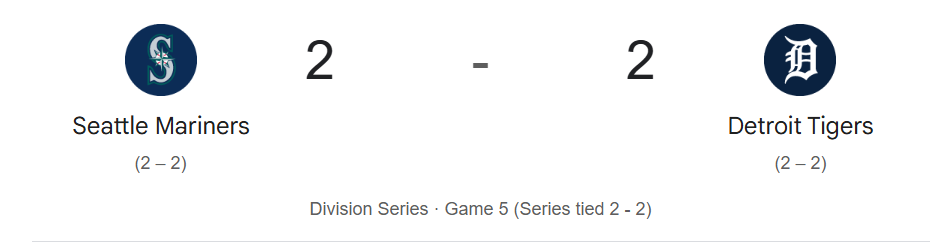
    The Detroit Tigers won 4–2 in extra innings, eliminating the Mariners and advancing to the ALCS.

    Q2: How did Tarik Skubal perform?
    Skubal struck out 13 batters over six innings, allowing just one earned run. It was one of the best pitching performances of the 2025 postseason.

    Q3: Why was this game considered shocking?
    Seattle had the lead, home-field advantage, and a rested bullpen — yet Detroit overcame it all in dramatic fashion.

    Q4: What records were set?
    Skubal’s 13 strikeouts were a postseason record for a Tigers pitcher in an elimination game.

    Q5: Who were the standout hitters?
    Kerry Carpenter’s two-run homer and Detroit’s twelfth-inning rally sealed it. Jorge Polanco and Leo Rivas delivered Seattle’s key RBIs.

    Q6: What’s next for both teams?
    Detroit advances to the ALCS with confidence. Seattle enters an offseason with questions about depth and composure under pressure.

    Q7: Will this game be remembered among great playoff battles?
    Without question. Tigers vs Mariners 2025 will be replayed for years as a lesson in perseverance and unpredictability.


    So, what do you think was the real turning point? Drop your thoughts in the comments. And if you enjoyed this breakdown, share it. Because some games deserve to be remembered — and this one, without question, is among them.

    Cardiac Arrest, Heart Attack & Heart Failure: 7 Must-Know Facts

    0

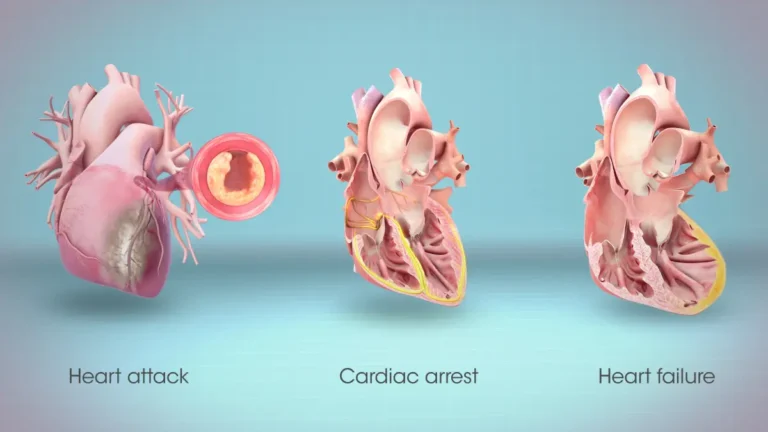
    Your heart works tirelessly every second, yet most people only think about heart health when something goes wrong. Cardiac arrest, heart attack, and heart failure are often confused, but each represents a distinct threat to your heart.

    As a health researcher with experience analyzing cardiovascular studies and clinical guidelines, I have reviewed data from the American Heart Association (AHA), Mayo Clinic, and peer-reviewed journals to provide reliable, actionable guidance. Understanding these conditions can save lives.

    According to the AHA, heart disease is the leading cause of death worldwide, and knowing the differences between these conditions can save lives. This guide covers 7 essential heart care facts everyone should know.


    1. Understanding Cardiac Arrest

    Cardiac arrest occurs when the heart suddenly stops beating due to an electrical malfunction. Unlike a heart attack, it’s not caused by blocked arteries.

    Symptoms:

    • Sudden collapse
    • No pulse
    • Loss of consciousness

    Treatment: Immediate CPR and use of an AED are critical.

    Fact: Around 356,000 out-of-hospital cardiac arrests happen annually in the U.S., according to the AHA. Rapid response can double or triple survival rates.


    2. Recognizing a Heart Attack

    A heart attack happens when blood flow to a part of the heart is blocked, usually by a blood clot, damaging heart muscle.

    Symptoms:

    • Chest pain or pressure
    • Pain in arms, neck, jaw, or back
    • Shortness of breath
    • Cold sweat, nausea, or dizziness

    Treatment: Medications, angioplasty, or surgery. Early recognition improves survival and reduces long-term heart damage.

    Tip: Regular monitoring of blood pressure, cholesterol, and blood sugar helps prevent heart attacks.


    3. Understanding Heart Failure

    Heart failure occurs when the heart cannot pump blood efficiently. It often results from previous heart attacks, high blood pressure, or chronic diseases like diabetes.

    Symptoms:

    • Fatigue and weakness
    • Shortness of breath
    • Swelling in legs, ankles, or feet
    • Rapid or irregular heartbeat

    Treatment: Lifestyle changes, medications, and sometimes surgical interventions help manage symptoms and improve quality of life.


    4. Differences Between Cardiac Arrest, Heart Attack, and Heart Failure

    FeatureCardiac ArrestHeart AttackHeart Failure
    DefinitionSudden stop of the heart due to electrical malfunctionBlockage of blood flow to the heart muscleWeakened heart that cannot pump blood efficiently
    CauseElectrical disturbance in heart rhythmBlood clot in coronary arteriesLong-term damage from heart attack, high blood pressure, or chronic disease
    OnsetSudden, often without warningCan be sudden or gradualGradual, develops over time
    SymptomsCollapse, no pulse, loss of consciousnessChest pain, pain in arm/jaw/back, shortness of breath, nauseaFatigue, shortness of breath, swelling in legs/ankles, rapid heartbeat
    UrgencyEmergency — requires immediate CPR and AEDEmergency — medical intervention needed quicklyRequires ongoing management, lifestyle changes, and sometimes surgery
    TreatmentCPR, defibrillation, emergency careMedications, angioplasty, surgeryMedications, lifestyle modification, sometimes devices or surgery
    PrognosisSurvival depends on rapid responseEarly treatment improves outcomeManageable with proper care; progression can be slowed

    Key takeaway: Understanding these differences is crucial because the response and treatment vary for each condition. Rapid recognition can save lives.


    5. Lifestyle Choices That Protect Your Heart

    Heart care strategies include:

    • Healthy diet: Fruits, vegetables, whole grains, lean proteins, and healthy fats. Avoid trans fats, sugar, and processed foods.
    • Exercise: 150 minutes of moderate aerobic activity weekly. Brisk walking 20–30 minutes/day is effective.
    • Quit smoking: Reduces risk of heart attack, cardiac arrest, and heart failure.
    • Limit alcohol: Moderate consumption is essential.
    • Sleep: 7–8 hours nightly restores heart function.

    Expert insight: Studies show that even small, consistent lifestyle changes reduce cardiovascular risk significantly.

    More from Blogs: Heart Care Tips: Prevent Heart Problems Before They Start


    6. Monitoring Health Indicators

    Regular checkups help detect risk factors early:

    • Blood pressure: Maintain below 120/80 mmHg
    • Cholesterol: LDL <100 mg/dL, HDL >50 mg/dL
    • Blood sugar: Fasting glucose <100 mg/dL
    • Weight & BMI: Healthy waist circumference under 40 inches (men), 35 inches (women)

    Professional tip: Early detection through routine monitoring allows timely intervention.


    7. Stress Management for a Healthy Heart

    Chronic stress raises cortisol and blood pressure, harming your cardiovascular system.

    Stress-reduction techniques:

    • Meditation or deep breathing
    • Journaling or mindfulness
    • Social connections and support
    • Hobbies like walking or gardening

    Experience-based insight: Patients integrating mindfulness into routines show measurable improvements in blood pressure and heart rate variability.


    8. Emergency Preparedness

    Cardiac Arrest:

    • Call emergency services immediately
    • Start CPR if trained
    • Use an AED if available

    Heart Attack:

    • Seek emergency care promptly
    • Take prescribed medications

    Trustworthy guidance: Early intervention saves lives. Educating friends and family about heart signs increases survival rates.


    Preventive Measures Across Ages

    • 20s–30s: Focus on diet, exercise, and avoiding smoking
    • 40s–50s: Begin routine screenings for cholesterol, blood pressure, and heart function
    • 60+: Monitor symptoms of heart failure and maintain moderate activity

    Expert advice: Consistent heart care reduces lifetime risk of cardiac events.


    Key Takeaways

    Cardiac arrest, heart attack, and heart failure are serious threats, but most are preventable. Awareness, lifestyle choices, and regular monitoring save lives. Understanding symptoms and acting quickly in emergencies is vital.

    Call to Action: Share this guide to help loved ones understand heart care — it could save a life.


    FAQs

    1. How is cardiac arrest different from a heart attack?
    Cardiac arrest is a sudden stop of the heart due to electrical malfunction. Heart attack is caused by blocked blood flow to the heart.

    2. Can heart failure be reversed?
    Some damage is permanent, but medications and lifestyle changes improve heart function.

    3. How do I recognize cardiac arrest?
    Sudden collapse, unresponsiveness, or no pulse requires immediate CPR.

    4. Are heart attacks sudden or gradual?
    They may develop gradually, with chest pressure, fatigue, or shortness of breath appearing first.

    5. How can I prevent heart disease?
    Healthy diet, exercise, stress management, quitting smoking, and regular checkups.

    6. Does stress contribute to heart problems?
    Yes, chronic stress raises blood pressure and disrupts heart rhythm.

    7. Where can I get reliable heart health information?
    Refer to the American Heart Association for verified guidance.


    Disclaimer:

    The information provided in this blog is for educational and informational purposes only. It is not intended as a substitute for professional medical advice, diagnosis, or treatment. Always seek the guidance of your physician or other qualified health professional with any questions you may have regarding a medical condition or before starting any new health, diet, or exercise program. Do not disregard professional medical advice or delay seeking it because of something you read on this blog.

    Heart Care Tips: Prevent Heart Problems Before They Start

    0

    Your heart beats about 100,000 times a day, pumping life through your body without a break. Yet most people only think about heart care when something goes wrong — when chest pain strikes, blood pressure spikes, or a loved one faces a health scare. The truth is, heart problems don’t happen overnight. They develop quietly, shaped by years of choices about what we eat, how we move, and how we manage stress.

    According to the American Heart Association (AHA), heart disease remains the leading cause of death worldwide, responsible for 1 in every 5 deaths in the United States alone. The good news? Up to 80% of cardiovascular diseases are preventable through early lifestyle changes and proper heart care.

    What this really means is: your daily habits decide your heart’s future. Let’s break down practical, science-backed ways to protect it — before problems start.


    Understanding Heart Care

    Heart care isn’t just about avoiding heart attacks. It’s a lifelong commitment to strengthening your cardiovascular system, maintaining healthy blood pressure, and preventing plaque buildup in your arteries.

    Good heart care combines:

    • Healthy lifestyle choices — what you eat, how active you are, how you sleep.
    • Medical awareness — monitoring cholesterol, sugar levels, and blood pressure.
    • Mental well-being — because stress, anxiety, and depression directly affect heart rhythm and blood pressure.

    Taking care of your heart means taking care of your entire lifestyle.


    The Importance of Early Prevention

    Most people wait until their 40s or 50s to think seriously about their heart. But the truth is, prevention should start in your 20s and 30s. Artery damage and cholesterol buildup begin long before symptoms appear.

    Key risk factors include:

    • High blood pressure
    • High LDL (“bad”) cholesterol
    • Smoking
    • Obesity
    • Sedentary lifestyle
    • Uncontrolled diabetes
    • Chronic stress

    The American Heart Association warns that even slightly elevated blood pressure over time can significantly raise your risk of heart disease and stroke. So the earlier you start focusing on heart care, the greater your chances of avoiding problems later in life.


    Eat for a Stronger Heart

    Your diet is the cornerstone of heart health. Every meal either strengthens your heart or silently strains it.

    Foods that Help Heart Care

    • Fruits and vegetables: Rich in antioxidants and fiber. Aim for colorful plates — berries, spinach, oranges, and bell peppers.
    • Whole grains: Oats, brown rice, and whole-wheat bread help lower cholesterol.
    • Healthy fats: Include olive oil, avocados, and nuts. Omega-3s from fish (salmon, mackerel) support heart rhythm.
    • Lean proteins: Choose poultry, beans, and lentils instead of red or processed meats.

    Foods to Limit

    • Trans fats & processed oils — often found in packaged snacks.
    • Excessive salt — too much sodium leads to high blood pressure.
    • Sugary drinks — soft drinks, flavored coffees, and energy drinks contribute to insulin resistance.
    • Refined carbs — white bread and pastries spike blood sugar and harm heart function.

    A practical rule: if your food didn’t exist 100 years ago, your heart probably doesn’t need it today.


    Exercise: The Natural Heart Medicine

    Exercise is the most underrated heart care tool. It strengthens the heart muscle, improves blood flow, and helps regulate cholesterol and blood pressure.

    What Works Best

    • Aerobic exercise (Cardio): Walking, swimming, or cycling for 30 minutes a day.
    • Strength training: Two sessions per week to improve circulation and reduce fat.
    • Stretching or yoga: Reduces stress and keeps blood vessels flexible.

    According to AHA guidelines, adults should get at least 150 minutes of moderate activity or 75 minutes of vigorous activity per week.

    If you’re new to exercise, start simple — brisk walking for 20 minutes a day can cut your risk of heart disease by nearly 30%.


    Manage Stress Before It Manages You

    Chronic stress is like rust on the inside — slow, silent, and damaging. When you’re constantly stressed, your body releases adrenaline and cortisol, which increase heart rate and blood pressure.

    Heart Care Stress Management Tips

    • Deep breathing or meditation: Just 10 minutes daily can lower blood pressure.
    • Digital breaks: Limit doom-scrolling and constant notifications.
    • Healthy social life: Strong relationships reduce anxiety and promote emotional stability.
    • Hobbies: Gardening, reading, or even cooking can calm your nervous system.

    A peaceful mind keeps the heartbeat steady.


    Regular Checkups and Medical Awareness

    Even if you feel healthy, routine checkups are essential. Many heart problems — like high cholesterol or hypertension — show no early symptoms.

    Key Health Checks

    • Blood pressure: Aim for below 120/80 mm Hg.
    • Cholesterol levels: Maintain LDL below 100 mg/dL and HDL above 50 mg/dL.
    • Blood sugar: Keep fasting glucose under 100 mg/dL.
    • BMI and waist size: Obesity increases heart strain; a waist circumference under 40 inches (men) or 35 inches (women) is ideal.

    If your family has a history of heart disease, start regular screenings earlier.

    For official recommendations and heart health assessments, refer to the American Heart Association.


    Quit Smoking and Limit Alcohol

    Smoking damages your arteries, reduces oxygen in your blood, and doubles your risk of heart attack. Quitting isn’t easy, but every smoke-free day begins repairing your arteries.

    Alcohol, in excess, raises blood pressure and can lead to irregular heartbeat. If you drink, do so in moderation — one drink a day for women, two for men, max.

    More from Blogs: Transform Your Life with Yoga and Meditation


    Sleep and Heart Care

    You might not connect your sleep with your heart, but poor sleep raises cortisol and blood pressure. Adults need 7–8 hours of quality sleep per night for optimal heart function.

    Try these small changes:

    • Stick to a consistent bedtime.
    • Avoid caffeine and screens an hour before bed.
    • Keep your room dark, cool, and quiet.

    Good sleep restores your heart the way rest restores a muscle after a workout.


    Signs You Should Never Ignore

    While prevention is key, early recognition saves lives. Seek immediate medical attention if you notice:

    • Chest pain or tightness
    • Shortness of breath
    • Dizziness or fainting
    • Unexplained fatigue
    • Pain radiating to the arm, jaw, or back

    Never assume it’s “just gas” or “just stress.” Acting fast can be the difference between life and loss.


    Heart Care for Every Age

    • In your 20s: Build habits — eat smart, stay active, sleep well.
    • In your 30s: Manage stress and monitor blood pressure.
    • In your 40s–50s: Schedule full heart checkups and stay consistent with exercise.
    • 60 and beyond: Focus on light activity, balanced nutrition, and social engagement.

    Your heart adapts to the care you give it — at any age.


    Key Takeaways

    Heart care isn’t about fear; it’s about empowerment. Every step — choosing water over soda, walking after dinner, laughing more, sleeping better — shapes a future where your heart beats strong and steady.

    You don’t need perfection, just consistency. Start with one healthy choice today, then another tomorrow.

    If this guide helped you understand how small habits can protect your heart, share it with someone you care about. Awareness is the first step toward prevention — and your words might just save a life.


    FAQs

    1. What are the best foods for heart care?
    Leafy greens, whole grains, fish rich in omega-3s, nuts, and berries are the best foods for maintaining heart health.

    2. How much exercise is enough for heart health?
    At least 30 minutes of moderate exercise (like brisk walking) five days a week is ideal for heart care.

    3. Can stress cause heart problems?
    Yes. Chronic stress raises blood pressure and hormone levels that strain your heart.

    4. How often should I get my heart checked?
    At least once a year if you’re over 30 or have risk factors like high blood pressure or diabetes.

    5. Does sleep really affect the heart?
    Absolutely. Poor sleep increases the risk of high blood pressure and heart disease.

    6. Can I reverse heart damage with lifestyle changes?
    While some damage can’t be undone, healthy habits can stop progression and improve heart function.

    7. What is the first sign of a weak heart?
    Shortness of breath, fatigue, or chest discomfort are early warning signs. Seek medical advice immediately.


    Disclaimer:

    The information provided in this blog is for educational and informational purposes only. It is not intended as a substitute for professional medical advice, diagnosis, or treatment. Always seek the guidance of your physician or other qualified health professional with any questions you may have regarding a medical condition or before starting any new health, diet, or exercise program. Do not disregard professional medical advice or delay seeking it because of something you read on this blog.

    Craig Bellamy Welsh Football Legend: Career, Life, and Legacy

    0

    Craig Bellamy’s name evokes a blend of admiration and controversy in the world of football. From his fiery passion on the pitch to his candid personality off it, Bellamy’s journey from Cardiff’s working-class streets to becoming a Welsh football legend is a tale of triumph, tribulation, and undeniable talent.


    Early Life and Rise to Prominence

    Born on July 13, 1979, in Cardiff, Wales, Craig Douglas Bellamy’s early life was marked by challenges. Raised in a working-class neighborhood, he faced asthma and often found himself in and out of hospitals. Yet, his love for football was unwavering. At just nine years old, he joined the Bristol Rovers academy, a testament to his early promise. Despite Cardiff City overlooking his potential, Bellamy’s determination saw him rise through the ranks, eventually making his professional debut with Norwich City in 1996.


    Club Career: From Norwich to Premier League Stardom

    Bellamy’s club journey is a testament to his adaptability and skill. Over his career, he played for several top-tier clubs:

    • Norwich City: Bellamy’s professional debut came here, where he showcased his potential.
    • Coventry City: A brief stint that saw him make a significant impact.
    • Newcastle United: Where he truly made his mark, helping the team achieve top-four finishes.
    • Celtic (loan): A short-term move that added a Scottish Cup to his accolades.
    • Blackburn Rovers: Continued his Premier League journey with notable performances.
    • Liverpool: A return to the Premier League’s elite, contributing to the team’s successes.
    • West Ham United: Another chapter in his Premier League story.
    • Manchester City: Played a role in the club’s rise to prominence.
    • Cardiff City: A return to his roots, where he concluded his playing career.

    Throughout these stints, Bellamy’s pace, work ethic, and eye for goal made him a fan favorite and a formidable opponent.


    International Career: A Proud Welshman

    Bellamy’s commitment to Wales was unwavering. Making his debut in 1998, he earned 78 caps and scored 19 goals for his country. He captained Wales during challenging times, leading by example both on and off the pitch. His dedication to representing Wales, even when the team faced adversity, solidified his status as a national hero.


    Controversies and Challenges

    No discussion of Craig Bellamy is complete without addressing the controversies that followed him. Known for his fiery temperament, he was involved in several on-field altercations and public disputes. One notable incident was a reported altercation with teammate John Arne Riise during a training session at Liverpool. Such events often overshadowed his footballing achievements, leading to mixed perceptions of his character.

    Off the pitch, Bellamy faced challenges in his coaching career. In 2019, he stepped down from his role at Cardiff City following allegations of creating an “unacceptable coaching environment.” Though no formal disciplinary action was taken, Bellamy issued a public apology, acknowledging the need for improvement in his approach.

    More from Blogs: Did the Yankees Win Last Night?


    Managerial Career: From Player to Coach

    Transitioning from player to coach, Bellamy took on roles that allowed him to shape the next generation of footballers. He served as a coach for Cardiff City’s youth academy and later took up positions in Belgium and England. His most significant achievement came in 2024 when he was appointed as the head coach of the Wales national team. Under his leadership, Wales achieved an impressive record, remaining unbeaten in their first four matches, including a notable victory over Montenegro in the Nations League.


    Personal Life: Beyond the Spotlight

    Off the pitch, Bellamy is a family man. He married his childhood sweetheart, Claire Jansen, in 2006, and the couple has three children. Despite the pressures of professional football, Bellamy has always emphasized the importance of family and community.


    Legacy: A Complex Hero

    Craig Bellamy’s legacy in Welsh football is multifaceted. On one hand, he is celebrated for his skill, dedication, and leadership. On the other, his controversies have sparked debates about his character. However, what remains indisputable is his impact on the game. He inspired countless young Welsh players and brought attention to the nation’s footballing potential.


    Key Takeaways

    Craig Bellamy’s journey from the streets of Cardiff to becoming a Welsh football legend is a testament to resilience, talent, and passion. While his career was marked by challenges and controversies, his contributions to Welsh football are undeniable. As Wales continues to develop its footballing identity, Bellamy’s story serves as both an inspiration and a reminder of the complexities that come with fame and success.


    FAQs

    1. What teams did Craig Bellamy play for?

    Bellamy played for several clubs, including Norwich City, Coventry City, Newcastle United, Celtic, Blackburn Rovers, Liverpool, West Ham United, Manchester City, and Cardiff City.

    2. How many goals did Craig Bellamy score for Wales?

    Bellamy scored 19 goals in 78 appearances for the Welsh national team.

    3. What controversies surrounded Craig Bellamy?

    Bellamy was involved in several on-field altercations and public disputes. Notably, he had a reported altercation with teammate John Arne Riise during a training session at Liverpool.

    4. When did Craig Bellamy become Wales’ head coach?

    Bellamy was appointed as the head coach of the Wales national team in July 2024.

    5. What is Craig Bellamy’s legacy in Welsh football?

    Bellamy is remembered for his skill, dedication, and leadership on the pitch. Despite controversies, his impact on Welsh football is significant, inspiring many young players.

    Note: This article is based on publicly available information and aims to provide an overview of Craig Bellamy’s career and legacy.

    Varinder Singh Ghuman Death: Punjab’s Pride Bodybuilder-Actor Leaves Fans in Shock

    0

    When news broke that Varinder Singh Ghuman, Punjab’s powerhouse bodybuilder and actor, had passed away, it stunned fans across India. The man known for his towering physique, disciplined lifestyle, and magnetic screen presence had become more than a celebrity—he was an icon. His death reminds us how fragile life is—even for those who seem invincible.

    In this post, we’ll explore his life, career, impact, and the shockwaves his death sends through fitness, cinema, and culture. But more than that, we’ll draw out lessons about health, balance, and legacy.


    Life and Legacy of Varinder Singh Ghuman

    Early Life and Bodybuilding Journey

    Varinder Singh Ghuman hailed from Gurdaspur, Punjab, and quickly made a name for himself in the world of bodybuilding. He rose to fame by winning Mr. India in 2009 and securing a second-place finish in Mr. Asia.

    What made him stand out wasn’t just his size or strength—but his conviction. He was recognized as the world’s first vegetarian professional bodybuilder, challenging conventional notions about diet and performance.

    He also worked as a brand ambassador for health products tied to Arnold Schwarzenegger’s name in Asia—an exceptional achievement for an Indian athlete.

    From Muscle Stage to the Silver Screen

    Ghuman didn’t confine himself to gym contests. He transitioned into acting: his credits include Kabaddi Once Again (Punjabi film) and appearances in Bollywood, including Tiger 3.

    By combining fitness with film, he carved a niche few have access to—and widened respect for strong, disciplined individuals in Indian cinema.


    The Sad Announcement: His Untimely Death

    On 9 October 2025, Varinder Singh Ghuman passed away at the age of 47. His family confirmed that the cause was a heart attack.

    This came as a surprise—many assumed someone so physically disciplined would be shielded from such medical emergencies. The shock, grief, and questions from fans and peers poured in instantly.

    In Punjab’s entertainment, film, and fitness circles, the loss is deeply felt. Tributes have come from actors, singers, veterans of Punjabi cinema, and everyday fans.

    More from Blogs: Wellness Lifestyle: Proven Habits from Around the World


    Why His Death Feels Harsh, But Inspiring

    The Negative: Mortality in a Strong Body

    It hurts to see someone who epitomized strength fall to something as invisible as a heart attack. You ask: if he could overcome such physical challenges, why couldn’t he outrun disease?

    That stark contrast—strength vs vulnerability—is unsettling. It exposes a hard truth: fitness, fame, and discipline don’t guarantee immunity.

    The Positive: His Legacy as a Motivator

    Yet, his life reminds us how far vision, passion, and perseverance can take a person. He broke stereotypes: a vegetarian bodybuilder, a Punjabi face in Bollywood, a fitness star with broad appeal.

    His journey motivates others to dream bigger, challenge norms, and go beyond their comfort zones.


    Remembering His Impact

    On Fitness Culture

    Varinder Singh Ghuman didn’t just win contests; he changed perceptions. His vegetarian stance challenged traditional norms in a field dominated by high-protein, meat-heavy diets.

    He inspired gym-goers, especially youth in Punjab and beyond, to believe that discipline and belief matter more than convention.

    On Punjabi & Indian Cinema

    By crossing over into films, Ghuman helped bridge fitness and entertainment. His presence in Tiger 3 and Kabaddi Once Again gave him a platform to reach millions beyond bodybuilding circles.

    His work showed that a muscular frame could be more than muscle—it could be character, narrative, presence.

    On Cultural Identity

    As a proud Punjabi, Ghuman became a figure of local pride who embraced his roots while branching into national and international arenas. He showed that you don’t need to leave your identity behind to succeed globally.


    Hard Questions & Life Lessons

    Why Did This Happen?

    Without a full medical autopsy report, we can’t know for sure. But heart health is complex, and several factors—genetics, stress, diet, lifestyle imbalance—may converge even in high performers.


    Important Learnings

    1. Don’t assume you’re invincible. Fitness is excellent—but regular health checkups are indispensable.
    2. Balance ambition with rest. The body needs recovery, not constant strain.
    3. Listen to symptoms silently. Ignore mild discomfort at your peril.
    4. Mentor & legacy matter. Use your platform to lift others, pass on wisdom, not just gains.
    5. Celebrate small wins. We often wait for big milestones—but every disciplined day counts.

    Closure

    The death of Varinder Singh Ghuman feels both tragic and provocative. It reminds us that even giants are mortal, yet his life was a testament to passion, courage, and excellence.

    It’s tempting to mourn only, but his journey calls us to act: stay healthy, stay curious, and use whatever platform we have to inspire others. Let his story teach us that greatness is more than muscle—it’s heart, mind, and impact.


    FAQs about Varinder Singh Ghuman & His Passing

    Q1: Who was Varinder Singh Ghuman?
    He was an Indian bodybuilder and actor from Punjab. He won Mr. India 2009 and was second in Mr. Asia. He also acted in films like Kabaddi Once Again and Tiger 3.

    Q2: When did Varinder Singh Ghuman die?
    He died on 9 October 2025 from a reported heart attack.

    Q3: What was the cause of his death?
    His family confirmed it was a heart attack.

    Q4: What were his notable films?
    Kabaddi Once Again in Punjabi cinema and Tiger 3 in Bollywood.

    Q5: How did he influence bodybuilding?
    As a vegetarian bodybuilder, he challenged norms and expanded the perception of what was possible in the sport.

    Q6: What’s his legacy?
    His legacy is multifaceted: fitness pioneer, actor, cultural figure, and inspiration to thousands who saw him as proof that idols can come from anywhere.

    If this moved you, please share this tribute, leave your memories or messages in the comments, and keep his spirit alive in your own daily battles.

    IRS Announces 2026 Tax Changes: What Every American Should Know

    0

    2026 Tax Changes: Bold Shifts, Smart Moves You Should Know

    The IRS has just dropped the 2026 Tax updates, and it’s time to pay attention. Whether you’re a middle-income earner, a retiree, or a business owner, these changes will affect your bottom line in surprising ways. Some are positive: extra deductions, inflation adjustments. Some are unsettling: new taxes, stricter rules, shrinking credits. But here’s what really matters — knowing what to do now so you aren’t blindsided come tax season.

    Imagine: you planned for 2025 taxes based on last year’s laws, but early in 2026 you find out your bracket, deduction, or credit changed without your knowing. That’s frustrating — and expensive. This is your chance to get ahead, adjust your strategy, and make smart moves before the year closes.

    Let’s get into the heart of the 2026 Tax shift.


    What’s Changing Under the 2026 Tax Regime

    Major Adjustments & Headlines

    Here are the key shifts that are already confirmed or strongly projected:

    • Bracket tweaks: The IRS is expected to adjust tax brackets upward (roughly 2–2.7%) for inflation to prevent “bracket creep.”
    • Standard deduction rises: For individuals, it jumps to ~$16,100, and for married couples filing jointly, ~$32,200.
    • New “senior bonus deduction”: Taxpayers aged 65+ may get an additional $6,000 deduction through 2028.
    • Overtime deduction: A new provision allows deduction of part of overtime pay (the “half time” portion), under certain income caps.
    • Auto interest deduction: Up to $10,000 interest on qualifying car loans (for U.S. assembled vehicles) becomes deductible (2025–2028 window) under new rules.
    • SALT cap increase: The cap for state and local tax deduction expands to ~$40,000 (for some filers), instead of the old $10,000 limit.
    • Remittance/excise tax: A 1% tax on certain money transfers abroad starting Jan 1, 2026.
    • Phasing out paper refunds: Starting Sept 30, 2025, paper tax refund checks will be phased out when possible, shifting to electronic payments.

    Some of these are under the new law known as the One Big Beautiful Bill (OBBBA), which extends and amends many provisions of the previous tax framework.


    Who Stands to Gain—and Who Should Worry

    Winners

    • Middle-income earners: The inflation adjustments in brackets and increased standard deduction can reduce tax burden slightly.
    • Seniors: The additional senior deduction is a clear boost.
    • Overtime workers: Those earning extra hours may find savings via the new overtime deduction.
    • Homeowners in high-tax states: A higher SALT cap might restore some deductibility previously lost.

    At-Risk Groups

    • High earners: Some deductions and credits phase out at upper thresholds, making benefits less relevant.
    • People with foreign transfers or remittances: The 1% excise tax adds cost.
    • Those relying on paper-based refunds or less common refund methods: The shift to digital could pose challenges.
    • Those with non-standard income or deductions under scrutiny: New rules and tightening may catch them off guard.

    Uncertainties & Risks

    • Law Phase-Outs: Many new deductions (overtime, auto interest) are limited to the 2025–2028 window.
    • Adjustments: Inflation, legislative tweaks, and IRS rulings could shift thresholds.
    • IRS capacity: Staffing cuts and delays may slow processing or create confusion.
    • Enforcement and complexity: New rules bring room for errors, audits, or penalties.

    More from Blogs: Frost and Freeze Warning USA 2025


    What You Should Do Now (Before 2026)

    1. Estimate your 2026 Tax Liability

    Use projected brackets and deductions to model your income, especially if you earn bonuses, freelance, or have variable income.

    2. Time Income and Deductions Strategically

    If possible, accelerate income into 2025 or defer some until 2026 depending on which year is more favorable.
    Group deductible expenses (medical, charity) strategically around the cutoff.

    3. Maximize Retirement & Pre-Tax Accounts

    Contribute to 401(k), IRA, HSA, or similar before year-end to reduce taxable income.

    4. Explore Deductions You Might Miss

    • Overtime deduction
    • Auto interest deduction (if applicable)
    • SALT deductions (within new higher cap)

    5. Prepare for Digital Refunds

    Make sure your bank account info is up to date, and switch to direct deposit or electronic refund methods if you haven’t already.

    6. Stay Informed & Adjust

    Monitor IRS announcements, read guidance under the OBBBA, and consult a tax professional—especially if your situation is complex.


    Deep Dive: Key Provisions & Explained

    Brackets and Inflation Adjustments

    To prevent “bracket creep,” the IRS annually adjusts income thresholds for inflation. For 2026, the bump is projected around 2–2.7%. But the bottom two brackets may get a stronger 4% bump under the new law.

    Overtime Pay Deduction

    Previously, overtime income flowed into regular taxable income. Under the new law, the “extra half-time” portion might now be deductible (with limitations). That’s a positive change for those who worked significant overtime.

    Auto Interest Deduction

    If you bought a U.S.-assembled vehicle, up to $10,000 in interest might now be deductible (2025–2028). IRS This is relatively niche but can benefit some buyers.

    SALT Deduction Cap Increase

    Previously capped at $10,000, the SALT deduction cap rises to $40,000 for eligible filers. For taxpayers in states with high state or property taxes, this is a welcome relief. However, phase-outs apply for higher incomes.

    Remittance / Excise Tax

    Starting Jan 1, 2026, certain transfers abroad may incur a 1% excise tax. This affects some expatriates, international students, and those sending money to family abroad.

    Phasing Out Paper Refunds

    Paper tax refund checks will be phased out beginning Sept 30, 2025. The shift means most refunds must go by direct deposit or electronic method.


    Key Takeaways

    The 2026 Tax changes bring both opportunity and complexity. On the bright side, several new deductions, inflation adjustments, and reliefs may reduce your liability. On the darker side, new excise taxes, rule changes, and enforcement risk can bite if you’re unprepared.

    Here’s what to do:

    • Estimate your tax now under the new structure
    • Time income & deductions carefully
    • Max out retirement and deduction-eligible expenses
    • Switch to digital refunds
    • Keep an eye on IRS announcements and adjust as guidance comes

    Don’t wait until tax season to react—start preparing now. If you found this useful, share this post, leave a comment with your biggest 2026 tax concern, and consider subscribing for updates as new IRS guidance drops.


    FAQs: What You’re Asking About the 2026 Tax

    Q1: When will the IRS release the final 2026 Tax brackets?
    A: Typically mid-October to early November.

    Q2: Will everyone’s tax rate go up because of 2026 changes?
    A: Not necessarily — many rate changes are upward adjustments for inflation or new deductions that lower effective rates for many. But some will see increased liability depending on their income and deductions.

    Q3: Is the overtime deduction automatic or optional?
    A: It’s a new elective deduction for qualifying overtime pay, subject to limits. Verify eligibility with a tax advisor.

    Q4: Do I have to switch to direct deposit now, or later?
    A: You don’t have to switch immediately, but to avoid issues when paper checks are phased out, setting up direct deposit or electronic refund methods early is wise.

    Q5: Will these changes affect my 2025 return filed in 2026?
    A: Some provisions are retroactive or span both years (e.g. parts of OBBBA), so it’s possible. Monitor IRS guidance.

    Q6: How can I reduce my tax burden under the new rules?
    A: Use deductions smartly, time income and expenses, max out pre-tax retirement accounts, and plan with a tax professional.

    Q7: What about business owners and self-employed under 2026 Tax rules?
    A: Many individual-based changes (deductions, bracket adjustments) apply to pass-through income. Business owners should watch changes in itemized deductions, SALT limits, and audit risk.


    Did the Yankees Win Last Night? Full Game Recap, Score & Highlights

    0

    Did the Yankees Win Last Night? Here’s the Full Game Recap

    Every Yankees fan wakes up with the same question after a big game — “Did we win last night?” Whether you missed the game or want a full analysis, we’ve got you covered with the latest score, highlights, and expert breakdown of how it all unfolded.

    The New York Yankees, one of Major League Baseball’s most storied franchises, played the Toronto Blue Jays last night in Game 4 of the ALDS. Unfortunately, the Yankees lost 5–2, ending their postseason run and their hopes for another World Series appearance.

    Let’s take a deeper look into how the game played out, who stood out, and what this means for the Yankees’ season ahead.


    Quick Game Summary

    DetailResult
    MatchupNew York Yankees vs. Toronto Blue Jays
    DateOctober 8, 2025
    Final ScoreYankees 2 – Blue Jays 5
    LocationRogers Centre, Toronto
    Game TypeALDS Game 4
    Winning PitcherJosé Berríos (Blue Jays)
    Losing PitcherCarlos Rodón (Yankees)
    Home RunsVladimir Guerrero Jr. (TOR), Giancarlo Stanton (NYY)

    The Game Recap — What Went Wrong?

    The Yankees entered Game 4 trailing the Blue Jays 2–1 in the series. With elimination on the line, manager Aaron Boone relied on Carlos Rodón to keep the team alive.

    However, Toronto’s bats were relentless from the start. In the second inning, Vladimir Guerrero Jr. hit a two-run homer off Rodón, putting the Yankees in an early hole. Despite a solo shot by Giancarlo Stanton in the fourth inning, the Yankees couldn’t maintain momentum.

    Defensive lapses and inconsistent pitching allowed Toronto to widen the lead, while New York’s offense struggled to convert with runners in scoring position — a recurring theme throughout the series.


    Read More:-Frost and Freeze Warning USA 2025: Weather Forecast, Safety Tips, and Regional Breakdown


    Key Moments That Defined the Game

    1. Guerrero’s Early Blast Set the Tone

    Toronto’s slugger Vladimir Guerrero Jr. wasted no time giving his team control. His second-inning homer energized the home crowd and forced Rodón to pitch under pressure.

    2. Missed Chances for the Yankees

    The Yankees loaded the bases in the sixth inning with only one out, but a double play ended the threat. That single moment shifted momentum fully in Toronto’s favor.

    3. Bullpen Struggles Continue

    New York’s bullpen — once a strength — has been inconsistent this postseason. A two-run double in the seventh sealed the Yankees’ fate.


    Player Stats Breakdown

    PlayerHitsRunsRBIsHome RunsBatting Avg
    Aaron Judge1000.267
    Giancarlo Stanton2111.300
    Gleyber Torres1000.250
    Anthony Rizzo0000.212
    Carlos Rodón (P)5 ER in 4.2 IP

    Analyzing the Yankees’ Season Performance

    A Rollercoaster Regular Season

    The Yankees’ 2025 season was filled with ups and downs. Despite strong performances from Aaron Judge, Stanton, and rookie sensation Jasson Domínguez, injuries and inconsistent pitching plagued the team.

    They secured a Wild Card spot after finishing with a 91–71 record, but struggled against teams with elite bullpens — a weakness that Toronto exploited perfectly.

    Pitching Remains the Biggest Concern

    While Gerrit Cole continued to dominate as the ace, the back end of the rotation was shaky. Both Rodón and Nestor Cortes had inconsistent outings down the stretch, leaving the bullpen overworked.

    Offensive Sparks Were Too Infrequent

    The Yankees’ offense ranked among the top in home runs but was middle-of-the-pack in batting average and runs scored. Their heavy reliance on power hitting often hurt them in low-scoring, contact-heavy games like last night’s.


    Games Highlights — The Few Bright Spots

    Even in defeat, there were moments worth celebrating.

    • Giancarlo Stanton’s Home Run: His solo shot in the fourth inning was a reminder of his postseason power.
    • Anthony Volpe’s Defense: The young shortstop made two incredible diving plays, showcasing his Gold Glove potential.
    • Aaron Judge’s Leadership: Despite limited production at the plate, Judge rallied his teammates throughout the game.

    What’s Next?

    The Yankees’ early playoff exit leaves several questions for the offseason. Here are some storylines to watch:

    1. Will Aaron Boone Return as Manager?

    Fan sentiment is split. While Boone remains respected, another playoff disappointment might push the front office to consider change.

    2. Roster Overhaul on the Horizon

    Expect the Yankees to explore free-agent pitchers and contact hitters. Potential targets include Blake Snell and Cody Bellinger, both of whom fit New York’s needs.

    3. Aaron Judge’s Health and Leadership

    Judge’s recurring toe and wrist issues remain a concern. The Yankees’ success in 2026 may depend on his ability to stay healthy and lead the team offensively.


    Yankees’ Upcoming Schedule

    Even though the postseason is over for them, fans can still look forward to spring training and offseason updates.

    EventDateLocation
    Spring Training StartFebruary 25, 2026Tampa, Florida
    Opening Day 2026March 31, 2026Yankee Stadium
    Old-Timers’ DayJune 15, 2026Yankee Stadium
    All-Star BreakJuly 14, 2026TBD

    Fan Reactions on Social Media

    The loss sparked a wave of reactions across platforms. Fans expressed both disappointment and hope for next year.
    Some highlights from fan sentiments include:

    “Tough loss, but proud of how the team fought all season.”
    “We need more clutch hitting — can’t rely on homers alone.”
    “Boone’s time might be up. It’s time for a new direction.”

    Despite the frustration, the fanbase remains one of the most loyal and passionate in sports.


    Statistical Insights — How the Yankees Stack Up

    CategoryRank (2025)League Average
    Home Runs2nd
    Team ERA6th
    Batting Average13th
    Runs Scored11th
    Fielding Percentage4th

    The stats show a balanced team with potential — but to compete with elite teams like the Dodgers or Braves, consistency remains key.


    FAQs:

    Q1: Did the Yankees win last night?

    No, they lost 5–2 to the Toronto Blue Jays in Game 4 of the ALDS, ending their playoff run.

    Q2: Who hit home runs?

    Giancarlo Stanton hit a solo home run in the fourth inning.

    Q3: Who pitched for the Yankees?

    Carlos Rodón started the game and gave up five earned runs in 4.2 innings.

    Q4: What’s next?

    The team enters the offseason focusing on roster upgrades, particularly in pitching and contact hitting.

    Q5: When is the Yankees’ next game?

    The next scheduled appearance will be during Spring Training in February 2026

    Jonathan Rinderknecht Arrest: The Full Story Behind the Palisades Fire Investigation

    0

    Jonathan Rinderknecht Arrest: The Full Story Behind the Palisades Fire Investigation

    The arrest of Jonathan Rinderknecht, a 29-year-old man from Florida, has shaken both California and the broader United States. Authorities claim he deliberately started the Palisades Fire, one of Los Angeles’ most destructive wildfires in recent memory. The incident left twelve people dead, destroyed thousands of structures, and caused billions in property damage.

    This article explores who Rinderknecht is, the events that led to his arrest, the nature of the evidence against him, and the broader legal and social implications of this extraordinary case.

    Who Is Jonathan Rinderknecht?

    Personal Background

    Jonathan Rinderknecht is a Florida resident, reportedly living in Melbourne at the time of his arrest. Before moving to Florida, he lived for several years in Pacific Palisades, a coastal neighborhood in Los Angeles known for its hills, hiking trails, and expensive homes.

    Friends and acquaintances describe him as quiet and tech-savvy, someone who often experimented with artificial intelligence and digital art tools. He worked part-time as a rideshare driver and occasionally as a freelance digital artist.

    While little else is known about his personal life, his connection to the Palisades region became a critical factor in the ongoing federal investigation.

    The Palisades Fire: Timeline and Devastation

    How It Started

    The Palisades Fire was not an ordinary wildfire. According to investigators, it began as a smaller incident known as the Lachman Fire on January 1, 2025. The initial blaze broke out in a remote area above Pacific Palisades, near a hiking trail popular with locals.

    Although firefighters quickly extinguished visible flames, smoldering embers reportedly remained underground, hidden within roots and dry vegetation.

    Rekindling and Escalation

    Six days later, on January 7, powerful Santa Ana winds swept across Southern California. Those winds are known to rapidly spread small fires — and that’s exactly what happened. The underground embers reignited, and within hours, the flames raced through canyons, fueled by dry brush and gusting winds.

    By dawn, the small blaze had transformed into a massive inferno, spreading toward residential areas of Pacific Palisades, Malibu, and parts of the Santa Monica Mountains.

    The Scale of Destruction

    The Palisades Fire was among the most catastrophic events in recent Los Angeles history. The numbers tell a devastating story:

    CategoryEstimated Impact
    Acres BurnedMore than 23,000 acres
    Homes Destroyed or DamagedAround 6,800
    Fatalities12 confirmed deaths
    InjuriesDozens treated for burns and smoke inhalation
    Estimated Financial DamageOver $2 billion in property loss

    The disaster forced mass evacuations and left thousands of residents without homes. It also reignited debates about wildfire management, arson prevention, and the accountability of individuals whose actions spark such devastation

    Evidence Linking Jonathan Rinderknecht to the Fire

    H3: Digital Clues and ChatGPT Connection

    One of the most striking aspects of the investigation is how digital forensics played a key role. Authorities say Rinderknecht used ChatGPT, an artificial intelligence tool, months before the fire to create a digital image depicting a burning city.

    Prosecutors claim this image — described as dark and dystopian — suggested a fascination with destruction. While creating art with AI is not a crime, investigators used it to argue potential premeditation or an interest in fire-related imagery.

    Digital traces also revealed that he frequently listened to music and watched videos featuring themes of chaos, fire, and rebirth — data that prosecutors say helped establish motive and mindset.

    Read More:-Amazon Prime Day USA Deals 2025: Budget Buys Worth Every Cent

    Location and Surveillance Evidence

    Investigators reconstructed Rinderknecht’s movements on the night of the fire using GPS data, phone records, and video footage. His phone pinged near the Skull Rock Trailhead, the precise area where the initial blaze was believed to have started.

    He reportedly ended his rideshare shift around midnight and parked his vehicle near the ignition point. Shortly afterward, his phone camera captured short clips of vegetation illuminated by a lighter.

    Authorities say that several pieces of surveillance footage also place him near the site both before and after the initial fire started.

    Behavioral Evidence

    Rinderknecht’s behavior following the fire reportedly raised additional suspicions. He allegedly messaged a friend shortly after the incident, referencing “a spark that would change everything.”

    He then deleted portions of his browsing history, factory-reset his phone, and traveled back to Florida within days. Prosecutors believe these actions demonstrate an effort to conceal evidence.

    Elimination of Other Causes

    Fire investigators meticulously examined alternative causes such as lightning, electrical faults, fireworks, or accidental sparks from hikers. None of these explanations matched the ignition pattern.

    Laboratory analysis found traces of accelerant at the site — a finding that supports the theory of intentional ignition.

    Jonathan Rinderknecht arrest : Legal Proceedings and Federal Charges

    Nature of the Charges

    Rinderknecht has been charged under federal arson laws for destruction of property by means of fire. Because the Palisades Fire affected federal lands, including parts of the Santa Monica Mountains National Recreation Area, the case falls under federal jurisdiction.

    Federal arson is among the most severe non-homicide crimes in the U.S. legal system. The minimum sentence is five years in federal prison, while the maximum penalty can reach twenty years or more, depending on the resulting harm.

    If prosecutors link his alleged actions directly to the deaths caused by the blaze, additional felony murder or manslaughter charges could follow.

    Court Process and Defense

    Rinderknecht was arrested in Florida and appeared before a federal magistrate for an initial hearing. The case is expected to be transferred to the Central District of California, where the main trial will take place.

    His defense attorney has argued that the case against him relies too heavily on circumstantial evidence, digital traces, and speculative interpretations of online activity. The defense also questions whether an AI-generated image can legitimately be considered proof of criminal intent.

    Legal experts note that this case may test the limits of AI evidence in criminal law, raising questions about privacy, artistic expression, and intent.

    Potential Sentences and Civil Repercussions

    If convicted, Rinderknecht faces the following consequences:

    ChargePossible Sentence
    Federal arson5 to 20 years in prison
    Property destruction10 to 15 years
    Causing injury or deathUp to life imprisonment
    Civil lawsuits (from victims)Unlimited financial damages

    Insurance companies and affected homeowners are also preparing to file civil litigation seeking compensation for property losses. If proven guilty, Rinderknecht could face hundreds of millions in damages — potentially for life.

    Broader Implications: AI, Wildfires, and Accountability

    AI and Criminal Investigations

    The Jonathan Rinderknecht case represents one of the first times AI-generated content has appeared in a major federal arson prosecution.

    This raises challenging legal questions:

    • Does creating digital art related to fire imply criminal intent?
    • How far can law enforcement go when analyzing someone’s AI prompts or creative work?
    • Should AI activity logs be considered private communications?

    As courts explore these questions, the case could establish new precedents for how digital creativity intersects with criminal intent.

    Wildfire Prevention Lessons

    Beyond the courtroom, this case also exposes deep flaws in how communities detect and respond to smoldering fires. Experts point out that the Lachman Fire should have been monitored more closely after it was initially extinguished.

    Post-fire patrols, infrared imaging, and soil temperature checks can reveal underground embers that might reignite later. Yet due to limited resources, these precautions often go neglected.

    The Palisades Fire highlights the urgent need for investment in wildfire technology, including satellite surveillance, drone monitoring, and predictive modeling powered by artificial intelligence.

    Legal and Financial Consequences

    For California’s legal system, the Palisades Fire will likely become a landmark in wildfire litigation. It blends traditional arson law with emerging technologies, AI evidence, and complex jurisdictional questions.

    For insurers, it underscores the growing financial risk of wildfire disasters. Companies that handle wildfire insurance claims are already adjusting premiums in high-risk areas, a change that could affect thousands of homeowners across the state.

    Public Reaction and Media Coverage

    The story of Jonathan Rinderknecht’s arrest has ignited public debate across social media and news platforms. Many are shocked that someone with no known criminal history could be linked to such widespread devastation. Others question whether digital behavior, like generating a fictional image of fire, should be treated as criminal evidence.

    Wildfire survivors, meanwhile, have called for harsher penalties for anyone found guilty of starting fires, accidental or otherwise. The tragedy has also inspired community efforts focused on fire safety education, mental health awareness, and environmental recovery.

    FAQs about-Jonathan Rinderknecht Arrest

    Q1: Who is Jonathan Rinderknecht?
    A: Jonathan Rinderknecht is a 29-year-old Florida resident accused of starting the Palisades Fire in Los Angeles. He faces federal arson and property destruction charges.

    Q2: What is the Palisades Fire?
    A: It was a massive wildfire that began in early 2025, burning over 23,000 acres, destroying thousands of homes, and causing multiple fatalities in Los Angeles County.

    Q3: What evidence links Rinderknecht to the blaze?
    A: Prosecutors cite phone data, location records, surveillance footage, and digital art he allegedly created before the fire.

    Q4: Why is AI evidence relevant?
    A: Investigators believe his use of an AI tool to generate fire imagery shows possible intent or fascination with destruction, a point his defense disputes.

    Q5: What punishment could he face?
    A: Federal arson carries 5 to 20 years in prison, and additional charges could raise that to life imprisonment.

    Q6: How will this case affect future wildfire investigations?
    A: It may redefine how digital evidence, AI activity, and creative expression are treated in arson and terrorism cases.

    Q7: Could victims sue for damages?
    A: Yes. Victims and insurance companies may file civil lawsuits seeking compensation for destroyed property and emotional distress.