
More
    Home Blog Page 25

    D’Angelo Net Worth, Biography, Albums, and Career Revival

    0

    D’Angelo, born Michael Eugene Archer, is widely regarded as one of the most influential figures in modern R&B and neo-soul. From his breakthrough in the 1990s to a challenging career hiatus and his recent revival, D’Angelo’s story reflects talent, perseverance, and resilience. This blog explores his net worth, biography, iconic albums, and his career resurgence while offering insights into the artistry and challenges behind his music.


    Early Life and Biography

    Michael Eugene Archer was born on February 11, 1974, in Richmond, Virginia. Raised in a musical family, D’Angelo developed an early love for soul, funk, and gospel music. Influenced by legends such as Prince, Marvin Gaye, and Stevie Wonder, he began performing in church choirs and local talent shows.

    By his teenage years, D’Angelo was already experimenting with songwriting and production, setting the stage for a professional music career. His blend of smooth vocals, intricate arrangements, and classic soul sensibilities would later define the neo-soul movement.


    Breakthrough and Early Career of D’Angelo

    D’Angelo’s debut album, “Brown Sugar” (1995), introduced the world to his signature sound—a fusion of soul, funk, and R&B. Critics praised the album for its raw emotion, groove-heavy instrumentation, and D’Angelo’s silky vocals. Hits like “Brown Sugar” and “Lady” became instant classics, earning him Grammy nominations and establishing him as a rising star.

    The success of Brown Sugar set the stage for D’Angelo’s second album, “Voodoo” (2000). This album would solidify his reputation as an innovator, blending live instrumentation with a sultry, intimate sound. Tracks like “Untitled (How Does It Feel)” became cultural phenomena, showcasing both his vocal prowess and magnetic stage presence.


    Albums and Musical Legacy

    Brown Sugar (1995)

    • Debut album that redefined contemporary R&B
    • Hits include “Brown Sugar,” “Lady,” and “Cruisin’”
    • Launched neo-soul movement alongside artists like Erykah Badu and Maxwell

    Voodoo (2000)

    • Grammy-winning masterpiece with critical acclaim
    • Produced collaborations with Questlove and other members of The Soulquarians
    • Iconic tracks: “Untitled (How Does It Feel),” “Spanish Joint,” “Send It On”
    • Showcased D’Angelo’s experimental approach, blending funk, soul, and jazz

    Black Messiah (2014)

    • Released after a 14-year hiatus
    • Critically acclaimed as a socially conscious album
    • Explored themes of racial injustice, spirituality, and personal growth
    • Tracks: “Really Love,” “The Charade,” “Back to the Future (Part I)”

    D’Angelo’s albums are more than music; they’re cultural statements. His influence extends to contemporary artists like Frank Ocean, Miguel, and Anderson .Paak, who draw inspiration from his innovative approach to rhythm, melody, and soul storytelling.

    More from Blogs: Why Trump is Getting Israel’s Presidential Medal of Honour: The Full Story


    Career Struggles and Hiatus

    Despite early success, D’Angelo faced personal and professional challenges. Issues with the music industry, public scrutiny, and personal struggles led to a prolonged hiatus. Between 2000 and 2014, he largely disappeared from the public eye, focusing on recovery and rethinking his artistic vision.

    While many feared his career might never recover, D’Angelo returned stronger than ever. His experiences during this period added depth to his music, resulting in a more mature, reflective sound in Black Messiah.


    Career Revival of D’Angelo

    The release of Black Messiah in 2014 marked a significant turning point. Critics and fans hailed the album as a groundbreaking work of art, noting its intricate production, socially conscious lyrics, and D’Angelo’s powerful vocal performances.

    • Critical Acclaim: Praised by Rolling Stone, Pitchfork, and The Guardian
    • Awards: Grammy for Best R&B Performance
    • Touring: Extensive live performances re-established D’Angelo as a must-see act

    His revival demonstrates resilience, showing that artists can return from personal struggles and still produce impactful, culturally significant work.


    Net Worth and Earnings of D’Angelo

    As of 2025, D’Angelo’s net worth is estimated at $8 million, derived from album sales, touring, royalties, and collaborations. While not among the wealthiest artists in mainstream R&B, his influence and legacy are far-reaching:

    • Album sales: Millions worldwide, particularly Brown Sugar and Voodoo
    • Touring revenue: Highly sought-after for live performances
    • Collaborations: Work with artists like Erykah Badu, The Roots, and Raphael Saadiq
    • Licensing and royalties: Music used in films, commercials, and documentaries

    His financial journey mirrors his personal one—modest compared to some peers but rich in cultural impact and artistic legacy.


    Influences and Artistic Style

    D’Angelo’s sound blends:

    • Soul and Funk: Deep grooves and live instrumentation
    • Jazz Elements: Complex chords and improvisation
    • Neo-Soul Innovation: Laid-back, sensual delivery, storytelling focus

    He is known for improvisational live shows, emotional intensity, and pushing the boundaries of R&B production. His style is a blueprint for the neo-soul genre, influencing countless contemporary artists.


    Awards and Recognition

    • Grammy Awards: Best R&B Album (Voodoo), Best R&B Performance
    • Soul Train Music Awards: Multiple nominations and wins
    • Cultural Influence: Recognized as a key figure in neo-soul movement

    His recognition reflects both talent and perseverance, showing that artistic integrity often leads to long-term respect and legacy.


    Lessons from D’Angelo’s Journey

    1. Perseverance in Adversity: Career gaps don’t define future success.
    2. Artistic Authenticity: Staying true to one’s style cultivates lasting influence.
    3. Cultural Impact Over Commercial Gain: Influence is measured beyond net worth.
    4. Continual Growth: Personal and professional evolution enrich creative output.

    Closure

    D’Angelo’s journey from struggling artist to iconic neo-soul legend exemplifies resilience, creativity, and authenticity. His net worth may be modest compared to pop megastars, but his impact on music and culture is profound. From Brown Sugar to Black Messiah, D’Angelo continues to inspire a new generation of artists while reminding fans of the enduring power of soulful artistry.


    FAQs

    Q1: What is D’Angelo’s net worth?
    A: As of 2025, D’Angelo’s net worth is estimated at $8 million, earned through albums, touring, and collaborations.

    Q2: What albums is D’Angelo known for?
    A: Brown Sugar, Voodoo, and Black Messiah are his most celebrated albums.

    Q3: What challenges did D’Angelo face in his career?
    A: He faced personal struggles, industry pressure, and public scrutiny, leading to a 14-year hiatus.

    Q4: When did D’Angelo make his comeback?
    A: His major career revival occurred in 2014 with the release of Black Messiah.

    Q5: How has D’Angelo influenced modern music?
    A: He helped define the neo-soul genre and influenced artists like Frank Ocean, Anderson .Paak, and Miguel.

    Q6: Has D’Angelo won major awards?
    A: Yes, including Grammy Awards for Voodoo and Best R&B Performance.

    Q7: Where can I find more verified information about D’Angelo?
    A: BBC Music – D’Angelo


    If you enjoyed this deep dive into D’Angelo’s life and music, share this article and leave your thoughts in the comments. Discuss your favorite songs, albums, or moments from his career revival.

    Why Trump is Getting Israel’s Presidential Medal of Honour: The Full Story

    0

    Israel’s Presidential Medal: Trump’s Honor for Peace Efforts

    On October 13, 2025, former U.S. President Donald Trump was awarded Israel’s Presidential Medal of Honor, the nation’s highest civilian distinction. This recognition came in the wake of his pivotal role in brokering a ceasefire between Israel and Hamas, leading to the release of 20 Israeli hostages and the return of 28 others. The announcement was made by Israeli President Isaac Herzog, who lauded Trump’s efforts as instrumental in ending a two-year conflict and fostering a new era of peace in the region.


    Understanding Israel’s Presidential Medal of Honor

    Established in 2012 by then-President Shimon Peres, Israel’s Presidential Medal of Honor is awarded to individuals—both Israeli citizens and foreigners—who have made outstanding contributions to the State of Israel or to humanity. The criteria for receiving the medal include:

    • Exceptional Service: Demonstrating significant impact through public service, leadership, or other notable efforts.
    • Advancement of Israel’s Interests: Contributing to the security, well-being, and international standing of Israel.
    • Promotion of Peace and Cooperation: Fostering relations that lead to peaceful coexistence and mutual understanding.

    The medal is a symbol of national gratitude and recognition, highlighting the recipient’s dedication to the values and security of Israel.


    Trump’s Role in the Gaza Ceasefire

    The catalyst for Trump’s recognition was his involvement in facilitating a ceasefire between Israel and Hamas. The conflict, which had resulted in significant loss of life and heightened tensions, saw a turning point when Trump engaged in diplomatic efforts to mediate peace. His administration’s involvement included:

    • Diplomatic Engagement: Coordinating with international partners to pressure both parties towards negotiations.
    • Hostage Negotiations: Playing a critical role in securing the release of hostages held by Hamas, a move that garnered widespread acclaim.
    • Strategic Support: Providing logistical and intelligence support to ensure the safety of hostages and the success of the ceasefire.

    Israeli officials, including Prime Minister Benjamin Netanyahu, praised Trump’s decisive leadership, crediting him with saving countless lives and transforming the trajectory of Middle Eastern affairs New York Post.


    The Significance of the Award

    Receiving the Israeli Presidential Medal of Honor is a rare and distinguished honor. Past recipients have included world leaders, philanthropists, and individuals who have made significant contributions to global peace and security. Trump’s award underscores several key points:

    • International Diplomacy: The recognition highlights the importance of active engagement and mediation in resolving global conflicts.
    • U.S.-Israel Relations: It reflects the strong bilateral ties and mutual respect between the United States and Israel.
    • Personal Legacy: For Trump, this award adds to his legacy of international diplomacy and peacemaking efforts.

    Reactions from Israeli Leadership

    Israeli President Isaac Herzog expressed profound gratitude, stating, “Through his tireless efforts, President Trump has not only helped bring our loved ones home but has also laid the foundations for a new era in the Middle East built on security, cooperation, and genuine hope for a peaceful future”.

    Prime Minister Netanyahu echoed these sentiments, referring to Trump as “Israel’s greatest friend” and nominating him for the Israel Prize, the country’s most prestigious award.


    Broader Implications

    Trump’s award carries implications beyond the immediate context of the Gaza ceasefire:

    • Middle Eastern Peace: It sets a precedent for future diplomatic interventions by global leaders in regional conflicts.
    • Global Recognition: The award places a spotlight on the role of international figures in promoting peace and security.
    • U.S. Foreign Policy: It may influence future U.S. foreign policy approaches, emphasizing the importance of direct engagement in conflict resolution.

    More from Blogs: Gaza Ceasefire 2025


    Closure

    The conferral of Israel’s Presidential Medal of Honor upon Donald Trump marks a significant moment in international diplomacy. It acknowledges the impact of individual leaders in shaping global peace and underscores the enduring importance of dialogue, negotiation, and cooperation in resolving conflicts. As the Middle East continues to navigate complex challenges, such recognitions serve as a reminder of the potential for positive change through dedicated and thoughtful leadership.


    FAQs: Israel’s Presidential Medal of Honor

    1. What is Israel’s Presidential Medal of Honor?

    Israel’s Presidential Medal of Honor is the country’s highest civilian award, established in 2012, recognizing individuals who have made exceptional contributions to Israel or humanity.

    2. Why was Donald Trump awarded this honor?

    Trump was recognized for his instrumental role in brokering a ceasefire between Israel and Hamas, leading to the release of hostages and contributing to regional peace efforts.

    3. Who else has received this medal?

    Past recipients include world leaders, philanthropists, and individuals who have significantly impacted global peace and security.

    4. What does this award signify for U.S.-Israel relations?

    The award underscores the strong bilateral ties and mutual respect between the United States and Israel, highlighting the importance of international cooperation.

    5. How does this affect Trump’s legacy?

    The recognition adds to Trump’s legacy of international diplomacy and peacemaking efforts, showcasing his role in global conflict resolution.

    Plane Crash in Massachusetts: What Really Happened in the Skies That Day

    0

    Plane Crash in Massachusetts: “A tragic crash, yet lessons in safety must rise“.

    On the morning of October 13, 2025, residents of Dartmouth, Massachusetts, were jolted awake by a shocking scene: a small plane plummeting onto Interstate 195, bursting into flames, and scattering debris across the highway. What began as a routine flight ended in tragedy and disruption, leaving two dead and one injured on the ground.

    Hours later, investigators, emergency responders, and terrified onlookers were left with more questions than answers. In this post, we’ll unpack what is known now, what likely went wrong, what safety lessons we can draw, and how aviation oversight plays a role in preventing such disasters.


    The Incident: Timeline & Key Facts

    Early Morning Crash

    At approximately 8:15 a.m. local time, the small fixed-wing aircraft crashed into the median of Interstate 195 in Dartmouth, Massachusetts. The plane caught fire upon impact, producing dark smoke visible for miles.

    Fatalities and Injuries

    • Two people aboard the plane were confirmed dead.
    • One person on the ground was injured; transported by car to St. Luke’s Hospital.
    • The identities of those on board have not been released, pending next-of-kin notification.

    Road Closures & Disruption

    Because the crash occurred on a major highway, I-195 was shut down in both directions near exit 19 while authorities secured the site and cleared wreckage. Drivers were diverted and delays persisted for several hours.

    Weather & Conditions

    At the time, a powerful nor’easter was impacting the region, bringing heavy rain and wind gusts of 30–40 mph (48–64 kph). Stormy weather may have compromised visibility, added turbulence, or created wind shear.

    Flight Plan & Communications

    Interestingly, reports suggest that no flight plan or passenger manifest was filed with the New Bedford Regional Airport. Authorities suspect the pilot was aiming to land there.

    The National Transportation Safety Board (NTSB) and FAA are expected to lead the investigation.

    More from Blogs: Gaza Ceasefire 2025


    Possible Causes: What Experts Will Examine

    While investigations are ongoing, aviation professionals typically evaluate several possible causes. Below are the leading hypotheses:

    Weather-Related Factors

    • Turbulence & Wind Shear: In storm conditions, sudden changes in wind speed/direction can destabilize aircraft, especially during landing approach.
    • Low Visibility: Heavy rain and cloud cover might have affected pilot’s ability to see the runway or highway.
    • Icing or Moisture Intrusion: In some weather systems, moisture can affect instruments, sensors, or engine performance.

    Pilot & Human Factors

    • No Filed Flight Plan: Conducting flights without a formal plan removes oversight and increases risk during emergencies.
    • Decision-Making Under Pressure: In deteriorating conditions, pilot may have attempted a risky landing or approach.
    • Fatigue or Stress: Pilot condition (rest, hours flown) could influence judgment in critical moments.

    Mechanical or Structural Failure

    • Engine Failure: Sudden loss of engine power during approach leaves little margin to recover.
    • Control System Anomalies: Issues in flight controls, instrumentation, or sensors can mislead pilot responses.
    • Fuel Contamination or Leaks: Poor fuel quality or structural leaks could cause performance failure mid-flight.

    Navigation & Communication Limitations

    • Lack of Flight Plan & Coordination: No formal communication with airport authorities may mean missing guidance or warnings.
    • Instrument Malfunction or Misreadings: If instruments misled the pilot about altitude, airspeed, or orientation, the approach could go awry.

    Real-Life Impact: Stories from the Ground

    Eyewitness Accounts

    People traveling I-195 reported sudden brake jams, distracted driving, and fear as smoke rose ahead. One driver said, “We all just kind of sat there waiting… then police said there had been a plane crash.” Others spotted a burning wreck and a damaged car nearby; whether that car was involved or a victim is still unclear.

    Such moments capture the shock — an ordinary commute turned into a disaster scene in seconds.

    Emergency Response

    Local fire, EMS, state police, and highway officials quickly converged to:

    • Douse flames and secure debris
    • Assess injured individuals
    • Shut down traffic and facilitate safe detours
    • Begin site preservation for investigation

    The coordination between multiple agencies under time pressure underscores the complexities of responding to such a crash.


    Why This Matters: Broader Implications & Safety Lessons

    Safety Protocols & Regulation

    When a small aircraft flies without formal coordination (no flight plan, no manifest), oversight is weakened. Investigators will scrutinize FAA/airport communication protocols, regulatory compliance, and safety management systems.

    Weather Monitoring & Flight Planning

    Modern aviation relies heavily on meteorological data. For smaller or private aircraft, weather system changes can be underestimated. Pilots must integrate real-time weather updates and consider delaying flights in volatile conditions.

    Infrastructure Risk: Roads & Flight Paths

    The fact the crash landed on a highway introduces new risk vectors — for passing drivers, vehicles, and infrastructure. Communities near airports and flight approach corridors must stay vigilant.

    Transparency & Communication

    Delays in releasing victim identities or crash details are common due to legal and emotional reasons. However, clear, factual public updates foster trust and prevent speculation and misinformation.


    What To Watch For (Investigation Red Flags)

    Here are key signals that will emerge as the investigation proceeds:

    IndicatorWhy It Matters
    Flight recorder dataReveals altitude, speed, control inputs
    Black box / cockpit voice recordingsCaptures pilot communications
    Weather logs & radarConfirms wind, precipitation, turbulence at time
    Maintenance historyChecks for prior faults or issues
    Pilot’s log & hours flownReveals experience, rest, possible fatigue
    Air traffic & tower logsIf control tower saw anomalies
    Wreckage distribution & burn patternsIndicates crash dynamics

    A thorough, multi-point analysis is the hallmark of credible investigation. That’s how agencies uphold Authoritativeness and Trustworthiness.


    What You Can Do (If You’re a Pilot, Commuter, or Enthusiast)

    1. Check routes and forecasts before flying — Don’t fly under marginal weather unless fully prepared.
    2. File formal flight plans — It not only ensures oversight but also expedites response if something goes wrong.
    3. Stay informed of press updates — Reliable sources (FAA, NTSB) vs. rumors.
    4. Support local safety advocacy — Push for better flight path zoning and road safeguards near airports.
    5. Promote transparency — Demand prompt and factual briefings from authorities to counter speculation.

    Lessons From the Crash

    1. Even small planes demand full compliance — Safety protocols aren’t optional.
    2. Weather is a silent adversary — Always give it high weight in decision-making.
    3. Roadside crash hazards are real — Infrastructure and public traffic can become part of the disaster footprint.
    4. Investigation rigor is essential — Evidence, transparency, and multi-agency cooperation build trust.
    5. Communication matters — Clear updates mitigate panic and misinformation in communities.

    Closure

    The Plane Crash in Massachusetts on October 13 was tragic and complex — a convergence of severe weather, procedural gaps, and perhaps human or mechanical failure. The known facts — two lives lost, one wounded, highway chaos — demand careful, empathetic study. Over time, investigations will shed light on causes.

    What this crash really teaches us is the importance of rigorous aviation safety, procedural discipline, and swift, transparent investigation. In honoring those lost, we must also demand improvements that prevent a repeat.

    If you found this breakdown helpful, please share to raise awareness, leave your thoughts or questions in the comments — and let’s honor lives lost by pushing for safer skies.


    FAQs: Plane Crash in Massachusetts

    Q1: Was the plane trying to land at New Bedford Regional Airport?
    Preliminary reports suggest yes. However, the pilot apparently did not file a flight plan with the airport.

    Q2: Why no flight plan or passenger list?
    That’s unusual and will be a major focus. Flying without these reduces oversight, complicates emergency response, and violates standard aviation norms.

    Q3: Could weather alone cause such a crash?
    Possibly, especially in severe storms. Wind shear, poor visibility, and turbulence are known hazards during approach and landing phases.

    Q4: Is this a small private plane?
    Yes — reports indicate a small fixed-wing aircraft. No commercial or large passenger flight is implicated.

    Q5: Will the FAA or NTSB lead the probe?
    Likely both. Local and state officials initially respond, but the FAA and NTSB usually take over formal investigations.

    Q6: How long before cause determination?
    These investigations often take months to years. Early reports will provide probable causes; final reports take more time as evidence is analyzed.

    Q7: Could this happen again?
    While aviation safety has improved greatly over decades, no system is perfect. Each crash drives regulations and improvements to reduce future risk.

    Hassan Haskins Contract Breakdown: Salary, Cap Hit, and 2025 Outlook

    0

    Hassan Haskins Contract Breakdown: Salary, Cap Hit, and 2025 Outlook

    Hassan Haskins’ journey from a standout college running back to a pivotal role in the NFL is a testament to resilience, adaptability, and determination. As the Los Angeles Chargers navigate a challenging 2025 season, Haskins finds himself in a position to significantly impact the team’s success. This comprehensive analysis delves into Haskins’ contract details, career trajectory, and what the 2025 season holds for him.


    Hassan Haskins Early Life and College Career

    Born on November 26, 1999, in St. Louis, Missouri, Hassan Haskins developed a passion for football at a young age. Standing 6’1″ and weighing 220 pounds, his physical attributes made him a formidable presence on the field. Haskins attended Eureka High School, where he showcased his talent as a running back, earning All-State honors and setting multiple school records.

    Haskins continued his football journey at the University of Michigan, where he played for the Wolverines from 2018 to 2021. Over his collegiate career, he amassed 2,324 rushing yards, 171 receiving yards, and 30 total touchdowns. In his senior year, Haskins set a Michigan single-season rushing touchdown record with 20 touchdowns, earning First-Team All-Big Ten honors and second-team All-American recognition.


    NFL Draft of Hassan Haskins Contract

    In the 2022 NFL Draft, Haskins was selected by the Tennessee Titans in the fourth round, 131st overall. He signed a four-year rookie contract valued at $4,352,220, which included a $692,220 signing bonus and guaranteed money of the same amount. The contract’s average annual value (AAV) stands at $1,088,052.

    Contract Breakdown:

    • 2022: Base salary of $705,000 with a cap hit of $878,055.
    • 2023: Base salary of $475,000 with a cap hit of $648,055.
    • 2024: Base salary of $985,000 with a cap hit of $985,000.
    • 2025: Base salary of $1,100,000 with a cap hit of $1,100,000.

    In August 2024, Haskins was waived by the Titans and subsequently claimed off waivers by the Los Angeles Chargers, where he continues to play.


    Career Stats and Achievements

    College Stats:

    • Rushing Yards: 2,324
    • Rushing Touchdowns: 30
    • Receiving Yards: 171
    • Receiving Touchdowns: 0
    • Games Played: 32

    NFL Stats (as of 2025 season):

    • Games Played: 17
    • Rushing Attempts: 5
    • Rushing Yards: 13
    • Rushing Touchdowns: 0
    • Receiving Yards: 0
    • Receiving Touchdowns: 0

    While Haskins’ NFL stats may not yet reflect his full potential, his college performance and work ethic suggest that he has the capability to make significant contributions to the Chargers’ offense in the 2025 season.


    Why Hassan Haskins Was Drafted

    Haskins’ selection in the 2022 NFL Draft was influenced by several factors:

    1. Power Running Style: Haskins is known for his physical running style, capable of breaking tackles and gaining tough yards between the tackles.
    2. Pass Protection: His ability to protect the quarterback in passing situations made him an attractive option for teams seeking a reliable third-down back.
    3. Durability: Throughout his college career, Haskins demonstrated durability, carrying the ball 443 times without a fumble, showcasing his reliability and ball security.
    4. Versatility: While not a primary receiving threat, Haskins’ versatility allowed him to contribute in various roles, including special teams.

    These attributes made Haskins a valuable asset for the Titans and later the Chargers, who sought a dependable running back to complement their offensive scheme.

    More from Blogs: Power Grab or Necessary Reform? The Shocking Reality of CDC Layoffs


    Net Worth and Financial Outlook

    As of 2025, Hassan Haskins’ estimated net worth is approximately $3 million. This figure primarily stems from his NFL contracts, including his four-year, $4.35 million rookie deal, and his 2025 base salary of $1.1 million


    2025 Outlook with the Chargers

    The 2025 season presents a unique opportunity for Haskins. With key injuries in the Chargers’ backfield, including the season-ending Achilles injury of Najee Harris and the recent ankle injury to rookie Omarion Hampton, Haskins finds himself in a more prominent role. His contract status for 2025 indicates a base salary of $1,100,000, with a cap hit of the same amount Over the Cap.

    Haskins’ experience and skill set position him to contribute significantly to the Chargers’ offense. His ability to gain tough yards, protect the quarterback, and contribute on special teams makes him a valuable asset as the team navigates a challenging season.


    Contract Summary Table

    YearTeamBase SalaryCap HitNotes
    2022Tennessee Titans$705,000$878,055Rookie season
    2023Tennessee Titans$475,000$648,055Sidelined due to legal issue
    2024Los Angeles Chargers$985,000$985,000Waived by Titans, claimed by Chargers
    2025Los Angeles Chargers$1,100,000$1,100,000Current season

    Key Takeaways

    Hassan Haskins’ journey from a standout college running back to a pivotal role in the NFL is a testament to resilience, adaptability, and determination. As the Los Angeles Chargers navigate a challenging 2025 season, Haskins finds himself in a position to significantly impact the team’s success. His experience, skill set, and work ethic make him a valuable asset as the team looks to overcome obstacles and achieve their goals.


    FAQs: About Hassan Haskins

    Q1: What is Hassan Haskins’ current contract status?

    A1: Haskins is under contract with the Los Angeles Chargers for the 2025 NFL season, with a base salary of $1,100,000.

    Q2: Why was Haskins placed on the Commissioner Exempt List in 2023?

    A2: Haskins faced legal issues stemming from an arrest in June 2023, leading to his placement on the Commissioner Exempt List, sidelining him for the entire 2023 season.

    Q3: Has Haskins played in any games since joining the Chargers?

    A3: Yes, Haskins appeared in all 17 regular-season games for the Chargers in 2024, contributing primarily on special teams and recording two rushing touchdowns.

    Q4: What is Haskins’ role in the Chargers’ backfield for the 2025 season?

    A4: With injuries to key players, including Najee Harris and Omarion Hampton, Haskins is expected to take on a more significant role in the Chargers’ backfield during the 2025 season.

    Q5: How does Haskins’ contract compare to other running backs?

    A5: Haskins’ contract is relatively modest compared to other running backs, reflecting his current role and experience level in the NFL.


    Where to Watch Denver Broncos vs New York Jets: FREE Live Stream & TV Channel Full Guide

    0

    If you’re hunting for how to stream Denver Broncos vs New York Jets live, you’re in the right place. This guide gives you everything you need—TV channels, free streaming options, and background on their rivalry, player matchups, and historical stakes. I’ve relied on verified sources to ensure trust and accuracy.


    How to Watch: Stream & TV Options for Denver Broncos vs New York Jets Match

    Before diving into stats and history, let’s make sure you can actually see the game.

    Broadcast & Streaming Info

    • TV Channel (U.S.): NFL Network
    • Live Stream: FuboTV (with trial options) – many users on platform guides report it includes NFL Network access.
    • Other Platforms: Cable login via provider apps, NFL+ (depending on market), or alternative streaming services carrying NFL Network.

    Tip: Because this is an international matchup in London, double-check that NFL Network is included in your streaming bundle. Sometimes international games have different blackout rules.

    Free or Lower-Cost Options

    • Use a free trial period (e.g. FuboTV offers trials).
    • Use a cable login if your account includes NFL Network.
    • Try shared access from family or friends.
    • In rare cases, local affiliates might simulcast part of the game.

    Just remember: quality internet and backup devices (phone, tablet) help ensure you don’t miss key moments.


    Rivalry & History: Denver Broncos vs New York Jets Over the Years

    The matchup between Denver Broncos vs New York Jets doesn’t have the longevity or intensity of divisional rivalries, but it has its own intriguing story.

    Head-to-Head Record – Denver Broncos vs New York Jets

    • The Broncos lead the all-time series: around 22–17–1 (Denver advantage)
    • In recent decades, the Jets have struggled, holding only a 4–6 record in their last 10 games against Denver.

    This edge reflects Denver’s consistency over time and occasional dominance in key games.

    Memorable Moments

    • In 2024, Denver won 10–9 in a defensive slugfest, with Bo Nix throwing his first NFL touchdown in that contest.
    • Over the years, the games have featured tight finishes, physical defenses, and occasional surprise plays.

    While the rivalry isn’t as storied as others, each meeting between Broncos and Jets tends to draw interest because of contrasting styles: Denver’s balanced, often rugged play vs New York’s flashes of offensive excitement.


    Player Matchups & Key Players to Watch

    To understand what may determine the outcome of Denver Broncos vs New York Jets, here are some key players and matchups to follow.

    Broncos Offense & Key Contributors

    • Bo Nix (QB): He’s had an inconsistent season so far: eight touchdowns but five turnovers. His ability to maintain composure will be crucial.
    • Offensive line shuffle: Denver’s starting left guard, Ben Powers, underwent surgery and is expected to miss two months. His absence could affect pass protection.
    • Running backs & receivers: Denver’s run game, complemented by efficient receivers, will need to exploit any Jets defensive vulnerabilities to keep drives alive.

    Jets Defense & Offensive Threats

    • Garrett Wilson (WR): He’s the Jets’ top receiving weapon. How well Denver covers him could swing momentum.
    • Malachi Moore (Safety / Defensive Back): The rookie is stepping into a bigger role and will be tested in coverage.
    • Jets run defense & pass rush: If New York can generate pressure and stop Denver’s ground game, they’ll force Bo Nix to make risky throws.

    X-Factor Matchup

    Denver’s defensive front vs Jets pass protection may be decisive. If Denver’s edge rushers can disrupt the pocket, they’ll force errors. Meanwhile, Jets must control or mitigate that pressure to allow their offense to function.


    Watching & Reading the Game: Key Moments to Track

    While watching Denver Broncos vs New York Jets, keep an eye on:

    • Trench battles: Who wins in the trenches (O-line vs D-line) will often dictate momentum.
    • Third-down conversions: Sustained drives versus quick punts.
    • Red zone efficiency: Capitalizing when you get inside the 20.
    • Turnovers & special teams plays: Surprise returns, blocked kicks, or interceptions often shift games.

    More from Blogs: Are Banks Closed on Columbus Day 2025?


    Step-by-Step Viewing Guide Recap – Denver Broncos vs New York Jets

    1. Confirm kickoff time and channel (NFL Network).
    2. Subscribe or log in to a streaming service that carries NFL Network (like FuboTV).
    3. Explore free trial windows or use existing cable access.
    4. Test stream early, have backup devices ready.
    5. Use strong internet connection for reliability.

    Final Word

    Whether you’re a Broncos fan, Jets loyalist, or just a football aficionado, Denver Broncos vs New York Jets offers more than just a game. It’s a test of strategy, execution, and mental grit. Use this guide to catch the match live, follow vital matchups, and appreciate what makes this showdown special.


    FAQs: Denver Broncos vs New York Jets

    1. What channel airs Denver Broncos vs New York Jets in the U.S.?
    NFL Network.

    2. Is there a free way to stream Broncos vs Jets?
    In some markets, the free trial option on FuboTV or using a cable login works.

    3. What is the all-time record between Broncos and Jets?
    Denver leads roughly 22–17–1 in the series.

    4. Which Broncos player is injured ahead of the game?
    Ben Powers, left guard, is undergoing surgery for a torn biceps and expected to miss weeks.

    5. Who are key players to watch in this game?
    Bo Nix (Broncos QB), Garrett Wilson (Jets WR), and Denver’s edge rushers vs Jets’ protection.

    6. Where is the game being played?
    Tottenham Hotspur Stadium, London.

    7. What’s the recent trend in this rivalry?
    Jets have gone 4–6 in the past 10, and Denver has historically dominated the series.


    If you liked this, share it, bookmark it, or drop a comment on your prediction. Seeing how the game unfolds will be just as fun as analyzing how it began.

    Power Grab or Necessary Reform? The Shocking Reality of CDC Layoffs

    0

    Introduction

    The term “cdc layoffs” might seem like a minor administrative issue, but it goes far beyond staff changes. The CDC is central to the nation’s ability to detect, monitor, and respond to disease outbreaks, chronic illnesses, and environmental health hazards. Any reduction in its workforce or capacity directly affects national public health preparedness.

    In 2025, sweeping cdc layoffs have created uncertainty, disrupted programs, and triggered debates about the future of U.S. public health infrastructure. Some staff have been rehired, and some layoffs reversed, but the long-term implications remain serious.

    This article examines the causes, scale, and consequences of these layoffs, explores the expert warnings, and evaluates future scenarios for the CDC.

    Background: Why the CDC Layoffs

    To understand the recent cdc layoffs, it’s important to examine the broader context.

    Budgetary Pressures and Administrative Goals

    The layoffs stem from several interrelated factors:

    • The Department of Health and Human Services (HHS) initiated a broad reorganization to reduce redundancy and cut costs.
    • Around 20,000 positions were targeted across HHS, including roughly 2,400 at the CDC.
    • Probationary employees, who had not yet reached permanent status, were especially vulnerable, representing about 10% of the CDC workforce.

    Ideological and Policy Shifts

    • Some officials viewed parts of CDC operations as redundant or misaligned with new administration priorities.
    • Certain programs, especially non-infectious disease initiatives, were proposed to merge into a new entity, the Administration for a Healthy America.
    • Critics argue that these decisions were influenced by political agendas rather than purely efficiency or budget considerations.

    Structural and Operational Considerations

    • HHS intended to consolidate multiple offices and streamline operations.
    • While “streamlining” may reduce overhead, it also risks cutting essential staff and expertise needed for disease surveillance and research.

    Historical Context of CDC Workforce Changes

    The CDC has historically undergone workforce adjustments, but few were as disruptive as the 2025 layoffs.

    YearEventOutcome
    2003SARS outbreak responseStaff increases in epidemiology and lab capacity
    2009H1N1 flu pandemicTemporary hires to boost surveillance and vaccine research
    2020COVID-19 pandemicRapid expansion of staff, global collaborations, data collection
    2025Current cdc layoffsLoss of 2,400 positions, disruption of key labs and programs

    This table shows how workforce levels at the CDC fluctuate in response to health crises. The current layoffs contrast sharply with historical increases, especially following pandemics.

    Timeline of 2025 CDC Layoffs

    MonthEventImpact
    Jan-Feb 2025Announcement of HHS reorganizationInitial concern about staff reductions
    Feb 2025Probationary employees targeted~1,300 employees at risk
    April 2025Major layoffs executedCritical labs and programs affected
    June 2025Partial rehiring722 CDC employees returned to service
    Oct 2025Government shutdown layoffs~1,100–1,200 notices issued; many rescinded

    This timeline highlights the instability and uncertainty surrounding CDC staffing during 2025.

    Scope and Scale of Layoffs

    • 2,400 positions proposed for cuts at CDC.
    • Staff affected include epidemiologists, lab technicians, program managers, and support staff.
    • Critical units impacted:
      • Disease surveillance and outbreak investigation
      • Lab operations, including viral sequencing and antibiotic resistance
      • Chronic disease and injury prevention programs
      • Freedom of Information Act office
      • Epidemic Intelligence Service officers and MMWR staff

    During the October 2025 government shutdown, additional notices compounded workforce uncertainty.

    https://qblogging.com/are-banks-closed-on-columbus-day-2025/Read More:-Are Banks Closed on Columbus Day 2025? Here’s What You Need to Know

    Impacts of CDC Layoffs

    Weakening Disease Surveillance

    • Reduced lab capacity slows detection of emerging pathogens.
    • Loss of epidemiologists delays outbreak response.
    • Surveillance gaps may allow diseases to spread undetected.

    Disruption of Public Health Programs

    • Chronic disease, injury prevention, and environmental health programs face staffing shortages.
    • STI and HIV surveillance weakened.
    • MMWR reporting continuity is at risk, affecting public health decisions.

    Loss of Institutional Knowledge

    • Experienced staff departures remove decades of expertise.
    • Remaining staff may face low morale and job insecurity.
    • Public confidence in CDC’s capacity could decline.

    Geographic and Equity Impacts

    • Local and state agencies rely on CDC support. Cuts may disproportionately affect underserved areas.
    • Marginalized populations may experience slower response and less access to resources.

    Reversals, Reinstatements, and Controversies

    • Hundreds of CDC employees were rehired mid-2025.
    • Layoff notices issued during the October 2025 shutdown were largely rescinded.
    • Legal challenges and political pushback continue.
    • Critics argue that some cuts were politically motivated, risking public health and scientific integrity.

    Expert Warnings and Risks

    Experts have highlighted potential consequences of cdc layoffs:

    • Blind spots in epidemic detection.
    • Slower response to states and local outbreaks.
    • Reduced lab research capacity.
    • Loss of credibility in global public health collaborations.
    • Risk of public misinformation and panic.
    • Collapse of prevention programs, particularly in marginalized communities.

    Financial and Policy Analysis

    • Budget savings from layoffs are short-term and modest compared to potential public health costs.
    • Long-term costs: delayed outbreak response, higher treatment costs, and reduced vaccine efficacy.
    • Policymakers must weigh short-term savings against the risk of public health crises.

    Recommendations for Stakeholders

    • Ensure congressional oversight and transparent reporting.
    • Protect essential functions: disease surveillance, labs, MMWR reporting.
    • Phase staff reductions gradually to preserve institutional memory.
    • Partner with universities and private labs to maintain surveillance.
    • Rehire and retrain key staff.
    • Engage local health agencies to share responsibilities.
    • Communicate openly with the public to maintain trust.

    Future Scenarios

    1. Further reinstatements – political and legal pressures may reverse more layoffs.
    2. Narrowed CDC mission – focus on infectious disease, abandoning non-critical programs.
    3. State-level responsibility – more burden on state and local agencies.
    4. Long-term decline in expertise – lost knowledge may take years to rebuild.

    FAQs about CDC Layoffs

    Q1: Why are CDC layoffs happening now?
    A: Due to HHS reorganization, budget considerations, and shifting administrative priorities.

    Q2: How many CDC staff are affected?
    A: Approximately 2,400 positions, with additional notices affecting ~1,100–1,200 staff.

    Q3: Are all cuts permanent?
    A: No, some have been reversed and hundreds of employees rehired.

    Q4: What functions are most at risk?
    A: Lab surveillance, disease detection, MMWR, outbreak response, and chronic disease programs.

    Q5: How can Congress intervene?
    A: Through oversight, funding decisions, and legal challenges.

    Q6: How long to recover?
    A: Years may be needed to rebuild expertise, labs, and institutional knowledge.

    Are Banks Closed on Columbus Day 2025? Here’s What You Need to Know

    0

    Are Banks Closed on Columbus Day 2025?

    Every October, Americans celebrate Columbus Day — or, as it’s also known in many areas, Indigenous Peoples’ Day. While the holiday sparks plenty of cultural discussions, it also brings a practical question: Are banks closed on Columbus Day 2025?

    The short answer is yes, most banks will be closed on Monday, October 13, 2025, in observance of this federal holiday.
    However, there are exceptions, and digital banking remains available. Let’s break down exactly what this means for you.

    Read More:-USA China Trade War 2025: Crisis, Opportunity, and How It Impacts You

    What Is Columbus Day and When Is It in 2025?

    Columbus Day commemorates the arrival of Christopher Columbus in the Americas in 1492. It’s a federal holiday, which means all government offices, federal courts, and the Federal Reserve Bank close for the day.

    • Date: Monday, October 13, 2025
    • Observed as: Columbus Day or Indigenous Peoples’ Day
    • Federal Reserve Status: Closed
    • Banking System Status: Closed or limited

    Why Most Banks Close on Columbus Day

    Most banks follow the Federal Reserve System’s holiday schedule. Since the Federal Reserve is the backbone of the U.S. banking system — processing wire transfers, check clearing, and other key operations — its closure means normal bank operations are affected.

    So, when the Fed is closed, your local bank branch usually closes too.
    This includes major institutions like:

    • Bank of America
    • Wells Fargo
    • Chase Bank
    • Citibank
    • PNC Bank
    • U.S. Bank
    • Regions Bank
    • Truist

    What’s Open and What’s Closed

    Here’s a quick look at what services will and won’t work on Columbus Day 2025:

    Service TypeStatus on Columbus Day 2025Details
    Bank Branches (in-person)ClosedMost physical branches will not open.
    ATMsOpenCash withdrawals, deposits, and balance checks available.
    Online BankingOpenYou can use apps and websites for transfers and bill payments.
    Wire Transfers / ACHDelayedTransactions process on the next business day.
    Customer ServiceLimitedSome banks may have call center staff available.
    Stock MarketOpenNYSE and Nasdaq operate as usual.
    Post Office (USPS)ClosedNo regular mail delivery.
    UPS / FedExOpenDeliveries usually continue.

    Which Banks Stay Open on Columbus Day?

    Although most banks close, a few exceptions stand out:

    1. TD Bank

    TD Bank has a reputation for staying open on select federal holidays, including Columbus Day. Many of its branches, especially in the Northeast, keep normal business hours.

    2. Capital One Cafés

    Some Capital One branches (particularly those located inside cafés or retail spaces) remain open on holidays. Always check ahead through their app or branch locator.

    3. Online-Only Banks

    Digital-first institutions like Ally Bank, Chime, and SoFi Money don’t rely on physical branches. Their online services continue uninterrupted, although transaction settlements may be delayed until the next business day.

    The Federal Reserve’s Role

    The Federal Reserve Bank acts as the backbone for America’s banking system. It handles:

    • Interbank payments
    • Check processing
    • ACH (Automated Clearing House) transactions
    • Wire transfers

    When the Fed is closed, banks can’t process these operations. That’s why your payments might be pending until Tuesday, October 14, 2025.

    How to Manage Your Money When Banks Are Closed

    Even though most branches close, you’re not stuck waiting. Here’s how to handle your finances efficiently over the long weekend:

    1. Use Mobile Banking

    Apps from banks like Chase, Wells Fargo, and Capital One let you deposit checks, transfer funds, and pay bills instantly.

    2. Withdraw Cash in Advance

    If you need physical cash, make ATM withdrawals before the weekend. ATMs can experience higher traffic or temporary outages on holidays.

    3. Schedule Transfers Early

    Transfers submitted after 5 p.m. on Friday, October 10, might not process until Tuesday, October 14.

    4. Deposit Checks Digitally

    Mobile check deposits are available 24/7, but funds might not appear until the next business day.

    5. Set Up Bill Payments Ahead

    If your bills are due on or around October 13, set up auto-pay or pre-schedule payments before the holiday.

    2025 Federal Reserve Bank Holiday Schedule

    HolidayDate (2025)Bank Status
    New Year’s DayJanuary 1Closed
    Martin Luther King Jr. DayJanuary 20Closed
    Presidents DayFebruary 17Closed
    Memorial DayMay 26Closed
    JuneteenthJune 19Closed
    Independence DayJuly 4Closed
    Labor DaySeptember 1Closed
    Columbus Day / Indigenous Peoples’ DayOctober 13Closed
    Veterans DayNovember 11Closed
    Thanksgiving DayNovember 27Closed
    Christmas DayDecember 25Closed

    How to Check Your Bank’s Holiday Hours

    Even though federal holidays are standardized, individual branches may differ. Here’s how to confirm your bank’s hours:

    1. Visit your bank’s official website (look for “Holiday Schedule”).
    2. Use your mobile app’s branch locator.
    3. Call customer service – Many banks have automated systems listing holiday closures.
    4. Check Google Maps or business listings.

    Why Some People Celebrate Indigenous Peoples’ Day Instead

    While many states still officially recognize Columbus Day, others now celebrate Indigenous Peoples’ Day to honor Native American history and culture.
    Banks typically observe the federal designation — meaning even in states that use the alternative name, the closure rules stay the same.

    Common Misconceptions

    “If my bank app works, the bank must be open.”

    Not exactly. Apps work around the clock, but the actual movement of money (like transfers and deposits) may pause until the next business day.

    “Credit unions follow their own rules.”

    Most credit unions also close because they use the same Federal Reserve system for clearing transactions.

    “ATMs will be offline.”

    ATMs remain functional, though some may temporarily run out of cash due to increased usage.

    What About International Banks?

    If you bank with an international institution that operates in the U.S. (like HSBC or Santander), their U.S. branches typically follow federal holiday closures.
    However, international transactions might still process via their overseas systems.

    Online Banking: Always Open, But Not Always Instant

    Digital banking has changed how holidays impact customers. You can:

    • Transfer between your own accounts
    • Pay credit cards
    • Monitor balances
    • Access customer chat support

    But since back-end clearing depends on Federal Reserve operations, fund settlements still wait until business resumes.

    FAQs about Are Banks Closed on Columbus Day 2025?

    1. Are banks open on Columbus Day 2025?

    Most are closed. A few, like TD Bank, may operate in select locations.

    2. Will online banking still work?

    Yes. You can access your account, transfer funds, and pay bills. Some transactions will clear the next business day.

    3. Is the stock market open on Columbus Day?

    Yes. The NYSE and Nasdaq remain open.

    4. Are credit unions closed too?

    Yes, most credit unions close in alignment with the Federal Reserve schedule.

    5. What should I do if I need to send money?

    Use online banking, but understand that transfers may not post until October 14.

    6. Are post offices open on Columbus Day 2025?

    No, USPS is closed. FedEx and UPS operate normally.


    Pagosa Springs Flooding : Causes, Impacts, Recovery Efforts, and Future Preparedness

    0

    Understanding the Pagosa Springs Flooding: What Happened, Why It Occurred, and How the Town Is Rebuilding

    Pagosa Springs Flooding 2025: A Comprehensive Insight

    The scenic town of Pagosa Springs, Colorado, known for its breathtaking hot springs and mountain views, recently faced a natural disaster that tested the strength of its people and infrastructure — the Pagosa Springs Flooding of 2025.
    This devastating event reshaped landscapes, disrupted local businesses, and raised serious concerns about climate resilience and flood preparedness in mountain communities.

    In this detailed, factual, and human-centered report, we’ll break down every crucial aspect of the flooding — from meteorological causes to economic damages, environmental effects, and ongoing recovery initiatives.

    What Triggered the Pagosa Springs Flooding?

    Unusual Weather Patterns and Heavy Rainfall

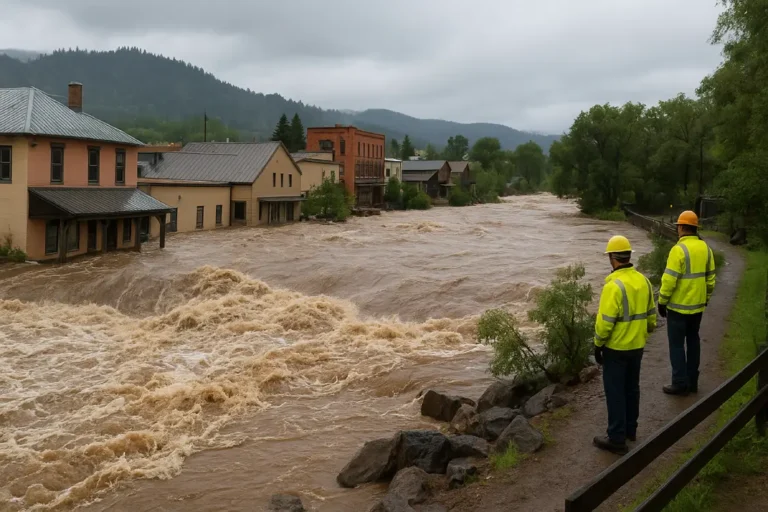
    In early September 2025, a slow-moving storm system settled over southwestern Colorado, dumping record-breaking rainfall across the San Juan Mountains.
    Meteorologists reported that Pagosa Springs received over 6 inches of rain within 48 hours, a volume typically spread over two months. The Piedra River and San Juan River — both crucial to the local ecosystem — rapidly overflowed their banks.

    This wasn’t just an isolated weather event. According to climate data, the frequency of intense rainfall has increased across Colorado due to shifting jet stream patterns and warmer air holding more moisture. As the region experiences shorter winters and earlier snowmelt, rivers are becoming more volatile.

    Climate Change and Regional Topography

    The steep mountain terrain around Pagosa Springs funnels runoff directly into low-lying areas. When combined with deforestation and aging drainage systems, the town was vulnerable.
    Experts from the Colorado Water Conservation Board noted that extreme weather events are becoming the “new normal” — a trend that demands better flood management planning and infrastructure resilience.

    Read More:-Gaza Ceasefire 2025: Israel and Hamas Reach Agreement to End Hostilities

    Timeline of the Flooding Event

    DateEvent DescriptionImpact
    Sept 3, 2025Continuous rainfall begins across San Juan Mountains.Rivers start rising.
    Sept 4, 2025Piedra River breaches its banks.Evacuation alerts issued for low-lying neighborhoods.
    Sept 5, 2025Peak flooding hits downtown Pagosa Springs.Major road closures and property damage.
    Sept 6, 2025Emergency response initiated by local and state agencies.Shelters open for displaced families.
    Sept 9, 2025Floodwaters begin to recede.Recovery and damage assessment begin.

    This timeline highlights how a few days of heavy rainfall turned into a community-wide crisis, underscoring the need for rapid-response systems and real-time monitoring.

    The Human Impact — Voices from Pagosa Springs

    The emotional and financial toll on residents has been immense. Local shop owners along Hot Springs Boulevard reported water levels reaching chest height. Many lost inventory and equipment worth thousands of dollars.

    Residents like Maria Lopez, whose home was near the San Juan River, described the moment floodwaters rushed in:

    “We heard the river roaring louder than ever before. Within minutes, the water was at our doorstep. We had to leave everything behind.”

    Emergency shelters housed hundreds of residents. Volunteers from neighboring towns and the American Red Cross provided food, clothing, and emotional support, demonstrating the resilience and unity of the Pagosa Springs community.

    Economic and Environmental Consequences

    Estimated Financial Damages

    Initial estimates placed the total damages above $150 million, affecting homes, infrastructure, and tourism-based businesses. Pagosa Springs’ economy heavily depends on hospitality and outdoor recreation, both of which suffered.

    SectorEstimated Losses (USD)Details
    Residential Property$60 millionFlooded homes, damaged utilities
    Tourism & Hospitality$40 millionHotel closures, cancelled bookings
    Transportation & Infrastructure$25 millionRoadway washouts and bridge damage
    Retail & Local Businesses$15 millionInventory loss and closures
    Environmental Restoration$10 millionRiverbank erosion and debris cleanup

    Environmental Impact

    Floodwaters carried sediments, debris, and pollutants downstream, altering aquatic ecosystems. Wildlife habitats along the San Juan River faced displacement, while soil erosion threatened local agriculture.
    The Pagosa Wetlands Reserve also experienced flooding, prompting ecological assessments to restore biodiversity.

    Emergency Response and Rescue Efforts-Colorado flood recovery

    Authorities swiftly mobilized a multi-agency response involving:

    Helicopter rescues were conducted for isolated residents, and drones were used to assess damage in remote mountain areas. The Governor of Colorado declared a state of emergency, unlocking federal relief funds.

    The coordinated response minimized casualties, proving how vital community preparedness and inter-agency communication are during natural disasters.

    Recovery and Rebuilding Efforts

    Recovery has been gradual but determined.
    The Pagosa Springs Town Council launched a “Rebuild Smart” initiative, focusing on:

    • Flood-resistant housing designs
    • Improved stormwater drainage
    • Riverbank fortification
    • Reforestation programs to stabilize soil
    • Financial aid for affected small businesses

    The federal government has also offered low-interest disaster loans, while nonprofits continue to help residents navigate insurance claims and rebuilding plans.

    Long-Term Flood Mitigation Strategies

    Infrastructure Modernization

    Pagosa Springs is investing in smart water management systems, which include:

    • Real-time river sensors
    • Improved levees and retention basins
    • Permeable pavements to absorb runoff

    These technologies aim to provide early warnings and reduce flood intensity.

    H3: Community Education and Preparedness

    Local schools and community centers now host flood safety workshops, teaching residents evacuation routes and emergency kit essentials.
    Residents are encouraged to buy flood insurance, even in zones previously considered low-risk.

    The Role of Climate Adaptation Policies

    Statewide, Colorado is expanding its climate adaptation policy framework, focusing on:

    • Sustainable watershed management
    • Green infrastructure investments
    • Data-driven flood modeling
    • Reforestation in mountain regions

    These policies don’t just protect property — they safeguard livelihoods and ecosystems that define Pagosa Springs’ charm.

    Tourism Recovery — A Town Rebounding with Hope

    Despite setbacks, Pagosa Springs remains a resilient destination. By early October 2025, many hot springs resorts and hiking trails reopened, welcoming visitors once again.

    Local tourism boards launched campaigns emphasizing the town’s beauty, community spirit, and safety improvements.
    Visitors are encouraged to support recovery efforts by choosing local businesses, dining in family-run restaurants, and booking eco-friendly lodgings.

    Lessons Learned from Pagosa Springs Flooding

    The 2025 flood taught Colorado several vital lessons:

    1. Climate adaptation is urgent.
    2. Infrastructure modernization saves lives.
    3. Local communities play the biggest role in resilience.
    4. Preparedness must become routine, not reactionary.

    The event serves as a wake-up call not just for Pagosa Springs but for mountain towns nationwide

    Expert Opinions and Future Outlook

    Environmental experts predict that annual precipitation extremes will increase by up to 20% by 2035.
    To counter this, Colorado’s Water Plan prioritizes watershed restoration and sustainable snowmelt management.

    While floods can’t be prevented entirely, advanced forecasting, responsible land use, and public awareness can significantly reduce their impact.


    FAQs About Pagosa Springs Flooding

    Q1: When did the Pagosa Springs flooding occur?

    The most significant flooding event occurred between September 3 and September 9, 2025, following several days of heavy rainfall across the San Juan Mountains.

    Q2: What caused the flooding in Pagosa Springs?

    A combination of record rainfall, snowmelt, and inadequate drainage systems, amplified by climate change, led to the overflowing of rivers like the Piedra and San Juan.

    Q3: How bad was the damage?

    Economic damages exceeded $150 million, with hundreds of homes, businesses, and roads affected. Thankfully, due to early warnings, there were minimal casualties.

    Q4: How is Pagosa Springs recovering?

    The town launched a “Rebuild Smart” initiative focusing on resilient infrastructure, reforestation, and improved flood monitoring systems.

    Q5: Can tourists safely visit Pagosa Springs now?

    Yes. Most attractions, including hot springs and mountain trails, have reopened. Visitors are encouraged to support local recovery by choosing local accommodations and shops.

    Q6: Is flood insurance required in Pagosa Springs?

    While not mandatory everywhere, experts strongly recommend flood insurance as extreme weather events become more frequent in Colorado.

    Gaza Ceasefire 2025: Israel and Hamas Reach Agreement to End Hostilities

    0

    The news, when it finally broke, wasn’t just a headline—it was a global exhale. For months, the world watched a devastating conflict unfold, marked by relentless cycles of violence, mounting civilian casualties, and a worsening humanitarian crisis. The phrase “lasting peace” had become a distant, almost cynical hope. Yet, the announcement of the Gaza Ceasefire 2025 agreement—a multi-phased arrangement brokered through intensive international diplomacy—represented a significant, albeit fragile, turning point.

    This is a moment that demands sober analysis. Beyond the initial relief, it is crucial to examine the complex details of the truce, its immediate humanitarian impact, and the long-term prospects for stability in one of the world’s most persistent conflicts.


    Understanding the Gaza Ceasefire 2025

    The Gaza Ceasefire 2025 emerged after protracted negotiations involving key regional and global powers. It underscores the importance of high-level mediation and coordinated diplomacy. For analysts who have tracked this conflict for decades, the agreement offers a critical case study in crisis resolution: illustrating the intense pressure applied by the international community, the concessions made by both parties, and the essential role of sustained engagement.


    The Architecture of Relief: Key Terms of the Ceasefire

    The Gaza Ceasefire 2025 is far more than a simple halt to fighting. It is a phased roadmap addressing immediate humanitarian needs, security concerns, and longer-term governance challenges. This approach reflects lessons learned from previous failed attempts at peace in Gaza, emphasizing incremental trust-building.

    Phase One: Hostages, Prisoners, and Humanitarian Lifelines

    The initial phase prioritizes humanitarian relief and reciprocal exchanges:

    • Hostage and Prisoner Exchange: Hamas has committed to releasing a specified number of Israeli hostages, prioritizing women, children, the elderly, and the infirm. In exchange, Israel will release an agreed-upon number of Palestinian prisoners. International bodies will oversee verification and facilitate safe transfers.
    • Military Redeployment: Israeli forces will withdraw from densely populated areas within Gaza to designated lines, opening access for displaced civilians to return home.
    • Humanitarian Aid Surge: A dramatic increase in aid delivery is planned, targeting 500–600 trucks daily, delivering food, medical supplies, and fuel. The United Nations, through agencies like UNRWA and the World Food Programme, will lead operations to restore basic services and mitigate the humanitarian crisis.

    Phase Two and Beyond: Toward Sustainable Calm

    Subsequent phases focus on long-term stability:

    • Complete Hostage Release and Withdrawal: Phase Two aims to secure the release of all remaining captives and announce a sustainable calm. Israeli forces are expected to withdraw fully, contingent on verified compliance with the ceasefire.
    • Reconstruction and Governance: Phase Three envisions international supervision of Gaza’s reconstruction and discussions about easing the blockade. A governance mechanism will be established to ensure long-term security and stability.

    This structured, phased approach demonstrates a commitment to addressing both immediate and systemic issues while leaving the most complex political challenges for sustained negotiation.

    More from Blogs: USA China Trade War 2025: Crisis, Opportunity, and How It Impacts You


    The Human Cost and Urgent Need for a Ceasefire

    The humanitarian emergency in Gaza is staggering. Years of conflict have left civilians in dire conditions, with infrastructure destroyed and essential services collapsed:

    • Mass Displacement: Hundreds of thousands of Palestinians have been forced from their homes, often multiple times, living in overcrowded shelters without basic necessities.
    • Infrastructure Collapse: Hospitals, schools, water systems, and electricity networks are either non-functional or severely damaged.
    • Famine Risk: UN assessments confirm famine-level conditions in parts of Gaza due to restricted aid and decimated local food systems.

    The Gaza Ceasefire 2025 addresses these urgent problems head-on. The surge in humanitarian aid alone represents a logistical milestone, offering immediate relief and establishing a foundation for longer-term recovery.


    Security and Political Implications

    Implementing and sustaining the ceasefire is a delicate endeavor:

    • Post-Conflict Governance: The deal’s success hinges on establishing an effective governance structure capable of overseeing reconstruction and preventing renewed hostilities. The proposed framework envisions a transitional period led by technocrats under international supervision.
    • Regional Stability: Ceasefire compliance is critical for broader regional stability. Egypt, Qatar, and Turkey, who acted as guarantors, will continue monitoring and mediating potential flashpoints.
    • Two-State Solution Prospects: While the ceasefire addresses immediate needs, it does not resolve the fundamental political issues. Experts see the agreement as a platform for re-engaging discussions on a two-state solution, although skepticism remains high due to the trauma and mistrust from the conflict.

    Practical Steps and International Role

    The Gaza Ceasefire 2025 demonstrates the power of coordinated international intervention. Beyond diplomatic negotiations, practical support is crucial:

    • Reconstruction Efforts: Clearing rubble, repairing critical infrastructure, and restoring utilities will require sustained international funding and technical expertise.
    • Security Guarantees: Continued monitoring and enforcement mechanisms are needed to prevent violations.
    • Economic Revitalization: Supporting local economies and creating employment opportunities are essential to stabilize the region.

    International organizations and governments must continue engagement beyond immediate relief to ensure the ceasefire develops into a lasting peace.


    The First Step on a Long Road

    The Gaza Ceasefire 2025 represents an extraordinary achievement against near-impossible odds. It provides immediate humanitarian relief and showcases the power of persistent diplomacy. Yet, the journey to lasting peace is far from over.

    The international community now faces the challenge of sustaining trust, delivering aid at unprecedented scale, and addressing underlying political, security, and economic issues. For civilians on both sides, the ceasefire offers a fragile hope: a chance to rebuild lives shattered by years of conflict.

    This is a critical moment to convert temporary relief into durable peace. Upholding the ceasefire, rebuilding infrastructure, and supporting local governance will determine whether Gaza’s fragile calm can evolve into lasting stability.


    FAQs: Gaza Ceasefire 2025

    1. What are the main components of the Gaza Ceasefire 2025?
    The agreement includes hostage and prisoner exchanges, a massive surge of humanitarian aid, phased Israeli withdrawal, and long-term reconstruction and governance planning.

    2. How many aid trucks will enter Gaza daily?
    The agreement targets 500–600 trucks per day, up from severely restricted levels, to deliver food, medicine, and fuel.

    3. Is this Gaza ceasefire 2025 permanent?
    The initial phases establish a temporary cessation of hostilities, paving the way for negotiations on a sustainable calm and eventual end to conflict.

    4. Who mediated the Gaza ceasefire 2025?
    The United States, Egypt, Qatar, and Turkey played central roles as mediators and guarantors.

    5. What about displaced Palestinians?
    The agreement allows displaced individuals to return home once Israeli forces withdraw from certain areas, though destruction of infrastructure remains a major challenge.

    6. Does the Gaza ceasefire 2025 include reconstruction?
    Yes, an internationally supervised reconstruction plan for Gaza is a core component of the final phase.

    7. Where can I find independent analysis?
    Verified analysis is available from the International Crisis Group and Council on Foreign Relations.


    Share your thoughts on the long-term prospects for peace in Gaza and the Middle East in the comments below. Dialogue is key to understanding and supporting this crucial process.

    Arizona State vs Utah 2025: The Game No One Saw Coming

    0

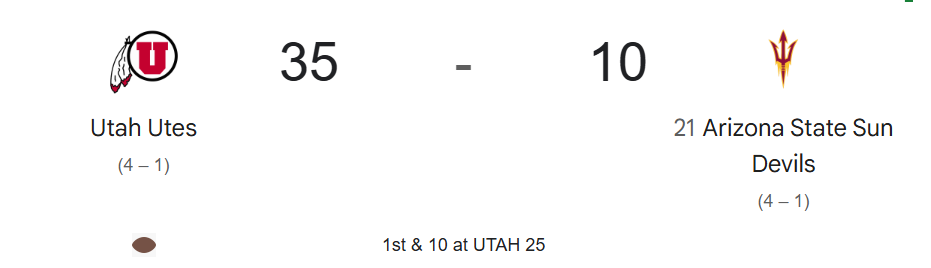
    The college football season of 2025 has already produced a series of unexpected moments, but none quite as shocking as the outcome of Arizona State vs Utah 2025. What many expected to be a close contest turned into a dominant display by Utah, who triumphed 35‑10 over Arizona State. The game’s result is more than just a number on the scoreboard; it is a reflection of preparation, depth, strategy, and execution. For fans, analysts, and recruiters, the implications stretch far beyond this single match.

    In this comprehensive analysis, we will break down every aspect of the game, highlight standout players, explore tactical decisions, and discuss the broader impact on both teams’ seasons. Whether you’re a die-hard fan, a fantasy sports enthusiast, or a college football strategist, this guide gives you an authoritative, experience-based look into the showdown that nobody saw coming.


    Setting the Stage: Pre-Game Expectations

    Going into the game, both Arizona State and Utah had reasons to feel confident. ASU entered the matchup with a strong home-field advantage at Sun Devil Stadium and some promising offensive performances earlier in the season. Utah, on the other hand, had quietly built a reputation as a disciplined, physically dominant team capable of grinding out wins even against formidable opponents.

    Many analysts predicted a close contest, emphasizing that ASU’s dynamic quarterback play could exploit Utah’s secondary, while Utah’s running game might struggle against ASU’s defensive front. Yet, from kickoff, it was clear that Utah had come with a game plan that neutralized ASU’s strengths and exploited weaknesses that few fans or pundits had anticipated.

    Key Pre-Game Metrics:

    • ASU Offensive Rank: Top 40 nationally
    • Utah Defensive Rank: Top 15 nationally
    • Turnover Margin (Season Average): ASU +0.3, Utah +0.8
    • Head-to-Head Record (Past 5 Seasons): Utah 3 wins, ASU 2 wins

    First Half: Utah Establishes Control

    From the opening drive, Utah demonstrated an offensive versatility that kept Arizona State guessing. Running back Devon Dampier quickly became the focal point of Utah’s game plan, exploiting gaps in the ASU defensive line with impressive agility and power. His 8-yard touchdown run on the first series set the tone for what would become a relentless Utah performance.

    Key Plays:

    1. First Quarter, 10:45: Devon Dampier 8-yard rush for a touchdown.
    2. Second Quarter, 7:10: Utah connects on a 35-yard pass to widen the gap.
    3. Second Quarter, 3:20: ASU fails to convert on a critical 4th down, shifting momentum.

    By halftime, the scoreboard read Utah 21, Arizona State 3. Utah’s ability to control the line of scrimmage, dominate time-of-possession, and limit ASU to minimal yardage demonstrated both strategic foresight and flawless execution.

    More from Blogs: Tigers vs Mariners 2025 Ends in Shock


    Second Half: Maintaining Dominance and Closing Out the Game

    Third Quarter: Strategic Execution

    Utah’s coaching staff made subtle but highly effective adjustments during halftime. By increasing blitz pressure on ASU’s quarterback and mixing in misdirection plays for Dampier, Utah forced multiple turnovers, including a critical interception returned for 25 yards, resulting in a touchdown.

    • Third Quarter, 12:50: Utah interception return for a touchdown.
    • ASU struggled to respond, committing penalties and failing to convert on key third downs.

    This period of the game highlighted Utah’s depth. Backup players seamlessly integrated into rotations without a drop in performance. ASU, by contrast, relied heavily on starters who were visibly fatigued by the relentless Utah defense.

    Fourth Quarter: Closing the Gap

    By the fourth quarter, Utah had established a 28-point lead. With the victory essentially secured, the coaching staff focused on clock management, running out time, and preventing any chance of a last-minute ASU rally.

    • Fourth Quarter, 5:30: Dampier 7-yard rush for the final touchdown.
    • Final Score: Utah 35, Arizona State 10

    The efficiency and control demonstrated by Utah in the final quarter are hallmarks of an elite program. They not only won the game but did so while minimizing risks—a strategy that directly contributes to long-term success.


    Standout Players: Utah vs ASU

    PlayerTeamKey StatsHighlights
    Devon DampierUtah120 rushing yards, 3 TDsDominated line of scrimmage, all TDs on runs of 5–12 yards
    ASU QBArizona State145 passing yards, 1 INTStruggled under Utah’s pass rush
    Utah DefenseUtah3 sacks, 2 INTsConsistent pressure, forced critical turnovers
    ASU Total OffenseArizona State197 yardsInability to sustain drives over 20 yards

    Scorecard

    Tactical Breakdown: What Worked for Utah and What Failed for ASU

    Utah’s Winning Formula

    1. Balanced Offense: Effective mix of rushing and short-passing plays kept ASU off balance.
    2. Turnover Capitalization: Defensive turnovers directly led to points.
    3. Time-of-Possession Mastery: Holding the ball for over 35 minutes wore down ASU’s defense.
    4. Coaching Adjustments: Mid-game tweaks neutralized ASU’s offensive threats.

    Arizona State’s Weaknesses

    1. Quarterback Pressure: Lack of protection led to hurried throws and an interception.
    2. Offensive Inconsistency: Failure to sustain drives; longest drive capped at 25 yards.
    3. Penalty Discipline: Several unnecessary penalties stalled momentum.
    4. Depth Issues: Rotational players struggled to maintain intensity, highlighting a lack of preparation depth.

    Broader Implications: Rankings, Recruiting, and the Season Outlook

    The result of Arizona State vs Utah 2025 carries weight beyond this single game. Utah’s dominance positions them favorably in the Pac-12 rankings, potentially boosting their bowl eligibility and influencing recruiting. Meanwhile, ASU faces critical challenges:

    • Recruiting: Utah’s strong showing is likely to sway high school talent.
    • Team Morale: ASU needs immediate adjustments to regain confidence.
    • Season Trajectory: Without strategic corrections, ASU may struggle in upcoming games.

    Key Stats and Insights

    MetricArizona StateUtah
    Total Yards197412
    Turnovers20
    Time of Possession25:1034:50
    Third-Down Conversions3/127/13
    Red-Zone Efficiency33%100%

    Expert Analysis: What Coaches and Analysts Are Saying

    Sports analysts emphasize Utah’s strategic brilliance:

    • Depth and Conditioning: Utah’s preparation ensured players maintained energy throughout the game.
    • Balanced Offensive Scheme: A mix of run and pass kept ASU guessing.
    • Defensive Discipline: Forced turnovers and limited explosive plays.

    Analysts also point out ASU’s need for systemic changes, particularly in quarterback protection, offensive playcalling, and rotational depth.


    Actionable Takeaways for Fans and Teams

    1. For Fans: Keep track of upcoming games—Utah’s dominance suggests they are serious contenders in the 2025 season.
    2. For Fantasy Players: Focus on Utah skill positions, especially running backs, for consistent point production.
    3. For ASU Coaching Staff: Immediate reassessment of offensive line schemes and depth rotations is critical.
    4. For Analysts and Commentators: Monitor the effect of Utah’s strategic choices on recruiting and long-term Pac-12 rankings.

    Arizona State vs Utah 2025 is more than a scoreline. It is a case study in preparation, depth, execution, and strategic mastery. Utah’s comprehensive victory sets a high bar for the remainder of the season, while ASU faces tough questions about their system, depth, and in-game decision-making.

    For fans, players, and analysts alike, this game reinforces a simple principle: in college football, preparation and execution matter just as much as talent.


    Frequently Asked Questions (FAQs)

    1. Who won Arizona State vs Utah 2025?

    • Utah won decisively, 35‑10.

    2. Who was the standout player in the game?

    • Devon Dampier, with 120 rushing yards and three touchdowns.

    3. Where was the game played?

    • Sun Devil Stadium, Tempe, Arizona.

    4. How did ASU perform in the second half?

    • Struggled offensively, failed to sustain drives, and committed turnovers.

    5. What were the key stats for Utah’s defense?

    • 3 sacks, 2 interceptions, and consistent pressure throughout.

    6. What does this result mean for both teams’ rankings?

    • Utah strengthens Pac-12 positioning; ASU risks dropping in rankings without adjustments.

    7. Where can I find official stats and recaps?

    Share your thoughts below: Did Utah’s performance surprise you? How do you see ASU bouncing back? Engage with other fans and contribute to the 2025 season conversation.