More
    Home Blog Page 16

    Eagles vs Packers 2025 – Passionate Yet Ugly Fan Fight

    0

    Eagles Packers Fan Fight – Dramatic, Troubling Power

    When Team Spirit Turns Toxic

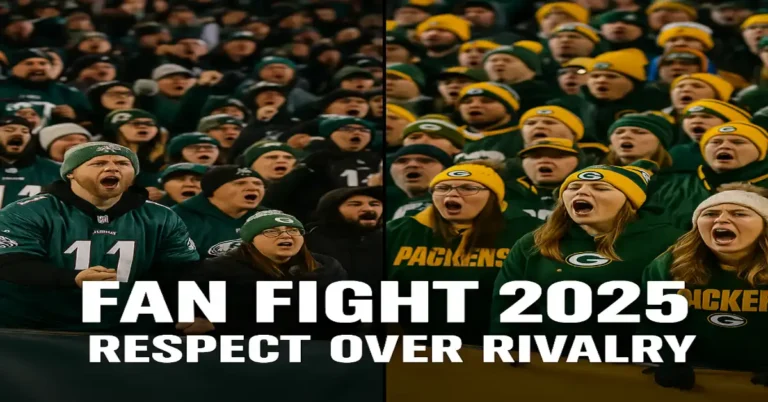
    It was supposed to be a night about football. The Philadelphia Eagles hosting the Green Bay Packers in a high-stakes NFL Wild Card game on January 12, 2025. Fans filled Lincoln Financial Field with energy, confidence, and pride. But within that roaring crowd, one ugly moment shifted attention away from touchdowns and tackles — and toward fan behavior.

    A disturbing video began circulating online showing an Eagles fan verbally attacking a female Packers supporter, using profanity and slurs that stunned even seasoned sports followers. Within hours, the clip had gone viral, triggering outrage across fan communities and forcing the Eagles organization to act fast.

    This wasn’t just a spat between rival fans — it became a symbol of how toxic passion can ruin what should be a celebration of sport.


    What Happened During the Eagles-Packers Game

    The viral clip shows a male Eagles fan leaning over and shouting at a female Packers fan in the stands. Her fiancé, Alexander Basara, filmed the exchange and later shared it on X (formerly Twitter), writing:

    “This is what it’s like going to Philly just trying to root for your team. Unprovoked. Uncalled for.”

    In the video, the Eagles supporter calls the woman an “ugly, dumb c***,” provoking gasps from nearby spectators. Security later escorted him out.

    Within 24 hours, the Eagles organization identified the man and issued a statement confirming he was banned from Lincoln Financial Field for life. His employer, after internal review, terminated his employment as well.

    The victims, Basara and his fiancée, received an outpouring of support from fans — including some from Philadelphia — who condemned the behavior and thanked the team for its swift action.


    The Reaction: Accountability in Real Time

    The speed of the Eagles’ response showed how modern teams must navigate not just the physical field, but the digital one too. In an era where every moment can be recorded, accountability isn’t optional — it’s expected.

    The Eagles released an official statement reading:

    “This individual’s behavior was unacceptable and does not reflect the values of our organization or our fan base. He has been permanently banned from attending Eagles games.”

    Even Packers fans — often rivals with Philly supporters — praised the team’s decisiveness. It wasn’t a PR move. It was damage control rooted in moral clarity.

    But while the Eagles’ action drew widespread applause, it also sparked a deeper conversation about the fine line between passion and hostility.


    When Loyalty Becomes a Liability

    Sports fandom is emotional by nature. You yell. You cheer. You defend your team. That’s the fun part. But there’s a tipping point when emotional loyalty morphs into aggression — and this incident is a textbook example.

    The man in the viral video didn’t just heckle. He dehumanized another fan for wearing different colors. And in that moment, he represented something larger — the dark edge of sports culture where rivalry breeds entitlement.

    What makes the Eagles-Packers fan fight so unsettling isn’t just the insult itself; it’s how normalized that behavior can seem in certain environments. Some stadiums have reputations — and Philly, fair or not, has one for intensity that sometimes crosses lines.

    But the truth is, this could happen anywhere. In Green Bay, Chicago, Dallas, or New York. It’s not about geography; it’s about a lack of accountability that social media now brings into the light.

    Read Also:-Texas Roadhouse Veterans Offer 2025 – Brave Hearts, Few Seats


    How the Internet Amplified the Fallout

    Twenty years ago, an incident like this might have spread through word-of-mouth or local news. Today, it’s global in minutes. The clip amassed over 10 million views in less than a day on X. Hashtags like #EaglesFans and #PackersFanFight trended overnight.

    The man’s identity surfaced almost immediately — users dug up his workplace, social profiles, and old posts. The internet acted as both judge and jury.

    Some argued that losing a job over a verbal insult was excessive, while others said it was exactly the kind of accountability long overdue for public harassment.

    One comment summed it up perfectly:

    “Free speech doesn’t mean freedom from consequences.”

    This digital amplification has changed the rules of fandom forever. Every insult, push, or shove can now go viral, forever linked to your name — and in this case, cost a career.


    What This Means for Teams and Stadium Culture

    Modern sports franchises are as much about brand management as athletic excellence. The Eagles’ quick lifetime ban wasn’t just about ethics — it was about preserving image.

    In a time when NFL teams compete for public trust, especially around inclusivity and safety, letting such behavior slide would have been reputational suicide.

    Other teams took note. Several organizations released reminders about fan conduct codes within 48 hours of the incident. Stadiums are re-examining surveillance, crowd control, and ejection policies to prevent similar PR crises.

    Even NFL Commissioner Roger Goodell reportedly praised the swift response, noting that maintaining a welcoming environment “is essential to the league’s culture of respect.”


    The Broader Lesson: Respect Wins Every Time

    Fans often say, “It’s just trash talk.” But when it turns personal — attacking appearance, gender, or background — it stops being fun and starts being harmful.

    The Packers fan in this case wasn’t instigating. She wasn’t arguing or taunting. She was watching a game with her partner. What she endured was pure hostility.

    That’s why this story resonated so widely: it wasn’t about football anymore. It was about basic human respect.

    No amount of team loyalty excuses harassment. Supporting the Eagles, Packers, or any team doesn’t give anyone the right to degrade another person.

    And the irony? True fans — the ones who live and breathe their team — know this better than anyone.


    Real Stories, Real Fans

    Philly fans have a long-standing reputation for intensity, but also for loyalty. Many longtime supporters expressed disappointment online, insisting the incident “doesn’t represent us.”

    On Reddit and X, several Eagles season-ticket holders shared how they regularly help opposing fans find seats, exchange friendly banter, and even buy drinks for visiting supporters.

    “We’re loud, not cruel,” one lifelong fan posted. “That guy embarrassed all of us.”

    These are the voices that matter — the ones reclaiming what it means to be a fan in 2025.


    The Human Cost of Going Viral

    The banned fan’s story didn’t end with the game. Within days, his personal information, job details, and family photos were circulating online.

    His employer released a statement confirming his termination, citing “behavior inconsistent with company values.” His LinkedIn page was deleted soon after.

    It’s a sobering reminder: the digital age doesn’t forget.

    Actions at a football game can follow you into your workplace, your relationships, your online footprint. And whether people agree with that level of exposure or not, it’s now a reality every fan must consider.


    Accountability or Overreach?

    The debate following the Eagles-Packers fan fight revealed another layer of complexity — how far should consequences go?

    Some commentators argued that while the fan’s language was unacceptable, the mass online backlash bordered on mob justice. They questioned whether losing a job outside the stadium context was proportionate.

    But most agreed that once you represent yourself publicly — in team gear, at a televised event, shouting slurs — you represent more than yourself. You represent your team, your workplace, your community.

    Freedom of expression doesn’t shield anyone from the social or professional consequences that follow.


    What the Eagles Got Right

    To their credit, the Eagles handled this with precision. They didn’t wait for backlash to fade. They identified the individual, banned him immediately, and released a professional, empathetic statement.

    They also sent Packers merchandise to the affected couple as a goodwill gesture — small, but symbolic.

    In an age when teams often hesitate to act decisively, this was a model example of owning the narrative before it spiraled further.


    The Bigger Conversation: Sportsmanship in the Social Era

    The Eagles-Packers incident forces us to reconsider what sportsmanship means in 2025. It’s not just about players shaking hands after a loss anymore. It’s about fans understanding that they, too, are part of the game’s ecosystem.

    Respect in the stands mirrors respect on the field. When fans lose control, it undercuts the entire experience — for families, for kids, and even for teams trying to maintain a positive brand image.

    This goes beyond football. Whether it’s basketball, baseball, or soccer, the principle is the same: you can be passionate without being poisonous.


    Conclusion

    The Eagles-Packers fan fight wasn’t just a viral clip; it was a wake-up call. It showed how fragile the line is between excitement and aggression — and how one moment of rage can ripple through lives, careers, and communities.

    The Philadelphia Eagles made the right move. They protected their brand, their fans, and the message that sports should unite, not divide.

    For everyone watching — whether you wear green and gold or midnight green — the takeaway is simple:
    Cheer hard, respect harder.


    FAQs eagles packers fan fight

    1. What happened between Eagles and Packers fans?
    An Eagles fan verbally harassed a female Packers supporter during the 2025 Wild Card game, leading to his lifetime ban and job termination.

    2. How did the Eagles respond?
    They permanently banned the fan, issued an official statement condemning the behavior, and reached out to the affected couple.

    3. Did the Packers organization comment?
    While the Packers didn’t issue a formal statement, their fan community expressed support for the victims and praised the Eagles’ handling.

    4. Was the incident recorded?
    Yes. The altercation was captured on video by the victim’s fiancé and shared online, where it quickly went viral.

    5. What lesson does this incident highlight?
    That passion for sports must never override respect — and in today’s connected world, accountability follows instantly.

    Texas Roadhouse Veterans Offer 2025 – Brave Hearts, Few Seats

    0

    Texas Roadhouse Veterans Day Deal 2025 – Generous, Limited Power

    Honoring Heroes, One Meal at a Time

    Every year, on Veterans Day, restaurants across America open their doors to the men and women who’ve worn the uniform. But Texas Roadhouse does something a little different—something more personal. Instead of a one-day dine-in rush, they hand out free meal vouchers to veterans and active-duty military members, redeemable months later.

    It’s not just another marketing gimmick—it’s gratitude in action. For 2025, this tradition continues with a few thoughtful updates that make the experience smoother, more flexible, and even more generous. Let’s break it down.

    Raed Also:- Washington DC Weather Warning: Heavy Rain and Wind Threat Through Thursday Morning


    What’s in the Texas Roadhouse Veterans Day Deal 2025

    Date & Time:

    • November 11, 2025, from 11 a.m. to 2 p.m., veterans and active-duty military can visit participating Texas Roadhouse locations to pick up free meal vouchers.

    Eligibility:

    • Open to all veterans and active service members with valid proof of service (military ID, VA card, or DD-214 form).

    The Offer:

    • Each eligible guest receives a voucher for one free entrée, two made-from-scratch sides, and a non-alcoholic drink.
    • Vouchers are redeemable anytime through May 30 or 31, 2026, depending on location.
    • The offer is valid for dine-in only at most locations, though some may allow takeout—so always confirm first.

    This approach lets veterans redeem their meal when it suits them best, avoiding crowded restaurants on Veterans Day itself.


    Why This Program Matters More Than Ever

    Texas Roadhouse has built its brand on heart, not hype. From the servers who dance to country hits to the hand-cut steaks and buttered rolls, the company’s entire vibe is warmth and familiarity. Extending that same energy toward veterans just makes sense.

    But there’s more to this deal than good PR.

    For Veterans and Active-Duty Heroes:

    • Flexibility: No pressure to dine on Veterans Day itself.
    • Recognition: A simple, genuine thank-you that goes beyond words.
    • Connection: Many veterans redeem their vouchers later with family or friends, turning a free meal into a shared moment.

    For Texas Roadhouse:

    • Community goodwill builds long-term loyalty.
    • Word-of-mouth marketing drives new traffic months after the event.
    • It’s one of those rare “win-win” moments where generosity meets smart business.

    In an era where many brands chase attention with flashy giveaways, Texas Roadhouse focuses on substance—and that’s what sets it apart.


    How to Redeem the Texas Roadhouse Veterans Voucher

    1. Get the voucher on November 11, 2025.
      Visit your nearest participating Texas Roadhouse between 11 a.m. and 2 p.m. with proof of military service.
    2. Hold onto it!
      The voucher doesn’t expire until May 2026, giving you plenty of time to plan your visit.
    3. Redeem later.
      When you’re ready, bring the voucher to the same or another participating location (check ahead if traveling).
    4. Enjoy your meal.
      Choose one of ten entrées, two sides, and a non-alcoholic drink—on the house.

    A Quick Example

    Let’s say Sergeant Miller, a retired Marine, stops by Texas Roadhouse in Dallas on November 11 to collect his voucher. A few months later, he redeems it during a family night out. He orders the classic sirloin with green beans and mashed potatoes. His wife and kids tag along, paying for their meals—but the family gets to celebrate together.

    That’s the power of this offer: it stretches the spirit of Veterans Day far beyond a single date on the calendar.


    Important Things to Remember

    • Not every location participates—always call ahead or check your local store’s website.
    • Proof of service is mandatory; digital copies are fine.
    • Alcoholic beverages are not included.
    • Lost vouchers typically can’t be replaced.
    • Wait times on November 11 can be long, so plan accordingly.

    Even with these limits, the flexibility of redeeming later makes it one of the most veteran-friendly dining deals in the U.S. this year.


    The Bigger Picture

    Veterans Day is about more than discounts—it’s about remembrance and gratitude. What Texas Roadhouse does each year isn’t flashy, but it’s real. It acknowledges the people who’ve served without turning it into a one-day publicity stunt.

    In many ways, this approach reflects something every veteran understands: true respect lasts beyond the moment.

    So whether you’re a veteran planning to claim your voucher or a supporter spreading the word, remember—gestures like these matter. They build bridges between businesses and communities.


    In Short

    The Texas Roadhouse Veterans Day Deal 2025 is generous in spirit and practical in design. By offering vouchers instead of same-day meals, the chain shows both respect and foresight. Veterans get flexibility, Texas Roadhouse gains goodwill, and communities get a reminder of gratitude that lasts well beyond November 11.

    If you’re eligible, don’t miss this one—stop by your nearest Texas Roadhouse this Veterans Day between 11 a.m. and 2 p.m., claim your voucher, and enjoy a well-earned meal later with those who matter most.


    FAQs Texas Roadhouse Veterans Day Deal 2025

    1. Who qualifies for the Texas Roadhouse Veterans Day Deal?
    All U.S. veterans and active-duty service members with valid proof of service (military ID, VA card, or DD-214).

    2. When are vouchers distributed?
    November 11, 2025, from 11 a.m. to 2 p.m. at participating locations.

    3. When can the voucher be redeemed?
    Anytime through May 30 or 31, 2026, depending on the restaurant.

    4. What meals are included?
    One of ten entrées, two sides, and a non-alcoholic drink.

    5. Can I use it for takeout or delivery?
    Most locations restrict redemption to dine-in only. Always check before visiting.

    Gordon Ramsay Unfiltered: ‘No Way’ to Ozempic-Specific Menu at My Restaurants

    0

    Ozempic-Specific Menu – Gordon Ramsay Unfiltered ‘Absolute Bullsh*­t’

    When famed chef Gordon Ramsay declared in a high-profile interview that his restaurants will not create an Ozempic-specific menu, it triggered waves across dining rooms, health blogs and the restaurant industry. His blunt refusal touches on broad issues — personal responsibility, medical trends like GLP-1 weight-loss drugs, restaurant culture and the evolving expectations of diners.

    For anyone curious about where fine dining, health innovation and food norms collide, this article explores Ramsay’s stance, the concept of an Ozempic-specific menu, the broader implications for restaurants and patients alike, and practical take-aways.


    What’s the Story Behind “Ozempic-Specific Menu”?

    The term “Ozempic-specific menu” refers to a proposed special offering at restaurants tailored for diners using weight-loss medications like Ozempic (semaglutide) or Mounjaro (tirzepatide). These drugs reduce appetite and alter digestion, meaning many users reportedly eat less or feel full faster. Some establishments considered designing smaller portion options or distinct menus to cater to this new demographic.

    However, Gordon Ramsay rejected the idea entirely. In an interview with The Sunday Times, he said:

    “That is absolute bulls-t … There’s no f—ing way we’re giving in to the Mounjaro jab … The problem is with them [the diners] for eating too much in the first f—ing place.”

    In other words, he made a firm stand against modifying his culinary offerings purely based on a drug-driven appetite shift, calling the notion unacceptable in his restaurants.


    Why Ramsay’s Rejection Matters

    It’s about dining culture and identity

    Ramsay’s restaurants are known for craft, portion integrity and a specific guest experience. Introducing an Ozempic-specific menu, he believes, would undermine that brand identity.

    It touches on drug-driven changes in eating habits

    Weight-loss medications like Ozempic are now mainstream conversations. When food intake changes, it raises questions for chefs, restaurants and diners about portion sizes, value, portion perception and health.

    It raises questions of fairness and business

    If one segment of diners expects altered menus due to medication, how do restaurants respond? Will portions shrink for everyone? Will prices adjust? Ramsay’s rejection signals a business-strategy boundary.

    It sparks public debate

    His blunt language brought attention to the trend, shining a spotlight on how restaurants and health trends collide—and who gets to define dining norms.

    More from Blogs: Brian Daboll and Josh Allen: Powerful Partnership, Painful Goodbye


    The Restaurant Industry at a Crossroads

    Medical trend vs. dining experience

    Medication-driven appetite suppression is reshaping how some people eat. Restaurants now face questions: Do we adjust? Do we keep our traditional models? An Ozempic-specific menu is one way to respond—or reject.

    Portion size review

    Some restaurants are already experimenting with smaller plates or “mindful” menus for those on GLP-1 drugs. Ramsay’s refusal highlights the divide between adaptation and maintaining identity.

    Branding and value perception

    A fine-dining restaurant’s value often lies in portion, plating, experience and price. Reducing portions or creating a separate menu for drug users can challenge perceived value and change brand expectations.

    Equity and fairness for all patrons

    If a special menu exists for dieting or medication-related usage, other patrons might feel treated differently. Ramsay’s stance touches that complex fairness angle.


    Ramsay’s Viewpoint: Key Themes from His Statements

    1. Personal responsibility over external fixes
      He argued that the issue lies not with diners being on drugs but with eating habits: “The problem is … eating too much in the first place.”
    2. Integrity of culinary craft
      He implied that restaurants should not redesign for every emerging trend, especially one driven by medical interventions.
    3. Dining experience preservation
      He criticised influencer behaviour and excessive phone use, saying some portions of the industry have lost focus on dining as craft.
    4. Candid, controversial tone
      His comments are noteworthy for their bluntness and refusal to soften the language to attract headlines. That amplifies the message and the controversy.

    Practical Lessons for Diners and Restaurants

    For Diners

    • If you’re using appetite-suppressing meds like Ozempic, know your needs and communicate them. Whether it’s portion size, shareable plates or alternative sides—all are reasonable requests when handled respectfully.
    • Don’t expect every high-end restaurant to adapt instantly. Choosing venues aligned with your expectations is key.
    • Focus on enjoyment and respect—not only eating less. Medication changes your relationship with food; mindful dining helps.

    For Restaurants

    • Clarify your brand identity. If your restaurant is known for full-size experience, an Ozempic-specific menu may conflict.
    • Consider flexible options: shareable small plates, tasting menus, or clearly communicated portioning — rather than separate segregated menus.
    • Train staff in communication: medical shifts, portion preferences and drug-related dietary changes are sensitive topics. Approach with empathy and clarity.
    • Monitor trends, not just profit: when medications change dining behaviours, adapt your business model thoughtfully, not reactively.

    Health, Trend and Social Context

    Rise of GLP-1 Drugs and Dining Habits

    Drugs like Ozempic are now widely used for weight-loss beyond diabetes. Appetite suppression means many users eat less or stop mid-meal. This disrupts typical restaurant consumption models—especially in fine-dining or tasting-menu contexts.

    Social Media Influence

    On Instagram and TikTok, dining trends, meme culture, and influencer behaviour impact expectations. Ramsay’s critique of “ring lights and posting about how good the food is” reveals how dining culture is shifting faster than menu changes.

    Ethical and Business Considerations

    At what point does a restaurant adapt to medication-driven appetite changes? Is it equitable? Will prices go down? These questions are more than health—they’re ethics, branding and operations.


    Case Study: Ramsay vs Trend — What It Teaches

    Scenario

    Imagine a fine-dining restaurant rushing to add an “Ozempic tasting menu” as more of its guests use appetite-suppressing medications. On one hand the restaurant might appeal to a niche; on the other, it risks alienating its core clientele and diluting its brand.

    Ramsay’s approach

    He chooses refusal: no separate menu, no accommodations specifically for drug-users, no compromise to his established offering. He focuses on his brand identity and operational consistency.

    Key take-aways

    • If you have an established brand and standard offering, altering it for a niche (even a growing one) may have unintended consequences.
    • Collect data first: Are enough of your diners using the meds that a menu shift is needed?
    • Consider transparency: perhaps offer clearly labelled smaller-plate options open to all — not hidden menus only for certain users.
    • Communicate: Set expectations for your patrons rather than surprise them with changes.

    Closure

    The debate around an Ozempic-specific menu may seem niche, but it reveals much deeper shifts: how dining culture, health trends and brand identities intersect. Gordon Ramsay’s bold refusal reflects a conviction that standards matter, that dining is not just about what’s eaten but how and why.

    For diners using appetite-altering drugs, the takeaway is clear: your body and needs matter—communicate them. For restaurants, the lesson is to evolve consciously—not react hastily. The future of dining will include health, heart and flavour, but it will also demand clarity, brand integrity and inclusive choices.


    FAQs

    1. What is an Ozempic-specific menu?
    It refers to a dining menu tailored for people taking appetite-suppressing drugs like Ozempic, with smaller portions or adjusted dishes to match reduced hunger and digestibility.

    2. Why is Gordon Ramsay opposed to it?
    He believes such a menu undermines his restaurant’s identity and that the underlying issue is diners’ overeating rather than adapting menus for drugs.

    3. Is this a common trend in restaurants?
    Some high-end restaurants are exploring “mindful” or smaller-portion menus for diners on GLP-1 drugs. Ramsay’s public rejection highlights the tension between adaptation and tradition.

    4. If I’m using Ozempic, how should I dine out?
    Communicate with the restaurant ahead of time, request shareable plates or half-portions, focus on quality of experience over quantity, and don’t assume every establishment will adapt.

    5. Does this mean dining is becoming less inclusive?
    Not necessarily. It’s more about balancing brand identity, customer experience and emerging medical/health trends—but inclusivity means options, communication and respect for all diner needs.

    6. Are restaurants legally required to adjust for medications like Ozempic?
    There is currently no obligation to create different menus for medication users. Accommodations fall under broader disability and health-access laws, but appetite changes alone don’t always trigger legal requirements.

    7. What can restaurants do instead of a separate menu?
    Offer variable portion sizes, create shareable courses, provide clear menu descriptions, train staff for special dietary or medical considerations, and maintain their brand without alienating core customers.


    Share this article with fellow food lovers, tag a friend who dines out regularly, and leave a comment with your thoughts: Would you support a dedicated menu for appetite-suppressed diners?

    Erika Jayne Unmasked: Candid Look at Her Private Struggles

    0

    Erika Jayne Unmasked: The Other Side of the ‘Housewife’ Persona

    Behind the glam dresses, diamond-studded performances and reality-TV spotlight lies a story of personal upheaval, raw vulnerability and reinvented success. In this in-depth profile of the famed alum of The Real Housewives of Beverly Hills, we explore the lesser-seen chapters of her life: her private struggles, the legal storm she endured, the lifestyle she built and what redemption looks like today.

    With authenticity and insight, we’ll unpack how Erika Jayne’s lifestyle and career pivot reflect both a cautionary tale and a blueprint for revival—motivating fans, creators and anyone seeking personal reinvention.


    The Rise: Persona, Fame and Lifestyle in Full View

    From the moment Erika Jayne (born Erika Girardi) stepped into the spotlight as a dancer, singer and reality-star she cultivated an image of glamour, confidence and unapologetic bravado. Her outfits, music videos and presence on The Real Housewives projected opulence: luxury cars, designer dresses, glittering performances.

    She embraced the “housewife” brand fully, and her lifestyle became aspirational for many: high fashion, Las Vegas residencies, headline-making events and social media waves. Her role in reality TV offered both visibility and validation.

    However, beneath the surface of that sparkling lifestyle, cracks were already forming.


    The Private Storm: Legal Troubles, Personal Crisis and Struggle

    Legal Collision

    In 2020, Erika filed for divorce from Tom Girardi after 21 years of marriage. The split coincided with his legal troubles: allegations of embezzling over $15 million of client funds. Erika found herself under scrutiny and named in some civil suits, though she denied criminal involvement.

    Emotional Fallout

    In her documentary Erika Jayne: Bet It All on Blonde she admitted:

    “I thought about killing myself many times.”

    That raw admission reveals the human cost beneath the public persona. The glamorous lifestyle masked deep anxiety, legal exposure and emotional exhaustion.

    Lifestyle Under Pressure

    Erika’s lifestyle—fast cars, big shows, lavish living—became harder to sustain amid external pressures. The “yes woman” image no longer held. She talked about stepping out onto stage for her Vegas residency and feeling “there’s no net.”

    For creators and public figures, the lesson is clear: lifestyle glamour must be grounded in personal stability and legal clarity.

    More from Blogs: Inside Robert Downey Jr.’s Net Worth: How the Actor Built His $300M Fortune


    Reinvention: How Erika Jayne Rebuilt Her Brand and Lifestyle

    Shift From Performance to Vulnerability

    The revival of her brand wasn’t about doubling down on sparkle but embracing authenticity. She allowed cameras backstage, admitted fears and showed the fallibility behind the façade. That shift bolsters trust and gives her lifestyle a new dimension: resilience.

    Strategic Career Moves

    • Documentary Release: Her two-part docu-series gave viewers a candid look at her rise, fall and comeback.
    • Music & Performance: She committed to new singles and a touring lifestyle. Her bold re-entry into the music world demonstrates adaptability.
    • Brand Evolution: Instead of only being the “glam housewife,” she repositioned as a multifaceted entertainer and entrepreneur.

    Lifestyle Reboot

    Her earlier lifestyle of excess is now tempered with realistic foundations: healthier choices, mindful public presence, investments in career longevity. This doesn’t eliminate glamour—it evolves it.


    What Fans and Professionals Can Take Away from Erika Jayne

    1. Recognise the Thin Line Between Brand and Self

    Whether you’re a creator, professional or public figure, your persona and lifestyle can diverge. Authenticity matters. Erika’s bold admission of her “ugly side” grew from ignoring it. As she says, moving forward meant facing it.

    2. Financial and Legal Foundations Matter

    No lifestyle—even one built on fame—can stand if legal or financial scaffolding is weak. Be sure contracts, trust structures and career plans are solid. Erika’s story shows what happens when issues are deferred.

    3. Reinvention Requires Discipline

    Lifestyle reinvention isn’t instantaneous. It takes persistence, skill realignment and mindset change. Erika moved from performance spectacle to strategic branding, which let her move past the crisis.

    4. Mental Health Is Non-Negotiable

    Behind high glamour may lie hidden pain. Erika’s openness on her struggles helps reduce the stigma. Whether you’re projecting success or building a brand, care for your mental wellness is vital.


    Erika Jayne Lifestyle Today: What’s Changed, What Remains

    More Purpose-Driven Than Flash

    While luxury remains part of her brand, the focus is now on legacy, authenticity and sustainability. Her lifestyle incorporates touring, production, mentorship and expansion rather than simply consumption.

    Balanced Public and Private Life

    After a very public meltdown, she appears to have enriched her private life—investing more in personal wellbeing, friendships, and fewer manufactured headlines. This balance shows a matured lifestyle.

    Brand Integrity

    Her story resonates because it integrates vulnerability, success and accountability. That combination makes her brand – and his lifestyle transformation – compelling.


    Key Takeaways

    Erika Jayne’s journey—from high-glamour reality star to candidly confronting her crisis and rebuilding her lifestyle—illustrates a profound truth: success is not the absence of trouble, but the resilience through it. Her bold revival reminds us that brands and lifestyles can evolve, recover and mature when grounded in authenticity, accountability and personal growth.


    FAQs: Erika Jayne

    1. Who is Erika Jayne and what is she known for?
    Erika Jayne, born Erika Girardi, is known for her role on The Real Housewives of Beverly Hills, her singing career, and her high-profile public lifestyle.

    2. What were the major legal issues she faced?
    She was associated with her then-husband’s legal controversies, including fraud cases tied to Tom Girardi. She denied criminal wrongdoing and faced civil suits.

    3. How has her lifestyle changed after the controversies?
    Her lifestyle evolved from showy glamour to strategic branding, transparency and career diversification. She emphasises authenticity and legacy.

    4. What can professionals learn from her journey?
    Key lessons include building legal and financial foundations, recognising personal vulnerability, and continuously evolving one’s brand and lifestyle.

    5. Is her style still glamorous after reinvention?
    Yes—to some degree. Glamour remains part of her brand but is now anchored by narrative, authenticity and performance rather than purely aesthetics.


    If this story resonated with you, share it with others who value real-life comeback stories, leave a comment with your favourite Erika moment, and let’s celebrate how authenticity can triumph over image.

    Veteran Actor Dharmendra’s Married Life & Lifestyle: From He-Man to Family Man

    0

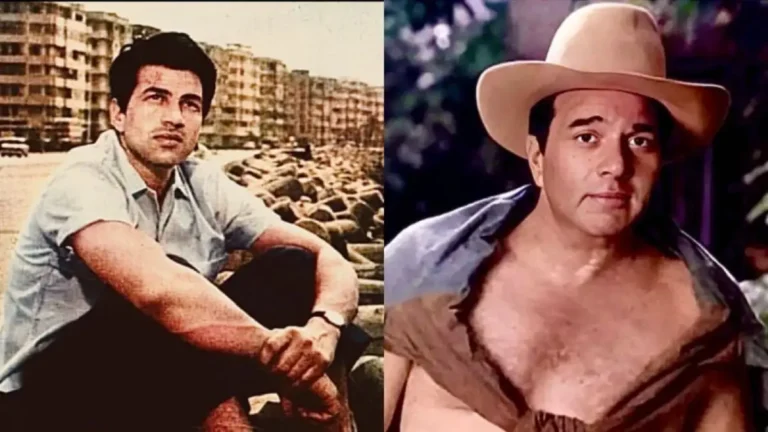
    Bollywood He-Man Dharmendra: Timeless Icon & Personal Journey

    When people speak of the golden age of Hindi cinema and larger-than-life action heroes, one name unmistakably comes to mind: Dharmendra. Known affectionately as the “He-Man” of Bollywood, Dharmendra built a storied career, transitioned into a devoted family man, and crafted a lifestyle that combined star-power with grounded values.

    This article dives into Dharmendra’s marriage story, family life, lifestyle choices, professional legacy and recent health developments. For fans, aspiring icons, or anyone interested in how an actor evolves beyond the screen, this is a deep-dive into his world.


    Origins & Early Career: From Village Roots to Bollywood Stardom

    Born on December 8, 1935 in Nasrali, Punjab, Dharmendra was the son of Kewal Krishan and Satwant Kaur in a Punjabi Jat family. His early years were marked by modest schooling and a leap into acting when opportunity met ambition.

    He made his film debut in 1960 with Dil Bhi Tera Hum Bhi Tere. Over the next decade he became known for his charisma, action roles, and his ability to carry both romantic and heroic characters. Notably, he earned the “He-Man” moniker thanks to his rugged screen presence and blockbuster hits in the 1960s and 70s.

    His early career offers real insight into how consistent performance, versatility and screen persona can shape a long lasting star lifestyle.


    Marriage & Family Life: The Man Behind the Myth

    A Union That Transformed

    Dharmendra married his first wife, Prakash Kaur, at the age of 19. That early marriage rooted him in family responsibilities even as he ascended to stardom. Then he married Hema Malini, the acclaimed actress, and their union became one of Hindi cinema’s most memorable partnerships—both personal and professional.

    Parenthood and Legacy

    He is father to several children, including stars like Sunny Deol and Bobby Deol. His family is actively involved in the film industry, ensuring that his legacy lives both onscreen and offscreen. The Dharmendra lifestyle includes spending time at his farmhouse in Khandala, celebrating festivals with extended family, and maintaining the close-knit bonds that the film world often lacks.

    The real lesson here is how a personality that thrives on the big screen managed to maintain depth, connection and stability in his private life—a model of star lifestyle grounded in family values.

    More from Blogs: Inside Robert Downey Jr.’s Net Worth: How the Actor Built His $300M Fortune


    Career Milestones & How They Shaped His Lifestyle

    The “He-Man” of an Era

    Dharmendra’s action roles created an image of invincibility—the kind of lifestyle most stars only dream of. But he balanced that image with choices of films that resonated: Seeta Aur Geeta, Chupke Chupke, and Haqeeqat among them.

    Transition to Character Roles & Producer

    Later in his career he embraced more nuanced roles and turned producer with his own ventures. That shift indicates a lifestyle transformation—from action hero to industry veteran, from starring man to mentor.

    Current Projects and Public Persona

    Even late into his career he remains active. Reports show he was slated for Ikkis, and at 89 remains a pertinent figure in Bollywood.

    For anyone building a lifestyle around their career, Dharmendra’s path shows the importance of evolution—keeping relevance while staying true to self.


    Lifestyle & Personal Choices: Beyond the Screen

    Real Estate and Leisure

    His farmhouse in Khandala became a sanctuary away from city hustle, a place where he could relax, reflect and connect with nature. His lifestyle shows how even big stars value peaceful retreats.

    Health, Ageing and Public Life

    As he reached his late 80s, his health became a matter of public concern. He was admitted to Mumbai’s Breach Candy Hospital for observation. Though rumours circulated about ventilator support, his team clarified the actor was stable and that reports of his passing were false.

    The takeaway: even legends face real health challenges. The lifestyle of a star doesn’t exempt one from delayed aging and medical realities. Planning for wellness is critical.

    Maintaining Values Amid Fame

    Despite decades in the spotlight, Dharmendra is known for humility, approachability and spending time with his children and grandchildren. His lifestyle isn’t about just glamour—it’s about continuity, purpose and legacy.


    The Recent Health Update & What It Pertains To

    The recent headlines concerning Dharmendra’s health show both the vulnerability and the strength of a life lived fully. On November 10, 2025, reports emerged of his admission due to breathlessness and possible ventilator support. His team later clarified he was under observation, and asked fans to avoid spreading rumours.

    This part of his journey highlights a broader issue: how celebrities age, how their public responsibilities intersect with personal health, and how lifestyle must adapt over time. For fans and industry insiders alike, it’s a reminder that legacy continues beyond active screens.


    Legacy and Impact: What Bollywood He-Man Dharmendra Leaves Behind

    1. Cinematic Record: With over 300 films across 60 years, his body of work speaks volumes.
    2. Action Icon to Family Icon: He shifted from action hero to family patriarch, showing adaptability in lifestyle.
    3. Industry Influence: He paved the way for later generations—including his own children—and showed how star lifestyle can evolve into mentorship.
    4. Value-Centred Life: His emphasis on family, respect, and grounded living offers a blueprint for stars and non-stars alike.

    Practical Lessons from His Life & Lifestyle

    • Balance Fame and Family: Regardless of status, nurturing relationships matters.
    • Evolve with Time: Career peaks fade; reinventing yourself sustains relevance.
    • Prioritise Health: Wealth and fame aren’t substitutes for wellness and longevity.
    • Create Lasting Value: Move beyond performances to roles that create legacy.
    • Build Stability: Real estate, investments and mindful living matter later, not just charisma.

    Closure

    Bollywood He-Man Dharmendra’s journey from action hero to devoted family man is more than a star story; it’s a lesson in resilience, reinvention and rooted living. His marriage, lifestyle choices, career longevity and recent health update all weave together an inspiring narrative.


    FAQs: Bollywood He-Man Dharmendra

    1. When did Dharmendra marry Hema Malini?
    They married in 1980 after a long association, consolidating both their professional and personal lives.

    2. How many children does Dharmendra have?
    He has six children, including children from his first marriage and two famed actors, Sunny and Bobby.

    3. Is Dharmendra still acting at 89?
    Yes. He continues to make appearances, and his upcoming film Ikkis was in the works for 2025.

    4. What is his current health status?
    Reports in November 2025 indicate he was hospitalised for observation, and his team clarified he was stable and not on ventilator support.

    5. What does his lifestyle teach younger actors?
    It teaches that longevity in industry requires adaptability, values, balanced living, and smart transition from roles to stewardship.


    If you found this article insightful, share it with fellow fans, leave your favourite Dharmendra moment in the comments, and let’s celebrate a legend whose legacy extends far beyond his super-star image.

    Brian Daboll and Josh Allen: Powerful Partnership, Painful Goodbye

    0

    Brian Daboll and Josh Allen: Unbreakable Bond or Painful Split?

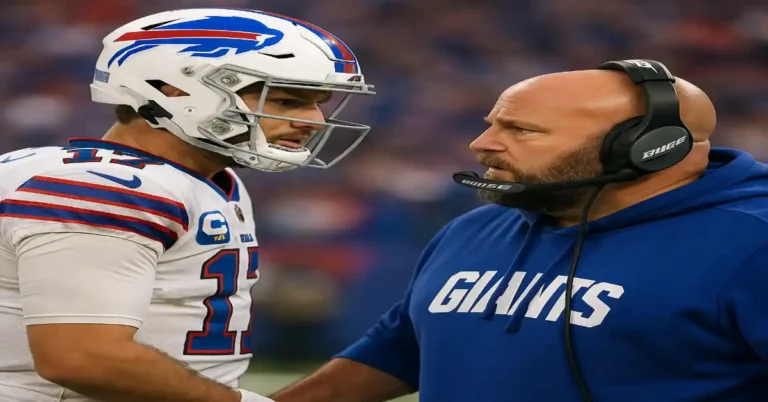
    In football, few player-coach relationships have transformed a franchise quite like Brian Daboll and Josh Allen. Their connection helped turn the Buffalo Bills from a struggling team into one of the NFL’s most feared offenses.

    But behind the touchdowns and playoff runs lies a story of mentorship, pressure, and what happens when that powerful bond is broken. The Daboll-Allen partnership wasn’t just about X’s and O’s — it was about belief, identity, and the art of developing greatness under fire.


    How It All Started: A Quarterback in Need of Guidance

    When Josh Allen entered the NFL Draft in 2018, he was far from a sure thing. Critics questioned his accuracy, mechanics, and readiness. Scouts saw raw talent — but also inconsistency.

    Enter Brian Daboll, hired as Buffalo’s offensive coordinator that same year. Fresh from a championship run with Alabama and years of NFL experience under Bill Belichick, Daboll knew how to mold young quarterbacks.

    He saw in Allen what others didn’t — not just arm strength, but potential.

    “The kid’s got the right mindset,” Daboll said early in Allen’s rookie year. “He wants to work. That’s where greatness starts.”


    Brian Daboll Biography

    CategoryDetails
    Full NameBrian Michael Daboll
    Date of BirthApril 14, 1975
    BirthplaceWelland, Ontario, Canada
    NationalityCanadian-American
    Current RoleHead Coach, New York Giants (2022–present)
    Former RolesOffensive Coordinator – Buffalo Bills (2018–2021), Alabama OC (2017), Patriots Assistant (2000–2006, 2013–2016)
    EducationUniversity of Rochester (B.A. in Economics)
    Coaching Start1997 – William & Mary (Graduate Assistant)
    NFL Rings5× Super Bowl Champion (with New England Patriots)
    AwardsAP NFL Coach of the Year (2022)
    Known ForDeveloping Josh Allen, innovative offensive schemes
    Net Worth (2025 est.)$10 million

    Brian Daboll is known for his fiery intelligence, adaptability, and mentoring ability. His analytical yet emotional coaching style forged an instant connection with Josh Allen — a bond that became the foundation of Buffalo’s offensive dominance.


    Josh Allen Biography

    CategoryDetails
    Full NameJoshua Patrick Allen
    Date of BirthMay 21, 1996
    BirthplaceFirebaugh, California, USA
    Height / Weight6 ft 5 in (1.96 m) / 237 lbs (108 kg)
    PositionQuarterback
    CollegeUniversity of Wyoming
    NFL TeamBuffalo Bills (2018–present)
    Drafted2018, Round 1 (7th overall)
    Career Highlights2× Pro Bowl (2020, 2022), 2020 Second-Team All-Pro, AFC East Champion (2020–2023)
    Passing Yards (as of 2024)22,700+
    Touchdowns (as of 2024)177 passing, 45 rushing
    Known ForDual-threat QB, leadership, resilience, powerful arm
    Net Worth (2025 est.)$45 million

    The Transformation: Building a Modern Offense

    Daboll didn’t just coach Allen — he redesigned Buffalo’s entire offensive identity around him. Gone were the conservative game plans. In came spread formations, quick reads, and designed QB runs that maximized Allen’s dual-threat ability.

    From 2018 to 2021, the growth was dramatic:

    SeasonPassing YardsTDsCompletion %Team Record
    20182,0741052.85–6 (as starter)
    20193,0892058.810–6
    20204,5443769.213–3
    20214,4073663.311–6

    Under Daboll, Josh Allen went from raw rookie to MVP contender, earning Pro Bowl selections and leading Buffalo to the AFC Championship Game.

    Their success wasn’t just statistical — it was emotional. Allen often called Daboll “like family.” Cameras frequently captured the two sharing sideline embraces and fiery huddles.

    Read Also :- Inside Robert Downey Jr.’s Net Worth: How the Actor Built His $300M Fortune


    The Chemistry That Defined an Era

    Allen once said in a press conference:

    “He believed in me when maybe a lot of people didn’t.”

    That belief became the heartbeat of the Bills offense. Daboll gave Allen creative freedom — adjusting plays, improvising reads, and pushing limits.

    The result? A quarterback who not only performed but thrived under pressure.

    Teammates noticed it too. Wide receiver Stefon Diggs, who joined in 2020, said:

    “Those two had a connection. You could feel it in the locker room.”

    This player-coach bond became one of the NFL’s most talked-about partnerships, often compared to Andy Reid and Patrick Mahomes or Sean Payton and Drew Brees.


    The Split: When Success Leads to Separation

    In 2022, success came with a price. Daboll’s transformation of Allen made him one of the hottest names in coaching. The New York Giants came calling — and hired him as their head coach.

    For Allen, the news hit hard. Their final game together — a gut-wrenching overtime loss to Kansas City — felt like an emotional turning point.

    After Daboll left, Allen admitted:

    “It’s tough. We’ve been through so much. But I’m happy for him — he deserves it.”


    Life After Daboll: The Adjustment Period

    Without Daboll, Buffalo’s offense remained strong under new coordinator Ken Dorsey, but the chemistry wasn’t the same.

    Allen’s 2022 and 2023 seasons still delivered highlight plays and playoff appearances, but turnovers increased and rhythm sometimes faltered.

    Analysts pointed to Daboll’s departure as a key reason behind Buffalo’s occasional inconsistency.

    Meanwhile, Daboll worked wonders in New York — guiding quarterback Daniel Jones to his best statistical season and leading the Giants to their first playoff win in a decade.


    Lessons from Their Partnership

    The Daboll-Allen story is about more than football. It’s about trust, growth, and mentorship under the spotlight.

    Here’s what made their relationship special:

    1. Mutual Belief: Daboll saw potential where others saw flaws.
    2. Adaptability: The offense evolved around Allen’s strengths.
    3. Emotional Honesty: Both weren’t afraid to challenge or praise each other.
    4. Shared Vision: Winning wasn’t just about stats — it was about legacy.

    In an NFL world obsessed with instant results, their journey showed the power of patience and persistence.


    The Reunion Talk: Could They Work Together Again?

    Fans often speculate: could Daboll and Allen reunite one day?

    While unlikely in the short term, the idea isn’t impossible. NFL careers evolve quickly — and their mutual respect remains intact.

    If that reunion ever happens, the football world would watch closely. Because when these two align, greatness follows.


    In Short

    The story of Brian Daboll and Josh Allen is one of belief turned into brilliance. Together, they changed not only the Buffalo Bills’ trajectory but also the conversation around quarterback development in the NFL.

    Even apart, their influence lingers — in every deep throw, every fearless scramble, every moment Allen commands the field with conviction.

    It’s proof that sometimes, the right mentor doesn’t just build a player — he builds a legacy.


    FAQs

    1. Who is Brian Daboll?
    Brian Daboll is the current head coach of the New York Giants and former offensive coordinator for the Buffalo Bills.

    2. How did Brian Daboll impact Josh Allen’s career?
    He developed Allen’s mechanics, decision-making, and confidence, helping him become an elite NFL quarterback.

    3. Did Brian Daboll and Josh Allen have a strong relationship?
    Yes. Allen has publicly said Daboll was like family and credited him for believing in his potential.

    4. Why did Brian Daboll leave Buffalo?
    After his success with Allen, he was hired as the head coach of the New York Giants in 2022.

    5. Are Brian Daboll and Josh Allen still in touch?
    Yes. They maintain mutual respect and have praised each other publicly since their professional split.

    Inside Robert Downey Jr.’s Net Worth: How the Actor Built His $300M Fortune

    0

    Robert Downey Jr. Lifestyle: Inspiring Comeback and Massive Fortune

    Few stories in Hollywood capture the highs, lows, and reinvention as vividly as that of Robert Downey Jr. Once one of the most in-demand actors, then sidelined by addiction and legal problems, he has today built a lifestyle rooted in success, smart choices and reinvention. This article dives deep into his lifestyle — how he built his fortune, the setbacks he overcame, and how you can draw practical lessons from his journey.


    Early Life: Roots of Talent and Trouble

    Born on April 4, 1965 in Manhattan, New York, Robert Downey Jr. was immersed in the entertainment world from day one: his father, Robert Downey Sr., was a filmmaker and his mother, Elsie Ford, an actress.

    By age 5, he had already made his screen debut. That early exposure gave him both opportunity and pressure. As a teenager and young adult he demonstrated extraordinary acting ability — but also veered into substance abuse and legal troubles that nearly destroyed his career.

    For many aspiring actors, the lesson from his early life is clear: talent alone isn’t enough. Without discipline, support, and sustainable habits, even the brightest start can falter.


    The Rise to Stardom: Acting Breakthroughs and Early Success

    Robert’s early breakthrough came with roles like in “Less Than Zero” (1987) and the acclaimed “Chaplin” (1992). In fact his portrayal of Charlie Chaplin earned him major award nominations.

    But the true shift came when he was cast as Tony Stark in the 2008 film “Iron Man.” That role transformed his career — and laid the foundation for his lifestyle and fortune. The blockbuster success of the Marvel Cinematic Universe films made him one of Hollywood’s highest-paid actors.

    From that point:

    • He leveraged his star power into big paychecks and backend deals.
    • He built brand associations, licensing leverage and long-term earning potential.
    • His lifestyle transformed: luxury homes, cars, travel, and a status befitting one of Hollywood’s biggest stars.

    If you’re working toward success in your field, his rise shows how a single breakout role + strategic positioning can reshape everything.


    The Fall: Addiction, Bankruptcy and Rock Bottom

    Even the most successful stories include dark chapters. For Robert Downey Jr., the late 1990s and early 2000s marked a period of severe personal crisis: drug arrests, rehabilitation stints, a reputation for being uninsurable and unreliable in Hollywood.

    By the early 2000s he was effectively unemployable, had financial issues and saw his lifestyle collapse. The very actor making millions was facing court charges, rehab, and uncertainty.

    For many professionals, this section holds critical insight: success is fragile. One misstep, one unchecked habit, one ignored warning can derail everything. The lifestyle built on success can vanish if not managed carefully.

    More from Blogs: Mimi Torres Net Worth: Talented Yet Mysterious


    The Comeback: How He Reclaimed His Career and Lifestyle

    How did Robert Downey Jr. rebuild? The path back offers valuable lessons:

    Strategy 1 – Accepting Change and Accountability

    He acknowledged his issues, embraced treatment, leaned on trusted partners and created routines that supported recovery. That shift became the foundation for a new lifestyle.

    Strategy 2 – Smart Role Choices

    Rather than taking any role, he chose projects that aligned with his strengths and brand. The “Iron Man” franchise wasn’t just a film series; it became his identity. Then he diversified — taking roles in “Sherlock Holmes”, “Tropic Thunder” and more.

    Strategy 3 – Negotiating the Big Deals

    He didn’t just act; he secured backend participation, profit-sharing and brand leverage. According to sources, his net worth in 2025 is estimated at around $300 million.

    That means the lifestyle he enjoys today is supported not just by big paychecks but smart long-term planning.

    Strategy 4 – Diversification Beyond Acting

    Beyond movies, he invested in production (Team Downey), sustainable tech ventures (Footprint Coalition) and personal branding. These moves support a lifestyle less vulnerable to film industry fluctuations.


    Robert Downey Jr. Lifestyle: What His Net Worth Enables

    With a net worth estimated at around $300 million, Robert Downey Jr.’s lifestyle is enviable, but also grounded in reality. Here are some of the key components:

    Real Estate

    Luxury homes in Los Angeles, high-end amenities, custom spaces. His real estate choices reflect both comfort and investment value.

    Cars and Travel

    From collector cars to luxury vehicles, global travel, first-class experiences, his lifestyle reflects premium choices that align with his income and brand.

    Family and Stability

    Since marrying producer Susan Levin in 2005, his personal life has stabilized. That stability supports a lifestyle of sustained wellness rather than highs and lows.

    Philanthropy and Purpose

    A meaningful lifestyle isn’t just about consumption. His investment in environmental initiatives and sustainable business shows how lifestyle can align with values.

    For professionals, this means: success isn’t just how much you earn—it’s how you allocate it, protect it and use it to build a life aligned with your values.


    Income Breakdown: How Robert Downey Jr. Built His $300 Million Fortune

    Understanding how his income streams work helps demystify a seemingly unreachable lifestyle.

    Film Earnings & Backend Deals

    His major roles — especially Tony Stark / Iron Man, generated huge box-office returns and allowed him to negotiate profit-sharing. That boosts net worth far beyond upfront salaries.

    Brand Deals & Licensing

    As a high-profile actor, he licensed apparel, endorsements, appearances and merchandising. The lifestyle these deals enable stands on more than film checks.

    Investment in Production & Tech

    Through Team Downey and his environmental venture, he moved from actor to stakeholder in entertainment and tech. This provides recurring income, less tied to acting jobs.

    Strategic Financial Management

    Rather than just spend, the narrative shows a focus on preservation: choosing quality over quantity, being selective with roles, and investing wisely.


    What Can You Take Away? Practical Lessons for Your Life and Career from Robert Downey Jr. Lifestyle

    While you may not be a Hollywood superstar, Robert Downey Jr.’s lifestyle journey offers lessons that apply across fields.

    1. Rebrand When Needed: If your reputation or performance dips, take time to reset, re-learn and reposition.
    2. Choose Quality Over Quantity: Strategic choices build long-term strength—in roles, jobs or projects.
    3. Diversify: Build multiple income streams so you’re not overly dependent on one area.
    4. Protect Your Legacy: A lifestyle built just on spending is short-lived. Investing wisely and thinking long term sustains success.
    5. Align Lifestyle With Values: When your lifestyle reflects who you are—and your deeper vision—you’re more likely to maintain motivation and discipline.

    Potential Pitfalls: What He Avoided (and What You Should Watch Out For)

    Even in his comeback, Robert Downey Jr. had to avoid repeating old patterns. Recognising similar risks in your own career and lifestyle is key.

    • Reliance on past successes instead of adapting to new market conditions.
    • Overspending without a plan for income variability.
    • Failing to diversify and being vulnerable to one failure (e.g., a box-office flop).
    • Letting personal issues go unchecked—mental health, addiction or burnout can undo professional momentum.

    By acknowledging these hazards, you can shape a more resilient lifestyle.


    Recent Updates: The Evolving Chapter of His Lifestyle

    In 2024 and 2025, Downey earned his first Academy Award for Best Supporting Actor for his role in “Oppenheimer.” This achievement reflects not just commercial success but artistic growth.

    He continues to explore new facets of his lifestyle: sustainability ventures, legacy building, mentoring. His net worth remains impressive, but what’s noteworthy is the shift from “star paid to act” to “investor, producer and brand builder.”

    For any professional or creator, the lesson is: growth doesn’t end when you reach a milestone. It evolves.


    FAQs: Robert Downey Jr. Lifestyle

    1. What is Robert Downey Jr.’s net worth in 2025?
    Estimated at around $300 million, making him one of Hollywood’s richest actors.

    2. How did Robert Downey Jr. earn his fortune?
    Through blockbuster roles (especially as Tony Stark / Iron Man), backend deals, production ventures, endorsements and smart investments in tech and sustainability.

    3. What major setback did he overcome?
    He battled addiction, legal troubles and industry black-listing in the late 1990s and early 2000s before rebuilding his career.

    4. What elements define his current lifestyle?
    Luxury properties, vehicles, global travel, family stability, philanthropic ventures, production ownership and a legacy mindset.

    5. Can creators or professionals apply his lifestyle lessons?
    Yes. His journey shows the power of resilience, strategic decision-making, diversification, value-alignment and long-term thinking.

    6. Is his success only about acting?
    No. His success today is less about acting roles and more about smart brand building, investment, stakeholder value and aligning identity with business.

    Aaron Paul Invincible Monologue Redefines Power Through Pain

    0

    Aaron Paul’s Powerful Invincible Monologue: Pain, Rage, and Redemption

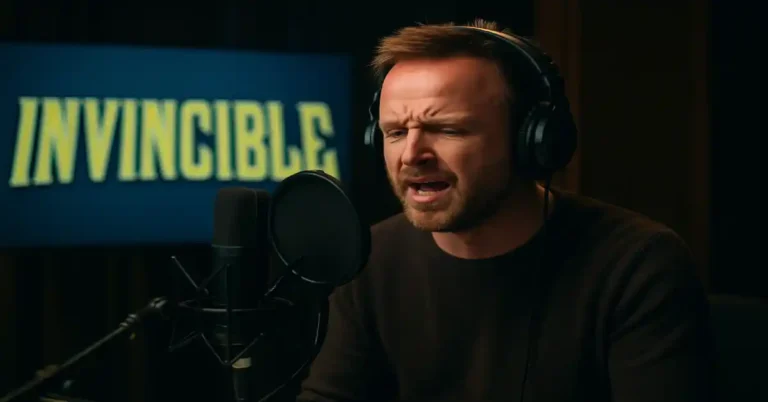
    When Aaron Paul delivers a monologue, people listen. His voice — strained yet steady, emotional yet commanding — has become a symbol of raw human honesty. Whether as Jesse Pinkman in Breaking Bad or as the tortured voice behind Invincible’s most gut-wrenching moments, Paul brings something rare: genuine emotional gravity.

    The now-viral “Aaron Paul Invincible Monologue” — a fan-favorite clip from the animated superhero series — captures everything Aaron Paul is known for: pain, vulnerability, and that quiet storm of rage that explodes into something unforgettable.

    Let’s break down how this one scene made such an impact — and why Aaron Paul’s delivery continues to define the gold standard of modern voice acting.


    Who Is Aaron Paul?

    Before we dive into the monologue itself, it’s worth remembering who Aaron Paul is and how his career led to this moment.

    Born Aaron Paul Sturtevant in Emmett, Idaho, he grew up far from Hollywood glamour. After moving to Los Angeles, Paul took on small TV roles and commercial work before his breakout as Jesse Pinkman in Breaking Bad.

    The role earned him three Primetime Emmy Awards and a reputation for emotional depth. His ability to cry, rage, and break in front of the camera wasn’t acting — it felt lived.

    That same emotional truth bleeds into his voice work in Invincible, where his tone alone tells a story.

    Aaron Paul Biography

    CategoryDetails
    Full NameAaron Paul Sturtevant
    Date of BirthAugust 27, 1979
    BirthplaceEmmett, Idaho, USA
    ProfessionActor, Producer, Voice Artist
    EducationCentennial High School (Boise, Idaho)
    Notable WorksBreaking Bad, El Camino: A Breaking Bad Movie, BoJack Horseman, Westworld, Need for Speed
    Voice Acting RolesTodd Chavez (BoJack Horseman), Various animated projects
    Awards3× Primetime Emmy Awards, Critics’ Choice Award, Saturn Award
    Breakout RoleJesse Pinkman in Breaking Bad (2008–2013)
    Viral MomentThe “Invincible” monologue – a fan edit showcasing Paul’s emotional delivery
    SpouseLauren Parsekian (m. 2013)
    Net Worth (2025 est.)$25 million
    ResidenceLos Angeles, California, USA

    Setting the Scene: “Invincible” and Its Emotional Weight

    The Amazon Prime animated series Invincible, based on the comic by Robert Kirkman, is known for its brutal realism and moral complexity.

    The show explores what it truly means to be a hero — not through shiny costumes, but through broken families, blood-soaked battles, and hard truths.

    Aaron Paul’s monologue (in a key scene that fans often compare to his Breaking Bad emotional breakdowns) has become one of the most shared and quoted pieces of modern animation dialogue.

    Though not officially part of the Invincible canon — the viral monologue gained traction through fan-made AI edits and reinterpretations inspired by Paul’s delivery style — it feels authentically Aaron Paul: dark, reflective, and deeply human.

    Read Also:- The Kim Davis Story: Courage, Controversy, and Conviction


    The Invincible Monologue: A Breakdown

    “You think being invincible means never breaking? You’re wrong. It means breaking over and over again — and still standing up. You think I wanted this? I didn’t ask to lose everything I loved just to learn how strong I could be.”

    The moment is quiet at first — Aaron’s voice trembling, almost whispering. You can hear years of anger and grief behind every pause. Then it builds.

    “You call it strength. I call it punishment. Every time I fall, I remember what it cost me to get back up. Every scar, every scream, every goodbye — that’s what makes me invincible.”

    His tone rises with each word, then cracks at the end — that Aaron Paul signature: rage fueled by heartbreak.

    Even if you strip away the visuals, the sound alone tells a story. It’s Jesse Pinkman’s trauma reborn in a superhero world.


    Why This Monologue Hit So Hard

    1. Emotional Authenticity:
      Paul doesn’t perform pain — he channels it. You feel the years of loss, guilt, and rage in his voice.
    2. Universal Themes:
      The speech captures what being “invincible” really means — not perfection, but perseverance.
    3. Human Fragility in a Superhero World:
      Unlike typical superhero dialogue, this monologue exposes weakness as strength.
    4. Cultural Parallels:
      In an age obsessed with image and endurance, Aaron Paul’s words feel painfully relevant. It’s a reminder that survival often comes at the cost of breaking first.

    The Internet Reaction: Viral Fandom and AI Resurgence

    When the Invincible monologue began circulating online — often set to scenes from the show or fan edits — it reignited interest in Aaron Paul’s acting range.

    Reddit threads, TikTok clips, and YouTube compilations labeled it “the most Aaron Paul thing ever.”

    Many fans even mistook it for an actual scene from Invincible because the performance was so convincing. Others praised how the tone matched the series’ brutal honesty.

    Even Invincible creator Robert Kirkman acknowledged the cultural impact of such fan edits, saying they reflect how deeply people connect with the emotional heart of the show.


    Aaron Paul’s Strength as a Performer

    Aaron Paul’s voice acting works because he doesn’t separate it from physical acting. Even behind a microphone, he moves, clenches his jaw, paces, and cries — everything you’d expect to see on camera.

    He once said in an interview:

    “If I’m not feeling it physically, the mic won’t pick it up emotionally.”

    That’s why the Invincible monologue hits differently — it’s not just spoken, it’s felt.


    Symbolism of “Invincible” in the Monologue

    The brilliance of Aaron Paul’s delivery lies in how he redefines the word “invincible.”

    It’s not about physical indestructibility. It’s about emotional endurance.

    • Invincible means getting hurt and still showing up.
    • It means forgiving yourself for falling.
    • It means carrying pain without letting it destroy you.

    That message — delivered in Paul’s breaking, guttural tone — is what made the monologue unforgettable.


    Aaron Paul Beyond “Invincible”

    Following the viral popularity of the clip, fans began calling for Paul to officially join the Invincible cast.

    Given his track record with intense, layered characters, it wouldn’t be far-fetched. Paul already has an impressive voice-acting résumé — including Todd Chavez in BoJack Horseman, another series that explored pain and identity in profound ways.

    It’s that emotional duality — vulnerability mixed with rage — that keeps fans demanding more.


    In Short

    Aaron Paul’s Invincible monologue isn’t just a scene — it’s an experience. It captures what makes him one of the most respected actors of his generation: honesty, heartbreak, and authenticity.

    Whether it’s Jesse Pinkman screaming in pain or a broken hero whispering through tears, Aaron Paul makes us feel.

    That’s what makes this monologue timeless — not because it’s perfect, but because it’s human.


    FAQs

    1. What is Aaron Paul’s “Invincible monologue”?
    It’s a viral fan-edited voice clip inspired by the Invincible series, featuring Aaron Paul’s emotional delivery and themes of strength and loss.

    2. Did Aaron Paul actually voice a character in Invincible?
    As of now, no official role has been announced, though fans continue to campaign for his inclusion.

    3. Why did the monologue go viral?
    Its emotional delivery and deep message about pain and perseverance resonated widely on social media platforms like TikTok and YouTube.

    4. What other voice roles has Aaron Paul done?
    He’s best known for voicing Todd Chavez in BoJack Horseman and various characters in animated projects.

    5. What makes Aaron Paul’s acting unique?
    His ability to balance vulnerability and intensity, making every line sound raw, real, and emotionally lived.

    Same Sex Marriage Rights Safe for Now: USA Supreme Court’s 2025 Decision

    0

    Same Sex Marriage Rights: Positive Victory and Fragile Future

    The legal landscape of marriage equality in the United States has reached a critical moment. With the Supreme Court of the United States declining to revisit the landmark ruling from 2015, the status of same sex marriage rights remains intact — for now. This decision carries profound implications for couples, families, states, and the broader fight for equal protection under the law.

    In this article, we’ll explore the 2025 decision in detail, explain what it means for same sex marriage rights, highlight real-life challenges that persist, and outline what individuals and policymakers can do to help secure and strengthen those rights moving forward.


    What Happened: The 2025 Decision

    In November 2025, the Supreme Court refused to hear a case that attempted to reverse the national right to same-sex marriage. The appeal was brought by a former Kentucky clerk who had refused to issue marriage licenses to same-sex couples. Court watchers noted the refusal signals the Court’s unwillingness — at least in this case — to revisit the precedent of same sex marriage rights.

    This rejection, while not a full endorsement of marriage equality, effectively preserved the core ruling. For same sex couples, the message was clear: the right to marry remains protected under current law, limiting fear of an imminent rollback.

    More from Blogs: The Kim Davis Story: Courage, Controversy, and Conviction


    Why This Is a Victory — and Why It Feels Fragile

    A Victory for Equality

    When the Court declined to reverse the precedent, it upheld a key component of civil rights progress. The ruling affirmed that same sex marriage rights are not merely temporary or symbolic but remain anchored in constitutional protection.

    It also gave thousands of families clarity. Couples statewide, families with children and advocates celebrated the decision as reinforcing dignity, recognition and legal stability.

    A Fragile Future

    Yet, calling the victory “fragile” is not an exaggeration. Several factors introduce risk:

    • The Court’s conservative majority remains open to future challenges.
    • Some states are exploring back-door methods, such as stripping related rights or raising administrative hurdles to remind couples of insecurity.
    • A refusal to grant certiorari is not the same as a full affirmation of rights; it leaves open potential for new cases to test the precedent.

    Thus, same sex marriage rights may be safe today, but they cannot be taken for granted.


    The Legal Framework Behind Same Sex Marriage Rights

    The Origins of the Right

    The journey to recognize same sex marriage rights began with key decisions such as United States v. Windsor in 2013 and culminated in Obergefell v. Hodges in 2015, which held that the Fourteenth Amendment requires states to license and recognize marriages between same-sex couples.

    The 2025 Decision’s Role

    In the 2025 scenario, the Supreme Court simply declined to hear the appeal challenging Obergefell. While the Court’s silence may seem passive, legally it means that Obergefell remains good law. That has powerful ramifications for the maintenance of same sex marriage rights.

    What the Rejection Means for States

    By declining the case, the Court sends a message: states cannot assume Obergefell will be overturned anytime soon. For state legislatures, courts and citizens, the decision expands the space of certainty for same sex couples. However, the ruling does not freeze the possibility of future challenges — so vigilance remains necessary.


    Practical Impact on Individuals and Families

    Marriage Access and Recognition

    For couples seeking to marry, the decision means they can proceed under existing law with greater confidence. States must continue to license same-sex marriages and recognise such unions from other states equally.

    Children, Families and Legal Protections

    Many children in same-sex households rely on the stability of marriage for benefits like parental rights, inheritance, and federal recognition. With same sex marriage rights intact, families can secure these protections. Yet, because the future remains uncertain, legal planning and clarity become even more important for families to avoid vulnerabilities.

    Employment, Benefits and Financial Planning

    Marriage influences tax filings, spousal benefits, estate planning, Social Security claims and more. Many same-sex couples have already built financial plans on the expectation of marriage equality; this decision reinforces those plans — but also signals the need to review them periodically in light of evolving risk.


    Real-Life Problems That Persist and Solutions to Consider

    Problem: Administrative Barriers in Some States

    Even when marriage rights are legally protected, some states introduce burdensome procedures — delays, complicated paperwork or discriminatory local practices.

    Solution: Couples should document interactions, understand their rights under state law and engage local advocacy groups. If your rights are being delayed or blocked, reach out to legal support organisations.

    Problem: Perceived Instability of Rights

    While the ruling held, uncertainty remains. This creates stress for families who depend on stable legal recognition.

    Solution: Legal consultation can help couples ensure their marriage is fully recognised, that estates are secured and that children’s rights are protected. Take proactive steps: update Wills, designate guardians, check social-security benefits and stay informed about local law changes.

    Problem: Lack of Awareness

    Many couples still don’t fully understand how marriage equality affects other legal areas: adoption, medical decisions, employer benefits.

    Solution: Education matters. Use trusted advice sources, attend local LGBTQ+ rights organisations’ workshops, and review legal guides tailored to same-sex families.


    What Analysts and Advocacy Groups Are Saying

    LGBTQ+ rights organisations hailed the Supreme Court’s refusal to revisit same sex marriage rights as a confirmation of equal protection under the law. For example, the Human Rights Campaign stated that the decision sends a strong message that denying constitutional rights has consequences.

    Legal scholars agree the court’s decision not to act is as meaningful as an official opinion — it preserves the rule of precedent and signals institutional confidence in the existing right.

    However, analysts caution that this decision does not mark the end of the fight. Some state‐level efforts continue to chip away at associated rights, and future Supreme Court cases remain viable. “Safe for now” is legitimately the phrase to describe this moment.


    Global Perspective: How the US Decision Resonates

    In many countries, marriage equality is still under debate or partially recognised. The U.S. holding onto same sex marriage rights carries international weight. It offers a model of how legal protections and social movements intertwine. It also underscores that vigilance in rights protection is universal.

    Countries observing the U.S. decision may feel validated in progressing equality legislation or motivated to guard against rollback. For global advocates of same sex marriage rights, the U.S. signal matters not just domestically but diplomatically.


    Looking Ahead: What Comes Next for Same Sex Marriage Rights

    Legislative Action

    Congress and state legislatures may push to strengthen protections beyond marriage rights — such as anti-discrimination laws, family recognition and health-care access. Ensuring same sex married couples receive the same rights in all federal programs remains vital.

    Judicial Challenges

    Even though the 2025 decision deferred reconsideration, new cases will surface. Strategic legal filings may test the boundaries of same sex marriage rights — for example, by targeting related rights like adoption, child custody or healthcare access.

    Public Engagement

    Social acceptance underpins legal protections. Educating community members, building varied family storytelling and supporting inclusive policies will help cement same sex marriage rights – not just as law but as lived reality.

    Monitoring and Preparedness

    For couples and families, staying prepared means reviewing legal status regularly, updating documents, understanding state law changes and staying connected to relevant legal and advocacy networks.


    FAQ

    1. Is same sex marriage still legal across all US states?
    Yes. The Supreme Court’s decision not to revisit the issue means that the landmark ruling recognising same sex marriage rights remains in force nationwide.

    2. Does this decision guarantee same sex couples full equality in all areas?
    Not entirely. While marriage rights are protected, there remain gaps in areas like employment discrimination, religious objections, adoption laws and state-level administrative practice.

    3. Can states still make laws that undermine same sex married couples?
    States cannot legally ban same sex marriage under existing precedent, but they may attempt indirect measures affecting recognition, benefits or associated rights — which advocates must monitor.

    4. What should couples do to protect their rights now?
    Review legal documentation such as wills, health-care proxies and tax filings. Ensure your marriage is properly registered, consult legal professionals for family-planning matters and stay informed on changes in your state’s laws.

    5. Does this ruling affect international same-sex marriages?
    It primarily governs U.S. law. However, under federal recognition and diplomacy, the decision strengthens the U.S. position on marriage equality, and may influence how U.S. government recognises foreign same-sex marriages.

    6. Can the Supreme Court revisit same sex marriage rights in future?
    Yes. A refusal to grant review is not the same as a full legal affirmation. While the precedent remains safe, future cases may test its limits or seek to carve out exceptions.

    7. How can advocates keep pushing for stronger protections?
    Focus on legislation (such as stronger anti-discrimination laws), community education, pro-family resources for same-sex couples and supporting legal challenges that broaden and safeguard rights connected to marriage.

    The Kim Davis Story: Courage, Controversy, and Conviction

    0

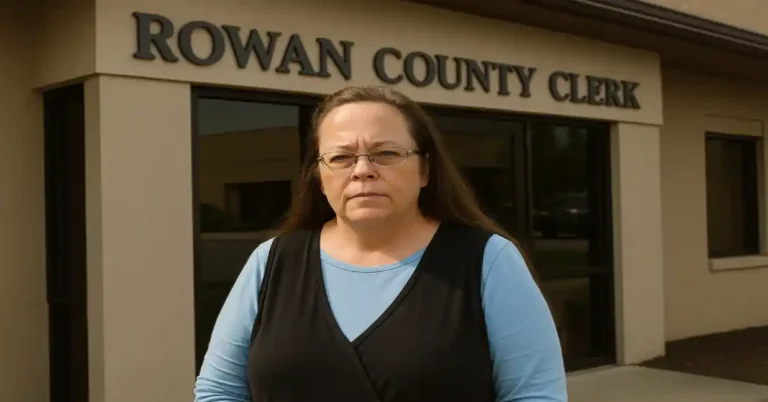
    Kim Davis Kentucky county clerk: Courageous Stand or Costly Defiance – The Controversial Kentucky Clerk

    Few public officials have divided America as sharply as Kim Davis, the Kentucky county clerk who refused to issue marriage licenses to same-sex couples after the landmark Obergefell v. Hodges Supreme Court ruling in 2015.

    To some, she was a defender of religious liberty. To others, she symbolized government overreach and discrimination. Her act of defiance turned a small-town official into a national headline — and raised questions that still echo today about the balance between personal faith and public duty.


    The Background: Who Is Kim Davis?

    Born on September 17, 1965, Kim Davis grew up in Rowan County, Kentucky — the same rural area where she would later become county clerk. A lifelong resident, she worked in the clerk’s office for nearly three decades before being elected in 2014.

    Her early career was relatively quiet. By all accounts, Davis was diligent and dedicated, handling the day-to-day paperwork of local governance with little controversy. But everything changed in 2015, when the U.S. Supreme Court legalized same-sex marriage nationwide.


    The Moment That Sparked a National Firestorm

    On June 26, 2015, the Obergefell v. Hodges decision legalized same-sex marriage across the United States. For Kim Davis, a devout Apostolic Christian, this ruling clashed directly with her beliefs.

    When the ruling took effect, Davis refused to issue marriage licenses to any couples — same-sex or otherwise — citing “God’s authority.”

    “It is not a matter of being anti-gay or anti-lesbian. It’s about upholding my faith,” she told reporters at the time.

    Her refusal quickly drew lawsuits from same-sex couples who argued she was violating their constitutional rights.

    Read Also:- Jackie Chan Daughter and Son: Inspiring Triumphs and Painful Secrets


    The Legal Battle That Followed

    Davis’s defiance set off a legal storm that gripped national headlines. Federal judges ordered her to issue the licenses, but she refused, arguing that signing them would violate her religious conscience.

    In September 2015, she was found in contempt of court and jailed for five days, a moment that turned her into a lightning rod for political and religious debate.

    While some politicians and Christian leaders rallied behind her, others — including both conservatives and liberals — argued that as an elected official, Davis had a duty to uphold the law.

    Key Events

    DateEvent
    June 26, 2015Supreme Court legalizes same-sex marriage.
    July 2015Davis halts all marriage licenses in Rowan County.
    August 2015Couples sue Kim Davis in federal court.
    September 3, 2015Davis jailed for contempt of court.
    September 8, 2015Released after deputies begin issuing licenses.
    2016Davis runs for re-election and loses.
    2023Ordered to pay damages to same-sex couples.

    The Jail Stay and Public Reaction

    Davis’s brief imprisonment drew worldwide attention. Outside the Carter County Detention Center, supporters waved crosses and signs reading “Free Kim Davis.”

    Prominent political figures, including Mike Huckabee and Ted Cruz, voiced support, framing her case as a stand for religious liberty.

    Opponents, however, saw her as a government employee misusing her power to impose her personal faith on others. Late-night hosts and legal analysts debated her case, turning it into a flashpoint in the larger cultural war between faith and equality.


    What Happened After Her Release

    Upon release, Davis returned to work but stopped signing licenses herself. Instead, her deputies issued them under state authority.

    In 2016, she published a memoir, Under God’s Authority: The Kim Davis Story, where she described her experience as “a test of faith.”

    However, the controversy had political consequences. In 2018, she lost her re-election bid to Democrat Elwood Caudill Jr., who promised to restore fairness to the office.


    The Legal Fallout Years Later

    The story didn’t end with her losing office. In March 2023, a federal judge ruled that Kim Davis violated the constitutional rights of same-sex couples by denying marriage licenses.

    She was ordered to pay $100,000 in damages to one of the couples, a decision that reaffirmed the legal principle that personal beliefs cannot override public duties.

    Davis, however, maintained her stance, saying she acted “under God’s law,” not out of hatred but conviction.


    The Debate: Religious Liberty vs. Civil Rights

    The Kim Davis case sparked an enduring national conversation. Can a public official refuse to perform certain duties based on faith?

    Arguments Supporting Davis

    • She had the right to exercise her religious freedom under the First Amendment.
    • The state could have accommodated her beliefs by allowing others to sign licenses.
    • Her actions reflected moral conviction, not bigotry.

    Arguments Against Davis

    • As a government official, she was bound by the Constitution, not personal belief.
    • Her refusal denied citizens their equal rights.
    • Allowing exceptions would undermine the rule of law.

    Both sides saw her case as a defining moment in the ongoing tension between religious liberty and civil rights.


    Kim Davis’s Life Today

    As of 2025, Kim Davis lives quietly in Kentucky, mostly out of the public spotlight. She remains active in local church groups and occasionally speaks at faith-based events.

    While she has lost political influence, she continues to be a symbol — for some, of courage; for others, of intolerance.

    “I may have lost my job, but I didn’t lose my faith,” she once told a local station after the court ruling.


    The Legacy of Kim Davis

    Nearly a decade after her defiance, Kim Davis’s story still resonates in debates about freedom of conscience, the limits of government power, and the meaning of equality.

    Her case paved the way for future legal discussions around religious exemptions — influencing everything from business policies to healthcare laws.

    Whether viewed as a hero or a cautionary tale, her name remains a fixture in American political and cultural memory.


    In Short

    Kim Davis’s defiance as a Kentucky county clerk wasn’t just about marriage licenses — it was about the clash between two deeply held American ideals: freedom of religion and equal protection under the law.

    Her story reminds us that public service requires difficult choices, and those choices can shape the nation’s conscience.

    Even years later, her name sparks debate — proving that the questions she raised about law, faith, and moral duty remain far from settled.


    FAQs Kim Davis Kentucky county clerk

    1. Who is Kim Davis?
    Kim Davis is a former Rowan County, Kentucky clerk who refused to issue marriage licenses to same-sex couples after the Supreme Court legalized same-sex marriage in 2015.

    2. Why was Kim Davis jailed?
    She was jailed for contempt of court after defying a federal order to issue marriage licenses.

    3. Did Kim Davis lose her job?
    She was released from jail but lost her re-election bid in 2018.

    4. What did the court rule in 2023?
    A judge ruled that Davis violated constitutional rights and ordered her to pay $100,000 in damages.

    5. What is Kim Davis doing now?
    She lives in Kentucky, remains active in her church, and occasionally speaks about faith and freedom.