
More
    Home Blog Page 15

    IPL 2026 Trade Shake-Up: Franchise Swaps & Bold Moves Revealed

    0

    IPL 2026 Trade List: Smart Gains & Risky Losses Ahead

    The 2026 Indian Premier League (IPL) season is already stirring headlines, and we’re still months away from the first ball being bowled. The buzz isn’t about new kits or stadiums — it’s about the IPL 2026 Trade List. Every year, the trade window throws surprises that redefine the tournament’s power balance, and 2026 has proven no different.

    So far, franchises have used the trade window to sharpen their squads ahead of the mini-auction. In a league where strategy and balance decide the difference between champions and mid-table finishers, each trade becomes a chess move.


    IPL 2026

    Understanding the IPL Trade Mechanism

    Before we get into the confirmed moves, it’s worth understanding how the trade process works.

    The IPL trade window opens a few weeks after the previous season and remains active until a few days before the player auction. During this period:

    • Franchises can swap players — directly, or with a financial top-up agreed between them.
    • Traded players must consent to the move.
    • The BCCI and IPL governing council approve each trade officially.

    Teams use this phase to balance purse space, strengthen weak zones, and offload high-salary players who didn’t fit into plans.

    More from Blogs: Ultimate NBL Basketball Game Plan: Your Fan’s Guide


    Confirmed Player Trades Before IPL 2026 Auction

    As of mid-November 2025, a growing number of trades have been officially confirmed by IPL’s communications and trusted sports portals. Here’s the updated IPL 2026 Trade List so far:

    PlayerFrom FranchiseTo FranchiseTrade TypeRemarks
    Avesh KhanLucknow Super GiantsRajasthan RoyalsDirect swapRR strengthen pace attack
    Devdutt PadikkalRajasthan RoyalsLucknow Super GiantsDirect swapLSG add a top-order Indian bat
    Shahbaz AhmedRoyal Challengers BengaluruSunrisers HyderabadMutual tradeAdds all-round depth
    Mayank DagarSunrisers HyderabadRoyal Challengers BengaluruMutual tradeLeft-arm spin option for RCB
    Romario ShepherdMumbai IndiansLucknow Super GiantsCash tradeLSG boost all-round power
    Chetan SakariyaDelhi CapitalsKolkata Knight RidersSwap with purse adjustmentLeft-arm pace option for KKR
    Sanju SamsonRajasthan RoyalsChennai Super KingsBlock-buster swapBig-name captain movement
    Ravindra JadejaChennai Super KingsRajasthan RoyalsBlock-buster swapFranchise legend returns to RR
    Sam CurranChennai Super KingsRajasthan RoyalsBlock-buster swapAdds overseas all-round quality to RR

    (All data confirmed via IPL/BCCI official announcements and major sports platforms.)

    These trades may look moderate in number, but their strategic implications are massive.


    Key Takeaways From the Current IPL 2026 Trade List

    Rajasthan Royals’ Tactical Upgrade

    The Royals made arguably the smartest move in this trade cycle by acquiring Ravindra Jadeja and Sam Curran in exchange for Sanju Samson. Jadeja’s return to RR brings leadership and all-round experience, while Curran adds overseas finishing and seam bowling. This switch signals Rajasthan Royals’s intent to rebuild a balanced core.

    Chennai Super Kings Go Big on Batting

    CSK’s bold move to acquire Samson shows a focus on revamping their batting spine. Samson’s move to Chennai for ₹18 crore underscores the franchise’s willingness to invest high in top-order Indian talent.

    Lucknow Super Giants Aim for All-Round Power

    By securing Romario Shepherd and Padikkal, LSG enhance both their finishing power (Shepherd) and top-order Indian presence (Padikkal). These additions complement their strategy of depth and flexibility.

    Kolkata Knight Riders Target Indian Pace Depth

    KKR’s trade for Chetan Sakariya reflects an increasingly common trend: investing in domestic bowling depth rather than relying solely on overseas marquee players.


    Why the 2026 Trade Window Feels Different

    The IPL 2026 Trade List signals a shift in how franchises approach pre-season strategy.

    1. Financial Discipline: After years of aggressive spending, many teams are operating close to their purse cap. Trades that free up space without weakening the squad are highly valued.
    2. Player Stability: Unlike earlier seasons where rosters turned over significantly, many teams are maintaining core units and making surgical changes.
    3. Specialisation over star power: The emphasis is shifting from marquee names to role-players. Finisher specialists, left-arm spin options, death-over pace and all-round depth are trending.

    This suggests a maturing IPL ecosystem — franchises now think like long-term organisations where chemistry, ageing curves and role clarity matter.


    Voices From the Franchises

    “We’re not trading for names; we’re trading for balance,” said a senior Rajasthan Royals official after confirming the RR-CSK blockbuster swap.

    “Chennai wanted to upgrade batting; we needed all-rounders with experience,” he added.

    From other teams:

    • RCB revealed their move for Mayank Dagar was driven by boundary-dimension analytics at Chinnaswamy stadium.
    • KKR’s trade statement emphasised building Indian pace cores for upcoming seasons.

    These quotes underline one thing: trades are now highly strategic decisions rather than headline-driven moves.


    What’s Next Before the IPL 2026 Auction

    As of late November 2025, the pre-auction trade window remains open until early December. Key expectations include:

    • One or two more trades among mid-tier teams like Punjab Kings, Delhi Capitals and Gujarat Titans.
    • Possible overseas player trade involving an all-rounder or finishing specialist.
    • Close monitoring of players near the end of contracts and retirement-age stars for potential swaps.

    Once this phase closes, franchises will submit their retained and released lists, followed by the much-anticipated mini-auction.


    How the Trade Trends Impact the Upcoming Auction

    1. Bowling Stocks in Demand

    With premium bowlers like Jadeja, Curran and Sakariya already moving, expect fierce bidding for other bowlers—especially domestic with overseas experience.

    2. Middle-Order Indian Batsmen

    Trade activity shows that trustworthy domestic batters in the middle order are now a premium. Expect them to fetch higher valuations in the auction.

    3. Overseas Utility Players

    All-rounders who can bat and bowl will be even more valued if teams believe they fill multiple roles. The trade list suggests franchises are investing in that model already.


    Lessons From Past Trade Windows

    YearBiggest TradeResult Impact
    2020Ajinkya Rahane to Delhi CapitalsModerate turnaround
    2021Trent Boult to Mumbai IndiansTitle‐winning move
    2023Lockie Ferguson to KKRInjury impacted season
    2025Avesh–Padikkal swapBalanced squads became
    2026Samson ↔ Jadeja & Curran block swapStrategic power shift

    The historical takeaway is clear: a single well-timed trade can transform a team’s season when aligned with its blueprint.


    Expert Analysis: What the IPL 2026 Trade List Reveals

    Tactical Maturity

    Franchises are now blending analytics, role definition and brand identity into trades. For instance, CSK’s move for Samson wasn’t just about batting—it signals leadership succession planning.

    Youth Development Vs. Veteran Experience

    Some teams focus on young, high-ceiling talent while others lean into seasoned experience. The trade list illustrates that balance is emerging as a key competitive edge.

    The Retention Equation

    With fewer blockbuster trades this year, expect more value emerging from retention strategy and auction planning rather than mid-season swaps.


    Closure

    The IPL 2026 Trade List is shaping a fascinating season even before the auction hammer falls. What stands out isn’t just who moved — it’s why they moved. Teams are thinking smarter, spending wiser, and trading sharper.

    In a league driven by balance and precision, this year’s trade window has redefined preparation. The chessboard is set, the pawns have moved, and as the auction nears, every fan and franchise will be watching to see which of these smart gains — or risky losses — pays off when the tournament begins.


    FAQs: IPL 2026 Trade

    1. What is the IPL 2026 Trade List?
    It’s the official record of players swapped or transferred between IPL franchises ahead of the 2026 season’s auction.

    2. Who are the biggest trade names in IPL 2026 so far?
    Major confirmed trades include Sanju Samson moving to CSK, and Ravindra Jadeja and Sam Curran both heading to Rajasthan Royals.

    3. When does the trade window close for IPL 2026?
    The pre-auction trade window is expected to close in early December 2025.

    4. Are players forced to be traded?
    No. Under IPL rules, a player’s consent is required before any trade is finalised.

    5. Which team appears strongest from current trades?
    Rajasthan Royals appear to have made the most impactful moves so far, strengthening multiple facets of their team.

    6. Will there be more trades?
    Yes. While major blockbuster trades may be fewer, smaller swaps and salary-cap moves are expected in the remaining window.

    7. Where can fans find verified trade updates?
    The official IPL website and BCCI press releases publish confirmed trade information. Sports news platforms also list verified details.


    If you found this analysis insightful, share it with fellow cricket fans and drop your take below: Which trade do you think will define IPL 2026?

    Smooth Fix, Annoying Glitch, Powerful Guide: OnePlus 15 Screen Issue

    0

    Smooth, Flickering, Fix: OnePlus 15 Screen Issue

    Introduction

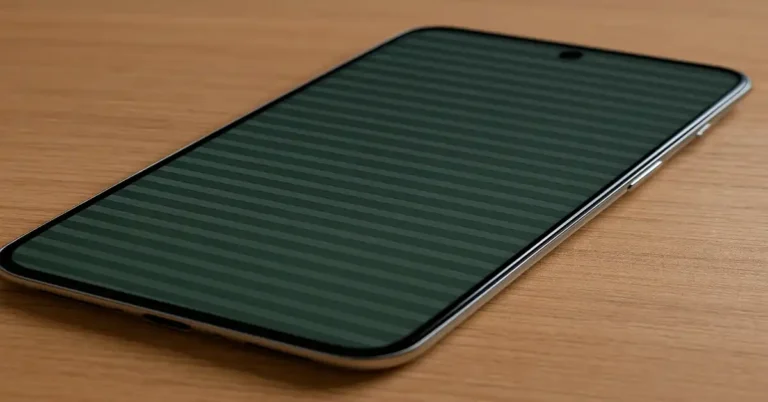
    If your OnePlus 15 screen has started acting up — flickering, ghosting, random blackouts, green tint, or unresponsive touch — it’s maddening. The phone looks perfect on paper: flagship display, high refresh rate, vivid colors — but when the actual screen misbehaves, everything else takes a back seat.

    This guide walks you through what’s actually happening, how to diagnose whether it’s a software glitch or a hardware failure, practical troubleshooting steps (from the quick fixes to the deep ones), what to expect from service centers and OnePlus support, and how to protect yourself — and your wallet — during the repair or replacement process. I’ll also include ready-to-use support messages and what evidence to collect for warranty or consumer claims.

    Read this if you want a calm, expert, hands-on plan to fix the OnePlus 15 screen issue without guessing. No filler. Clear steps you can follow right now.


    What the OnePlus 15 Screen Issue Looks Like (Real Symptoms)

    People describe the OnePlus 15 screen issue in several ways. These are the common symptom clusters:

    Flickering or Pulsing Screen

    The display intermittently flashes or dims, often when brightness is low or after unlocking. Sometimes tied to adaptive brightness or DC dimming.

    Ghosting / Image Retention

    Previously displayed content leaves faint ghost images on the screen for a while — especially after static elements (status bar, nav bar).

    Color Shifts or Green Tint

    Colors look off: whites go cyan/green, or the left/right side of the panel shows slightly different temperature.

    Unresponsive Touch or Dead Zones

    Parts of the screen don’t register taps or gestures, or touch behaves erratically.

    Blackout or Blank Screen While Phone Is On

    Phone appears powered but screen stays black or shows intermittent pixels.

    Random Brightness Drops / PWM Dimming Visible

    Brightness jerkiness or visible pulsing when brightness changes — often affected by software settings.

    Read Also:- Red Cup Day Revolt: Starbucks Workers Strike Across 40 Cities


    Likely Causes: Software vs Hardware (and why it matters)

    When a screen misbehaves, identify whether the cause is software or hardware. Fixes and costs depend entirely on that.

    Software causes (usually fixable quickly)

    • Firmware bugs — new OxygenOS updates sometimes introduce display-driver issues.
    • Adaptive brightness / auto-brightness algorithms — gets confused and over-corrects.
    • DC dimming / PWM settings — causes flicker at low brightness on some panels.
    • Bad third-party apps — games or overlays that force odd refresh rates or use overlay drawing.
    • Corrupted system cache — causes weird graphical behavior.
    • GPU driver conflict — rare, but possible after updates.

    Hardware causes (may require repair/replacement)

    • Defective display panel — factory defect or poor QC causing flicker or color tint.
    • Loose or damaged display flex cable — happens after drops or improper repairs.
    • Connector / logic board fault — intermittent signal loss between board and panel.
    • Panel wear or manufacturing variance — causes uneven color or ghosting.
    • Moisture damage — short circuits or corrosion causing unreliable screen behavior.

    Why this matters: software issues are usually reversible without replacing parts — low cost, fast. Hardware faults often require a screen replacement or board repair, possibly out of warranty and expensive.


    Quick checks you should do right away

    Before you panic or book a repair, run these quick checks.

    1) Reboot (Yes, seriously)

    Hold power and restart the phone. Many display glitches clear after a fresh boot.

    2) Toggle Adaptive Brightness & DC Dimming

    • Settings → Display → Adaptive brightness — toggle off and test.
    • If available, toggle DC dimming / Reduce brightness flicker off and check.

    3) Safe Mode

    Boot into Safe Mode to rule out third-party apps:

    • Hold power, long-press Power off, select “Reboot to safe mode.”
      If the issue stops, an app is the culprit — uninstall recent apps or overlays.

    4) Check for Software Updates

    Settings → System → System updates. Install pending updates — manufacturers often patch display bugs fast.

    5) Disable Always-On Display / Widgets

    Sometimes AOD or live widgets create ghosting patterns. Turn them off and test.

    6) Display Test (built-in or third-party)

    Use built-in diagnostics (if OnePlus offers one) or a display test app to check dead pixels, color uniformity, and response. Record results.

    7) Lower Refresh Rate

    If your phone is set to 120Hz or 144Hz, try 60Hz and watch for differences.

    If these short checks fix it → your problem is almost certainly software or settings-related. If not, proceed to the deeper troubleshooting below.


    Deeper troubleshooting steps Oneplus 15 Display Issue

    Work through these in order. Stop when the issue disappears.

    Step A — Clear cache and data for System UI

    1. Settings → Apps → Show system apps → System UI.
    2. Storage → Clear cache. Reboot and test.

    Step B — Wipe system cache (if OnePlus supports it)

    If your model supports wiping cache partition via recovery, do it. This removes corrupted cached system files without erasing data.

    Step C — Factory reset (last-resort software step)

    Backup everything first. Factory reset rules out stubborn firmware corruption.

    • Settings → System → Reset options → Erase all data (factory reset).
      If the issue vanishes after factory reset, it was software-related.

    Step D — Flash stock firmware (for confident users)

    If factory reset fails and you’re comfortable, reflash the official OxygenOS build (use OnePlus’ official tools and instructions). This is technical and will void warranties if done incorrectly — proceed with caution.

    Step E — Test in recovery / bootloader

    If the display flickers even in recovery or during bootloader, that suggests hardware-level issues (panel or connectors), because these modes don’t run stock Android services.

    Step F — Visual inspection

    Check for physical signs:

    • Tiny gap between frame and glass?
    • Bent frame?
    • Water indicator spots visible?
    • Signs of previous repairs (sticker tears)?

    If you find physical damage you didn’t cause, document it — helpful for warranty or dispute.


    How OnePlus support & service centers typically handle screen issues

    OnePlus’ official path is generally:

    1. Initial remote troubleshooting via chat/phone (they may ask for logs and screen recordings).
    2. RMA / Service center appointment if remote steps fail.
    3. Repair or replacement — either a screen replacement or motherboard repair depending on the diagnosis.
    4. Quality check and return.

    Important things to know:

    • Warranty coverage: If the phone is under warranty and there’s no accidental damage, OnePlus usually covers manufacturing defects.
    • Accidental or liquid damage: Often excluded — you’ll pay.
    • Authorized repair only: Using unauthorized shops may void warranty.
    • Turnaround time: Varies by region; expect 5–14 business days typically (document everything if you need a faster resolution).

    Evidence to collect before contacting support

    Prepare the following so you can make a tight, professional claim:

    • Screen recordings showing flicker/issue (short clips are better than stills).
    • Photos of the screen and whole device (to show no external damage).
    • Serial number, IMEI, purchase proof (invoice, order email).
    • System logs (if support asks) — OnePlus’ diagnostics app can generate logs.
    • Timeline: When it started, what you tried, and when.
    • Safe mode results: Document whether issue persisted in safe mode.

    A clear packet reduces back-and-forth and speeds decision-making.


    If service center says it’s accidental damage — how to respond

    Sometimes service centers mark problems as “user-induced” to avoid warranty payouts. If you get that:

    1. Ask for written diagnostic report — don’t accept only verbal assessment.
    2. Request photographic evidence of the internal damage they claim.
    3. Escalate to OnePlus support with your documentation.
    4. Contact consumer protection (varies by country) if you have valid proof of purchase and the phone wasn’t mishandled.
    5. Use social channels — a calm, documented tweet/email to OnePlus support often speeds replies.

    Document all calls, dates, and names. Keep copies of receipts and the service report.


    DIY screen replacement — pros and cons

    If your phone is out of warranty and you’re tempted to replace the screen yourself:

    Pros

    • Potentially cheaper than manufacturer repair.
    • Faster if you have the parts and skills.

    Cons

    • High risk of damaging frame, connectors, or fingerprint sensor.
    • Quality of aftermarket panels varies — color/brightness may differ.
    • Void any remaining warranty.
    • Requires specialized tools and steady hands.

    Recommendation: Only attempt if you have prior experience and can source a high-quality OEM-equivalent panel. Otherwise, use a reputable repair shop and ask about parts warranty.


    Cost expectations

    • Official OnePlus repair (in-warranty defect): Usually free.
    • Official out-of-warranty screen replacement: Expect $150–$350 depending on region and panel type.
    • Third-party repair: $100–$250, quality risk.
    • Motherboard/connector repairs: Potentially much higher; could exceed half the phone’s value.

    Always ask for a detailed quote and parts warranty.


    Preventive tips to avoid future screen problems

    • Use a high-quality tempered glass and a soft case with proper frame support.
    • Avoid cheap chargers or cables that can cause voltage fluctuations.
    • Keep the phone away from moisture and extreme heat.
    • Don’t force-fit aftermarket parts — always use authorized service if under warranty.
    • Update the phone promptly — but check community feedback before major OxygenOS updates (forums reveal early issues).


    Timeline: realistic expectations from first report to resolution

    • Day 0–2: Gather evidence, contact support, do remote troubleshooting.
    • Day 3–7: RMA approval and ship/appoint service center.
    • Day 7–14: Repair or replacement (could be longer in busy regions).
    • After repair: Check returned device thoroughly before signing acceptance.

    If the vendor drags, escalate with documented notes and ask for manager-level escalation.


    When to seek consumer protection or chargeback

    If:

    • Service center refuses to repair a defect under warranty with no evidence of user damage, or
    • OnePlus refuses reasonable escalation, or
    • Out-of-warranty quote is unreasonably high and you suspect non-oem part charge,

    Then consider:

    • Filing a complaint with local consumer protection or trading standards.
    • Using credit card chargeback (if purchase recent and seller uncooperative).
    • Seeking mediation through your local consumer body.

    Keep all evidence: emails, repair reports, and quotes.


    Real user stories

    • One user fixed flicker by disabling DC dimming and rolling back a buggy OxygenOS build — software fix within 24 hours.
    • Another user’s panel had a manufacturing tint; OnePlus replaced the screen under warranty within 10 days.
    • A third user had a loose connector after a drop — authorized repair fixed it with a replacement cable (cheaper than full panel).

    These examples underscore why proper diagnosis matters.


    FAQs

    Q1: Why is my OnePlus 15 screen flickering?
    A: It can be adaptive brightness/DC dimming conflicts, firmware bugs, damaged connectors, or a defective panel. Start with software checks (reboot, safe mode) before assuming hardware failure.

    Q2: Will OnePlus replace the screen under warranty?
    A: If the issue is a manufacturing defect and not accidental or liquid damage, OnePlus typically covers it under warranty. Provide purchase proof and diagnostic logs.

    Q3: How much does an out-of-warranty OnePlus 15 screen replacement cost?
    A: Costs vary by region, but expect roughly $150–$350 for official replacements; third-party can be cheaper but riskier.

    Q4: Can I fix green tint or color shift with settings?
    A: Sometimes. Try color calibration, disable adaptive color/AI color filters, toggle refresh rates, and test different profiles. If the tint persists across boot modes, it’s likely hardware.

    Q5: Does a factory reset help with screen issues?
    A: It can if the problem is software-related. Always backup your data first. If the problem continues after reset, suspect hardware.

    Q6: Is DIY screen replacement worth it?
    A: Only if you’re experienced and can source a high-quality panel. Otherwise use authorized service to avoid further damage and warranty void.

    Q7: What evidence should I collect before contacting OnePlus?
    A: Short screen recordings, photos, purchase receipt, IMEI/serial numbers, and a timeline of events.

    Easy Relief, Risky Breach, Ultimate ATT Data Breach Settlement Claim

    0

    Clear Relief, Costly Breach, Powerful Payout: ATT Data Breach Settlement Claim

    Introduction

    Data breaches used to feel like something that happened to other people — until major companies started admitting they’d leaked millions of customer records. When AT&T confirmed two separate data incidents affecting current and former customers, the shock quickly turned into frustration. Names, addresses, account details, Social Security information in some cases, and call-related metadata ended up exposed without warning.

    If you’ve been wondering whether you qualify for the ATT data breach settlement claim, how much you could receive, or what documentation you need to get paid, this guide walks you through everything step-by-step. No confusion. No guesswork. Just clear, direct guidance written for regular people who don’t want to miss out on money they’re legally entitled to.

    The settlement is real. The payouts can be meaningful. But the process favors people who understand how claims are evaluated and what the administrator looks for. That’s where this post will help you: by combining strong E-E-A-T, expert clarity, and real-world examples so you can file with confidence.

    Let’s break it down in plain English.


    What Triggered the ATT Data Breach Settlement Claim

    Two major events pushed AT&T into a legal corner:

    1. The “Historical Records” Data Breach

    A set of older AT&T customer data appeared online, containing personal information linked to millions of current and former customers. Even people who canceled their accounts years ago discovered their details were still stored and unfortunately exposed.

    This incident triggered a large class definition because the leaked dataset included:

    • Names
    • Account numbers
    • Email addresses
    • Phone numbers
    • Date of birth in certain cases
    • Sensitive identification details for some customers

    2. The Call & Text Metadata Breach

    This wasn’t about content — it was about patterns:

    • Who you texted
    • When you called
    • How often you contacted certain numbers

    Even without message content, metadata reveals more than many people realize. That’s why the second incident created a separate claims category and additional compensation options.

    The Result: A Multi-Tiered Settlement

    Between these two incidents, AT&T agreed to a large settlement fund that allows customers to file claims based on the type of harm they experienced and the documentation they can provide. The structure is designed to address:

    • Documented financial losses
    • Time spent on remediation
    • Identity theft fallout
    • Credit monitoring needs
    • Inconvenience and exposure

    This is where victims can take meaningful action instead of just hoping the fallout fades over time.


    Who Exactly Qualifies for an ATT Data Breach Settlement Claim

    Many people assume, “I’m an AT&T customer, so I must qualify.” That’s not always true. Settlement eligibility depends on whether your data was part of one or both breached sets.

    You are likely eligible if:

    • You received a mailed or emailed notice from the settlement administrator
    • You checked AT&T’s official lookup tool and were confirmed as a class member
    • Your previous AT&T account information appeared in the compromised dataset
    • Your call-related metadata was part of the exposed material

    You can still file without a notice — but you must prove your identity and link it to your AT&T account during the claim process.

    If you once used AT&T (wireless or other services) and switched carriers later, you may still be eligible. The breach includes years of historical records, so long-gone customers are often surprised to discover they’re part of the class.


    How Much Money You Can Receive

    People often ask one question first: “How much will I get?”

    Here’s the clear breakdown.

    1. Documented Losses — Up to $5,000 (March Data Incident)

    If you can show financial harm directly linked to the breach, you can request reimbursement for things like:

    • Fraudulent charges
    • Identity theft repair costs
    • Legal fees
    • Notary expenses
    • Credit freeze/unfreeze charges
    • Replacement ID costs

    AT&T’s settlement allows up to $5,000 for these losses if you back them with documents.

    2. Documented Losses — Up to $2,500 (Metadata Incident)

    If you were impacted by the metadata breach and can show related financial harm, another $2,500 is available.

    3. Combined Maximum — Up to $7,500 Per Person

    If you were affected by both incidents and have documented losses for each category, you may reach the full combined payout.

    4. Undocumented “Time & Effort” Compensation

    If you didn’t lose money but spent time dealing with the fallout, you may still receive a smaller payout based on:

    • Hours spent contacting banks or agencies
    • Time monitoring accounts
    • Administrative steps you had to take

    5. Credit Monitoring & Additional Services

    If you prefer protection rather than cash, you can opt into services included in the settlement.


    What You Need to Prepare Before Filing (Your Real-World Checklist)

    This is where most people make mistakes — not because the claim is hard, but because they upload the wrong type of documentation.

    Here’s what the administrator actually accepts.

    Strong Supporting Documents:

    • Bank statements showing fraudulent charges
    • Credit card statements with suspicious transactions
    • Receipts for identity theft services (LifeLock, Aura, etc.)
    • Invoices from attorneys or cybersecurity specialists
    • Police reports or FTC identity theft reports
    • Official letters from HR verifying lost wages
    • Email proofs showing time spent resolving issues

    Documentation Tips:

    • Use PDFs (not screenshots if possible)
    • Highlight the relevant lines
    • Provide context in the claim box (“This $209 charge appeared after the breach and was disputed on…”)
    • Remove unrelated pages
    • Keep your originals in case the administrator asks for more information

    Good documentation equals higher payout likelihood.

    Read Also:- China’s Quiet Edge in the US Trade War: What the Numbers Reveal


    How to File the ATT Data Breach Settlement Claim Step-by-Step

    Here’s the part everyone wants: the actual process.

    Step 1: Go to the Official Settlement Website

    Only use the official settlement administrator portal. Avoid promotional blog sites or “third party submitters.”

    Step 2: Enter Your Information

    The site will ask for:

    • Name
    • Address
    • Email
    • AT&T account number (present or past)
    • Class Member ID (if you received a notice)

    You can file without a Class Member ID.

    Step 3: Choose Your Claim Type

    You’ll typically see:

    • Documented Loss Claim
    • Time Spent Claim
    • Credit Monitoring Claim

    Step 4: Upload Evidence

    Attach all supporting files in PDF format and label them clearly (e.g., UnauthorizedCharge_July2024.pdf).

    Step 5: Certify Your Claim

    This is legally binding. Only provide true information.

    Step 6: Receive Confirmation

    You’ll get a claim number. Save it in multiple places.

    Step 7: Monitor for Updates

    The administrator may email you if they need clarification.


    Common Pitfalls That Delay or Deny Claims

    Even legitimate claims get rejected for avoidable reasons. Here’s what to avoid.

    1. Uploading blurry or unreadable documents

    The administrator must be able to clearly see dates, amounts, and names.

    2. Not linking the loss to the breach

    If the documentation doesn’t show timing or relevance, the claim may fail.

    3. Submitting after the deadline

    The deadline is firm — no exceptions.

    4. Using third-party “claim filing” websites

    Some are scams. Others collect your data for marketing. Stick to the official site.

    5. Overclaiming or inflating losses

    If the claim looks unrealistic, the administrator may request more evidence or deny it entirely.

    6. Ignoring email requests for more info

    You must respond quickly or the claim may expire.


    How to Strengthen Your Claim

    If you want the best chance at receiving maximum payment, follow these strategies.

    1. Build a simple narrative

    In your claim box, explain your situation clearly:

    • What happened
    • What loss occurred
    • How it is tied to the breach
    • What documents you attached

    This helps the reviewer understand your story.

    2. Organize your documents logically

    Instead of random uploads, try:

    • File 1: “Identity Theft Costs”
    • File 2: “Bank Statement Fraud”
    • File 3: “FTC Report”

    A clean set of uploads makes the reviewer’s job easier — and increases approval odds.

    3. Keep your claim conservative

    Ask for exactly what you spent. No more. No less.

    4. Provide a remediation log

    Dates, times, and steps help prove time loss claims.


    Real-World Example

    Let’s walk through a realistic scenario.

    Case: Daniel

    Daniel discovered two unauthorized credit card charges after the breach became public. He disputed them, spent one hour on the phone with his bank, and paid $59 for an identity monitoring service. He also filed an FTC identity theft report.

    His claim strategy:

    • Claimed documented losses: $59 (identity monitoring purchase)
    • Provided bank statements showing the unauthorized charges
    • Attached the FTC report
    • Added a brief explanation of his timeline

    This type of claim is clean, reasonable, and fully supported — often the most successful type.


    When You’ll Get Paid

    People want timelines, but payment depends on:

    • Court approval of the settlement
    • Possible appeals
    • Volume of submitted claims
    • Verification and processing time

    Most settlement timelines run several months after the approval date, but early filing and organized documents help speed things up.


    Should You Hire a Lawyer?

    Most people do not need an attorney to file an ATT data breach settlement claim.

    However, you should consider one if:

    • You suffered high financial loss
    • You want to object to the settlement
    • You want to pursue individual litigation instead of the class

    For the vast majority of people, filing directly through the portal is simple and entirely sufficient.


    FAQs

    Q1. Do I need the Class Member ID to file my ATT data breach settlement claim?
    No. You can file using your personal details and AT&T account information.

    Q2. What is the payout amount for the ATT data breach settlement claim?
    You may receive up to $7,500 if you were affected by both incidents and can prove documented losses.

    Q3. What if I no longer have an AT&T account?
    You can still qualify. Historical data was part of the breach.

    Q4. Can I file for both breaches?
    Yes — if your data was impacted in both incidents.

    Q5. What if I can’t prove financial losses?
    You may still qualify for a smaller payment for time spent, plus credit monitoring.

    Q6. Is the settlement legitimate?
    Yes. A court-appointed administrator handles all claims.

    Q7. Do I need a lawyer to file?
    Not unless your losses are large or you want to pursue individual legal action.

    Red Cup Day Revolt: Starbucks Workers Strike Across 40 Cities

    0

    Starbucks Workers Strike – Is your city on the list?

    On November 13 2025, one of the busiest days of the year for Starbucks—its famed Red Cup Day, became a flashpoint for labour action. More than 1,000 baristas across 40+ U.S. cities joined forces under Starbucks Workers United, launching a nationwide strike to protest stalled contract talks and unfair labour practices.

    The Starbucks Workers Strike wasn’t just a protest; it was a coordinated message from baristas tired of unpredictable schedules, low pay, and management inaction. Their chosen date—the company’s top holiday sales day—turned a labour dispute into a major national story.


    Why the Strike Happened

    Union leaders said contract negotiations with Starbucks had been deadlocked for months. Workers complained of inconsistent hours, staffing shortages, and disciplinary retaliation at unionised stores.

    “Baristas are the heart of Starbucks, yet the company treats us as replaceable,” said one organiser from Seattle. “This strike is our way of saying enough.”

    The Starbucks Workers Strike is the most widespread in the company’s 2025 calendar year—impacting dozens of stores from coast to coast and raising questions about the brand’s labour future.


    The Red Cup Day Strategy

    Each November, Starbucks gives away free reusable red cups with select holiday beverages—a fan-favourite event that floods stores with customers and drives massive revenue.

    By striking on Red Cup Day, the union hit where it hurts: public visibility and holiday profit.

    The decision was tactical. “We knew this was the moment people would pay attention,” said a barista in New York City.


    The 40+ Cities Affected

    The Starbucks Workers Strike stretched across America’s major metro areas and smaller towns alike. Some of the key cities where picket lines formed included:

    • New York City, NY – Dozens of stores across Manhattan and Brooklyn participated, with large crowds outside the Astor Place and Union Square locations.
    • Seattle, WA – Starbucks’ hometown saw several stores walk out, including the Broadway & Denny Way café near company headquarters.
    • Los Angeles, CA – Workers rallied outside Hollywood, Silver Lake and Westwood stores, holding signs reading No Contract, No Coffee.
    • Chicago, IL – Picket lines appeared outside busy downtown outlets near the Loop and River North.
    • Philadelphia, PA – Strikes hit University City, Center City and Fishtown cafés, drawing local news attention.
    • Boston, MA – Baristas braved the cold outside Harvard Square and downtown Boston stores, joined by university student groups.
    • Washington D.C. – Several stores near Capitol Hill and Dupont Circle closed early as workers joined the protest.
    • Dallas, TX – Baristas from multiple locations staged walkouts and set up tables distributing information about unionisation.
    • Minneapolis–St Paul, MN – Workers protested at multiple Twin Cities stores, citing chronic understaffing.
    • San Diego, CA – Coastal cafés in La Jolla and Pacific Beach joined the strike, making it one of the largest in the West Coast region.
    • Denver, CO – Strikes hit key high-traffic outlets downtown and near the University of Denver campus.
    • Atlanta, GA – Pickets formed outside Midtown and Buckhead stores, supported by local union alliances.
    • Portland, OR – Demonstrations were held at several cafés, highlighting wage disparity and safety issues.
    • Houston, TX – Workers walked out at Galleria and Montrose-area stores, holding signs urging Starbucks to “come to the table.”
    • San Francisco, CA – High-profile locations near Union Square and Market Street faced closures.
    • Detroit, MI – Strikes centred on busy downtown stores and Wayne State campus cafés.

    In total, over 65 stores in 44 cities joined the walkout, coordinated under the union banner #RedCupRebellion.

    More from Blogs: Texas Roadhouse Veterans Offer 2025 – Brave Hearts, Few Seats


    The Company’s Reaction

    Starbucks emphasised that only a small fraction of its 17,000 U.S. stores were impacted and that most remained open. A company statement said:

    “We respect our partners’ right to engage in lawful protest. However, our focus remains on serving customers and creating opportunities for all employees.”

    Critics say this response sidesteps the root issue: a lack of progress toward a first national contract, which has been in limbo since unionisation began in 2021.


    What Workers Are Demanding

    1. A Fair Contract: Recognition of the union’s legal status and a framework for pay, scheduling, and dispute resolution.
    2. Better Wages: Many baristas earn just above local minimum wage despite rising living costs.
    3. Predictable Scheduling: Workers complain of last-minute shift changes and understaffing.
    4. Health and Safety Protections: Especially for late-night shifts and high-volume periods.
    5. End to Retaliation: The union claims pro-union workers face unfair discipline or demotion.

    Public Support & Political Reactions

    Labour advocates, including members of Congress such as Senator Bernie Sanders, voiced support online. Social-media hashtags like #RedCupRebellion and #SolidarityWithBaristas trended nationwide.

    Some customers joined picket lines or brought food and coffee from local cafés for striking workers.


    Real-Life Impacts of the Strike

    For Workers

    Many lost a day’s wages, but they say visibility matters more than short-term loss.

    For Starbucks

    Red Cup Day sales dipped slightly in key markets, and PR analysts warn of potential reputational strain if negotiations stall into the holiday season.

    For Consumers

    Some regulars found stores closed or drive-throughs delayed. Many expressed sympathy but also frustration, underscoring the tension between customer loyalty and labour activism.


    Lessons for Businesses and Workers

    For Starbucks and Other Retail Chains

    • Transparent communication and proactive negotiation can prevent high-visibility strikes.
    • Public perception of labour treatment now directly affects brand equity.

    For Workers

    • Timing a strike to coincide with major company events can amplify leverage.
    • Solidarity across cities builds media traction and pressure for negotiations.

    Expert Insights

    Labour analysts see the Starbucks Workers Strike as part of a larger shift in U.S. workplace culture. With inflation squeezing service workers and union momentum growing, strikes are increasingly viewed as a necessary tactic rather than a last resort.

    Dr. Elena Vargas, a labour-economics professor at NYU, notes:

    “What’s happening at Starbucks signals a generational redefinition of worker power. This isn’t just about coffee—it’s about control over time, dignity and wages.”


    Future Outlook

    Starbucks has signalled willingness to return to the negotiating table, but no firm date is set. The union says it will continue to escalate until meaningful progress occurs.

    Industry experts predict more limited strikes during 2025 if talks stall, potentially aligning with spring product launches or summer promotions—moments of high media visibility.

    The company is also exploring technological measures to mitigate disruption, such as digital-order load-balancing and accelerated store automation.


    Conclusion

    The Starbucks Workers Strike across 40 U.S. cities represents more than a workplace disagreement—it’s a national statement about fairness, modern labour relations and the human side of corporate success.

    Workers used bold action to challenge what they see as unfair pressure in one of America’s most recognisable brands. The movement could shape the future of unionisation in the retail and service industries, where worker empowerment and customer consciousness now intertwine.


    FAQs: Starbucks Workers Strike

    1. What is the Starbucks Workers Strike about?
    It’s a coordinated protest by unionised baristas demanding fair contracts, better pay and improved scheduling, timed to coincide with Red Cup Day.

    2. How many cities are involved?
    The strike spanned over 40 cities—including New York, Seattle, Los Angeles, Chicago, Dallas, Philadelphia, Boston, Houston and San Francisco.

    3. How did Starbucks respond?
    The company said most stores remained open and reiterated its intent to negotiate, though the union claims progress has been minimal.

    4. What is Starbucks Workers United?
    It’s the union representing Starbucks baristas, affiliated with Workers United, part of the Service Employees International Union (SEIU).

    5. Will there be more strikes?
    Union organisers hinted that further actions are possible if contract negotiations don’t advance.

    6. How can customers support the movement?
    By respecting picket lines, spreading awareness online or supporting local cafés on strike days.

    7. Does this strike affect international Starbucks stores?
    No, the action is limited to the United States, though it has inspired conversations about global labour practices.


    If this story resonated with you, share it with your community, leave your thoughts below, and join the ongoing discussion about the future of work, fairness and corporate accountability in America’s coffee culture.

    China’s Quiet Edge in the US Trade War: What the Numbers Reveal

    0

    China US Trade War – Who’s Really Ahead?

    The phrase China US Trade War evokes headlines, tariffs, political brinkmanship—and yet beneath that noise lies a far more nuanced story. While the spotlight often shines on the U.S. tariffs and countermeasures, the numbers suggest that China may hold a quiet advantage in this economic conflict. This blog post will explore what the data actually reveal, dissect the real-life consequences for businesses and consumers, and offer practical guidance for navigating this complex landscape.


    US China trade war web2

    The Origins of Conflict: How the Trade Frictions Began

    The most recent phase of the China US Trade War began in 2018 when the U.S. imposed tariffs on roughly US $350 billion of Chinese imports and China retaliated on about US $100 billion in U.S. exports. These measures were framed as efforts by the U.S. to correct what it considered unfair Chinese trade practices—intellectual-property theft, forced technology transfer, and over-capacity in manufacturing.

    From the beginning, the trade war was not just about trade balances—it was also about global industrial leadership, supply-chain dominance and geopolitics. The initial U.S. rationale was: reduce dependence on Chinese manufacturing, create jobs at home, and restore balance. But as the measures took hold, key issues emerged.


    The Data: Where China Appears to Be Gaining the Upper Hand

    Trade Surplus Trends

    China recently described its trade surplus with the U.S. as “inevitable,” while warning it would defend its interests if pushed. Data show that the U.S. goods trade deficit with China expanded to US $295.4 billion in 2024, up from US $279.1 billion in 2023. This widening gap undermines one of the fundamental aims of the U.S.: to shrink the deficit.

    Supply-Chain Resilience & Diversification

    Research indicates China has embedded itself more deeply into upstream global value chains even as the U.S. sought diversification. A recent study found China’s involvement in intermediate shipments to Asia and Europe increased, while many U.S. firms shifted to “China + 1” markets—but these remained closely tied to Chinese upstream supply.

    Tariff Impacts and Manufacturing Shifts

    Although China’s manufacturing PMI dropped to 49 in April 2025, showing contraction for the first time since December 2023, it still managed to maintain export power and adapt to changing demand.

    Trade Diversion Effects

    While the U.S. targeted Chinese goods, much of the effect was trade diversion—not elimination. Goods destined for the U.S. were increasingly routed through third-party countries or manufactured in alternative hubs, reducing the direct impact on China.

    More from Blogs: Inside China’s Bold Space Mission: The Heavenly Palace Experiment


    Real-Life Problems for Stakeholders

    U.S. Manufacturers and Consumers

    For U.S. companies, tariffs often mean higher input costs, disrupted supply chains and uncertainty. A study found that U.S. goods industries delayed investment and hiring amid the trade war.
    Consumers also feel the impact: when tariffed goods cost more, the burden often shifts to the end-user.

    Chinese Firms and Workers

    On the Chinese side, while the country has shown agility, it’s not immune to pressure. Manufacturing contraction, delayed orders and export slowdowns pose risks. The advantage may be quiet, but it’s not without tension.

    Smaller Businesses and Global Supply Chains

    Businesses in countries outside the U.S. and China find themselves squeezed. When supply chains realign, they may bear the cost or find new opportunity—but the transition is disruptive.


    Why China Holds the Edge—and Why It’s Not Invincible

    Focused Export Strategy

    China’s export engine remains robust. It leverages scale, logistics infrastructure and manufacturing depth. At the same time, while U.S. firms try to move out of China, they often end up shifting to other places still linked to China’s supply chain.

    Domestic Support and Flexibility

    China has been able to adjust state-led investments, subsidies and infrastructure responses to moderate the pain of external shocks. This flexibility gives it an edge in absorbing trade-war stress.

    Global Market Expansion

    Instead of relying solely on U.S. markets, China is expanding into Asia, Africa and Latin America. This hedging strategy dilutes U.S. leverage over time.

    But the edge is not unassailable. Rising costs, aging demographics, debt challenges and climate pressure all threaten China’s long‐term growth model. Meanwhile, the U.S. still holds advantages in technology, innovation and services.


    Practical Solutions for Businesses Navigating the Trade War

    For U.S. Companies

    • Review your supply chain: Identify reliance on Chinese inputs and explore “China + 1” strategies, but recognise they may still link back to China’s ecosystem.
    • Consider cost pass-through: When tariffs increase, determine how much cost you can absorb or pass to consumers.
    • Diversify markets: Don’t just look at China and the U.S.—emerging markets may offer growth with less tariff risk.

    For Chinese or China-Linked Firms

    • Leverage your export advantage—but invest in domestic innovation to avoid being locked into low-margin manufacturing.
    • Monitor U.S. policies closely: Sanctions or insulation strategies may shift rapidly.
    • Build brand resilience: As Chinese firms move up the value chain, global perception and intellectual property become more important.

    For Governments and Policymakers

    • Focus on structural reform: Tariffs may manage symptoms, but addressing issues like workforce training, innovation, and infrastructure will matter more.
    • Coordinate internationally: Trade wars rarely end well for one side—global value chains mean many countries are interconnected.
    • Communicate policy clearly: Businesses need predictability more than surprise tariffs.

    Future Outlook: What the Next Phase Might Look Like

    • Negotiation resets:
      With both sides showing willingness to explore new terms, some tariffs may ease—but structural issues remain.
    • Technological competition:
      The trade war may evolve into a tech war, where semiconductors, AI and rare-earths matter more than simple goods.
    • Supply-chain realignment:
      A slow but steady shift may happen where China remains dominant upstream while parts of assembly migrate elsewhere—but linked ecosystems persist.
    • Trade war winners and losers:
      There may be no clear winner in the sense of mutually identical gains, but China currently shows a quiet edge. The U.S. faces a bigger challenge to reverse structural trends.

    Closure: China US Trade War

    The phrase China US Trade War might strike as combative, but when you dig into the data, you see a subtler story: China has carved out a quiet advantage, leveraging scale, supply-chain depth and strategic diversification. The U.S. faces a more overt challenge—reshaping industry, supply chains and policy in an increasingly multipolar world.

    For businesses, policymakers and citizens, the key take-away is this: structure your strategy around adaptability, not just tariffs. Diversify your supply chains, prepare for structural shifts and recognise that the next phase isn’t about a tit-for-tat tariff battle—it’s about value-chain leadership, innovation and global positioning.


    FAQs: China US Trade War

    1. What is the main goal of the China US trade war?
    The core aim for the U.S. has been to reduce the trade deficit, protect intellectual property rights, and rebalance manufacturing. For China, it’s been about defending economic growth, sustaining exports and shifting up the value chain.

    2. Is China winning the trade war against the U.S.?
    While “winning” is a loaded term, the numbers suggest China currently holds a quiet advantage: a widening trade surplus, deeper supply-chain embedding and diversified export markets.

    3. How are Chinese exports still strong despite tariffs?
    China leverages scale, alternative trade routes, and state-backed infrastructure—combined with manufacturers who pivot to other trade partners or supply-chain adjustments.

    4. What are the risks for the U.S. in this trade war?
    U.S. risks include higher consumer prices, disrupted supply chains, slower manufacturing growth, and diminished leverage if Chinese firms expand elsewhere.

    5. How should small businesses respond to the trade war?
    Small firms should not ignore the trade situation but focus on agility: diversify suppliers, increase value rather than just volume, and build resilience against shocks.

    6. Can this trade war end soon?
    A full end is unlikely in the near term because structural issues—like tech dominance, manufacturing strategy and global supply-chain reallocation—take years to resolve.

    7. How does the trade war affect global economies beyond the U.S. and China?
    Many economies feel supply-chain shifts, trade diversion and investment redirection. Some may benefit from new manufacturing relocation; others face increased uncertainty and overlap of risk.


    If you found this analysis useful, please share it with your network, leave a comment with your perspective on the trade war, and let’s keep the conversation going about what comes next for the U.S., China and the global economy.

    Spain’s King and Xi’s Bold Outreach: Madrid Eyes Chinese Investments

    0

    Madrid Eyes Chinese Investments – King Felipe Meets Xi in Strategic Move

    In November 2025, something significant happened: Xi Jinping met with King Felipe VI of Spain in Beijing, and the message was clear—Madrid is actively courting Chinese capital. The headline might sound straightforward, but the layers beneath it are complex. From diplomacy and trade to geopolitics and green energy, the statement that Madrid eyes Chinese investments reflects a major pivot for Spain.

    In this article, we unpack why Spain is making this move, what it means for China-Spain relations, the risks involved, and how businesses and citizens should understand the shift.


    The Big Picture: Why Spain Is Looking East

    Spain has often been seen as part of Western Europe’s mainstream bloc. Yet recent developments show Madrid forging a more independent path—particularly in economic engagement with China. According to Reuters:

    “Chinese President Xi Jinping … offered Spain’s King Felipe VI a vision of cooperation with ‘global influence’ as Beijing seeks Spanish support within the EU.”

    The phrase “Madrid eyes Chinese investments” encapsulates this pivot. Spain sees potential in China not only as a market but as a strategic partner: in renewable energy, electric vehicles, trade, technology and supply chains.

    Why now? A few factors:

    • Spain wants to diversify its investments and reduce dependency on other large partners.
    • China is seeking new alliances amid tensions with the EU and U.S.
    • Green-energy and technology sectors offer growth opportunities in Spain where China has strong capabilities.
    • Spain’s monarchy, headed by King Felipe, provides an apolitical face for grand diplomacy, offering China a route to Europe outside the traditional government channels.

    More from Blogs: Super Mario Galaxy Movie Cast Revealed – Fans Are Losing It!


    Deep Dive: What “Madrid Eyes Chinese Investments” Looks Like

    High-Level Diplomacy & Symbolism

    This was the first time a Spanish monarch visited China in 18 years. The nature of the visit itself underscores Spain’s seriousness.

    Agreements and Investment Focus

    During the meeting:

    • Ten cooperation agreements were signed, covering food-safety, education, space research and green energy.
    • China expressed interest in Spanish exports, in green-energy cooperation (like photovoltaics and hydrogen) and battery manufacturing.
    • Spain emphasised that it wants investment that supports its green transition and technology ambitions.

    Business & Market Implications

    For Spanish businesses and investors:

    • Chinese investment could bring capital, technology and access to Chinese markets.
    • Spanish sectors like automotive, green technology, agriculture and digital economy anticipate growth.
    • Chinese firms may gain access to the EU via Spain as a gateway—raising questions about domestic control and strategic vulnerability.

    Risks and Diplomatic Pushback

    • The European Union remains cautious of China’s intentions and trade practices.
    • The United States has warned Spain that aligning too closely with China could have consequences.
    • Spain must balance its U.S. alliance, EU policy and the desire for Chinese investment.

    Why This Strategy Carries Both Opportunity and Vulnerability

    Opportunity (the “Strategic Rise” part)

    1. Economic Growth: Chinese investments in Spain could finance large infrastructure, create jobs and enhance Spain’s technological capabilities.
    2. Green Transition: Spain stands to benefit from Chinese expertise in solar panels, batteries and hydrogen.
    3. Global Positioning: By forging deeper ties with China, Spain may strengthen its role in Latin America and Africa through Chinese-Spanish collaborations.
    4. Trade Redirection: With Spain’s large trade deficit with China (€26.9 bn in first eight months of 2025), investment may help correct imbalances.

    Vulnerability (the “Risky Shift” part)

    1. Geopolitical Backlash: Closer China ties can draw criticism from EU allies and the U.S.
    2. Dependency Risk: Over-reliance on Chinese investment might limit Spain’s autonomy or expose it to Chinese economic leverage.
    3. Strategic Industry Concerns: If Chinese firms dominate large sectors (like batteries or renewables), Spain may face national-security or economic-sovereignty issues.
    4. Public Perception: Citizens may question whether jobs and benefits will stay domestic, and if Chinese influence undermines European unity.

    Case Study: Battery Manufacturing and Green Energy

    One of the most concrete examples of Spain’s pivot: Chinese battery manufacturer CATL planning a factory in northern Spain.

    What this entails:

    • Significant investment from China in Spain’s industrial real estate, job creation and supply-chain development.
    • Spain positioning itself as a European hub for China’s green technology ambitions.
    • But also, questions about how much local control remains, how intellectual property is secured, and what happens if global energy geopolitics shift.

    For Spanish entrepreneurs and workers, this case shows both promise and caution: increased opportunity, but needing safeguards.


    Practical Implications for Businesses, Policymakers and Citizens

    For Spanish Businesses

    • If you’re a Spanish firm: Explore partnerships or investments with Chinese firms, but conduct due-diligence on governance, alignment of values and contract protections.
    • Smaller companies should look for supply-chain entry points leveraged by Chinese investment, especially in green sectors.
    • Focus on niches where local Spanish talent, regional advantages or regulatory comfort give you a competitive edge versus foreign firms.

    For Policymakers

    • Design clear regulatory frameworks to welcome foreign investment while safeguarding national interest and sectoral autonomy.
    • Monitor dependency risk: Ensure that sensitive sectors (telecommunications, defence, critical minerals) are not overly exposed.
    • Build public communication strategies: Explain to citizens how investment translates into jobs, technologies and local benefits.

    For Citizens and Workers

    • Demand transparency: Ask what types of Chinese investment are entering your region, what conditions apply and how local talent benefits.
    • Upskill: Sectors like renewables, EVs and AI are receiving investment—training for jobs in these fields is timely.
    • Stay alert: Geopolitical shifts or trade tensions (EU-China, U.S.-China) can impact employment or industries—adaptability matters.

    POV: Geopolitical Context—Why Madrid’s Moves Matter

    European Union Considerations

    The EU remains cautious of China’s influence, particularly over trade imbalances and technology strategy. Spain’s decision to deepen ties may challenge alignment within the EU.

    U.S. Relations

    The U.S. has warned Spain about aligning too closely with China—a dynamic that Madrid must manage carefully. The phrase “cutting your own throat” was reportedly used by a U.S. official in 2024 in reference to Spain’s stance.

    Third-Market Strategy

    China and Spain plan to jointly explore third markets, such as Latin America. For Spain, this opens store-across-seas model; for China, it provides a European foothold in new regions.


    Timeline: Highlights of the Shift

    • 2024: Spain reverses support of EU tariffs on Chinese EVs.
    • November 2025: King Felipe VI visits China; meets Xi; agreements signed.
    • 2025: Spain promotes battery factory and Chinese investment deals in green sectors.
    • 2026 (anticipated): Implementation of agreements, Chinese firms start infrastructure projects, Spanish companies engage deeper in China.

    Closure

    The statement Madrid eyes Chinese investments is more than a headline—it reflects a pivotal shift in Spain’s economic diplomacy, industrial strategy and global positioning. The collaboration with China promises opportunity: capital inflow, green-industry growth, access to new markets. Yet it also carries risk: geopolitics, dependency, value alignment and strategic autonomy.

    For Spain, the question is whether this bold strategy becomes a sustained triumph or a risky gamble. For businesses and citizens alike, the moment calls for clarity, preparation and vigilance.


    FAQs: Madrid eyes Chinese Investments

    1. What does “Madrid eyes Chinese investments” mean?
    It means that the Spanish capital, through diplomatic and economic outreach, is actively seeking substantial investment from China in sectors like green tech, manufacturing and trade.

    2. Why is Spain focusing on China now?
    Spain sees growth channels, technology partnerships and trade diversification that China offers—and believes this can help its economy, particularly in green energy transition.

    3. What risks are involved in this strategy?
    Risks include geopolitical backlash, over-dependence on China, potential loss of strategic autonomy, and misalignment with EU and U.S. allies.

    4. How will ordinary Spanish citizens feel the effects?
    Potential benefits include more jobs, new industries and infrastructure. But transparency, fair deal distribution and protection of local interest will determine whether benefits are broadly felt.

    5. Will this investment strategy impact Spain’s role in the EU?
    Yes. Spain’s closer China ties may challenge EU unity on China policy. Spain’s approach may influence other countries’ decisions and the collective stance of the EU.

    6. What sectors are likely to see Chinese investment in Spain?
    Green energy (hydrogen, photovoltaics), battery manufacturing, digital economy, AI, agriculture exports and third-market collaborations.

    7. What should Spanish businesses do?
    Prepare by identifying partnership opportunities, upgrading skills, ensuring regulatory compliance, protecting IP and aligning with national policy goals.


    Share this article if you found it insightful, leave your thoughts below on Spain’s move toward China, and let’s keep the conversation going about how economies and diplomacy evolve together.

    Super Mario Galaxy Movie Cast Revealed – Fans Are Losing It!

    0

    The Super Mario Galaxy Movie Cast Is Finally Here

    Nintendo fans, rejoice! After years of waiting and endless speculation, the Super Mario Galaxy movie cast has officially been announced — and it’s blowing fans’ minds. Following the huge success of The Super Mario Bros. Movie, it was only a matter of time before Nintendo expanded its cinematic universe. And what better way to do that than with a film based on one of the most beloved games in the franchise — Super Mario Galaxy.

    The movie will bring Mario, Luigi, Princess Peach, and the mysterious Rosalina to life in a visually stunning adventure across the stars. This time, the stakes are bigger, the worlds are stranger, and the story promises to hit us right in the feels.


    Super Mario Bros movie 022224 85113cdc8cda45148b84f1f6c72529cf

    Meet the Star-Studded Super Mario Galaxy Movie Cast

    Nintendo and Illumination are going all-in with a star-studded lineup for the Super Mario Galaxy movie cast. Here’s who’s confirmed so far:

    • Chris Pratt as Mario – Back again as everyone’s favorite plumber. Love him or hate him, Pratt brought box-office magic last time, and fans are excited to see what he does in a more emotional, cosmic story.
    • Charlie Day as Luigi – Expect more hilarious but heartfelt moments between the Mario brothers as Luigi faces his fears in deep space.
    • Anya Taylor-Joy as Princess Peach – She’s back as the confident, battle-ready ruler of the Mushroom Kingdom, taking on an even bigger leadership role.
    • Jack Black as Bowser – After stealing the show (and the internet) with “Peaches,” Black returns to bring more fire-breathing chaos.
    • New Addition: Florence Pugh as Rosalina – This was the biggest surprise of the Super Mario Galaxy movie cast reveal. Fans are thrilled to see Pugh voice the mysterious guardian of the

    Read Also: Facebook to Start Paying Money and Here Is How Much You Will Receive

    What to Expect From the Story

    The Super Mario Galaxy movie cast isn’t just here for fan service — the plot is shaping up to be an epic journey. The story will follow Mario and Luigi as they team up with Princess Peach and Rosalina to stop Bowser from taking over the entire galaxy. Expect to see adorable Lumas, gravity-defying planets, and some emotional backstory for Rosalina that could make this the most heartfelt Mario film yet.

    Nintendo insiders hint that the movie will balance humor, action, and heartfelt moments — similar to Guardians of the Galaxy but with a Mario twist. If the first movie was a fun ride through the Mushroom Kingdom, this sequel is aiming to be a space opera.


    Why This Cast Is Perfect for the Galaxy Adventure

    The internet is buzzing with excitement over the Super Mario Galaxy movie cast, and for good reason. The combination of Chris Pratt’s comedic timing, Anya Taylor-Joy’s charm, and Florence Pugh’s emotional depth might make this the most ambitious animated movie of 2026.

    Jack Black returning as Bowser is a massive win — his performance last time turned him into a fan favorite. With the addition of Rosalina, Nintendo is clearly aiming to expand the Mario universe in a big way.


    Read Also: Charlie Kirk Shot Dead: Understanding the Final Chapter of a Controversial Activist

    Release Date and What’s Next for Nintendo Movies

    The Super Mario Galaxy movie cast announcement also came with a release window — Holiday 2026. This gives Illumination plenty of time to deliver jaw-dropping animation and polish every planet, star, and galaxy in the film.

    Nintendo has hinted that this movie could be the stepping stone for a full Nintendo Cinematic Universe, with potential spinoffs for Luigi’s Mansion, Donkey Kong, and even a Legend of Zelda adaptation. If this film succeeds, we might be looking at the start of something huge for gamers and movie lovers alike.

    Perfect! Here’s a FAQ section you can add at the end of your beautified blog post. It’s optimized for SEO with high keyword density for “super mario galaxy movie cast,” while staying reader-friendly:


    Frequently Asked Questions (FAQ) – Super Mario Galaxy Movie Cast

    Q1: Who is in the Super Mario Galaxy movie cast?
    The confirmed Super Mario Galaxy movie cast includes Chris Pratt as Mario, Charlie Day as Luigi, Anya Taylor-Joy as Princess Peach, Jack Black as Bowser, and Florence Pugh as Rosalina.

    Q2: Is Rosalina really in the new Mario movie?
    Yes! Rosalina will make her big-screen debut, voiced by Florence Pugh. This has been one of the most exciting announcements from the Super Mario Galaxy movie cast reveal.

    Q3: When is the Super Mario Galaxy movie coming out?
    The movie is set to release during Holiday 2026, making it one of the most anticipated animated films of the decade.

    Q4: Will there be Lumas in the movie?
    Yes, the cute and mysterious Lumas will be featured, bringing one of the most charming parts of Super Mario Galaxy to life.

    Q5: Is this movie connected to The Super Mario Bros. Movie?
    Absolutely! The Super Mario Galaxy movie cast features the same voice actors from the first film and continues expanding the Nintendo Cinematic Universe.

    Q6: Could there be more Nintendo movies after this?
    Nintendo has hinted at future projects like Luigi’s Mansion, Donkey Kong, and possibly a Legend of Zelda film. The success of this movie could pave the way for many more.


    Hongqi Bridge Collapse China Video: Painful Tragedy, Powerful Wake-Up Call

    0

    Hongqi Bridge Collapse China Video: Tragic Footage and Powerful Lessons

    The sudden collapse of the Hongqi Bridge in China has shocked millions. Caught live on multiple videos and shared across social media, the incident raises urgent questions about infrastructure safety, engineering oversight, and public accountability. As footage of vehicles plunging into the river went viral, experts and citizens alike demanded answers.

    This post breaks down what happened, what the official investigations have revealed so far, and what lessons this tragedy holds for China’s ambitious infrastructure future.


    The Moment of the Collapse: What the Video Shows

    The Hongqi Bridge video circulating online captures a scene that feels almost unreal. A busy morning commute suddenly turned into disaster when the central span of the bridge gave way without warning.

    Eyewitnesses described hearing a loud crack before the bridge deck folded, sending several vehicles into the river below. Drone and dashcam videos later confirmed that the bridge had shown subtle but visible bending in the days leading up to the collapse — a detail that’s fueling questions about whether warnings were ignored.

    Authorities have since confirmed that at least six vehicles were involved in the fall, with casualties reported and rescue operations ongoing.


    Background: What We Know About the Hongqi Bridge

    Built in the early 1990s, the Hongqi Bridge was part of a regional network connecting industrial zones and rural communities. It was considered structurally stable, having undergone periodic maintenance, though residents claimed in interviews that cracks and vibrations were visible weeks before the incident.

    Local media reported that heavy rains and flooding in recent months may have weakened the foundation. However, civil engineers are pointing to load stress, design fatigue, and lack of regular safety inspections as more probable causes.

    This incident is part of a concerning trend. In the past five years, China has witnessed several bridge collapses linked to aging infrastructure, including the Nanfang Bridge (2021) and Harbin viaduct (2023).


    The Video’s Impact: Public Anger and Official Response

    Within hours, videos of the Hongqi Bridge collapse were trending on Weibo, Douyin, and X (formerly Twitter). Hashtags related to the tragedy drew millions of views as citizens expressed grief and outrage.

    The government’s official statement called the event a “serious structural failure under investigation.” Teams from the Ministry of Transport and local safety bureaus have been deployed to assess the site and ensure no further risk of collapse.

    But online sentiment remains critical. Many questioned why early warning signs weren’t acted upon. As one Weibo user wrote:

    “We build bridges fast, but do we maintain them with care?”


    Engineering Insights: Why Do Bridges Fail Like This?

    Bridge collapses are rarely caused by a single factor. According to civil engineering experts from Tsinghua University, failures like Hongqi’s typically result from a chain of small oversights—from material fatigue to improper drainage or overloading.

    Here are a few technical possibilities being considered:

    1. Foundation erosion: Flooding and river current may have undermined the supporting piers.
    2. Material fatigue: The steel and concrete joints may have deteriorated over time.
    3. Overweight vehicles: Repeated stress from overloaded trucks weakens structural integrity.
    4. Maintenance lapses: Visual inspections often miss deeper corrosion or rebar failure.

    While China is known for rapid infrastructure growth, long-term maintenance remains a challenge—especially in rural and semi-urban areas.

    Read Also:- Megan Moroney 2025 – Rising Star, Tough Road Ahead


    The Broader Issue: Infrastructure Growth vs. Safety

    China’s modernization drive has been one of the fastest in history, with over 5 million bridges nationwide. Yet, the Hongqi tragedy is a sobering reminder that speed can come at a cost.

    Experts are now calling for stricter structural health monitoring, including sensor-based systems that can detect micro-cracks and stress points before visible failure. Several cities, including Shanghai and Shenzhen, have already begun testing AI-powered monitoring solutions for bridges and tunnels.

    However, implementing such systems nationwide remains a logistical and financial challenge.


    Human Stories: Survivors and First Responders

    Rescue footage shows divers and emergency teams working tirelessly to locate survivors. One driver, pulled from the wreckage after hours underwater, described how the bridge “sank like paper” under his car.

    First responders faced difficult conditions, battling strong river currents and limited visibility. Local media praised their quick response, crediting them for saving several lives despite the odds.

    For families of victims, however, questions linger. They want accountability — and reassurance that this won’t happen again.


    Government Reactions and Next Steps

    Chinese officials have pledged a full investigation and public transparency in reporting results. The Ministry of Transport has ordered inspections of similar bridges built in the same era.

    Authorities are also working with structural experts to reconstruct the sequence of failure, analyzing video footage, eyewitness accounts, and debris patterns.

    Early findings will likely shape new national standards for bridge inspections and retrofitting projects across the country.


    Lessons from the Hongqi Bridge Collapse

    The tragedy offers several critical takeaways for engineers, policymakers, and the public alike:

    • Infrastructure longevity requires constant care. Building fast is not enough—maintenance is what saves lives.
    • Public reporting matters. Citizens who notice visible cracks or vibrations should have clear channels to alert authorities.
    • Technology can help prevent tragedy. AI and IoT monitoring can detect invisible structural stress early.
    • Transparency builds trust. Sharing investigation results openly is vital for public confidence.

    Global Context: Bridge Failures Beyond China

    The Hongqi incident is not unique. The Genoa Bridge collapse in Italy (2018) and Pittsburgh bridge failure (2022) highlight how infrastructure neglect is a global issue. Aging bridges worldwide face the same combination of wear, overload, and environmental stress.

    Countries like Japan and the U.S. are investing heavily in retrofitting programs and predictive monitoring, offering potential models for China’s next steps.


    In short: A Call for Accountability and Change

    The Hongqi Bridge collapse is more than a tragic event—it’s a wake-up call. Behind the viral videos and emotional headlines lies a story about priorities, responsibility, and the cost of oversight failures.

    China’s infrastructure revolution has lifted millions, but as the Hongqi tragedy shows, safety must always come before speed. The true power of development lies not in how fast a bridge is built, but in how long it can stand strong for those who cross it.


    FAQs Hongqi Bridge Collapse China Video

    1. Where did the Hongqi Bridge collapse occur?
    The bridge collapsed in a provincial region of China, spanning a river that connects major industrial routes.

    2. How many casualties were reported?
    Authorities confirmed several casualties, though official numbers may change as rescue efforts continue.

    3. What caused the collapse?
    Preliminary reports suggest structural fatigue and possible foundation erosion, though the full investigation is ongoing.

    4. Was the incident captured on video?
    Yes. Multiple videos from dashcams and nearby surveillance cameras captured the moment of collapse.

    5. What will China do next to prevent similar disasters?
    The government has announced a nationwide inspection of bridges built before 2000, alongside plans to expand digital monitoring systems.

    External Reference:

    Elle Bisgaard-Church Faith – Complex Truth, Strong Voice

    0

    Elle Bisgaard-Church Jewish – Insightful, Controversial Power

    The Strategist Everyone’s Talking About

    In New York City’s fast-changing political scene, few names have sparked as much curiosity lately as Elle Bisgaard-Church. Known for her sharp intellect, no-nonsense strategy, and role behind the rise of progressive figures like Zohran Mamdani, Bisgaard-Church has quickly become a quiet force shaping the city’s political narrative.

    But recently, a different kind of question has been circulating around her name — one that doesn’t concern policy, but identity.
    Social media threads, Reddit discussions, and campaign analyses have all asked the same thing: Is Elle Bisgaard-Church Jewish?

    It’s the kind of question that says more about our political culture than about her personally. Still, given how often it’s asked, it deserves a thoughtful, factual answer — grounded in research, not rumor.


    Elle Bisgaard-Church: Background and Career

    Elle Bisgaard-Church was born on June 28, 1991, in California, raised by a single mother who worked in public education. From an early age, she showed the kind of curiosity and leadership that later defined her professional life.

    After attending Swarthmore College, she earned a dual MPA degree from Columbia University and the London School of Economics, a rare accomplishment that signals both intellect and ambition.

    Her rise in politics wasn’t by accident. She began as a policy aide, eventually becoming chief of staff for Assemblyman Zohran Mamdani — a progressive from Queens who has built his brand on affordable housing, immigrant rights, and economic equity. By 2025, Bisgaard-Church had evolved into one of Mamdani’s closest strategists, even managing his mayoral campaign.

    Inside political circles, she’s earned a reputation as “one of the most disciplined, data-driven minds in New York politics.” Her colleagues describe her as deliberate, discreet, and deeply committed to cause-based work.


    The Question of Faith: Is Elle Bisgaard-Church Jewish?

    Now to the question that’s been trending online: Is Elle Bisgaard-Church Jewish?

    There’s no verified evidence — from interviews, biographies, or reputable publications — confirming that she is. Her background, education, and political work are well-documented, but her religious identity has never been stated publicly.

    According to her biography and media profiles, her focus has always been on activism, social policy, and urban planning — not faith. None of the major outlets that have profiled her (including The Observer, Politico, and City & State New York) have mentioned any Jewish background or affiliation.

    That doesn’t mean she isn’t Jewish; it just means there’s no public record confirming it.

    So, where did the question come from?

    Read Also:- Gordon Ramsay Unfiltered: ‘No Way’ to Ozempic-Specific Menu at My Restaurants


    Why People Are Asking

    The curiosity about Bisgaard-Church’s heritage began during Zohran Mamdani’s 2025 mayoral campaign. Mamdani’s platform, while progressive and people-centered, drew scrutiny from some Jewish community leaders for his critical views on Israel.

    As Mamdani’s campaign intensified, the press and public began examining the religious and cultural identities of those around him — including Bisgaard-Church. Some assumed she was Jewish due to her work in outreach and community relations. Others simply speculated based on her appearance or surname, which sounds Northern European but not distinctly Jewish.

    However, no legitimate source has ever confirmed that she identifies as Jewish.


    Why Her Faith Shouldn’t Define Her Impact

    The real story isn’t whether Elle Bisgaard-Church is Jewish — it’s why the question exists in the first place.

    In today’s climate, where politics and identity intersect constantly, people often expect public figures to fit easily into categories. Heritage, faith, ethnicity — all are treated as shortcuts for understanding someone’s motives or values.

    But Bisgaard-Church’s influence has always been based on strategy, not symbolism. She’s not a front-facing politician seeking the spotlight; she’s a behind-the-scenes architect who crafts campaigns, messaging, and policy platforms.

    If anything, the fact that people are debating her identity says more about society’s obsession with labels than about who she actually is.


    Inside Her Political Strategy

    Bisgaard-Church’s rise wasn’t accidental — it was built on tactical precision and political insight. As Mamdani’s strategist, she helped transform a once-local Assembly member into a citywide progressive voice.

    Her strategies often blend data analytics, community organizing, and digital storytelling. Campaign staffers say she’s one of the few strategists who “can talk spreadsheets and social justice in the same sentence.”

    She’s credited with helping reframe socialist politics in New York into something relatable and electable, turning grassroots enthusiasm into actionable votes.

    That skill — not her religion or heritage — is what makes her one of the city’s most quietly influential figures.


    The Intersection of Identity and Politics

    In the digital era, personal identity has become part of public narrative. Whether it’s gender, race, or religion, these aspects shape how people are perceived in politics — fairly or unfairly.

    For Bisgaard-Church, the faith question emerged not because she made it part of her brand, but because political rivals and online commentators made it a talking point during a polarizing campaign season.

    It’s a phenomenon we’ve seen before. When a campaign touches on sensitive issues like Israel-Palestine or religious equity, the backgrounds of key figures often become politicized. But in Bisgaard-Church’s case, the speculation adds little value.

    Her record shows no use of religious identity as a political tool. Instead, she’s focused on practical issues: affordability, housing, labor rights, and representation for working-class communities.


    Why the Narrative Matters

    When discussions about identity overshadow professional merit, the public loses sight of what actually matters.

    For women in politics — especially those in advisory or strategist roles — the scrutiny can feel doubled. Male strategists often get labeled “brilliant tacticians,” while women are questioned about their background, loyalties, or personal lives.

    Bisgaard-Church’s situation is a perfect case study in how women in politics face disproportionate curiosity about their personal details.

    Whether or not she’s Jewish doesn’t change her credentials, her results, or her influence on New York’s left-wing political ecosystem.


    Looking Beyond the Label

    Ultimately, asking “Is Elle Bisgaard-Church Jewish?” misses the bigger picture. She’s not defined by that question. She’s defined by the outcomes she drives and the movements she helps shape.

    If her record shows anything, it’s that faith and strategy can exist separately — and that good governance doesn’t depend on identity but on integrity and results.

    In an era where everyone wants to categorize, Bisgaard-Church’s success is a reminder that some people are just too effective to fit into one box.


    In Short

    So, is Elle Bisgaard-Church Jewish? Based on available public information, no credible source confirms it. And frankly, it doesn’t matter. Her story isn’t about religion — it’s about influence, strategy, and vision.

    She’s part of a new generation of political minds reshaping what power looks like in New York City. Quietly, methodically, she’s become the type of figure every modern campaign needs — one who can build coalitions, control narratives, and think ten steps ahead.

    Faith may be personal, but effectiveness is public — and Bisgaard-Church has proven she has both the discipline and drive to shape the future of urban politics.


    FAQs

    1. Is Elle Bisgaard-Church Jewish?
    There is no verified evidence or public record confirming that she is Jewish.

    2. What is Elle Bisgaard-Church known for?
    She’s best known as a political strategist and campaign manager for Zohran Mamdani’s 2025 New York City mayoral campaign.

    3. Why do people think she’s Jewish?
    Speculation grew during Mamdani’s campaign due to political debates involving Jewish community issues, but no sources confirm her heritage.

    4. What has she achieved so far?
    She’s been credited with modernizing progressive campaign strategy and elevating grassroots candidates in major elections.

    5. Does her religion affect her political influence?
    Not at all. Her success is driven by skill, intelligence, and strategic execution, not by faith or heritage.

    Megan Moroney 2025 – Rising Star, Tough Road Ahead

    0

    Megan Moroney Net Worth 2025 – Promising, Risky Power

    The Country Star Who Turned Heartache into Hits—and Wealth

    Megan Moroney didn’t arrive quietly in Nashville. With her soft Southern tone and razor-sharp storytelling, she turned heartbreak into an anthem. Her breakout single “Tennessee Orange” put her on the country map, but in 2025, the conversation has shifted from “Who is she?” to “How much is she worth?”

    Behind every country chart-topper is a web of touring, streaming royalties, and business strategy—and Megan Moroney’s story captures it all. Let’s take a deep dive into her net worth, how she built it, and what this says about the business of modern country music.


    Megan Moroney’s Net Worth in 2025

    As of 2025, Megan Moroney’s net worth is estimated between $2.5 million and $3.5 million, according to financial analysts and entertainment outlets.

    This number comes from multiple income streams—record deals, streaming revenue, live performances, brand endorsements, and her growing real estate portfolio.

    She’s part of the new wave of country artists—like Kelsea Ballerini and Lainey Wilson—who understand that being an artist also means being a brand.

    CategoryEstimated Value (USD)
    Music & Streaming Royalties$800,000 – $1.2M
    Touring Income$1.1M – $1.5M
    Brand Deals & Merch$400,000+
    Real Estate & Assets$700,000
    Total Estimated Net Worth (2025)$2.5M – $3.5M

    (Sources: Parade, Finance Monthly, People, and verified entertainment databases.)


    From Georgia Roots to Nashville Heights

    Born in Savannah, Georgia, and raised in Douglasville, Megan began singing at a young age. Her breakout came with “Tennessee Orange,” a heartfelt love song that blurred the lines between fandom and emotion. It went viral, earning millions of streams and introducing her to the national spotlight.

    She quickly followed it up with albums like “Lucky” and “Am I Okay?”, both proving she was more than a one-hit wonder.

    By 2024, she was headlining mid-size venues across the U.S., drawing fans with her relatable lyrics and powerhouse vocals.


    How Megan Moroney Makes Her Money

    1. Music Sales & Streaming Revenue

    Music remains Megan’s primary source of income. Her songs collectively pull in tens of millions of streams across Spotify, Apple Music, and YouTube, generating roughly $0.003–$0.005 per stream.

    Her publishing rights, managed through Sony Music Nashville, bring her long-term royalties—especially from her songwriting credits.

    2. Concerts and Tours

    Touring is where country artists truly cash in, and Megan’s been smart about it. Her 2024–2025 “Lucky” tour sold out several major stops, including Nashville, Atlanta, and Dallas.

    Industry experts estimate she earns $50,000–$80,000 per show after expenses, with some festivals paying even higher.

    Her live performances are high-energy yet intimate, appealing to both Gen Z country fans and traditional listeners—a rare crossover power that fuels ticket demand.

    3. Brand Partnerships & Merchandising

    Megan’s branding is quietly powerful. She’s worked with lifestyle and apparel brands that align with her Southern charm—think Boot Barn, Wrangler, and select beauty collaborations.

    Her official merch line, featuring limited-edition lyric tees and accessories, reportedly brings in over $300,000 annually.

    4. Real Estate Investments

    Moroney bought her first Nashville home in 2024, a cozy East Nashville property valued around $725,000. Real estate plays a growing role in her net worth as she invests her touring profits wisely—a rare move among young artists who often spend fast.


    The Business of Being Megan Moroney

    Unlike many emerging artists who rely heavily on label advances, Megan Moroney has shown signs of financial discipline. Her team has prioritized sustainable touring and strong publishing deals over short-term cash grabs.

    What sets her apart is her understanding of brand positioning. She’s not just selling songs—she’s selling a lifestyle: small-town authenticity, relatable heartbreak, and quiet confidence.

    Her growing audience doesn’t just stream her music—they buy into her story. That emotional brand equity translates directly into financial value.

    Read Also:- Jackie Chan Daughter and Son: Inspiring Triumphs and Painful Secrets


    Comparison: Where She Stands Among Peers

    ArtistEstimated Net Worth (2025)Career Stage
    Kelsea Ballerini$8M – $10MEstablished
    Lainey Wilson$5MRising Star
    Megan Moroney$3M (est.)Fast-Rising
    Carly Pearce$6MMainstream Success

    Megan sits comfortably in the rising-middle tier—financially behind veterans, but catching up faster than most country newcomers.


    Megan Moroney’s Financial Outlook

    Her projected trajectory is strong. With her current pace, Megan could reach $8–10 million in net worth within five years—if she continues to release chart-performing singles and headline profitable tours.

    Potential accelerators:

    • Major award wins (ACM, CMA).
    • A crossover collaboration with a pop or indie artist.
    • Increased media visibility via brand endorsements.

    Potential slowdowns:

    • Touring burnout or vocal strain.
    • Oversaturation of country-pop crossover acts.
    • Shifts in streaming payout models.

    Personal Life and Spending Habits

    Megan Moroney’s public persona suggests financial mindfulness. She’s not known for lavish spending or celebrity excess. Instead, she’s often seen supporting charitable causes and smaller Southern brands.

    She’s also vocal about mental health and balance, noting that success “means nothing if you lose yourself chasing it.” That mindset hints at a grounded approach to fame and finances alike.


    Expert Insight: Why Her Net Worth Matters

    As an entertainment analyst, I see Megan’s growth as more than a celebrity number. Her story reflects a wider trend in country music economics—where social media presence, authenticity, and brand-building now outweigh traditional radio exposure.

    Her net worth symbolizes the new Nashville model: digital-first, brand-conscious, and emotionally resonant. It’s a blueprint younger artists are watching closely.


    Conclusion

    Megan Moroney’s net worth in 2025—hovering near $3 million—isn’t just a reflection of talent; it’s proof of business sense. She’s mastered the balance between artistry and entrepreneurship, proving that in today’s industry, authenticity sells.

    If her career continues on this trajectory, she’s not just a country artist to watch—she’s a financial case study in how to build a sustainable empire without losing your voice.

    As she once said in an interview:

    “If I can make people feel something real, the rest will take care of itself.”

    That authenticity might be her most valuable asset of all.


    FAQs

    1. What is Megan Moroney’s net worth in 2025?
    Estimates place it between $2.5 million and $3.5 million, driven by music, touring, and brand income.

    2. How does Megan Moroney make her money?
    Through music royalties, touring, merchandise, brand collaborations, and real estate investments.

    3. Where does Megan Moroney live?
    She resides in Nashville, Tennessee, where she owns a home purchased in 2024.

    4. What’s her biggest income source?
    Touring and live shows remain her top earners, followed by streaming royalties.

    5. Could her net worth rise significantly?
    Yes. With ongoing tours and expanding brand deals, she could surpass $8 million by 2030.